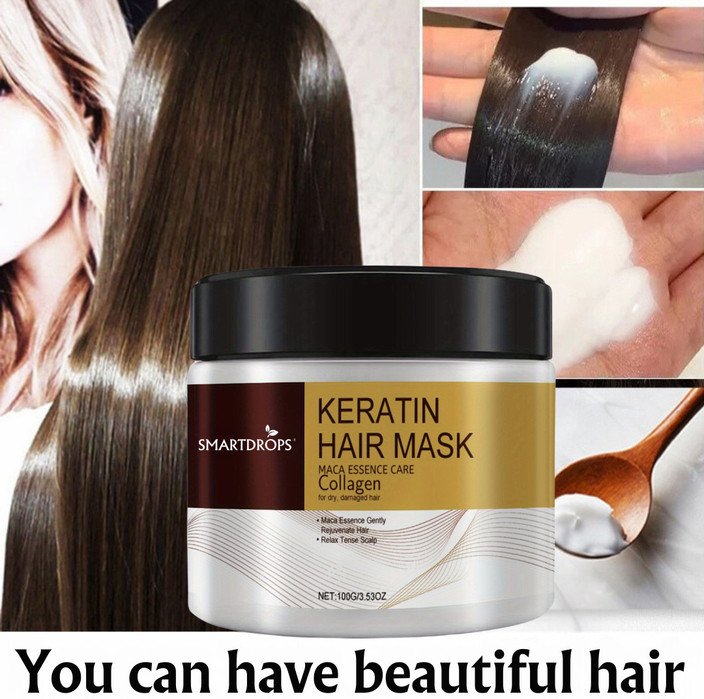
Imagine running your fingers through your hair and feeling nothing but silky smoothness. Sounds dreamy, right?
A hair care mask can make this a reality for you. If you’ve been battling dull, frizzy, or damaged hair, then you’re in for a treat. Hair care masks are like a spa day for your hair, providing deep nourishment and hydration.
They’re not just a luxury; they’re a game-changer in your hair care routine. In this post, you’ll discover how a simple hair care mask can transform your hair from lifeless to luscious. Get ready to uncover the secret to vibrant, healthy hair that you’ll love to show off.
Benefits Of Hair Masks
Hair masks offer many benefits that improve hair health and appearance. They provide intense care beyond regular shampoo and conditioner. Using hair masks regularly can boost hair strength and vitality.
Deep Conditioning Effects
Hair masks deeply nourish hair strands. They penetrate the scalp and hair shaft. This helps restore moisture lost from daily styling and environmental damage. Deep conditioning makes hair feel softer and look healthier.
Repairing Damaged Hair
Hair masks repair damage caused by heat, chemicals, and pollution. Ingredients in masks rebuild weak hair fibers. This reduces breakage and split ends. Repairing damaged hair leads to stronger, more resilient strands.
Enhancing Shine And Softness
Regular use of hair masks enhances natural shine. They smooth the hair cuticle, reflecting more light. Hair feels silkier and easier to manage. Soft, shiny hair looks vibrant and well cared for.
Credit: www.flipkart.com
Types Of Hair Masks
Choosing the right hair mask can make a big difference in how your hair looks and feels. Different types of masks target different needs, so understanding these can help you pick one that fits your hair’s unique condition. Whether your hair is dry, damaged, color-treated, or you prefer natural care, there’s a mask designed for you.
Hydrating Masks
Hydrating masks are perfect if your hair feels dry or brittle. They work by adding moisture back into your strands, making your hair softer and smoother.
Look for ingredients like aloe vera, glycerin, and hyaluronic acid. These help attract and lock in moisture effectively.
Personally, using a hydrating mask once a week transformed my hair from dull to shiny in just a few weeks. Have you noticed your hair feels thirsty after heat styling?
Protein Treatments
Protein treatments focus on strengthening your hair. If you have weak, damaged, or breaking hair, these masks rebuild the hair structure.
Ingredients like keratin, collagen, and silk protein provide the necessary repair. But be careful not to overuse them, as too much protein can make hair stiff.
After switching to a protein treatment, my hair stopped breaking so easily. Does your hair feel limp or weak despite regular conditioning?
Color Protecting Masks
Color protecting masks help maintain your hair’s vibrancy and prevent fading. They add a protective layer that shields color from sun, heat, and washing.
Look for masks with UV filters, antioxidants, and gentle cleansing agents. These ingredients help keep your color fresh and your hair healthy.
If you color your hair, using a dedicated mask can save you trips to the salon. How often do you feel your color dulls before the next touch-up?
Natural And Diy Masks
Natural and DIY masks let you control exactly what goes on your hair. Common ingredients include avocado, honey, yogurt, and coconut oil.
These masks can be tailored to your hair’s needs and are often free from harsh chemicals. They’re also budget-friendly and easy to make at home.
I’ve found that a simple honey and olive oil mask adds incredible shine and softness. Have you ever tried making your own hair mask?
Choosing The Right Mask
Choosing the right hair care mask can make a big difference in hair health. Each hair type needs specific care. Using a mask that suits your hair will help repair and nourish it effectively. Understanding your hair’s needs helps in picking the perfect product.
Assessing Hair Type
Hair types vary from straight to curly, fine to thick. Knowing your hair type guides you in selecting a suitable mask. Fine hair needs lightweight formulas. Thick or curly hair benefits from richer, more hydrating masks. This step ensures your hair mask works well without weighing hair down.
Identifying Hair Concerns
Different masks target different problems. Dry hair needs deep moisture. Damaged hair requires repair and protein. Oily hair benefits from balancing and light hydration. Scalp issues call for soothing and cleansing ingredients. Understanding your main hair concern helps you find a mask that addresses the problem directly.
Ingredients To Look For
- Natural oils like argan, coconut, or jojoba for moisture
- Proteins such as keratin or silk for strength
- Vitamins like B5 and E for nourishment
- Botanical extracts for soothing and shine
- Humectants like glycerin to lock in moisture
These ingredients promote healthy, shiny, and smooth hair.
Avoiding Harmful Components
- Sulfates can strip natural oils and dry hair
- Parabens may cause scalp irritation
- Silicones can build up and weigh hair down
- Alcohols like isopropyl can cause dryness
Choosing masks without these components keeps hair safe and healthy.
How To Apply Hair Masks
Applying a hair care mask correctly helps your hair absorb all the nourishing ingredients. Proper application ensures your hair feels soft, strong, and healthy. Follow these simple steps for the best results.
Preparation Steps
- Start with clean hair. Shampoo and rinse well.
- Towel dry gently to remove excess water.
- Comb through hair to remove tangles.
- Gather your hair mask and a wide-tooth comb or your fingers.
- Wear old clothes or use a towel to avoid stains.
Application Techniques
- Take a small amount of mask in your palm.
- Apply from the mid-lengths to the ends of your hair.
- Avoid applying directly to the scalp unless mask instructions say so.
- Use your fingers or comb to spread the mask evenly.
- Focus more on damaged or dry areas.
Optimal Frequency
Use a hair mask one to two times per week for normal hair. For dry or damaged hair, apply up to three times weekly. Follow product directions for best timing.
Rinsing Tips
- Rinse hair thoroughly with lukewarm water.
- Make sure no product residue remains.
- Use cool water at the end to seal the hair cuticles.
- Gently squeeze out excess water without rubbing.
- Pat hair dry with a soft towel.
Tips For Maximizing Results
Maximizing the benefits of a hair care mask takes more than just applying it. Small changes in how you use the mask can improve your hair’s health and shine. Follow these tips to get the best results from your hair care mask.
Combining With Hair Oils
Using hair oils before applying a mask can boost its effect. Oils help lock in moisture and prepare your hair to absorb nutrients. Warm a few drops of oil in your hands and massage it into your scalp and hair. Then, apply the mask on top. This combination nourishes your hair deeply and reduces dryness.
Using Heat For Better Absorption
Heat opens the hair cuticles, allowing the mask to work better. After applying the mask, cover your hair with a warm towel or use a shower cap. You can also use a hair dryer on low heat for a few minutes. This step helps the mask penetrate each strand, making your hair softer and stronger.
Regular Hair Care Routine
Consistency is key for healthy hair. Use the mask once or twice a week, depending on your hair type. Stick to a routine that includes gentle shampooing and conditioning. Avoid over-washing, which can strip natural oils. A steady routine keeps your hair balanced and improves the mask’s long-term effects.

Credit: www.meesho.com
Common Mistakes To Avoid
Using a hair care mask can boost your hair’s health and shine. Avoiding common mistakes helps you get the best results. Many people misuse hair masks, which can cause damage or reduce their benefits. Understanding what not to do is key to healthy, beautiful hair.
Overusing Hair Masks
Applying hair masks too often can weigh hair down. It may cause buildup and make hair greasy. Most hair types benefit from using a mask once or twice a week. Overuse can strip natural oils and weaken hair strands.
Incorrect Application
Applying hair masks directly to the roots can cause scalp issues. Masks should focus on mid-lengths and ends where hair is driest. Leaving the mask on for too long or not rinsing well can lead to residue. Follow the instructions on the product for best results.
Ignoring Scalp Health
Healthy hair starts with a healthy scalp. Masks applied only to hair strands ignore scalp needs. Scalp buildup can block hair follicles and slow growth. Use scalp treatments or gentle cleansers to keep the scalp clean and balanced.
Hair Mask Myths
Hair masks often get a bad rap because of common misunderstandings. These myths can stop you from enjoying the full benefits of deep conditioning treatments. Let’s clear up some of the biggest misconceptions so you can make the most of your hair care routine.
Masks Cause Hair Greasiness
Many people avoid hair masks fearing they will leave hair oily or weighed down. But the truth is, a good mask nourishes your hair without making it greasy.
The problem usually lies in applying too much product or not rinsing it out properly. Try using a small amount focused on the mid-lengths and ends, where hair tends to be driest.
Have you noticed your hair feels heavier after a mask? It might be time to adjust how much you use or how long you leave it on.
More Time Means Better Results
Leaving a hair mask on for hours doesn’t necessarily improve its effectiveness. Most masks are designed to work within 5 to 20 minutes.
Overdoing it can sometimes irritate your scalp or cause buildup. Follow the instructions on your mask and observe how your hair responds.
Ask yourself: does your hair feel softer and healthier after the recommended time? If yes, sticking to that duration is best.
One Mask Fits All
Every hair type and condition requires different care. Using the same mask for fine, oily hair and thick, dry hair rarely delivers great results.
Select masks based on your hair’s needs—moisturizing for dryness, protein-rich for damage, or balancing for oiliness.
Think about your hair’s unique challenges and choose masks that target those specifically. What’s your hair craving right now?
Top Hair Mask Ingredients
Choosing the right hair mask depends on its key ingredients. These ingredients nourish, repair, and protect hair. They help improve hair strength and shine. Understanding top ingredients helps pick the best mask for your hair needs.
Argan Oil
Argan oil is rich in vitamin E and fatty acids. It hydrates dry hair and adds shine. This oil smooths frizz and protects hair from damage. It works well for all hair types, especially dry or brittle hair.
Keratin
Keratin is a protein naturally found in hair. It restores damaged hair by filling gaps in the hair cuticle. This ingredient strengthens hair and reduces breakage. It leaves hair smooth, soft, and easier to manage.
Shea Butter
Shea butter deeply moisturizes and nourishes hair strands. It protects hair from dryness and harsh weather. This ingredient improves hair elasticity and softness. It suits curly and coarse hair types best.
Aloe Vera
Aloe vera soothes the scalp and reduces irritation. It hydrates hair without weighing it down. This ingredient promotes healthy hair growth and shine. Aloe vera works well for sensitive scalps and fine hair.

Credit: www.amazon.in
Frequently Asked Questions
What Is The Main Benefit Of Using A Hair Care Mask?
A hair care mask deeply nourishes and repairs damaged hair. It restores moisture, improves texture, and strengthens strands for healthier hair.
How Often Should I Apply A Hair Care Mask?
Apply a hair care mask once or twice a week. This frequency ensures hydration and repair without weighing hair down.
Can Hair Masks Help With Dry Scalp?
Yes, hair masks with moisturizing ingredients soothe and hydrate a dry scalp. They reduce itchiness and flakiness effectively.
Are Homemade Hair Masks As Effective As Store-bought Ones?
Homemade masks can be effective if made with quality ingredients. However, store-bought masks often contain specialized nutrients for better results.
Conclusion
Hair care masks help keep your hair soft and healthy. They add moisture and repair damage. Using a mask regularly can reduce dryness and breakage. Choose a mask that fits your hair type. Apply it as directed for best results.
Healthy hair looks shiny and feels smooth. Try to include hair masks in your routine. Small changes make a big difference. Your hair will thank you for the extra care. Simple steps bring lasting shine and strength.
