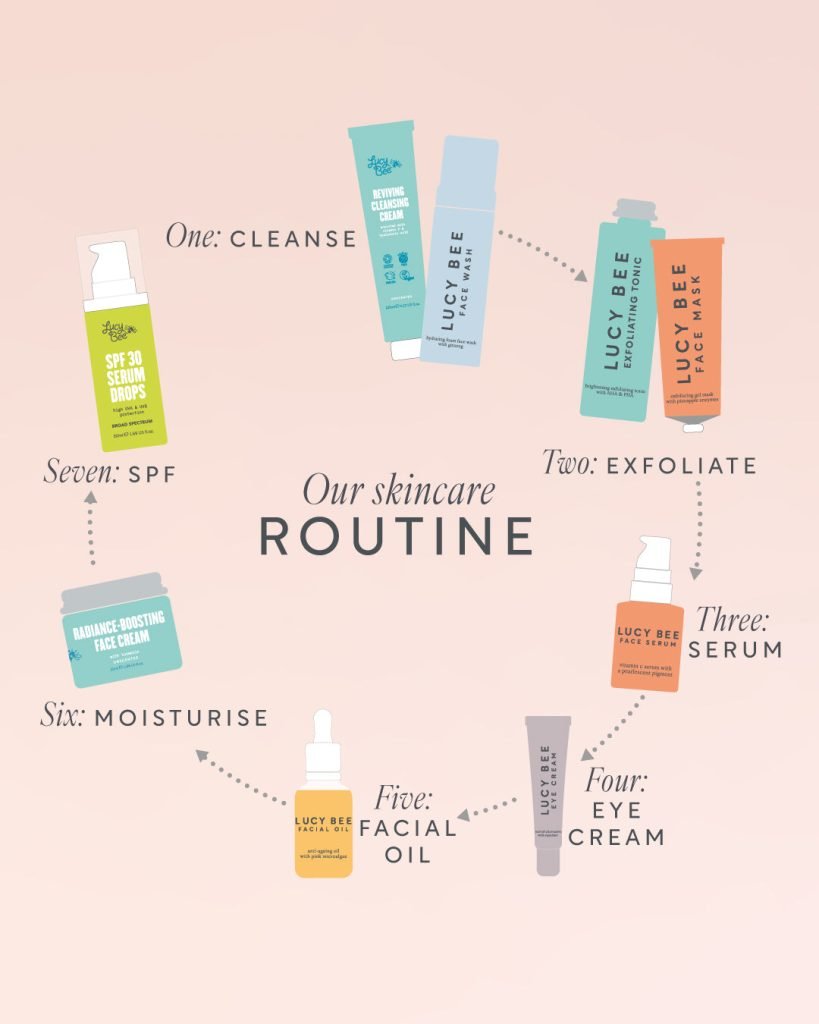
Unlocking the secret to glowing, healthy skin might be simpler than you think. The way you layer your skincare products can make all the difference.
Imagine waking up to skin that feels soft, hydrated, and vibrant every day. How do you achieve this? It’s all about understanding the art of layering skincare. Whether you’re a skincare newbie or a seasoned enthusiast, mastering this technique can transform your routine—and your skin.
You might be using the best products, but if they’re not applied in the right order, you could be missing out on their full benefits. Curious to find out how to maximize your skincare investment and achieve that enviable glow? Let’s dive into the steps that can revolutionize your skincare regimen and unveil your skin’s true potential.

Credit: revisionskincare.com
Skin Prep Basics
Skin preparation is the foundation of effective skincare layering. It ensures each product works well and absorbs properly. Clean, balanced skin helps prevent breakouts and irritation.
Start with a fresh face. Remove dirt, oil, and makeup gently. Then, restore the skin’s natural pH and hydration level. This makes the skin ready to receive treatments and moisturizers.
Cleansing Techniques
Choose a cleanser that suits your skin type. Use lukewarm water to open pores slightly. Avoid hot water that can dry out your skin.
- Apply cleanser with clean hands or a soft cloth.
- Use gentle circular motions to remove dirt and oil.
- Rinse thoroughly and pat dry with a soft towel.
Double cleansing can be useful if you wear heavy makeup or sunscreen. First, use an oil-based cleanser, then follow with a water-based one. This ensures all residues are removed.
Toning Essentials
Toner balances skin pH after cleansing. It also removes any leftover impurities. Choose an alcohol-free toner to avoid dryness.
- Apply toner with a cotton pad or your hands.
- Gently press it into the skin for better absorption.
- Let the toner dry naturally before applying other products.
Toners with soothing ingredients like aloe or chamomile calm the skin. Hydrating toners add moisture for a soft, smooth feel. This step preps your skin for serums and moisturizers.
Order Of Application
The order in which you apply your skincare products makes a big difference in how well they work. Layering products correctly helps your skin absorb each one fully and prevents pilling or irritation. Have you ever noticed your moisturizer sliding off after applying a serum? That often means the order wasn’t right.
Lightweight Products First
Start with the lightest products, like cleansers or toners, which prepare your skin for the next steps. These are usually water-based and absorb quickly without leaving residue. Applying these first ensures your skin is clean and ready to soak up the active ingredients that follow.
Think of lightweight products as the foundation of your routine. If you apply a heavy cream before a serum, the serum won’t penetrate well. Have you tried skipping toner and noticed your skin feels less refreshed? That’s because toners help balance your skin’s pH and improve absorption.
Serums And Treatments
Serums and treatments come next since they contain concentrated active ingredients targeting specific skin concerns. These are typically thin but potent, so applying them after lightweight products lets them sink in deeply. Applying a vitamin C serum right after toner boosts antioxidant benefits and brightens your complexion.
If you use multiple serums, layer from the thinnest to the thickest texture. This helps each product absorb properly. Do you struggle with layering different serums? Try waiting 30 seconds between each to let your skin fully absorb the product.
Moisturizers And Oils
Finish with moisturizers and oils to lock in all the previous layers and hydrate your skin. These products are thicker and create a protective barrier to seal in moisture and active ingredients. If you apply moisturizer before serum, the serum might just sit on top and won’t deliver its full benefits.
Oils should be the very last step since they can block absorption if applied too early. If your skin feels dry even after moisturizer, adding a facial oil can provide extra nourishment. Have you noticed your skin feels greasy or clogged? You might be using too much oil or applying it before other products.
Morning Vs Evening Routines
Skincare routines differ between morning and evening. The skin faces different challenges during the day and night. Morning routines focus on protection from the environment. Evening routines support skin repair and renewal. Understanding these differences helps create effective skincare layers.
Daytime Protection
Morning skincare prepares your skin for the day ahead. Start with a gentle cleanser to remove night oils. Apply a hydrating toner to balance skin’s pH. Use a vitamin C serum to brighten and protect. Follow with a lightweight moisturizer to lock in hydration. Finish with a broad-spectrum sunscreen to shield from UV rays. Sunscreen is essential to prevent sun damage and premature aging.
Nighttime Repair
Evening skincare supports your skin’s natural repair process. Begin with a cleanser to remove dirt and makeup. Use a toner to refresh and prepare skin. Apply a treatment serum with ingredients like retinol or peptides. These help boost collagen and cell turnover. Follow with a richer moisturizer or night cream. This nourishes and repairs skin while you sleep. Night routines focus on hydration and healing rather than protection.

Credit: www.bellinispdx.com
Common Mistakes To Avoid
Layering skincare might seem simple, but many people make mistakes that can harm their skin or waste products. Understanding what to avoid helps you get the best results without irritation or breakouts. Have you ever felt like your skin looked worse after trying a new routine? The problem might be in how you layer your products.
Overloading Products
Applying too many products can overwhelm your skin. It might feel like you’re giving your skin extra care, but it often causes clogged pores and irritation instead.
Focus on using only the essentials your skin needs. For example, if you use a serum, moisturizer, and sunscreen, adding multiple creams or oils might be unnecessary. Ask yourself, “Does each product have a clear purpose?” If not, it’s better to simplify.
Ignoring Ingredient Compatibility
Not all ingredients work well together. Some combinations can cancel each other out or cause redness and peeling.
For instance, using retinol and vitamin C at the same time can irritate sensitive skin. Instead, use vitamin C in the morning and retinol at night. Check labels carefully and research how ingredients interact before mixing them.
Customizing For Skin Types
Customizing your skincare routine to fit your skin type improves results and comfort. Different skin types need different products and layering techniques. This section guides you on how to adjust your routine for dry, oily, and sensitive skin. Follow simple tips to protect and nourish your skin effectively.
Dry Skin Tips
- Start with a gentle, hydrating cleanser that won’t strip moisture.
- Apply a rich, nourishing toner or essence to add extra hydration.
- Use a serum with ingredients like hyaluronic acid to lock in moisture.
- Follow with a thick, creamy moisturizer to seal hydration.
- Consider adding facial oils for extra nourishment, especially at night.
- Don’t skip sunscreen; choose a moisturizing formula for sun protection.
Oily Skin Tips
- Choose a foaming or gel cleanser to remove excess oil.
- Use a lightweight, alcohol-free toner to balance the skin.
- Pick a serum with ingredients like niacinamide to control oil.
- Apply a light, oil-free moisturizer to keep skin hydrated without heaviness.
- Use mattifying sunscreens to reduce shine during the day.
- Exfoliate regularly but gently to prevent clogged pores.
Sensitive Skin Tips
- Use a fragrance-free, mild cleanser to avoid irritation.
- Choose soothing toners with calming ingredients like aloe vera.
- Apply serums with anti-inflammatory components such as chamomile.
- Opt for hypoallergenic moisturizers to protect the skin barrier.
- Test new products on a small skin area before full use.
- Use mineral-based sunscreen to reduce the risk of reactions.
.png)
Credit: www.kingdomcomehome.shop
Tools To Enhance Layering
Enhancing your skincare layering routine isn’t just about choosing the right products. The tools you use to apply and boost absorption can make a huge difference in how effective your regimen is. Using the right methods and devices can help your skin absorb nutrients better, giving you that healthy glow you’re aiming for.
Application Methods
The way you apply your skincare products affects how well they work. Instead of just rubbing creams or serums on, try gentle tapping or patting motions with your fingertips. This helps stimulate blood flow and prevents tugging on your skin.
Silicone brushes or soft silicone pads are great for spreading products evenly without absorbing them like cotton pads do. Have you ever noticed how your serum feels wasted after applying it with a cotton ball? These tools solve that problem.
Using your palms to warm up the product before applying it can also help it spread more smoothly. Warm skin absorbs products better, so this little trick improves penetration without extra effort.
Product Absorption Boosters
Beyond application, there are tools designed to boost product absorption. Facial rollers, especially those made with jade or rose quartz, promote lymphatic drainage and improve circulation. This means your skin is more receptive to the skincare ingredients.
Microneedling tools, when used carefully and infrequently, create tiny channels in your skin to allow deeper product penetration. However, they require caution and proper hygiene to avoid irritation or infection.
Another simple tool is the warm towel wrap. After cleansing, placing a warm, damp towel on your face opens up pores. This makes your skin ready to soak in moisturizers or serums more effectively.
Monitoring Skin Reactions
Monitoring skin reactions is vital when layering skincare products. Your skin can react differently to new combinations. Paying close attention helps avoid irritation or damage. Early detection of redness, itchiness, or dryness protects your skin. Careful observation ensures your routine supports skin health and beauty.
Patch Testing
Patch testing helps check product safety before full use. Apply a small amount on your inner wrist or behind the ear. Wait 24 to 48 hours to see any reaction. Look for redness, swelling, or itching in the test area. No reaction means the product is likely safe. This step reduces risk when adding new items to your routine.
Adjusting Routine
Adjust your routine based on skin’s response to products. Stop using products that cause irritation or discomfort. Introduce one product at a time to find the cause of any issues. Use gentle, hydrating items if the skin feels dry or tight. Space out active ingredients like acids or retinoids to avoid overload. Keep routines simple until your skin adapts well.
Frequently Asked Questions
What Is The Correct Order To Layer Skincare Products?
Start with the lightest product, like toner or serum. Follow with thicker creams or oils. Always apply sunscreen last for protection.
How Long Should I Wait Between Skincare Layers?
Wait 30 seconds to 1 minute between layers. This allows each product to absorb fully and work effectively.
Can I Mix Different Skincare Brands When Layering?
Yes, mixing brands is fine if products suit your skin. Ensure ingredients don’t conflict or irritate your skin.
Should I Apply Skincare Products On Dry Or Damp Skin?
Apply skincare on slightly damp skin for better absorption. Damp skin helps products penetrate deeper and work efficiently.
Conclusion
Layering skincare helps your skin absorb products better. Start with the thinnest texture and end with the thickest. Give each layer time to soak in before adding the next. Keep your routine simple and consistent for best results. Pay attention to how your skin feels after each step.
Adjust your products based on your skin’s needs and season. Healthy skin takes patience and care every day. Enjoy the process, and your skin will thank you.
