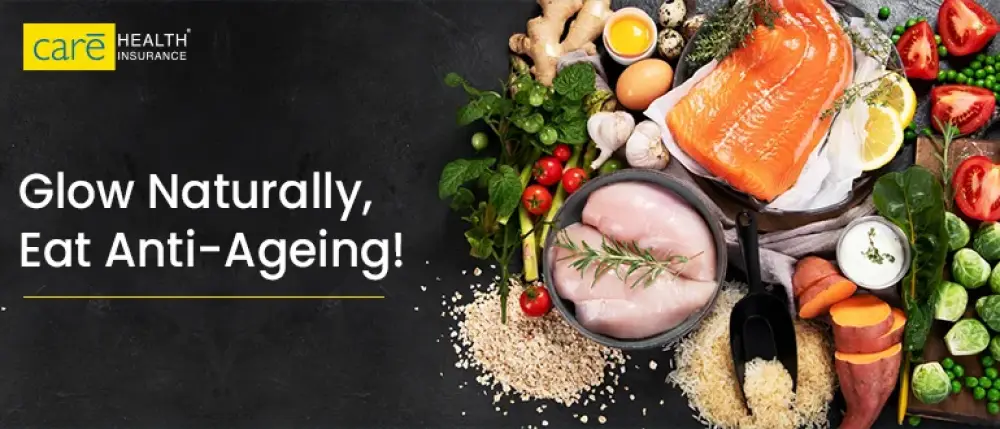
Are you tired of searching for the elusive fountain of youth? Imagine if the secret to looking and feeling younger could be found right in your kitchen.
The food you eat plays a powerful role in how you age. Anti-ageing foods aren’t just a myth; they’re a delicious reality. By choosing the right ingredients, you can nourish your body and support your skin’s health from the inside out.
Curious to discover which foods can help keep those wrinkles at bay and boost your overall vitality? Keep reading, because what you learn next might just transform your approach to ageing gracefully.

Credit: toneopfit.com
Why Diet Matters For Aging
Diet plays a key role in how our body ages. The food we eat affects our skin, energy, and overall health. Choosing the right foods helps slow down signs of aging. It also supports the body’s repair and protection systems. Healthy eating improves mood and brain function too.
A balanced diet provides essential vitamins and minerals. These nutrients fight damage caused by free radicals. Free radicals speed up aging and cause wrinkles. Foods rich in antioxidants help neutralize these harmful molecules. This protects cells and keeps them healthy longer.
How Nutrients Protect Your Skin
Vitamins like C and E boost collagen production. Collagen keeps skin firm and elastic. Omega-3 fatty acids reduce inflammation and dryness. Zinc helps repair damaged skin cells. Together, these nutrients maintain a youthful look.
The Role Of Antioxidants In Aging
Antioxidants are found in colorful fruits and vegetables. They stop oxidative stress, which damages cells. This stress is linked to aging and many diseases. Eating antioxidant-rich foods supports cell health and longevity.
Why Hydration And Fiber Matter
Water keeps skin plump and flushes out toxins. Fiber aids digestion and maintains gut health. A healthy gut helps the body absorb nutrients better. Both hydration and fiber contribute to overall vitality.

Credit: www.liveinhomecare.com
Key Nutrients For Youthful Skin
Maintaining youthful skin isn’t just about the creams you apply. What you eat plays a powerful role in how your skin looks and feels. Certain nutrients directly impact skin health, helping you maintain its glow, elasticity, and resilience.
Antioxidants
Antioxidants fight the damage caused by free radicals, which speed up the aging process. You can find plenty of these in colorful fruits and vegetables like blueberries, spinach, and kale. Adding a handful of berries to your breakfast or a spinach salad to your lunch can protect your skin from early wrinkles and dullness.
Ever noticed how your skin looks better after a week of eating well? That’s antioxidants at work, reducing inflammation and repairing cells. Don’t overlook green tea either; it’s packed with antioxidants that soothe your skin and promote repair.
Healthy Fats
Your skin needs fats to stay soft and hydrated. Omega-3 fatty acids found in salmon, walnuts, and flaxseeds help maintain the skin’s barrier, locking in moisture. I once swapped chips for a handful of walnuts daily, and my skin felt noticeably less dry within days.
Fat also supports the structure of your skin cells. Without enough healthy fats, your skin can become flaky and more prone to irritation. Try adding fatty fish twice a week or a spoonful of flaxseed to your smoothie for a simple boost.
Vitamins And Minerals
Vitamins like C and E are essential for collagen production and skin repair. Citrus fruits, nuts, and seeds are great sources. I started drinking fresh orange juice every morning and saw my skin tone become more even and vibrant.
Minerals such as zinc and selenium protect your skin from environmental damage and support healing. Pumpkin seeds and Brazil nuts are easy snacks that pack a mineral punch. Are you getting enough of these nutrients daily to keep your skin youthful?
Top Anti-ageing Superfoods
Eating the right foods can help you maintain youthful skin and overall health. Certain superfoods contain powerful antioxidants and nutrients that fight signs of ageing. Including these in your daily diet can make a noticeable difference in your skin’s texture, energy levels, and even mental clarity.
Berries
Berries like blueberries, strawberries, and raspberries are packed with antioxidants. These antioxidants protect your skin from damage caused by free radicals. I noticed my skin felt firmer after adding a handful of mixed berries to my morning smoothie every day.
They also contain vitamin C, which helps your body produce collagen. Collagen keeps your skin elastic and youthful. Why not add berries to your breakfast or snacks for a tasty, skin-friendly boost?
Nuts And Seeds
Nuts and seeds offer healthy fats, vitamin E, and minerals essential for skin repair. Almonds, walnuts, flaxseeds, and chia seeds are excellent choices. I started snacking on a mix of walnuts and pumpkin seeds, and my dry skin improved significantly.
These foods reduce inflammation and support hydration. You can sprinkle them on salads, yogurt, or eat them as a quick snack.
Leafy Greens
Spinach, kale, and Swiss chard are rich in vitamins A, C, and K, which are vital for skin health. They also contain lutein, which protects your skin from UV damage. After including a daily salad with mixed greens, I noticed fewer breakouts and a brighter complexion.
Leafy greens help detoxify your body and keep your skin glowing. Try adding them to smoothies or as a side dish with meals.
Fatty Fish
Fish like salmon, mackerel, and sardines are loaded with omega-3 fatty acids. These fats reduce inflammation and keep your skin moisturized from within. I replaced red meat with grilled salmon twice a week and saw a reduction in skin redness.
Omega-3s also support brain health, which can affect how you age mentally. Aim for two servings of fatty fish per week to reap these benefits.
Green Tea
Green tea contains catechins, antioxidants that protect your skin and improve elasticity. Drinking green tea daily has helped me feel more energized and my skin less oily. It also aids in reducing wrinkles and sun damage.
Swap your afternoon coffee for green tea and observe how your skin responds over time.
Turmeric
Turmeric has anti-inflammatory and antioxidant properties thanks to curcumin. Adding turmeric to your diet can reduce skin inflammation and brighten your complexion. I started mixing turmeric into my soups and noticed a calmer, more even skin tone.
You can use turmeric powder in cooking or take it as a supplement after consulting with your healthcare provider.

Credit: www.thetimes.com
How To Include Superfoods Daily
Including anti-ageing superfoods in your daily diet doesn’t have to be complicated or time-consuming. Small, consistent changes can make a big difference in how you feel and look. You just need to find easy ways to add these nutrient-packed foods to your meals and snacks.
Smoothie Ideas
Smoothies are a quick and tasty way to get a boost of superfoods first thing in the morning. Try blending spinach, frozen berries, a spoonful of chia seeds, and almond milk for a vibrant, antioxidant-rich drink. Adding a bit of turmeric or ginger can give your smoothie an anti-inflammatory edge.
Want a creamier option? Use avocado or Greek yogurt to add healthy fats and protein, keeping you full longer. Don’t forget to toss in some flaxseeds or walnuts for omega-3s that support skin health.
Meal Planning Tips
Think about your weekly meals ahead and include superfoods in your grocery list. Swap regular rice with quinoa or barley to increase fiber and mineral intake. Planning meals with colorful vegetables like sweet potatoes, kale, or bell peppers ensures you get a mix of vitamins that fight ageing.
Try to cook with olive oil instead of butter; it’s rich in antioxidants and heart-healthy fats. When making salads, add nuts, seeds, or citrus fruits to maximize your nutrient intake. Can you identify one meal this week to upgrade with these foods?
Snack Alternatives
Instead of reaching for processed snacks, choose options that nourish your skin and body. A handful of almonds or pumpkin seeds satisfies hunger and provides zinc and vitamin E, which help repair skin damage. Fresh fruit, like an apple or a handful of blueberries, delivers antioxidants to fight free radicals.
You can also make your own trail mix with dried goji berries, dark chocolate chips, and walnuts for a sweet yet healthy treat. Next time you crave a snack, ask yourself if it’s fueling your body or just filling time.
Lifestyle Habits That Boost Effects
Eating anti-ageing foods is a powerful step, but your lifestyle habits can either boost or block their benefits. Small changes in daily routines can make a big difference in how your body absorbs nutrients and fights ageing. Are you ready to maximize the impact of your healthy diet?
Hydration
Water is your skin’s best friend. It helps flush out toxins and keeps your skin plump, reducing the appearance of wrinkles.
Try to drink at least 8 glasses of water a day. If you struggle with plain water, add lemon slices or cucumber for a refreshing twist.
Did you know that even mild dehydration can make your skin look dull? Keeping hydrated enhances the anti-ageing effects of foods like berries and leafy greens.
Sleep Quality
Sleep is when your body repairs itself. Without enough quality sleep, your skin loses its ability to regenerate effectively.
Aim for 7-9 hours of uninterrupted sleep each night. Simple habits like turning off screens an hour before bed and keeping your room cool can improve sleep quality.
Think about the last time you woke up feeling refreshed—your skin likely reflected that glow. Better sleep means your anti-ageing foods work harder for you.
Stress Management
Stress triggers hormones that speed up skin ageing and inflammation. Managing stress protects your skin and overall health.
Try techniques like deep breathing, meditation, or even short walks outside. These can lower stress levels and improve your body’s response to anti-ageing nutrients.
Ask yourself: How often do you pause to relax during a busy day? Making stress control a priority lets your diet deliver its full anti-ageing power.
Frequently Asked Questions
What Are The Best Anti Ageing Foods To Eat Daily?
Foods rich in antioxidants like berries, nuts, and leafy greens help fight ageing. They protect skin and boost cell repair. Incorporate salmon, avocados, and green tea for added benefits. These foods improve skin elasticity and reduce wrinkles naturally.
How Do Anti Ageing Foods Benefit Skin Health?
Anti ageing foods provide vitamins and antioxidants that protect skin from damage. They reduce inflammation and promote collagen production. This keeps skin firm, hydrated, and youthful. Regular consumption slows down visible ageing signs like wrinkles and fine lines.
Can Anti Ageing Foods Improve Brain Function?
Yes, foods like walnuts, blueberries, and fatty fish boost brain health. They reduce oxidative stress and inflammation in brain cells. These foods improve memory, focus, and cognitive function. Including them in your diet supports long-term brain vitality.
Which Vitamins In Foods Help Slow Ageing?
Vitamins C, E, and A are crucial for slowing ageing. Vitamin C supports collagen synthesis and skin repair. Vitamin E acts as an antioxidant protecting cells from damage. Vitamin A promotes skin renewal and reduces wrinkles.
Conclusion
Eating anti-ageing foods helps keep your skin healthy and glowing. These foods provide vitamins and antioxidants that fight wrinkles. Small changes in your diet can make a big difference over time. Choose fresh fruits, vegetables, nuts, and fish often. Drinking enough water supports your body and skin too.
Remember, healthy eating is a simple way to feel and look younger. Start adding these foods to your meals today for long-term benefits. Your body will thank you with a natural, youthful shine.