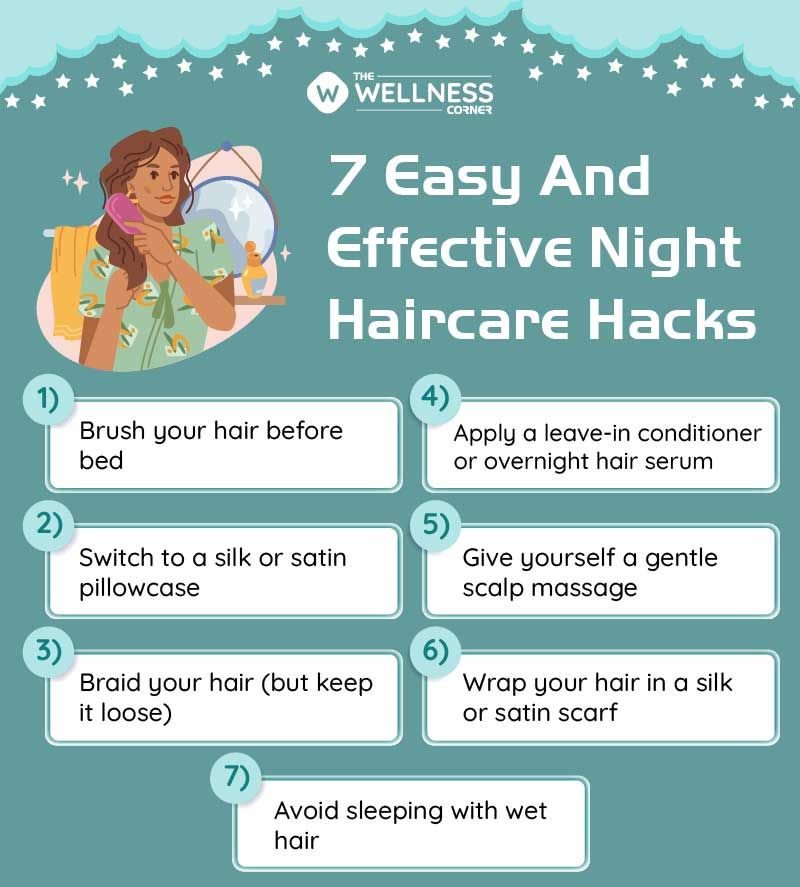
Are you tired of waking up to tangled, unmanageable hair? Imagine rolling out of bed with silky, shiny locks that are ready to face the day.
It sounds like a dream, but with the right overnight hair care routine, it can be your reality. By simply tweaking your nighttime habits, you can transform your hair’s health and appearance. This guide is your ticket to discovering easy, effective, and time-saving tips that will revolutionize the way you care for your hair while you sleep.
Stick around to uncover secrets that will have you looking forward to waking up with fabulous hair every morning.

Credit: www.amazon.ca
Benefits Of Overnight Hair Care
Overnight hair care offers unique benefits that daytime routines often miss. By giving your hair extra attention while you sleep, you allow treatments and protective styles to work deeply and effectively. This simple habit can transform your hair’s health, making it stronger, shinier, and more manageable.
Enhancing Hair Moisture
Leaving moisturizing products on your hair overnight helps them penetrate deeper into the strands. This means your hair stays hydrated longer, reducing dryness and frizz. Have you ever noticed how your hair feels softer and smoother after a good night’s care? That’s the moisture working its magic.
Reducing Hair Breakage
Overnight hair care often involves protective hairstyles or silk pillowcases, which cut down friction and tangling. Less friction means fewer broken strands and split ends. Imagine waking up with hair that’s easier to comb and less prone to damage—doesn’t that sound like a game changer?
Promoting Hair Growth
Consistent overnight care boosts scalp health by keeping it nourished and clean, creating the perfect environment for hair growth. Massaging your scalp before bed or applying growth-boosting oils can stimulate blood flow. Could a small nightly ritual be the key to reaching your hair goals faster?
Best Overnight Hair Treatments
Choosing the right overnight hair treatment can transform your morning routine and the health of your hair. The best treatments work while you sleep, repairing damage and locking in moisture. Let’s look at some effective options you can try tonight for softer, shinier hair by morning.
Natural Oils And Masks
Natural oils like coconut, argan, and jojoba are excellent for overnight use. They deeply nourish your scalp and strands without harsh chemicals. Applying a warm oil mask before bed can reduce frizz and add lasting shine.
Try mixing a few drops of essential oils like lavender or rosemary with your base oil for added scalp benefits. Cover your hair with a silk scarf or bonnet to avoid staining your pillow. Waking up with hydrated, smooth hair is a simple reward for this small effort.
Leave-in Conditioners
Leave-in conditioners provide lightweight moisture and protect hair throughout the night. Unlike heavy creams, they don’t weigh your hair down or make it greasy. Choose one formulated for your hair type to get the best results.
Apply evenly from mid-length to ends after your evening wash. This keeps your hair soft and manageable by morning. Have you noticed how your hair feels when you skip this step? It often becomes dry and tangled.
Diy Hair Serums
Creating your own hair serum allows you to control ingredients and customize for your needs. A simple blend of almond oil, vitamin E, and a few drops of essential oil can protect and repair overnight.
Serums help seal the cuticle and reduce breakage. You only need a small amount—too much can make hair look oily. Experiment with different blends and see which one your hair responds to best.
Ideal Hair Protection Techniques
Protecting your hair overnight is crucial for maintaining its health, shine, and strength. The right techniques can prevent breakage, reduce frizz, and keep moisture locked in while you sleep. Let’s look at some practical ways you can protect your hair effectively every night.
Using Silk Or Satin Pillowcases
Switching to silk or satin pillowcases can make a big difference in your hair’s condition. These fabrics cause less friction compared to cotton, which means less breakage and split ends. I noticed my hair felt smoother and looked shinier after just a week of using a silk pillowcase.
They also help retain your hair’s natural oils and moisture. If you struggle with dry or frizzy hair, this small change can be a game-changer. Have you ever thought about how your pillowcase fabric might be affecting your hair health?
Protective Hairstyles
Wearing your hair in protective hairstyles overnight reduces tangling and stress on your strands. Styles like loose braids, twists, or buns can keep your hair secure without causing tension. I found that braiding my hair loosely before bed cut down on morning knots significantly.
Choose styles that don’t pull too tightly to avoid damaging your scalp or hair roots. Protective hairstyles also help preserve the shape of styled hair, so you wake up ready to go. What’s your go-to nighttime hairstyle to keep your hair safe?
Hair Wrapping Methods
Wrapping your hair with a silk or satin scarf offers an extra layer of protection. It seals in moisture and prevents hair from rubbing against rough fabrics. I started wrapping my hair a few months ago, and it helped maintain my curls’ definition overnight.
Make sure to tie the scarf gently to avoid creating pressure points. You can also combine wrapping with a protective hairstyle for even better results. Have you tried hair wrapping, or does it sound like something you’d add to your routine?
Preparing Hair Before Bed
Preparing your hair before bed sets the foundation for healthier strands by morning. Simple habits can reduce breakage, frizz, and dryness overnight. Taking a few extra minutes to care for your hair can make a noticeable difference in how it looks and feels.
Detangling Tips
Detangling your hair before sleep prevents knots that cause breakage. Use a wide-tooth comb or a detangling brush starting from the ends and gently working upwards. Avoid tugging harshly, especially if your hair is wet, as it becomes more fragile.
Try detangling after applying a leave-in conditioner or detangling spray. This adds slip and reduces friction, making the process smoother. Ever noticed how skipping this step leaves you with a tangled mess in the morning?
Choosing The Right Products
Select products that nourish and protect your hair overnight. Lightweight oils like argan or jojoba can seal moisture without weighing hair down. You might want to avoid heavy creams that can cause buildup or make your hair greasy by morning.
Look for products labeled “overnight” or “leave-in” to ensure they’re designed for extended wear. Do you know what ingredients work best for your hair type? Experimenting with natural oils or serums can help you find your perfect match.
Avoiding Heat Styling
Heat styling before bed can stress your hair and cause damage while you sleep. Skip curling irons, straighteners, or blow dryers in the evening to give your strands a break. Letting your hair air dry naturally preserves its natural oils and strength.
Instead, embrace protective hairstyles like loose braids or buns that prevent tangling without heat. Have you noticed how your hair feels softer on nights you skip heat styling? Your future self will thank you for this simple change.
Morning Hair Care Routine
Your morning hair care routine sets the tone for the entire day. How you treat your hair right after waking up can either preserve the benefits of your overnight care or undo the progress. Taking a few thoughtful steps can make your hair feel fresh, manageable, and ready to style.
Gentle Detangling
Start by gently working through any knots with a wide-tooth comb or your fingers. Avoid rushing or yanking, as wet or delicate hair is more prone to breakage. If you slept with a protective style or scarf, this step helps ease out any tension without causing damage.
Refreshing Hair With Water Or Mist
Dry hair in the morning can feel stiff or crunchy. Lightly spritzing your hair with water or a hydrating mist awakens strands and adds softness. This simple trick revives curls and waves without needing a full wash, saving time and moisture.
Applying Lightweight Serums
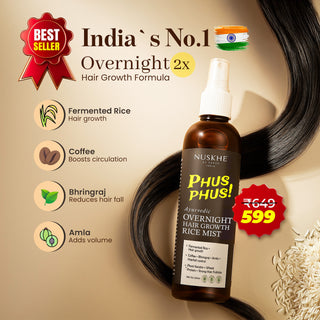
Choose a lightweight serum to smooth frizz and add shine without weighing hair down. Apply a small amount to your palms and distribute evenly, focusing on ends and any dry spots. This step locks in moisture and protects your hair throughout the day.
Credit: studdmuffyn.com
Common Mistakes To Avoid
Taking care of your hair overnight can make a big difference in its health and appearance. However, certain habits might be harming your hair more than helping it. Knowing what mistakes to avoid can save you from damage and frustration.
Sleeping With Wet Hair
Going to bed with wet hair might seem harmless, but it can lead to breakage and scalp issues. Wet hair is weaker and more prone to snapping when tossed around during sleep.
Have you noticed more hair strands on your pillow after sleeping with damp hair? That’s a sign your hair is stressed.
Try drying your hair partially or completely before bedtime. If you must sleep with wet hair, use a silk or satin pillowcase to reduce friction.
Using Harsh Chemicals Overnight
Applying strong hair treatments or chemicals before sleeping can irritate your scalp and damage your hair. These substances can cause dryness, redness, or even allergic reactions while you rest.
Think about how your skin reacts to overnight creams—your scalp deserves the same gentle care. Avoid harsh dyes, relaxers, or heavy styling products right before bed.
Instead, opt for mild, nourishing products designed for overnight use, or apply treatments earlier in the day to monitor how your scalp responds.
Ignoring Scalp Health
Your scalp is the foundation for healthy hair growth, yet many overlook its care during overnight routines. Neglecting scalp health can lead to dandruff, itchiness, and weak hair roots.
Consider massaging your scalp gently before sleep to boost circulation and relax your mind. Use a light scalp serum or oil to maintain moisture without clogging pores.
Ask yourself: Is your scalp comfortable when you wake up, or does it feel tight or irritated? Paying attention to these signs helps you adjust your care routine effectively.
Credit: www.aveda.ca
Frequently Asked Questions
What Is The Best Way To Protect Hair Overnight?
The best way to protect hair overnight is to use a silk or satin pillowcase. These materials reduce friction and prevent breakage. Additionally, loosely braiding hair or using a silk hair bonnet can help maintain moisture and minimize tangles.
How Often Should I Oil My Hair Overnight?
Oiling hair overnight once or twice a week is ideal. It nourishes the scalp, strengthens hair roots, and promotes growth. Avoid over-oiling to prevent buildup and scalp issues. Choose natural oils like coconut, almond, or argan for best results.
Can Overnight Hair Masks Improve Hair Health?
Yes, overnight hair masks deeply nourish and hydrate hair. They repair damage, reduce frizz, and enhance shine. Using a mask 1-2 times weekly boosts hair softness and strength. Always rinse thoroughly in the morning to avoid greasiness.
Is It Harmful To Sleep With Wet Hair?
Sleeping with wet hair can cause breakage and scalp issues. Wet hair is fragile and prone to damage from friction. It may also encourage fungal growth, leading to dandruff. It’s best to dry hair partially before bed or use a protective silk cap.
Conclusion
Caring for your hair overnight helps it stay healthy and strong. Simple steps like gentle brushing and using a silk pillowcase make a big difference. Protect your hair from damage while you sleep. With regular care, you will notice softer, shinier hair.
Try these tips and enjoy better hair every morning. Small changes at night can lead to great results. Your hair deserves attention even when you rest. Keep it safe and nourished for a fresh look daily.
