Are you curious about where a hair stylist fits in the world of careers? Understanding the right career cluster for a hair stylist can help you discover exciting job opportunities and plan your future better.
If you want to know what skills you need, how this career connects to other fields, and why it might be the perfect fit for you, keep reading. This guide will clear up everything you need to know about the career cluster of a hair stylist and how it can shape your path ahead.
Career Clusters And Beauty Industry
The beauty industry is more than just styling hair or applying makeup. It’s a dynamic field with various career opportunities grouped under specific categories called career clusters. Understanding these clusters helps you see where a hair stylist fits and how your skills can grow within this vibrant sector.
Overview Of Career Clusters
Career clusters organize jobs and industries into groups based on similar skills and knowledge. They help you find a clear path for education and career development. There are 16 main clusters, each covering different fields like health, business, technology, and arts.
For someone interested in hair styling, knowing the right cluster guides you toward the right training and job options. It also shows how your role connects to other professions and industries. Have you ever wondered which cluster matches your passion for beauty?
Beauty And Wellness Cluster
Hair stylists belong to the Beauty and Wellness cluster, a category focused on improving appearance and personal care. This cluster includes careers like cosmetologists, makeup artists, nail technicians, and massage therapists.
Working in this cluster means you’re part of a community that values creativity, customer service, and technical skills. It’s also a field where trends change fast, so staying updated is key. How do you keep your skills fresh in such a fast-moving industry?
The cluster offers many paths: you can specialize in hair coloring, become a salon manager, or even teach others. The possibilities grow as you build experience and certifications. This cluster supports growth and flexibility, giving you room to shape your career the way you want.
Hair Stylist Role In Beauty Cluster
Hair stylists play a vital role in the Beauty Career Cluster. They help clients look and feel their best. Their work goes beyond cutting and styling hair. They provide advice on hair care and trends. Hair stylists create a positive and welcoming experience. They work in salons, spas, and other beauty settings.
Key Responsibilities
- Cut, color, and style hair based on client preferences
- Consult with clients to understand their hair needs
- Recommend hair care products and treatments
- Maintain a clean and organized workspace
- Stay updated on the latest beauty trends and techniques
- Provide scalp and hair health advice
- Manage appointments and client records
Skills And Qualifications
- Good communication and listening skills
- Creativity and an eye for detail
- Manual dexterity and steady hand
- Knowledge of hair types and products
- Completion of cosmetology or hair styling training
- Licensing as required by local regulations
- Ability to work well with different clients
Education Paths For Hair Stylists
Education plays a key role in becoming a skilled hair stylist. The right training offers hands-on experience and builds a solid foundation. Hair stylists learn techniques, safety, and customer care. This knowledge helps them succeed in salons or their own business.
Different paths lead to a career in hair styling. Some choose formal training at cosmetology schools. Others focus on certification and licensing to meet legal requirements. Both paths prepare stylists for a professional career.
Cosmetology Schools
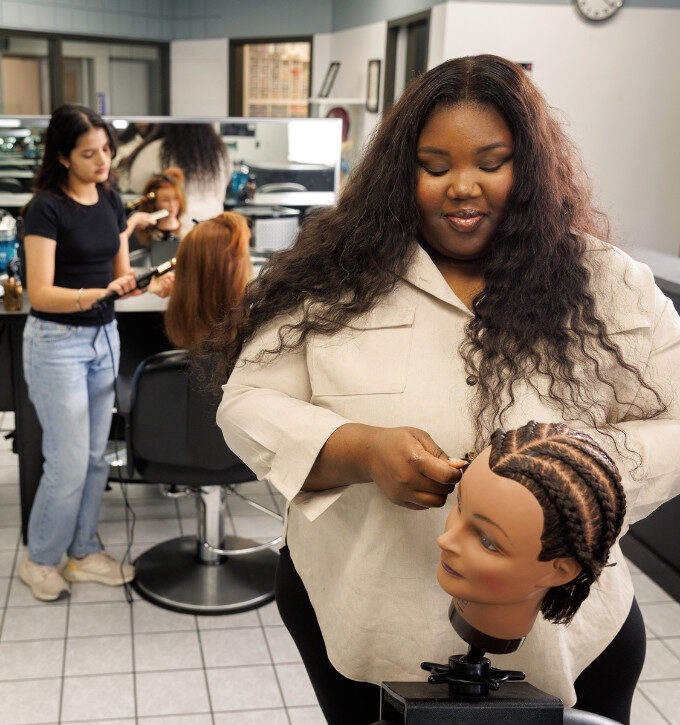
Cosmetology schools provide structured education for hair stylists. Courses cover haircutting, coloring, and styling techniques. Students also study skin and scalp care. Classes often include practice on mannequins and real clients.
- Programs usually last 9 to 15 months.
- Hands-on training builds confidence and skill.
- Schools teach hygiene and safety standards.
- Some offer courses in makeup and nail care.
Graduating from a cosmetology school often improves job prospects. Many salons prefer hiring licensed professionals with formal training.
Certification And Licensing
Certification and licensing ensure hair stylists meet state rules. Each state has different requirements. Most require passing a written and practical exam. Licenses must be renewed regularly, often with continuing education.
- Licensing protects clients and promotes professional standards.
- Certified stylists gain trust from employers and clients.
- Renewal may involve workshops or refresher courses.
- Failing to get licensed can limit job opportunities.
Following these steps helps stylists build a safe, legal career. Licensing confirms skills and knowledge in cosmetology.
Credit: mitt.ca
Career Opportunities In Hair Styling
Hair styling offers various career paths for creative and skilled individuals. This field includes many roles beyond cutting and coloring hair. Professionals can work in different settings and build unique careers based on their interests and talents.
Salon And Spa Jobs
Many hair stylists work in salons or spas. These places provide a steady flow of clients and a team environment. Stylists may offer haircuts, coloring, treatments, and styling services. Salons often provide training and chances to learn new techniques. Working in salons helps build skills and client relationships.
Some common roles in salons and spas include:
- Hair Stylist
- Color Specialist
- Salon Manager
- Hair Care Consultant
Freelance And Entrepreneurship
Hair stylists can work independently as freelancers. This option gives freedom to set schedules and choose clients. Freelancers often work at events, photo shoots, or private appointments. Building a strong reputation is key to success in freelance work.
Entrepreneurship is another path. Stylists may open their own salons or mobile services. Running a business requires skills in management and marketing. It offers control over work style and income potential.
Growth And Trends In Beauty Careers
The beauty industry is growing steadily, offering many chances for hair stylists. Demand for skilled professionals keeps rising as more people want personalized hair care. Trends in beauty shape career opportunities and skills needed. Understanding growth and trends helps hair stylists stay ahead and succeed.
Industry Demand
More clients visit salons for haircuts, coloring, and styling. The rise in self-care and grooming habits boosts industry demand. Hair stylists find work in salons, spas, and freelance roles. Jobs grow faster than average in many regions. This steady demand supports career stability and growth.
Innovations And Technology
New tools and techniques improve hair care and styling. Digital booking and marketing help stylists reach more clients. Advanced hair treatments and eco-friendly products gain popularity. Virtual consultations and tutorials expand stylist services online. Technology keeps the industry fresh and competitive.
Credit: www.statecollegeofbeauty.com
Tips For Success In Hair Styling
Success in hair styling depends on more than just skill with scissors. Building strong client relationships and continuing education are key areas that help stylists thrive. These tips focus on creating trust and staying updated with trends and techniques.
Building Client Relationships
Clients want to feel valued and understood. Listen carefully to their needs and preferences. Greet clients warmly and maintain a friendly attitude during appointments. Remembering small details about their lives builds trust. Show patience, especially with nervous or unsure clients. Offer honest advice about styles and care. Follow up with clients to check their satisfaction. This encourages repeat visits and referrals.
Continuing Education
Hair trends and techniques change quickly. Take classes to learn new skills regularly. Attend workshops and seminars for hands-on experience. Read industry magazines and watch tutorial videos. Practice new styles on mannequins or friends. Stay informed about new products and tools. Certification in advanced techniques can boost credibility. Lifelong learning keeps your work fresh and clients excited.

Credit: iobtn.com
Frequently Asked Questions
What Career Cluster Does A Hair Stylist Belong To?
A hair stylist belongs to the Arts, Audio/Video Technology, and Communications career cluster. This cluster includes careers focused on creativity and communication skills.
How Does The Hair Stylist Career Fit Into Education Pathways?
Hair stylist careers align with career and technical education pathways. These pathways offer training in cosmetology, styling techniques, and customer service.
What Skills Are Essential For A Hair Stylist In This Cluster?
Key skills include creativity, communication, manual dexterity, and customer service. These skills help stylists meet client needs effectively and professionally.
Can A Hair Stylist Advance Within The Arts And Communications Cluster?
Yes, hair stylists can advance by specializing or owning salons. They can also expand into makeup artistry or beauty consulting roles.
Conclusion
Hair stylists belong to the Human Services career cluster. This field focuses on personal care and customer interaction. Stylists use creativity and skill to make clients look their best. They also provide advice on hair care and style choices. A career in this cluster requires good communication and a passion for helping others.
Stylists enjoy flexible hours and constant learning. Their work environment is dynamic and client-focused. Choosing this path offers a rewarding and creative career. Perfect for those who love style and human interaction.
