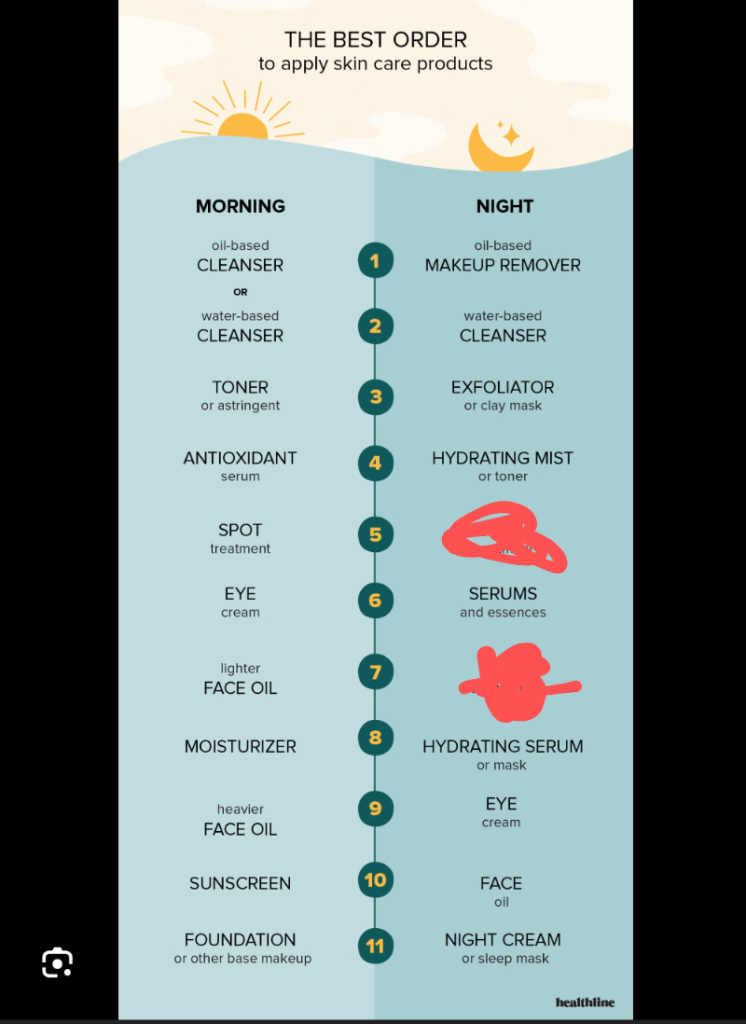
Are you tired of feeling overwhelmed every time you look at the plethora of skincare products on your bathroom shelf? You’re not alone.
With countless serums, moisturizers, and toners promising miraculous results, it’s easy to get lost in the chaos. But here’s the secret: the order of your skincare routine can make all the difference. Imagine waking up each day with radiant, glowing skin, knowing exactly what to apply and when.
In this guide, you’ll discover the foolproof sequence that maximizes the benefits of each product, ensuring your skin gets the ultimate care it deserves. Ready to transform your skincare routine into a seamless ritual? Let’s dive in and unravel the mysteries of perfect skin.

Credit: lucybee.com
Morning Skincare Steps
Starting your day with the right skincare routine sets the tone for healthy skin. Morning skincare helps remove overnight oils and prepares your skin for the day. It boosts hydration and protects against environmental damage. Follow these steps to keep your skin fresh and glowing.
Cleansing Techniques
Use a gentle cleanser to wash your face each morning. This removes dirt and excess oils without stripping moisture. Choose a cleanser suited to your skin type. Use lukewarm water and soft circular motions to cleanse. Rinse thoroughly and pat dry with a clean towel.
Toning Benefits
Toner balances your skin’s pH and tightens pores. It removes leftover impurities after cleansing. Apply toner with a cotton pad or your hands. Look for hydrating ingredients like glycerin or rose water. Avoid alcohol-based toners that can dry out skin.
Serum Selection
Serums deliver active ingredients deep into the skin. Pick a serum based on your skin needs. Vitamin C serums brighten skin and fight free radicals. Hyaluronic acid serums boost hydration and plump skin. Apply a few drops and gently pat onto your face.
Moisturizing Tips
Moisturizer locks in hydration and keeps skin soft. Use a lightweight moisturizer in the morning. Look for ingredients like ceramides and peptides. Apply moisturizer evenly to face and neck. Allow it to absorb fully before the next step.
Sunscreen Application
Sunscreen protects skin from harmful UV rays. Use broad-spectrum sunscreen with at least SPF 30 daily. Apply sunscreen as the last step in your routine. Cover all exposed skin, including ears and neck. Reapply every two hours if outdoors for long periods.

Credit: www.bellinispdx.com
Evening Skincare Routine
The evening skincare routine cleanses and nourishes your skin after a long day. It removes dirt, makeup, and impurities. This routine helps skin repair and stay healthy overnight. Follow these simple steps to get the best results.
Makeup Removal
Start by removing all makeup gently. Use a makeup remover or micellar water on a cotton pad. Avoid rubbing your skin hard. This step clears surface makeup and prepares skin for cleansing.
Double Cleansing Method
Cleanse your face twice for a deep clean. Use an oil-based cleanser first to dissolve oils and impurities. Follow with a water-based cleanser to wash away sweat and dirt. This method ensures a fresh and clean face.
Night Serums And Treatments
Apply serums or treatments next. Night serums often contain ingredients like retinol or peptides. These help repair skin and boost collagen. Use a small amount and spread evenly on your face.
Moisturizing For Night
Use a richer moisturizer for nighttime. Night creams hydrate and nourish skin deeply. They lock in moisture and help skin restore while you sleep. Choose a product suited for your skin type.
Eye Cream Usage
Gently apply eye cream around the eyes. This area is delicate and needs extra care. Eye creams reduce puffiness and fine lines. Use your ring finger for a light touch to avoid irritation.
Special Treatments And Masks
Special treatments and masks play a crucial role in enhancing your skincare routine. They target specific concerns that daily cleansing and moisturizing might miss. Knowing when and how to use them can make a noticeable difference in your skin’s health and appearance.
Exfoliation Frequency
Exfoliation removes dead skin cells and helps your skin absorb products better. But how often should you exfoliate? For most skin types, exfoliating 2-3 times a week is enough to keep your skin smooth without causing irritation.
If you have sensitive skin, try exfoliating once a week using a gentle product. Over-exfoliating can lead to redness, dryness, and even breakouts, so pay attention to how your skin reacts. Have you noticed your skin feeling tight or sore after exfoliating? That’s a sign to cut back.
Types Of Face Masks
Face masks come in many forms, each serving a different purpose. Clay masks are great for oily or acne-prone skin because they draw out impurities. Hydrating masks, like sheet masks or cream masks, add moisture and soothe dry skin.
Some masks contain ingredients like charcoal or vitamins to brighten your complexion or reduce inflammation. It’s helpful to pick masks based on what your skin needs that day. Think about your skin’s mood before choosing a mask—does it feel oily, dry, or tired?
Spot Treatments
Spot treatments are designed to target individual blemishes quickly and effectively. They usually contain ingredients like salicylic acid or benzoyl peroxide to reduce inflammation and clear pores.
Apply spot treatments only to the affected areas to avoid drying out the surrounding skin. If you’ve ever used a spot treatment overnight and woke up with reduced redness, you know how powerful these products can be. Are you using yours in the right order during your routine? Typically, spot treatments go on after cleansing and before moisturizing.
When To Use Peels
Chemical peels help remove dead skin layers and promote cell turnover. They can improve texture, tone, and even reduce fine lines. But peels are strong and shouldn’t be used daily.
Most people benefit from using a peel once every 1-2 weeks. Always follow the instructions carefully and avoid combining peels with other strong treatments like retinoids or exfoliants on the same day. Have you noticed your skin becoming sensitive after a peel? That’s a cue to space out your treatments more.
Credit: www.lemon8-app.com
Customizing Your Routine
Customizing your skincare routine helps achieve the best results for your skin. Everyone’s skin is different and needs unique care. Adjusting your routine based on your skin type, season, and concerns makes a big difference. A personalized approach keeps your skin healthy and glowing.
Skin Type Considerations
Identify your skin type to choose the right products. Oily skin benefits from lightweight, oil-free formulas. Dry skin needs rich moisturizers to prevent flaking. Combination skin works well with balancing products. Sensitive skin requires gentle, fragrance-free options. Tailoring your routine to your skin type avoids irritation and improves effectiveness.
Seasonal Adjustments
Skin changes with the seasons and needs different care. In winter, use heavier creams to fight dryness. Summer calls for lighter lotions and strong sun protection. Spring and fall might need moderate hydration and exfoliation. Adjusting your routine helps maintain skin balance all year round.
Addressing Common Skin Concerns
Focus on specific skin issues to improve your routine. For acne, include gentle cleansers and spot treatments. Hyperpigmentation needs brightening ingredients and sunscreen. Aging skin benefits from antioxidants and hydration boosters. Customize your steps to target your main concerns for clearer, healthier skin.
Common Mistakes To Avoid
Many people make mistakes while following their skincare routine. These errors can reduce the benefits of your products. Avoiding these mistakes keeps your skin healthy and glowing. Here are some common mistakes to watch out for.
Over-exfoliating
Exfoliating removes dead skin cells and clears pores. But doing it too often can harm your skin. Over-exfoliating causes redness, dryness, and irritation. It can also weaken your skin’s barrier. Use gentle exfoliants and limit exfoliation to 2-3 times per week.
Skipping Sunscreen
Sunscreen protects skin from harmful UV rays. Skipping sunscreen increases risk of sunburn and premature aging. Always apply sunscreen last in your skincare routine. Use it daily, even on cloudy days or indoors near windows.
Layering Products Incorrectly
Applying products in the wrong order can stop them from working well. Start with light, water-based products like toners or serums. Follow with heavier creams and oils. Let each product absorb before adding the next. This helps ingredients penetrate and work better.
Tips For Best Results
Getting the best results from your skincare routine isn’t just about the products you choose. How you use them daily matters just as much. Small habits can make a huge difference in how your skin looks and feels over time.
Consistency Importance
Using your skincare products at the same time every day helps your skin adjust and respond better. Skipping days or mixing up the order can reduce effectiveness and slow down progress.
Think about the last time you were inconsistent. Did your skin react differently? Staying consistent lets your skin build tolerance and shows clearer improvements faster.
Product Storage
Where you keep your skincare products can affect how well they work. Heat, light, and humidity can break down active ingredients, making them less effective.
Store your products in a cool, dry place away from direct sunlight. For example, keeping vitamin C serum in the fridge can keep it fresh longer and preserve its potency.
Patch Testing
Before adding a new product to your routine, test it on a small patch of skin. This simple step helps you avoid allergic reactions or irritation.
Apply a small amount on your wrist or behind your ear and wait 24 hours. If you notice redness, itching, or swelling, it’s best to skip that product or consult a dermatologist.
Frequently Asked Questions
What Is The Correct Order Of A Skincare Routine?
The correct order is cleanser, toner, serum, moisturizer, and sunscreen. This sequence helps maximize product absorption and skin benefits.
Should Sunscreen Be Applied Last In Skincare?
Yes, sunscreen should always be the last step. It protects skin from harmful UV rays and prevents damage.
Can I Apply Serum Before Moisturizer?
Yes, applying serum before moisturizer allows active ingredients to penetrate deeply. Moisturizer then locks in hydration and nutrients.
How Often Should I Follow My Skincare Routine?
Follow your skincare routine twice daily: morning and night. Consistency is key for healthy and glowing skin.
Conclusion
Following the right order in your skincare routine helps your skin stay healthy. Cleanse first to remove dirt and oil. Apply toner next to balance your skin. Use serums or treatments to target issues. Finish with moisturizer to lock in hydration.
Sunscreen protects your skin from sun damage. Stick to this simple order daily. Your skin will look clearer and feel softer. Small steps make a big difference over time. Consistency matters more than fancy products. Keep it easy and enjoy your glowing skin!