Caring for your black infant’s hair can feel overwhelming, especially if you’re unsure where to start. You want to keep their hair healthy, soft, and strong, but the right products and techniques might not be obvious.
What if you had simple, effective tips that make hair care easier and more enjoyable for both you and your baby? You’ll discover easy ways to nurture your little one’s hair, avoid common mistakes, and create a gentle routine that works.
Keep reading to unlock the secrets to beautiful, healthy hair for your black infant.
Hair Characteristics Of Black Infants
Understanding the unique hair characteristics of Black infants is key to nurturing healthy hair from the very beginning. Their hair texture and growth patterns are distinct, which means your care routine should be tailored carefully. Knowing these traits helps you avoid common pitfalls and supports your baby’s scalp and hair health effectively.
Texture And Growth Patterns
Black infant hair usually grows in tight curls or coils. These curls may appear soft but are often delicate and prone to dryness. Unlike straighter hair types, Black infant hair grows in a spiral pattern that can make it seem slower to grow.
You might notice some areas where hair grows more densely and others where it is sparser—this is normal. The scalp’s natural oils have a harder time traveling down the curly strands, which means the hair needs extra moisture. Paying attention to this can help you keep your baby’s hair hydrated and soft.
Common Hair Challenges
One challenge you may face is hair breakage caused by dryness and tangling. The tight curls tend to knot easily, so gentle detangling is essential. Using a wide-tooth comb or your fingers can reduce breakage and make the process more comfortable for your baby.
Another common issue is cradle cap, a flaky scalp condition that can be frustrating to manage. Regular scalp cleansing and gentle moisturizing help prevent this. You may also see uneven hair growth, which can worry parents but is usually temporary and resolves over time.
Have you noticed your baby’s hair feeling brittle or looking patchy? These signs call for a closer look at your hair care routine. Adjusting products and methods to suit your infant’s specific hair needs can make a big difference in their hair’s health and appearance.
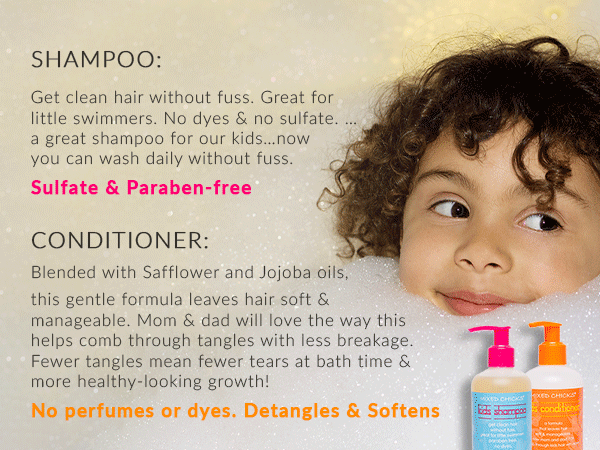
Credit: www.prwe.com
Choosing The Right Products
Choosing the right products for Black infant hair care is essential for healthy growth. Babies’ hair is delicate and needs gentle, nourishing ingredients. Using the correct products keeps hair soft, moisturized, and prevents damage.
Parents should pick items that hydrate without harsh chemicals. Products must protect the scalp and support natural hair texture. It is best to choose options with natural oils and mild cleansers.
Moisturizers And Oils
Moisturizers and oils keep hair hydrated and soft. Look for products with natural ingredients such as:
- Shea butter
- Coconut oil
- Jojoba oil
- Olive oil
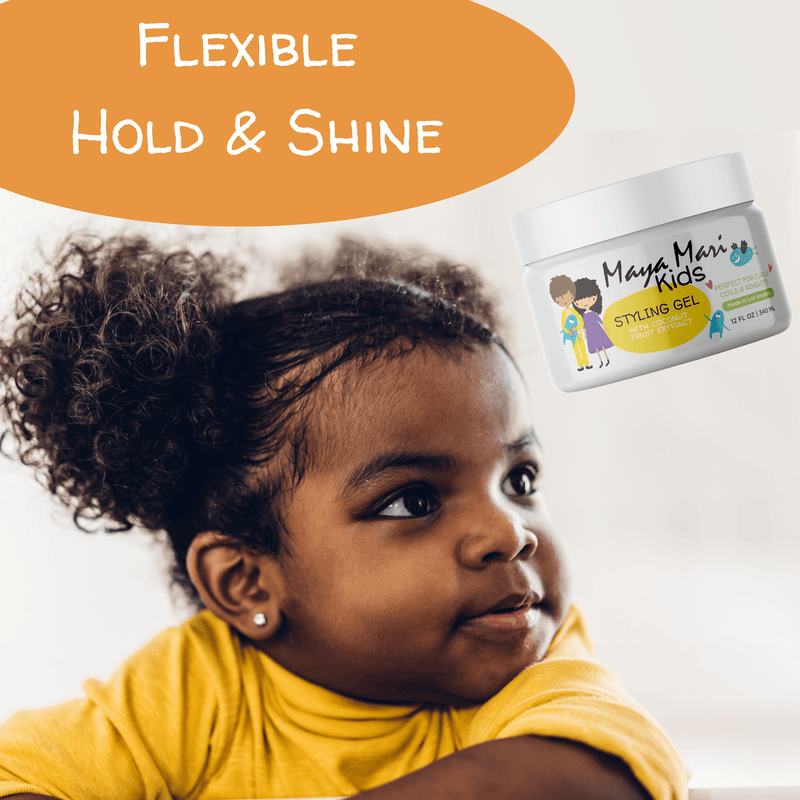
These oils help seal moisture and protect fragile hair strands. Avoid heavy creams that can clog pores or cause buildup. Lightweight formulas work well for daily use. Apply moisturizers gently to avoid pulling on the scalp.
Gentle Shampoos And Conditioners
Shampoos and conditioners for infants must be mild and tear-free. Choose sulfate-free shampoos that cleanse without stripping natural oils. Conditioners should soften hair and make detangling easier. Ingredients like aloe vera and chamomile soothe the scalp. Avoid products with artificial fragrances or dyes. Use these products sparingly to maintain the hair’s natural balance.
Daily Hair Care Routine
Creating a daily hair care routine for your Black infant sets the foundation for healthy hair growth and comfort. Daily care involves gentle handling and consistent attention to moisture and cleanliness. It’s about understanding your baby’s unique hair needs and responding with simple, loving steps that protect and nurture their delicate strands.
Detangling Techniques
Detangling your baby’s hair can feel challenging, but it doesn’t have to be stressful for either of you. Use a wide-tooth comb or your fingers to gently work through knots, starting from the ends and moving up toward the scalp. This approach reduces breakage and pain.
Apply a leave-in conditioner or natural oil to soften the hair before detangling. This makes the process smoother and helps retain moisture. If you notice any tight knots, pause and use your fingers to carefully separate them instead of pulling hard.
Have you tried detangling after a bath when the hair is damp? Many parents find it easier because the moisture relaxes curls and reduces tangles.
Scalp Care Tips
Your infant’s scalp deserves as much care as their hair strands. Use a gentle, sulfate-free shampoo to clean the scalp without stripping natural oils. Washing just 1-2 times a week is often enough to keep it fresh without drying.
Massage the scalp with your fingertips during shampooing to boost circulation and soothe your baby. This simple act can also help in reducing cradle cap, a common condition in infants.
After washing, lightly oil the scalp with natural oils like jojoba or coconut to lock in moisture. Avoid heavy products that can clog pores or irritate sensitive skin.
Do you pay attention to your baby’s scalp reactions after products? Watching for redness or dryness helps you adjust the care routine quickly.

Credit: boogieandbeankidcare.com
Protective Hairstyles For Infants
Protective hairstyles are gentle ways to style an infant’s hair. They help keep hair safe from damage and breakage. Choosing the right styles can protect delicate strands and promote healthy growth. These hairstyles also make daily care easier for parents and caregivers.
Safe Styles To Minimize Breakage
Soft twists and loose braids protect infant hair without pulling. Small ponytails with gentle hair ties prevent stress on the scalp. Using silk or satin-lined headbands helps reduce friction and keeps hair smooth. Avoid heavy accessories that can weigh down the hair and cause breakage.
- Loose twists
- Soft braids
- Small ponytails with soft bands
- Satin or silk headbands
When To Avoid Tight Hairstyles
Tight hairstyles can cause pain and damage to fragile infant hair. Avoid styles that pull the scalp or create tension. Skip tight braids, ponytails, or buns that leave red marks. Watch for signs of discomfort or hair loss around the hairline. Changing hairstyles often helps prevent stress on hair roots.
Common Hair Care Mistakes To Avoid
Taking care of black infant hair requires patience and the right approach. Many parents make mistakes that can harm delicate hair and scalp. Avoiding these errors ensures your baby’s hair stays healthy and soft. Understanding common pitfalls helps you protect your child’s natural curls.
Overwashing And Dryness
Washing hair too often strips away natural oils. These oils keep the scalp moist and hair soft. Overwashing can cause dryness, itchiness, and breakage. Babies with black hair need gentle care and less frequent washing. Aim for washing once or twice a week using mild shampoo. Always follow up with a moisturizing conditioner to keep hair hydrated.
Using Harsh Chemicals
Harsh chemicals can damage fragile infant hair and scalp. Many adult hair products contain sulfates, parabens, and alcohol. These ingredients dry out hair and cause irritation. Never use relaxers, dyes, or strong styling products on baby hair. Choose natural and gentle products made specifically for infants. Always read labels to avoid harmful substances. Protecting your baby’s hair means choosing safe and nourishing care.
Nutrition And Its Impact On Hair Health
Nutrition plays a crucial role in the health of your Black infant’s hair. The right nutrients support strong, shiny, and growing hair from the inside out. By focusing on what your baby eats and drinks, you can create a foundation for healthy hair development that lasts.
Foods That Promote Hair Growth
Your baby’s diet should include foods rich in vitamins and minerals that boost hair growth. Nutrients like iron, zinc, and vitamins A, C, and E are essential. These help strengthen hair follicles and improve scalp health.
- Sweet potatoes:Loaded with beta-carotene, which the body converts to vitamin A, supporting scalp health.
- Spinach:Packed with iron and folate, crucial for healthy cell growth and hair strength.
- Eggs:A great source of protein and biotin, both vital for hair growth.
- Avocados:Full of healthy fats and vitamin E, which help maintain moisture in hair strands.
- Oats:Contain zinc and omega-3 fatty acids that nourish hair follicles.
Have you noticed how a well-balanced meal seems to reflect in your baby’s hair texture and shine? It’s no coincidence. These foods build the foundation for hair that’s not only beautiful but strong and resilient.
Hydration Importance
Water is often overlooked but is just as important as food for your infant’s hair health. Hydrated hair is less prone to dryness and breakage. It also helps maintain the scalp’s natural oils, which protect and nourish hair.
Ensuring your baby gets enough fluids each day keeps their hair soft and manageable. If your infant is breastfed, rest assured that breast milk provides vital hydration. For older babies, offering water throughout the day supports overall moisture balance.
Think about your own hair—does it feel dry or brittle when you skip water? Your baby’s hair reacts similarly. Keeping hydration in check is a simple step with powerful results.
When To Seek Professional Help
Knowing when to seek professional help for your black infant’s hair care is important. Babies’ scalps and hair need gentle care, but some issues require expert attention. Early action can prevent discomfort and promote healthy hair growth.
Parents should watch for unusual signs and understand which specialist can provide the best care. Professional guidance ensures safe and effective treatment tailored for infants.
Signs Of Hair Or Scalp Issues
- Redness or swelling on the scalp
- Persistent dryness or flaking that doesn’t improve
- Hair loss patches or thinning areas
- Scalp sores or open wounds
- Excessive itching or discomfort for the baby
- Unusual bumps, lumps, or crusty spots
- Foul odor coming from the scalp
- Scalp infections or signs of fungus
Choosing A Pediatric Hair Specialist
Look for a pediatric dermatologist or trichologist with infant experience. They understand delicate scalp needs and hair texture. Check their credentials and reviews from other parents.
Ask about their approach to treating common infant scalp problems. A gentle, safe method is essential for young children. Schedule a consultation if uncertain about your baby’s hair condition.
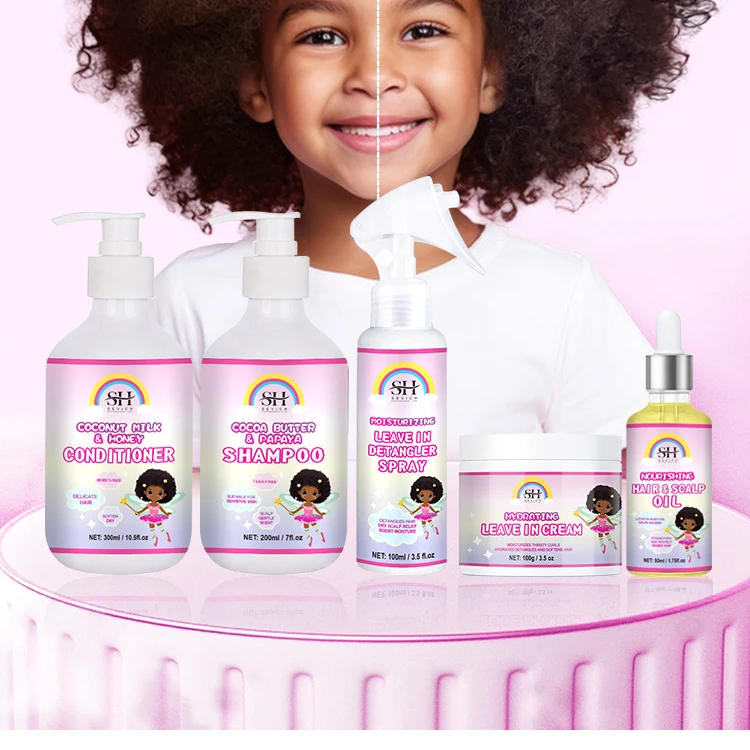
Credit: www.alibaba.com
Frequently Asked Questions
How Often Should I Wash My Black Infant’s Hair?
Wash your Black infant’s hair once a week or every two weeks. Frequent washing can dry out delicate scalp and hair. Use a gentle sulfate-free shampoo and conditioner to maintain moisture and softness.
What Products Are Best For Black Infant Hair Care?
Choose natural, moisturizing products like shea butter, coconut oil, and aloe vera. Avoid harsh chemicals and sulfates. These ingredients nourish curls and prevent dryness, ensuring healthy hair growth for your baby.
How Do I Detangle Black Infant Hair Safely?
Use a wide-tooth comb or your fingers to detangle hair gently. Start from the ends and work upward to the roots. Apply a leave-in conditioner or oil to soften hair and reduce breakage.
Can I Style My Black Infant’s Hair Daily?
Yes, but keep styles simple and gentle. Avoid tight hairstyles that pull on the scalp. Daily moisturizing and protective styles help maintain healthy hair and prevent damage.
Conclusion
Caring for black infant hair requires gentle and consistent attention. Choose products that are safe and nourishing. Regular moisturizing helps maintain softness and strength. Avoid tight styles to protect delicate hair and scalp. Patience is key in managing your baby’s natural hair journey.
Encourage healthy habits early for lasting benefits. Share your experiences with other parents for support. Celebrate your baby’s unique hair and beauty every day.
