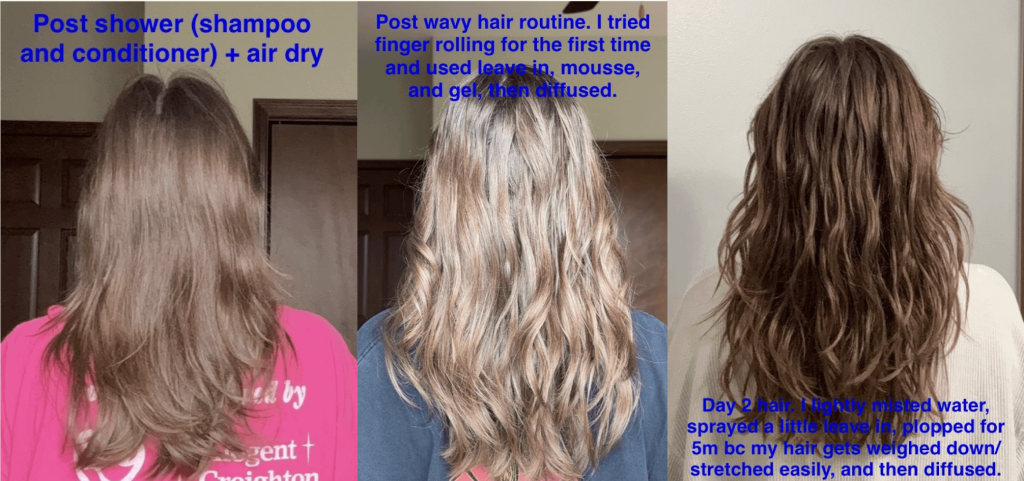
Is your hair feeling dry, brittle, and lifeless? You’re not alone, and the good news is that you don’t have to live with it.
A simple, effective dry hair care routine can transform your strands from dull to dazzling. Imagine running your fingers through soft, smooth hair every day—sounds amazing, right? Keep reading to discover easy steps you can start today to bring moisture back and give your hair the care it truly deserves.
Your best hair days are just around the corner.
Causes Of Dry Hair
Dry hair is a common problem that affects many people. It often feels rough, brittle, and looks dull. Understanding the causes helps in choosing the right care routine. Several factors contribute to dry hair, from outside elements to internal health issues.
Environmental Factors
Sun exposure can strip hair of its natural oils. Cold, dry air also removes moisture from the hair strands. Pollution adds dirt and toxins that weaken hair. Wind causes tangling and breakage, making hair dry and fragile.
Heat Styling Damage
Using flat irons, curling wands, or blow dryers often damages hair. High temperatures break down the hair’s protein and moisture. Frequent heat styling leads to split ends and dryness. Lack of heat protection products worsens the damage.
Chemical Treatments
Hair coloring, bleaching, and perming change hair structure. These chemicals strip natural oils and moisture. Overuse of treatments weakens hair and causes dryness. Chemicals can also cause scalp irritation, affecting hair health.
Nutritional Deficiencies
Poor diet affects hair quality and moisture. Lack of vitamins like A, E, and biotin harms hair growth. Insufficient protein intake weakens hair strands. Drinking little water reduces overall hair hydration.
Credit: traya.health
Choosing The Right Shampoo
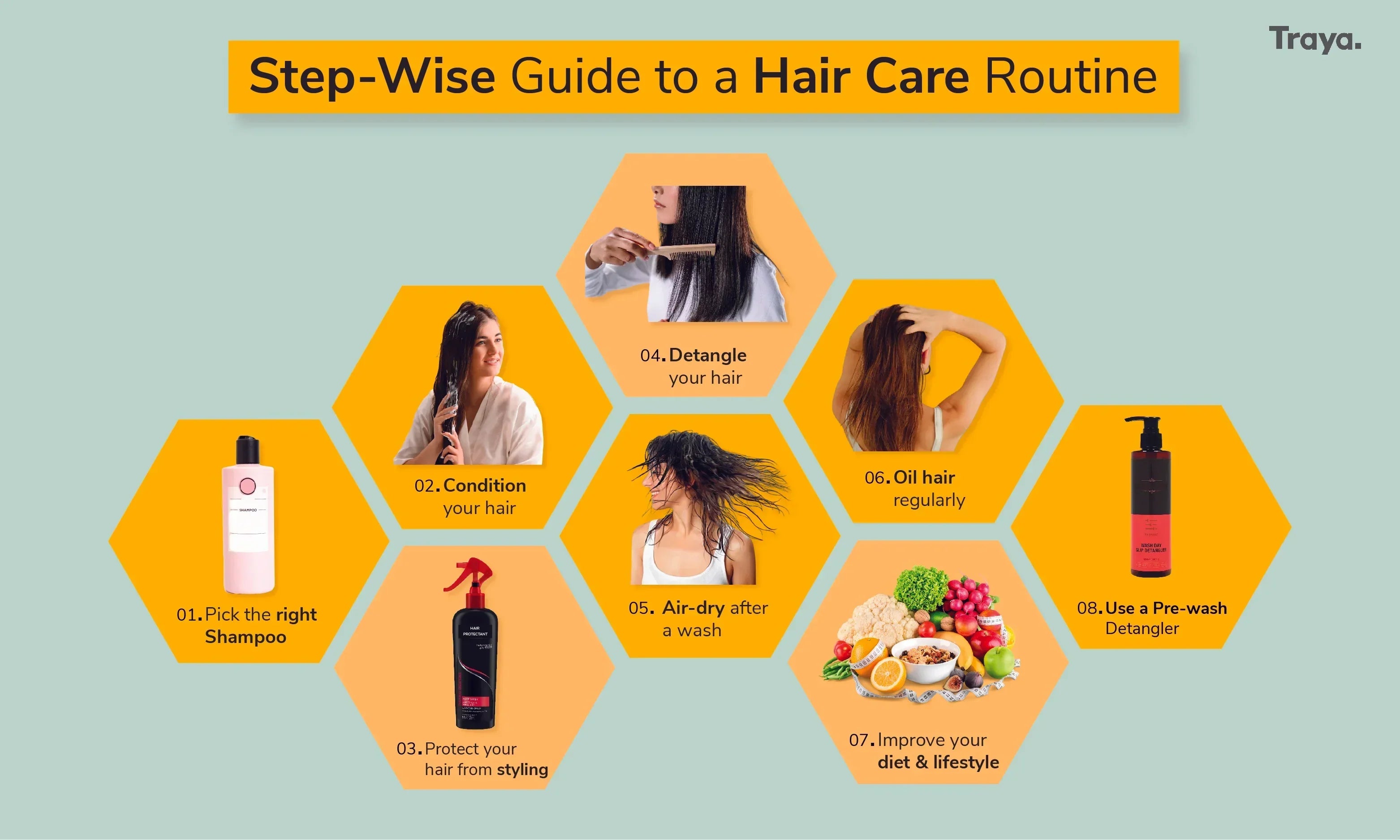
Choosing the right shampoo is key for dry hair care. The right product cleans without stripping natural oils. It adds moisture and protects hair from damage. Picking a shampoo made for dry hair helps keep strands soft and healthy.
Sulfate-free Options
Sulfates create a strong lather but can dry out hair. Sulfate-free shampoos gently cleanse and keep moisture intact. These options reduce scalp irritation and prevent frizz. They suit dry, brittle hair well. Look for labels that say “sulfate-free” to protect your hair’s natural oils.
Moisturizing Ingredients
Shampoos with moisturizing ingredients nourish dry hair deeply. Key ingredients include:
- Aloe vera for hydration
- Coconut oil for softness
- Shea butter for smoothness
- Glycerin to lock in moisture
These ingredients help restore moisture balance. They leave hair feeling silky and strong.
Frequency Of Washing
Washing hair too often strips natural oils. Dry hair needs less frequent washing to stay healthy. Washing 2-3 times a week is ideal. Use dry shampoo between washes to keep hair fresh. Adjust frequency based on scalp oiliness and activity level.
Conditioning Techniques
Conditioning plays a crucial role in managing dry hair. It helps restore moisture, soften strands, and reduce breakage. Choosing the right techniques can make a big difference in how your hair looks and feels every day.
Deep Conditioning Treatments
Deep conditioning treatments give your hair an intense moisture boost. Use a rich conditioner or hair mask once a week and leave it on for 20-30 minutes. You can even cover your hair with a warm towel to help the product soak in better.
Look for ingredients like shea butter, coconut oil, or argan oil in your treatment. These nourish dry strands and improve elasticity. Have you noticed how your hair feels softer and more manageable after a deep treatment?
Leave-in Conditioners
Leave-in conditioners keep your hair hydrated throughout the day. Apply a small amount to damp hair, focusing on the ends where dryness is most common. They create a protective layer that locks in moisture and smooths frizz.
Choose a lightweight formula to avoid weighing your hair down. If you struggle with static or flyaways, a leave-in conditioner can be a game changer. Are you ready to replace heavy creams with something that feels light but powerful?
Diy Hair Masks
Making your own hair mask can be simple and effective. Ingredients like honey, avocado, and olive oil are fantastic natural moisturizers. Mix them together and apply to your hair, leaving it for 15-20 minutes before rinsing.
DIY masks let you customize treatments based on your hair’s needs. Plus, they’re a budget-friendly way to pamper yourself. What natural ingredients do you already have at home that could work as a nourishing hair mask?

Credit: www.lorealparisusa.com
Protecting Hair From Damage
Protecting hair from damage is key to keeping dry hair healthy and strong. Hair can become weak from everyday habits and environmental stress. Taking simple steps helps maintain moisture and prevent breakage. Consistent care supports smooth, shiny hair.
Heat Protection Products
Heat tools like straighteners and curling irons can dry out hair. Heat protection sprays and serums create a barrier on hair strands. These products reduce damage by lowering the temperature impact. Always apply heat protectant before styling for best results.
Limiting Heat Styling
Frequent heat styling weakens hair over time. Give hair breaks by choosing air drying or low-heat settings. Try hairstyles that need no heat, like braids or buns. Less heat means less damage and more natural shine.
Using Gentle Hair Accessories
Rough hair ties and clips cause pulling and breakage. Choose soft, stretchy bands or scrunchies to hold hair gently. Avoid metal clips or tight elastics that snag hair. Gentle accessories protect hair strands and reduce split ends.
Daily Hair Care Habits
Daily hair care habits form the foundation of healthy, hydrated hair. Caring for dry hair requires gentle and consistent practices. Small changes in your routine can help prevent breakage and add moisture. Focus on simple steps to maintain softness and shine every day.
Proper Brushing Methods
Use a wide-tooth comb or a brush with soft bristles. Start brushing from the ends and work up to the roots. Avoid pulling or tugging on knots to prevent hair damage. Brush hair gently when it is dry to reduce breakage. Regular brushing helps distribute natural oils along the hair shaft.
Avoiding Overwashing
Wash hair only two to three times per week to retain moisture. Overwashing strips natural oils that protect your hair. Use a mild, sulfate-free shampoo designed for dry hair. Between washes, rinse hair with water or use a dry shampoo. This approach helps keep hair hydrated and less frizzy.
Scalp Care Tips
Massage your scalp daily to boost blood flow and encourage growth. Use natural oils like coconut or jojoba for scalp hydration. Avoid scratching or using harsh products that cause irritation. Keep the scalp clean but not overly dry. Healthy scalp care supports strong, nourished hair from root to tip.
Nutrition For Healthy Hair
Nutrition plays a crucial role in keeping your hair healthy and preventing dryness. What you eat directly affects your hair’s strength, shine, and moisture levels. Paying attention to your diet can make a noticeable difference in the texture and overall condition of your hair.
Essential Vitamins And Minerals
Your hair needs specific vitamins and minerals to stay healthy and hydrated.
- Vitamin A:Helps produce sebum, the natural oil that keeps hair moisturized.
- Vitamin E:Improves blood circulation to the scalp, promoting hair growth and hydration.
- Biotin (Vitamin B7):Strengthens hair and prevents breakage.
- Iron:Supports oxygen delivery to hair follicles, reducing dryness and hair loss.
- Zinc:Helps repair damaged hair and maintain oil glands around follicles.
Have you checked if your diet includes these nutrients regularly? Adding them can improve how your hair feels and looks in just a few weeks.
Hydration And Hair Health
Drinking enough water is just as important as eating the right foods. Hydration helps your hair cells stay plump and flexible, reducing brittleness and dryness.
If you notice your hair feels brittle or breaks easily, ask yourself: are you drinking enough fluids daily? Many overlook water intake, but it’s a simple fix that impacts hair moisture from the inside out.
Foods That Promote Moisture
Some foods naturally boost hair moisture and shine by supplying healthy fats and antioxidants.
- Avocados – Rich in vitamin E and healthy fats, they nourish hair from root to tip.
- Salmon – Packed with omega-3 fatty acids that keep your scalp hydrated.
- Nuts and seeds – Provide essential fatty acids and zinc that support scalp health.
- Sweet potatoes – Loaded with beta-carotene, which your body turns into vitamin A.
Next time you plan your meals, consider including these foods to help your hair stay soft and manageable. Could changing what you eat be the secret to healthier hair?
Professional Treatments
Dry hair can be stubborn and tricky to manage at home. Sometimes, your hair needs more than just a good shampoo or conditioner. Professional treatments offer targeted solutions that deliver deep nourishment and long-lasting moisture.
Salon Moisturizing Services
Salon moisturizing treatments are designed to penetrate your hair deeply. These services often use rich masks and oils that restore moisture lost from daily damage or environmental factors.
When I tried a salon moisturizing treatment, my hair felt instantly softer and looked shinier for weeks. The key is that professionals use products with higher concentrations of hydrating ingredients than what you find in stores.
Consider booking a moisturizing service if your hair is brittle or rough to touch. These treatments can also help reduce frizz and improve manageability.
Keratin Treatments
Keratin treatments smooth and strengthen dry hair by adding a protective protein layer. This can reduce breakage and make your hair feel silkier.
Unlike quick fixes, keratin treatments last several weeks, so you don’t have to worry about daily styling struggles. Plus, they help seal in moisture, which is essential for dry strands.
Ask your stylist about keratin if your hair is prone to frizz or feels straw-like. It can transform your hair texture and save time on styling.
When To Seek Expert Help
Not all dry hair problems can be fixed with home care. If your hair feels extremely damaged, breaks easily, or shows signs of scalp issues, it’s time to see a professional.
Experts can diagnose underlying issues and recommend personalized treatments. They also guide you on the best products and routines to keep your hair healthy long term.
Think about your last hair appointment—did your stylist notice signs of dryness or damage? If not, scheduling a consultation could be the next step to revive your hair’s health.
Credit: www.lemon8-app.com
Frequently Asked Questions
What Causes Hair To Become Dry And Brittle?
Dry hair results from moisture loss, often due to over-washing, heat styling, or harsh chemicals. Environmental factors like sun exposure and cold weather also contribute. Lack of natural oils weakens hair, making it brittle and prone to breakage. Proper care restores moisture and strengthens hair strands.
How Often Should I Wash Dry Hair?
Washing dry hair 1-2 times a week is ideal. Frequent washing strips natural oils, worsening dryness. Use mild, sulfate-free shampoos to protect moisture. Between washes, dry shampoo can refresh hair without over-drying. Proper washing frequency maintains scalp health and hair hydration.
What Are The Best Products For Dry Hair Care?
Look for moisturizing shampoos, conditioners, and deep conditioners rich in natural oils like argan, coconut, or jojoba. Leave-in conditioners and hair masks add extra hydration. Avoid products with sulfates and alcohol, as they dry out hair further. Regular use improves softness and shine.
Can Diet Impact Dry Hair Health?
Yes, a balanced diet with vitamins A, C, D, E, and omega-3 fatty acids promotes healthy hair. Protein intake supports hair strength. Hydration is essential for scalp and hair moisture. Nutrient-rich foods help repair damage and maintain natural shine, reducing dryness over time.
Conclusion
Achieving healthy hair takes time and care. Consistent routines make a difference. Use moisturizing shampoos and conditioners regularly. Avoid harsh chemicals and heat styling tools. Opt for natural oils to nourish and hydrate. Regular trims prevent split ends. Always protect hair from extreme weather.
Stay hydrated and maintain a balanced diet. Healthy habits reflect on hair. Patience and persistence are key. Every small step counts towards healthier hair. Remember, everyone’s hair is unique. Find what works best for you. Keep experimenting and adjusting. Your hair will thank you!
