
Imagine if a simple pill could turn back the clock on aging. It sounds like science fiction, but metformin, a common diabetes medication, is gaining attention for its potential anti-aging benefits.
You might be wondering how this could be true and what the ideal dosage might be for such a remarkable effect. In this blog post, you’ll discover the intriguing science behind metformin as an anti-aging powerhouse, and learn about the dosage that could help unlock its age-defying potential.
Stay with us as we explore how you can harness the power of metformin to potentially improve not just your lifespan, but your healthspan too.
Metformin And Aging
Metformin, a drug commonly used to treat type 2 diabetes, has caught the attention of many for its potential anti-aging benefits. People curious about extending their healthspan often ask if metformin could be a key player in slowing down the aging process. Understanding how metformin interacts with your body on a cellular level can help you make informed decisions about its use in anti-aging.
How Metformin Works
Metformin primarily lowers blood sugar by reducing glucose production in the liver and improving insulin sensitivity. This helps your body use energy more efficiently and keeps blood sugar levels stable. But beyond this, metformin influences key pathways linked to aging, such as AMPK activation, which acts like a cellular energy sensor.
Activating AMPK helps your cells manage energy better and can reduce harmful processes like inflammation and oxidative stress. Think of it as a way to boost your cells’ natural maintenance systems, potentially slowing down damage that accumulates with age.
Effects On Cellular Health
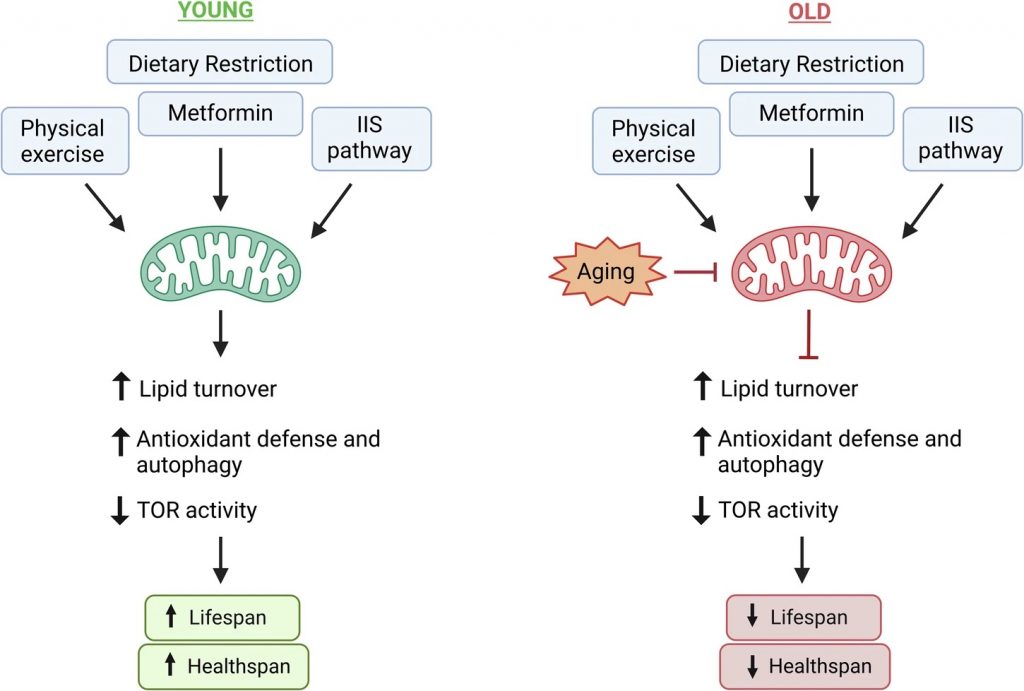
At the cellular level, metformin supports healthier mitochondria, the powerhouses of your cells. Healthier mitochondria mean better energy production and less cellular wear and tear. Metformin also helps reduce the buildup of senescent cells—old cells that no longer function well and may contribute to aging.
Reducing these senescent cells can improve tissue repair and reduce chronic inflammation, which is often linked with age-related diseases. Have you considered how supporting your cells’ health might impact your overall vitality as you age?
Research On Longevity
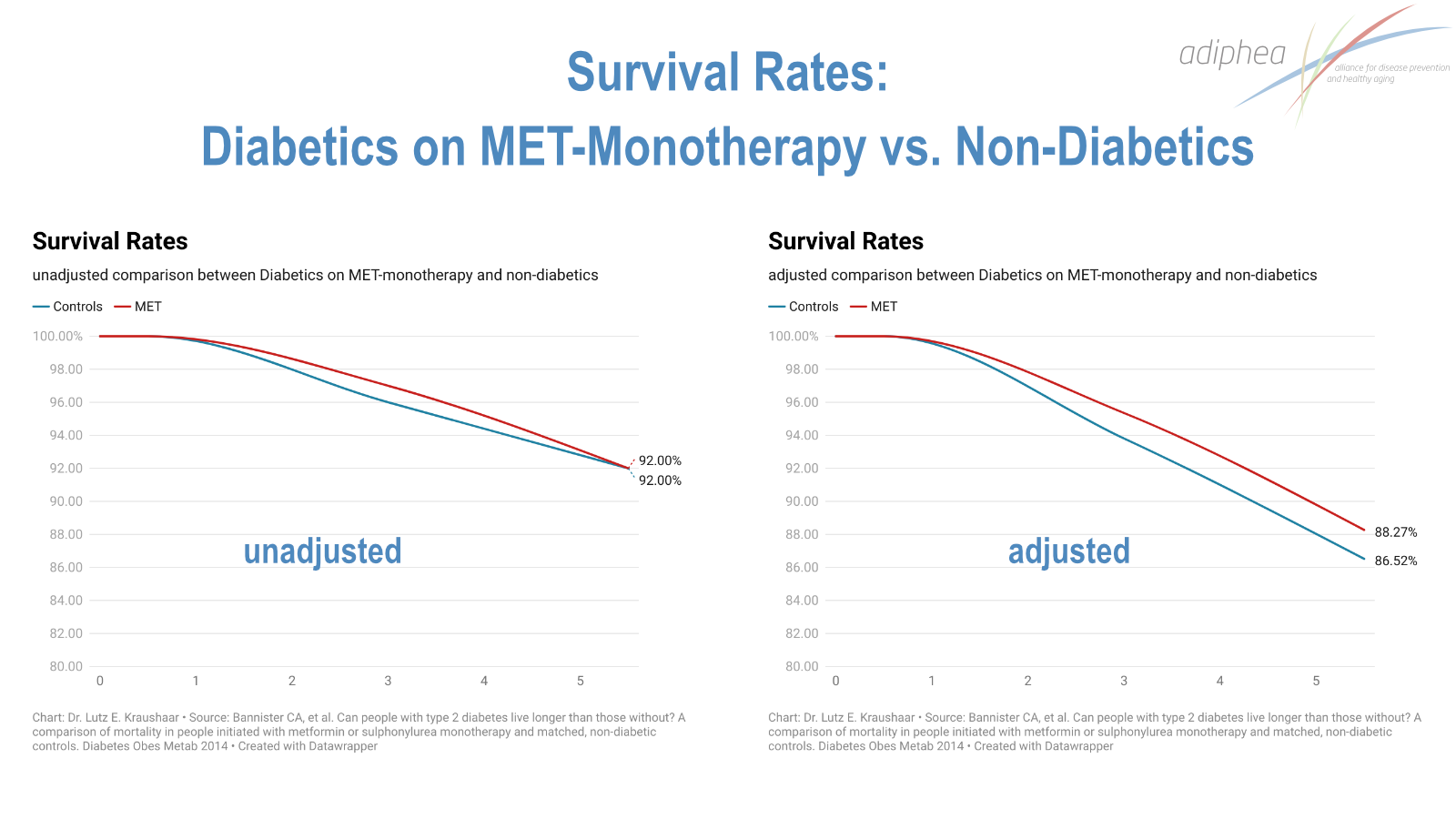
Studies on animals have shown that metformin can extend lifespan and delay the onset of age-related diseases. Some human observational studies suggest similar benefits, especially in people with diabetes who take metformin compared to those who don’t.
However, the exact dosage for anti-aging in humans is still under investigation, and it’s important to approach this carefully. Would you be comfortable discussing with your healthcare provider whether metformin fits into your personal aging strategy?
Optimal Dosage For Anti-aging
Finding the right metformin dosage for anti-aging is crucial. The optimal dose maximizes benefits while minimizing side effects. Dosage varies by individual health, age, and tolerance. Careful adjustment helps balance effectiveness and safety. Understanding common dosage ranges and age considerations guides better decisions.
Common Dosage Ranges
Metformin doses for anti-aging usually start low. Typical daily amounts range from 500 mg to 1500 mg. Some studies use doses around 1000 mg daily. The goal is to maintain steady blood levels without causing discomfort. Starting with a low dose helps the body adjust.
Adjusting Dosage For Age
Older adults often need lower doses of metformin. Kidney function declines with age, affecting drug clearance. Doctors may recommend smaller doses to reduce risks. Regular monitoring of kidney health guides dose adjustments. Age-related changes require careful dose management.
Balancing Benefits And Risks
Higher doses might improve anti-aging effects but increase side effects. Common issues include stomach upset and vitamin B12 deficiency. Lower doses reduce risks but may limit benefits. Finding a balance means listening to your body. Regular check-ups help track benefits and side effects.
Safety Considerations
Understanding the safety considerations of metformin for anti-aging is crucial before adding it to your routine. This medication is widely used for diabetes, but its use in anti-aging is still being studied, so you must be cautious. Knowing potential side effects, contraindications, and how to monitor your health can help you use metformin wisely and safely.
Potential Side Effects
Metformin is generally well-tolerated, but some people experience side effects. The most common ones include:
- Upset stomach or nausea
- Diarrhea
- Metallic taste in the mouth
These usually improve after a few days. However, a rare but serious side effect is lactic acidosis, which can be life-threatening. If you feel very weak, tired, or have trouble breathing, seek medical help immediately.
Contraindications
Not everyone should take metformin. You should avoid it if you have:
- Severe kidney problems
- Liver disease
- Heart failure or recent heart attack
- Alcohol abuse issues
These conditions increase the risk of serious side effects. Always talk to your doctor about your medical history before starting metformin for anti-aging.
Monitoring Health While Using Metformin
Regular health checks are essential when using metformin. Your doctor will likely monitor your kidney and liver function with blood tests.
Keep track of any new symptoms and report them promptly. You should also discuss any other medications or supplements you take to avoid harmful interactions.
Have you considered how often you would be willing to undergo these health checks? Staying proactive is key to using metformin safely over time.
Credit: www.nad.com
Lifestyle Tips To Enhance Vitality
Enhancing vitality involves more than just medication. A balanced lifestyle supports the anti-aging benefits of Metformin. Simple daily habits boost energy, improve health, and slow aging effects.
Diet And Nutrition
Eating nutrient-rich foods fuels the body and brain. Focus on whole grains, lean proteins, and fresh vegetables. Avoid processed foods and excess sugar. Healthy fats like olive oil and nuts help cell repair. Drink plenty of water to stay hydrated. Small, frequent meals keep metabolism active throughout the day.
Exercise And Physical Activity
Regular movement keeps muscles strong and bones healthy. Aim for at least 30 minutes of moderate exercise daily. Walking, swimming, or cycling are great choices. Strength training twice a week supports muscle mass and metabolism. Stretching improves flexibility and reduces injury risk. Physical activity also boosts mood and energy levels.
Sleep And Stress Management
Good sleep restores the body and mind. Aim for 7-8 hours of quality sleep each night. Maintain a regular sleep schedule and create a calm bedtime routine. Managing stress lowers harmful hormone levels that age the body. Practice relaxation techniques like deep breathing or meditation. Taking breaks and spending time outdoors refreshes your mind.
Future Trends In Anti-aging Therapies
The future of anti-aging therapies is rapidly evolving, driven by cutting-edge science and a deeper understanding of how aging works. Metformin, traditionally used for diabetes, is gaining attention for its potential to slow aging processes. But what lies ahead for treatments like Metformin? Let’s look at the trends shaping the next generation of anti-aging strategies.
Emerging Research
New studies are uncovering how Metformin affects cellular pathways linked to aging. Researchers are focusing on its role in reducing inflammation and improving mitochondrial function. These findings suggest Metformin might do more than control blood sugar—it could help protect your cells from age-related damage.
Some clinical trials are testing Metformin’s impact on lifespan and healthspan in humans. Early results are promising but not definitive. How will these ongoing studies change the way you think about anti-aging supplements?
Combination With Other Treatments
Combining Metformin with other therapies is becoming a key focus. Scientists are exploring how it works alongside antioxidants, senolytics, and lifestyle changes like diet and exercise. This mix might amplify benefits and target aging from multiple angles.
Imagine pairing Metformin with a personalized nutrition plan to boost its effects. Could this be the secret to more effective anti-aging care? Such combinations require careful dosing and monitoring, making your doctor’s guidance crucial.
Personalized Medicine Approaches
Everyone ages differently, and future therapies will reflect this reality. Personalized medicine aims to tailor Metformin dosage and treatment plans based on your genetics, health status, and lifestyle. This approach moves beyond one-size-fits-all solutions.
Have you ever wondered why some people respond better to certain medications? Genetic testing might soon help predict how your body reacts to Metformin for anti-aging purposes. Personalized dosing could maximize benefits while minimizing risks, putting you in control of your aging journey.

Credit: www.aol.com
Credit: medium.com
Frequently Asked Questions
What Is The Recommended Metformin Dosage For Anti-aging?
The typical metformin anti-aging dosage ranges from 500 mg to 1500 mg daily. Start low to minimize side effects. Consult a healthcare provider before starting.
How Does Metformin Dosage Affect Anti-aging Benefits?
Proper dosage ensures effective blood sugar control and may reduce aging markers. Too high a dose can cause side effects. Personalized dosing is key.
Can Metformin Be Taken Daily For Anti-aging Purposes?
Yes, metformin is usually taken daily for anti-aging. Consistent use helps maintain stable levels. Always follow medical advice for safe, effective dosing.
Are There Risks With Metformin Anti-aging Dosage?
Side effects include gastrointestinal upset and vitamin B12 deficiency. Monitoring by a healthcare provider reduces risks. Dosage adjustments may be necessary for safety.
Conclusion
Metformin shows promise in anti-aging research. Dosage varies based on individual health needs. Always talk to a doctor before starting metformin. They can guide the safest and best dose for you. Using metformin without advice can cause risks. Research is ongoing, and results may change over time.
Stay informed and cautious with any new treatment. Your health matters most, so choose wisely.
