
If you’re thinking about adding a Rose Hair Tarantula to your pet family, you’re about to discover a fascinating and low-maintenance companion. But to keep your tarantula healthy and happy, you need to understand its unique care needs.
This guide will help you create the perfect home, feed it right, and handle it safely. By the end, you’ll feel confident and ready to give your Rose Hair Tarantula the care it deserves. Let’s dive in and make sure your new pet thrives!
Choosing A Rose Hair Tarantula
Choosing a Rose Hair Tarantula is an exciting step for any spider enthusiast. These beautiful creatures are known for their striking appearance and manageable care needs. Understanding key factors before bringing one home can make a big difference in your experience.
Species Traits
The Rose Hair Tarantula, scientifically known as Grammostola rosea, features a distinctive reddish-pink hair covering its body. This species thrives in dry, desert-like environments, so its habitat in captivity should mimic those conditions.
They typically grow to about 4 to 5 inches in leg span. Their slow growth and hardy nature make them suitable for beginners, but their size and specific environment preferences are important to note.
Temperament And Behavior
Rose Hair Tarantulas are generally calm and docile. They rarely show aggression and often tolerate gentle handling, which is not common among many tarantula species.
Despite their calm demeanor, they can flick urticating hairs if threatened. This defense mechanism can irritate your skin or eyes, so always observe your tarantula’s body language to avoid stress.
Lifespan Expectations
These tarantulas have a surprisingly long lifespan compared to other pets. Females can live up to 20 years, while males usually live around 5 to 7 years.
Knowing this helps you prepare for a long-term commitment. How does the idea of caring for a pet that could outlive many small mammals fit with your lifestyle?

Credit: invertepedia.fandom.com
Setting Up The Habitat
Setting up the habitat for a Rose Hair Tarantula is essential for its health and happiness. The environment should mimic its natural home. This helps the tarantula feel safe and behave normally. Proper care starts with choosing the right tank, substrate, temperature, and humidity.
Tank Size And Type
A glass or plastic tank works well for Rose Hair Tarantulas. The tank should be at least 10 gallons. This size gives enough space for movement and burrowing. The tank must have a secure lid to prevent escapes. Ventilation holes help keep the air fresh and reduce mold growth.
Substrate Selection
Choose a substrate that holds moisture and allows digging. Coconut fiber, peat moss, or a mix of soil and vermiculite is ideal. The substrate should be 3 to 4 inches deep. This depth lets the tarantula create burrows. Keep the substrate clean and dry on top to avoid mold. Replace it every few months for freshness.
Temperature And Humidity
Rose Hair Tarantulas thrive in temperatures between 70°F and 80°F. Use a low-watt heat mat if heating is necessary. Avoid direct heat sources to prevent burns. Maintain humidity around 65% to 75%. Light misting of the substrate helps keep humidity stable. Always provide fresh water in a shallow dish inside the tank.
Feeding Your Tarantula
Feeding your Rose Hair Tarantula is a key part of its care. Proper feeding keeps it healthy and active. Understanding what to feed and how often is essential. This section explains the basics of feeding your tarantula.
Diet Essentials
Rose Hair Tarantulas eat live prey. Crickets, roaches, and mealworms are good choices. Avoid feeding wild insects to prevent parasites. Prey size should be smaller than the tarantula’s body. Fresh water should always be available.
Feeding Frequency
Young tarantulas need food more often than adults. Feed spiderlings every 2-3 days. Adult tarantulas do well with feeding once a week. Monitor your pet’s appetite and adjust feeding as needed. Remove uneaten prey after 24 hours to keep the habitat clean.
Avoiding Overfeeding
Overfeeding can cause health problems. Obesity and molting issues may occur. Offer only as much prey as your tarantula can eat in one feeding. Watch your tarantula’s weight and behavior for signs of overfeeding. Balanced feeding promotes a long, healthy life.

Credit: allanspetcenter.com
Handling And Interaction
Handling and interacting with a Rose Hair Tarantula requires care and patience. These spiders are delicate and can become stressed easily. Understanding how to safely handle them and notice their feelings helps build trust. Interaction should always respect their nature and comfort.
Safe Handling Techniques
- Wash hands before and after handling to avoid harm.
- Move slowly and gently to avoid startling your tarantula.
- Use a soft brush or a small container to guide it.
- Support its body fully to prevent falls or injury.
- Avoid grabbing or squeezing the tarantula at any time.
- Handle only when the tarantula is calm and active.
Signs Of Stress
- Fast movements or attempts to run away.
- Raising front legs or showing fangs.
- Hair flicking from the abdomen.
- Refusal to eat or hide excessively.
- Freezing in place for long periods.
Bonding Tips
- Spend quiet time near the enclosure daily.
- Speak softly to help your tarantula get used to you.
- Avoid sudden movements or loud noises around it.
- Offer food gently to encourage trust.
- Respect its signals and stop handling if stressed.
- Patience is key; bonding takes time and consistency.
Health And Wellness
Keeping your Rose Hair Tarantula healthy requires careful attention to its unique needs. Understanding the signs of good health and the challenges your tarantula may face helps you provide the best care. Let’s dive into key areas that affect your tarantula’s wellness and how you can support it.
Common Illnesses
Rose Hair Tarantulas can suffer from a few common health issues that are often preventable. Watch for symptoms like lethargy, loss of appetite, and unusual swelling. These can indicate problems such as fungal infections, mites, or dehydration.
Pay attention to the color and texture of your tarantula’s exoskeleton. Dullness or softness may signal an underlying illness. Regularly cleaning the enclosure and maintaining proper humidity reduces risks significantly.
Molting Process
Molting is a critical and delicate time for your Rose Hair Tarantula. During this process, it sheds its old exoskeleton to grow. You might notice your tarantula becoming less active and refusing food before a molt.
It’s essential not to disturb your tarantula during molting. Make sure its enclosure has enough moisture to help with the shed. Have you ever seen your tarantula struggle through a molt? It’s a powerful reminder of how fragile they can be.
When To Consult A Vet
Not every issue requires a vet visit, but some signs should never be ignored. If you notice persistent swelling, open wounds, or your tarantula stops moving for an unusually long time, seek professional help. Sudden, drastic behavior changes can also mean it’s time for a check-up.
Finding a vet experienced with exotic pets can be challenging, but it’s worth it for your tarantula’s health. Keep your vet’s contact handy—you never know when you might need expert advice quickly.
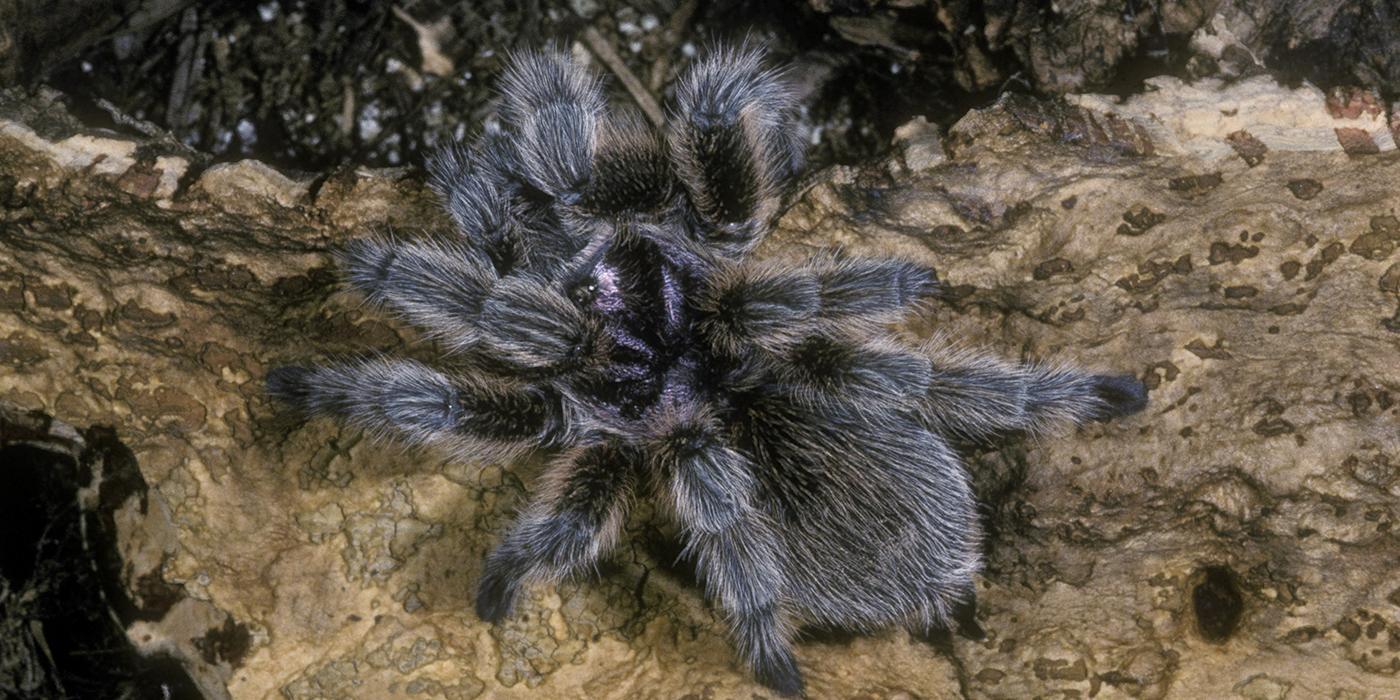
Credit: nationalzoo.si.edu
Cleaning And Maintenance
Keeping your Rose Hair Tarantula’s habitat clean is essential for its health and happiness. A well-maintained tank prevents illness and keeps your pet comfortable. Regular cleaning and proper waste management create a safe environment that mimics the tarantula’s natural surroundings.
Tank Cleaning Schedule
Set a simple cleaning schedule that fits your lifestyle. Spot clean the tank every few days to remove any visible debris or leftover food. Deep clean the enclosure once every 4 to 6 weeks by replacing substrate and wiping down surfaces with warm water—avoid harsh chemicals that could harm your tarantula.
What’s your current routine? Adjusting your schedule can make maintenance easier and more effective.
Waste Removal
Remove waste as soon as you spot it to prevent bacteria build-up. Tarantulas don’t produce a lot of waste, but leftover food or shed exoskeletons can cause problems if left unattended. Use tweezers or gloves to pick up waste carefully without disturbing your pet.
Have you noticed any foul smells? Prompt waste removal helps keep odors at bay and your tarantula’s home fresh.
Preventing Mold And Pests
Excess moisture invites mold and unwanted pests like mites. Keep humidity at recommended levels (around 65-70%) by monitoring water dishes and substrate dampness. Improve ventilation by slightly opening the tank lid if needed, but avoid drafts that can stress your tarantula.
If you spot mold, remove it immediately and check if the substrate is too wet. Do you inspect your tank regularly for tiny invaders? Early detection stops infestations before they become serious problems.
Breeding Insights
Breeding Rose Hair Tarantulas can be a fascinating experience, but it requires careful observation and patience. Understanding their natural behaviors and needs during this period helps increase your success rate. Let’s dive into some practical tips to guide you through the process.
Mating Behavior
The male Rose Hair Tarantula approaches the female cautiously, often tapping or vibrating to signal his intentions. Females can be aggressive, so timing is crucial—introducing the male when the female is calm reduces risks.
Watch for specific signs like the female’s lowered aggression or acceptance post-molt. If she’s defensive or flicking hairs, it’s better to separate them and try again later. Your role is to be patient and attentive to these subtle cues.
Egg Sac Care
After successful mating, the female will produce an egg sac, which she guards fiercely. Keep the enclosure humid but well-ventilated to prevent mold growth on the sac.
Minimize disturbance during this time; too much handling can stress the female and harm the eggs. If you notice any discoloration or damage on the sac, consider consulting experienced breeders or online forums for advice on intervention.
Raising Spiderlings
Once the spiderlings hatch, they remain in the sac for a few days before dispersing. Provide a separate enclosure with small hiding spots and adequate humidity to keep them safe.
Feed them tiny prey like pinhead crickets or fruit flies to ensure they get enough nutrition. Are you ready to patiently watch these tiny tarantulas grow? This stage requires dedication but is incredibly rewarding.
Frequently Asked Questions
What Is The Ideal Habitat For Rose Hair Tarantulas?
Rose Hair Tarantulas thrive in a dry, warm environment. Use a 5-10 gallon tank with substrate for burrowing. Maintain temperature around 75-85°F and humidity near 65%. Provide hiding spots like cork bark or half logs for comfort and security.
How Often Should You Feed A Rose Hair Tarantula?
Feed adult Rose Hair Tarantulas once a week. Offer live insects like crickets, roaches, or mealworms. Remove uneaten prey after 24 hours to maintain cleanliness. Juveniles may require feeding twice a week due to higher energy needs.
How Do You Handle A Rose Hair Tarantula Safely?
Handle Rose Hair Tarantulas gently and minimally. Use slow movements to avoid startling them. Support their body fully during handling. Avoid handling if the tarantula shows stress or defensive behavior to prevent bites or stress.
What Are Common Health Signs In Rose Hair Tarantulas?
Healthy Rose Hair Tarantulas are active and eat regularly. Look for a shiny, intact exoskeleton and normal movement. Loss of appetite, lethargy, or abnormal posture may indicate health issues. Regularly check for mites and mold in their enclosure.
Conclusion
Caring for a Rose Hair Tarantula is simple and rewarding. These gentle creatures need a cozy habitat and basic care. Provide a safe enclosure, fresh water, and the right diet. Ensure temperatures stay steady and appropriate. Handle with care to build trust.
Watch them grow and thrive with minimal effort. Their calm nature makes them great pets for beginners. With patience and attention, you’ll enjoy your tarantula’s unique presence. Remember, each tarantula has its own personality. Discover and appreciate their fascinating behaviors.
Happy tarantula keeping!