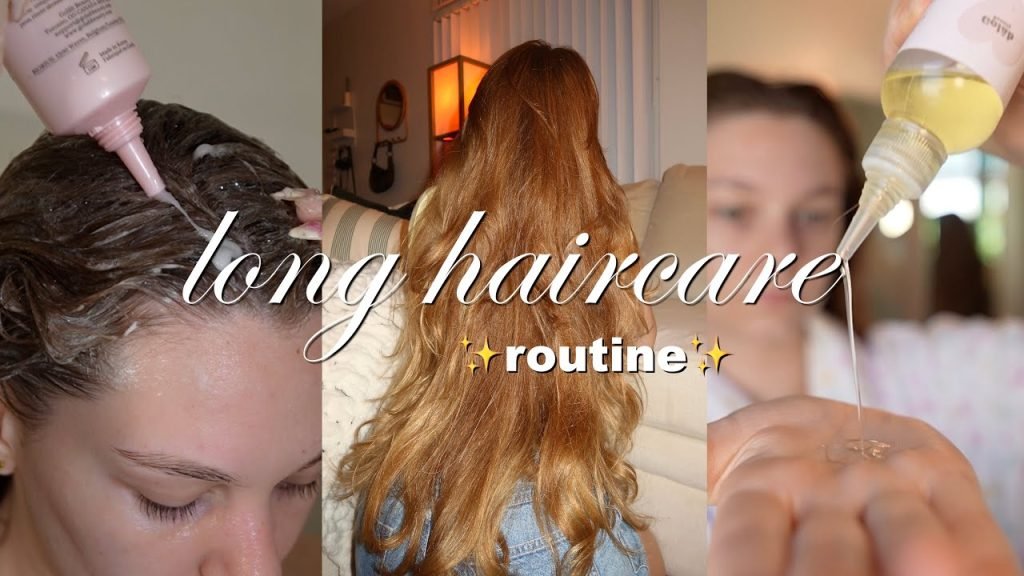
Do you dream of having long, healthy hair that turns heads everywhere you go? Taking care of long hair can feel overwhelming, but with the right tips, it’s easier than you think.
You don’t have to deal with constant tangles, dryness, or breakage. Imagine running your fingers through soft, shiny strands every day. You’ll discover simple and effective ways to keep your long hair looking its best—without spending hours or a fortune.
Ready to unlock the secrets to beautiful long hair? Keep reading, because your hair deserves the best care possible.
Choosing The Right Shampoo
Choosing the right shampoo is key for healthy long hair. It cleans without stripping natural oils. The right shampoo keeps hair soft and strong. It protects from damage and supports growth. Different shampoos suit different hair needs. Understanding these options helps you pick what fits best.
Sulfate-free Options
Sulfates can dry out long hair. Sulfate-free shampoos clean gently. They keep moisture inside hair strands. These shampoos reduce frizz and breakage. Ideal for colored or sensitive scalp hair. Look for labels that say “sulfate-free.”
Hydrating Formulas
Long hair needs extra moisture daily. Hydrating shampoos add and lock in water. They soften hair and improve shine. Ingredients like aloe, glycerin, and oils help. Use hydrating shampoos if hair feels dry or rough.
Clarifying Shampoos
Clarifying shampoos remove buildup from products and oils. They refresh scalp and hair deeply. Use these shampoos occasionally, not daily. Overuse can dry hair out. Best for long hair with heavy styling products.
Conditioning Techniques
Conditioning techniques help keep long hair soft, smooth, and healthy. They restore moisture and repair damage from heat and styling. Proper conditioning prevents tangles and breakage. These methods nourish hair deeply and maintain shine.
Deep Conditioning Treatments
Deep conditioning treatments provide intense moisture to dry hair. Apply a rich conditioner after shampooing. Use heat, like a warm towel or cap, to help the product absorb better. Leave it on for 20 to 30 minutes. Rinse thoroughly with cool water to seal the hair cuticle. Use deep conditioners once a week for best results.
Leave-in Conditioners
Leave-in conditioners add moisture without rinsing out. Spray or apply a small amount on damp hair. Focus on the ends where hair is driest. They protect hair from heat and pollution. Leave-in conditioners make hair easier to comb and style. Use daily or after washing for smooth, soft hair.
Using Hair Masks
Hair masks are thick treatments for extra nourishment. Spread the mask evenly on clean, damp hair. Cover hair with a shower cap to trap heat. Let the mask sit for 15 to 20 minutes. Rinse well with lukewarm water. Use hair masks once or twice a week to repair damage and boost shine.
Gentle Hair Drying
Drying long hair gently is crucial to keep it healthy and strong. Rough drying can cause breakage, frizz, and dullness. Taking a few simple steps to care for your hair while drying can make a big difference in its overall look and feel.
Avoiding Heat Damage
Heat styling tools like blow dryers and flat irons can damage your hair if used too often or at high temperatures. Try to limit the use of these tools or set them on the lowest heat setting.
Instead of rubbing your hair with a towel, gently squeeze out excess water. This reduces friction and prevents strands from snapping. Have you noticed how much smoother your hair feels when you skip the hot air?
Microfiber Towels
Microfiber towels are a game changer for drying long hair. They absorb water quickly without roughening the hair cuticle.
Unlike regular towels, microfiber materials reduce frizz and breakage. Wrap your hair loosely and let the towel do the work for a few minutes before styling.
Air Drying Tips
Air drying is the gentlest way to dry your hair, but it requires patience. Avoid rubbing your hair with a towel after washing; instead, blot it carefully.
Try to keep your hair untied while drying to allow air to circulate. If you’re in a hurry, comb your hair gently with a wide-tooth comb to prevent tangles.
Have you tried air drying with minimal touching? You might find your hair feels softer and looks shinier after a few washes.
Detangling Without Damage
Detangling long hair can be tricky. It often leads to breakage and split ends. Protect your hair by using gentle techniques and the right tools. Avoid harsh brushing on dry hair. Wet or damp hair is easier to manage and less prone to damage.
Wide-tooth Combs
Wide-tooth combs glide through hair with ease. They reduce pulling and breakage. Use them on wet or damp hair for best results. Start combing from the ends, moving upward slowly. This method helps remove knots without stress on your strands.
Detangling Sprays
Detangling sprays add slip to your hair. They soften knots, making combing smoother. Choose sprays with natural ingredients to nourish hair. Lightly mist your hair before combing. This reduces friction and keeps hair healthy.
Sectioning Hair
Divide your hair into small sections. This makes detangling easier and more effective. Work on one section at a time. Use clips to hold other sections away. This approach prevents tangles from spreading and saves time.
Regular Trims
Regular trims are a key part of caring for long hair. They keep your hair healthy and looking fresh by removing damaged ends. Skipping trims might seem like a way to grow your hair faster, but it can actually lead to more breakage and slower growth over time.
Preventing Split Ends
Split ends start at the tips and travel up the hair shaft if left untreated. Regular trims cut off these damaged ends before they cause further harm. You don’t need to lose much length—just a small trim every few weeks can make a big difference.
Have you ever noticed your hair feels rough or looks frizzy at the ends? That’s often a sign of split ends creeping in. Trimming these off stops the damage from spreading and keeps your hair smooth and strong.
Trimming Frequency
How often you trim depends on your hair type and goals. If you want to maintain length, trimming every 8 to 12 weeks works well. For those with faster growing or finer hair, every 6 to 8 weeks might be better.
Pay attention to your hair’s condition. If you see more tangles, breakage, or split ends, it’s time for a trim. Regular trims don’t just protect your hair—they also give it a healthier appearance.
Diy Vs Professional Cuts
Cutting your own hair can save money and time, but it requires precision. Many people find it hard to get an even trim, especially at the back of their heads. Using sharp scissors designed for hair and cutting small sections can help if you try this at home.
Visiting a professional stylist ensures your trims are even and tailored to your hair type. Professionals can spot damage you might miss and recommend treatments. If you’re unsure about DIY trims, starting with a salon visit is a smart choice.
Protecting Hair At Night
Protecting your long hair at night can make a big difference in its health and appearance. Overnight friction and moisture loss can cause breakage and dryness. Taking simple steps before bed helps keep your hair smooth, shiny, and strong.
Silk Pillowcases
Switching to a silk pillowcase reduces friction between your hair and the fabric. Unlike cotton, silk allows your hair to glide smoothly, preventing tangles and split ends. You might notice less frizz and fewer broken strands after just a few nights.
If you’ve struggled with morning bedhead, silk pillowcases can be a game changer. They also help retain your hair’s natural oils, which means less dryness. Have you ever wondered why your hair feels softer after a good night’s sleep? This could be the reason.
Loose Braids
Styling your hair in loose braids before sleep can stop it from tangling overnight. Tight hairstyles can pull on your scalp and damage hair follicles, so keep the braids gentle. This simple trick keeps your hair manageable and reduces breakage.
Try braiding your hair just before bed and see how it feels in the morning. Do you notice fewer knots when you run your fingers through your hair? That’s a clear sign your hair is protected.
Nighttime Hair Wraps
Using a hair wrap or scarf made from satin or silk protects your hair from friction and moisture loss. Wrapping your hair shields it from the roughness of your pillowcase and locks in hydration. This method is especially helpful if you have curly or fragile hair.
Think about how you feel after a night with a hair wrap versus without. Do you see less frizz and split ends? Hair wraps are an easy step that can save you time and effort on hair care routines.
Healthy Diet For Hair
A healthy diet plays a key role in keeping long hair strong and shiny. The nutrients from food help hair grow faster and reduce breakage. Eating the right foods nourishes hair from the inside out. Avoiding certain foods also supports hair health.
Essential Vitamins
Vitamins help build hair structure and prevent hair loss. Some vitamins are especially important:
- Vitamin A:Supports scalp health and hair growth.
- Vitamin C:Helps produce collagen, which strengthens hair.
- Vitamin E:Improves blood flow to hair follicles.
- Biotin (Vitamin B7):Promotes hair growth and thickness.
- Vitamin D:May help create new hair follicles.
Hydration Importance
Water keeps hair hydrated and prevents dryness. Dry hair breaks more easily and looks dull. Drink plenty of water daily to keep hair soft and flexible. Hydration also helps scalp health and reduces itchiness.
Foods To Avoid
Certain foods can harm hair health. Limit these for better long hair care:
- Sugary snacks:Can cause inflammation and weaken hair.
- Fried and greasy foods:May clog scalp pores and affect growth.
- Excessive caffeine:Can dry out hair and scalp.
- Highly processed foods:Lack nutrients essential for hair.

Credit: www.youtube.com
Minimizing Heat Styling
Minimizing heat styling is key to keeping your long hair healthy and strong. Excessive heat can cause dryness, breakage, and split ends, making your hair look dull and lifeless. By cutting down on heat use and protecting your strands when you do style, you can maintain shine and softness for longer.
Heat Protectant Products
Using a heat protectant product creates a barrier between your hair and the damaging heat. These sprays, creams, or serums reduce moisture loss and prevent cuticle damage. Look for products with ingredients like silicones, oils, or proteins that nourish your hair while shielding it.
Apply the protectant evenly to damp or dry hair before using any hot tool. Don’t skip this step—even a quick blast with a straightener can cause harm without protection. Have you noticed how your hair feels after styling without a heat protectant? That dryness and roughness tell the real story.
Alternative Styling Methods
Try styling your hair without heat to avoid damage altogether. Braids, buns, or twists can create beautiful waves and curls overnight without any tools. Using foam rollers or flexi rods offers volume and shape without exposing your strands to high temperatures.
Experiment with air drying your hair in different styles to find what suits you best. Sometimes, a little creativity can save your hair from unnecessary heat exposure. What new heat-free style can you try this week to give your hair a break?
Limiting Frequency
Even with protectants, frequent heat styling adds up and weakens your hair over time. Try to reserve heat tools for special occasions instead of daily use. Planning your styling routine ahead helps you reduce heat exposure without sacrificing your look.
Set specific days for heat styling and focus on gentle, low-heat settings when you do use tools. Your hair will thank you with less frizz, fewer split ends, and better overall health. How often do you really need to use heat, and can you cut back without losing your style?
Natural Oils And Treatments
Natural oils and treatments nourish long hair deeply. They improve hair texture, shine, and strength. These oils provide moisture and reduce breakage. Using natural ingredients keeps hair healthy without harsh chemicals. Simple treatments at home can bring great results.
Coconut Oil Benefits
Coconut oil is rich in fatty acids that penetrate hair shafts. It helps prevent protein loss and repairs damage. Applying coconut oil reduces frizz and adds shine. It also protects hair from environmental damage. Use it as a pre-wash treatment or leave-in conditioner.
Argan Oil Uses
Argan oil is full of antioxidants and vitamin E. It hydrates hair and smooths split ends. This oil tames flyaways and boosts softness. Apply a few drops to damp or dry hair. It absorbs quickly without leaving a greasy feel.
Diy Hair Masks
Homemade hair masks are easy and effective. Combine natural ingredients to target specific hair needs.
- Mix honey, yogurt, and olive oil for moisture.
- Use avocado and banana for repair and shine.
- Blend egg and coconut oil for protein boost.
Apply the mask to clean hair and leave it for 20-30 minutes. Rinse with lukewarm water and shampoo as usual. Regular use improves hair softness and strength.

Credit: www.youtube.com
Avoiding Common Mistakes
Avoiding common mistakes is key to keeping long hair healthy and strong. Many people unknowingly harm their hair by following wrong habits. Small changes can protect your hair from damage and breakage. Understanding what to avoid helps maintain smooth, shiny hair for longer.
Overwashing Hair
Washing hair too often removes natural oils. These oils keep hair soft and moisturized. Overwashing leads to dryness and split ends. Aim to wash hair 2-3 times per week. Use gentle shampoos made for your hair type. This keeps hair clean without stripping its natural shine.
Using Harsh Brushes
Brushing hair roughly causes breakage and damage. Hard bristles pull and tear long strands. Choose soft, wide-tooth combs or brushes. Start detangling from the ends and move upward slowly. This reduces pain and prevents hair from snapping.
Ignoring Scalp Care
Healthy hair starts with a healthy scalp. Neglecting scalp care leads to dandruff and irritation. Regular scalp massages improve blood flow and hair growth. Use gentle scalp cleansers to remove buildup. Keep the scalp clean and hydrated for best results.

Credit: www.reddit.com
Frequently Asked Questions
How Often Should I Wash Long Hair For Best Care?
Washing long hair 2-3 times a week is ideal. This prevents dryness and preserves natural oils. Use a gentle shampoo and conditioner to maintain moisture and reduce damage.
What Are The Best Products For Caring Long Hair?
Use sulfate-free shampoo and a hydrating conditioner. Incorporate hair oils or serums for extra nourishment. Avoid heavy products that weigh hair down or cause buildup.
How Can I Prevent Split Ends In Long Hair?
Trim your hair every 6-8 weeks to avoid split ends. Use heat protectants when styling and avoid excessive heat. Regular deep conditioning strengthens hair and reduces breakage.
Is Brushing Long Hair Daily Recommended?
Yes, but gently. Use a wide-tooth comb or a brush with soft bristles. Brush from tips to roots to prevent breakage and distribute natural oils evenly.
Conclusion
Caring for long hair requires patience and consistency. Use gentle products to maintain health. Regular trims prevent split ends. Brush carefully to avoid damage. Moisturize with oils or conditioners to keep it soft. Protect your hair from heat and sun.
A balanced diet supports hair growth. Stay hydrated for healthy strands. Little changes in your routine make a big difference. Embrace your long hair journey with care and love. Enjoy the beauty and confidence it brings. Remember, healthy hair reflects a healthy you.
