If you have low porosity hair, you know how tricky it can be to keep it healthy and moisturized. Your hair resists water and products, leaving you frustrated with build-up and dryness.
But what if you could unlock the secret to making your hair absorb moisture better and stay soft all day long? This guide will show you exactly how to create a hair care routine designed just for your low porosity hair.
By following simple steps tailored to your unique needs, you’ll finally see the shine, bounce, and softness you’ve been dreaming of. Keep reading to discover the easy tricks that will transform your hair care game.
Characteristics Of Low Porosity Hair
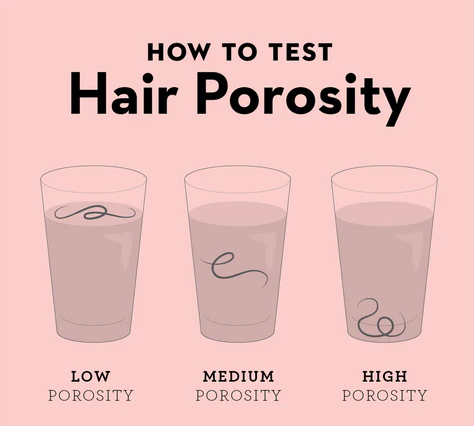
Low porosity hair has a unique structure that impacts how it absorbs and retains moisture. The cuticles are tightly packed and flat, which creates a natural barrier. This barrier keeps moisture out, but it can also make your hair resistant to water and products.
Understanding these traits is key to caring for your low porosity hair effectively. You’ll need to adjust your routine to help your hair stay healthy and hydrated without causing buildup or frustration.
How Low Porosity Affects Hair Health
Because the cuticles lie flat and tightly together, moisture struggles to penetrate the hair shaft. This means your hair might feel dry even after washing or applying products. It also tends to take longer for your hair to get fully wet.
On the bright side, this tight cuticle layer protects your hair from environmental damage. It can help reduce breakage and keep your strands stronger over time. However, the challenge lies in finding the right products and techniques to open the cuticles just enough to allow moisture in.
Common Challenges With Low Porosity Hair
- Product Buildup:Since your hair resists absorbing moisture, oils and conditioners can sit on top, making your hair feel heavy or greasy quickly.
- Long Drying Times:Water struggles to enter and leave the hair shaft, so your hair can take much longer to dry.
- Difficulty Retaining Moisture:Even when your hair feels wet, it may not actually be hydrated internally, leading to dryness and brittleness.
Have you noticed your hair looking dull or feeling stiff despite regular conditioning? This often happens because products aren’t fully absorbing. Experimenting with warm water or steam can help open those cuticles and improve moisture absorption.
What changes can you make today to better support your low porosity hair? Simple tweaks like using lighter products and applying heat when conditioning can make a big difference.

Credit: zaphiranature.com
Choosing The Right Products
Choosing the right products is key to managing low porosity hair effectively. Your hair’s unique structure means it doesn’t absorb moisture easily, so selecting products that open up the cuticle and deliver hydration is crucial. Have you ever felt like your hair just repels every cream or oil you try? That’s a sign you might be using the wrong ingredients.
Ingredients That Work Best
Look for lightweight, water-based ingredients that penetrate rather than sit on top. Humectants like glycerin and honey draw moisture into your hair, which is essential for low porosity strands.
Proteins such as hydrolyzed silk or wheat protein can gently strengthen your hair without causing buildup. Oils like jojoba and grapeseed are lighter and less likely to clog your hair’s cuticle, unlike heavier oils.
- Water-based moisturizersfor easy absorption
- Humectantsto attract moisture
- Lightweight oilsfor sealing hydration
- Gentle proteinsto support hair strength
Products To Avoid
Steer clear of heavy, oily products that sit on the surface of your hair and create buildup. Ingredients like mineral oil, petrolatum, and heavy butters can block moisture from entering your strands.
Silicones can also be problematic if they’re not water-soluble because they form a barrier that low porosity hair struggles to penetrate. Avoid products that list these ingredients first, as they are often the main component.
- Heavy oils and butterslike coconut oil and shea butter (in excess)
- Non-water soluble siliconessuch as dimethicone and amodimethicone
- Petroleum-based ingredientslike mineral oil and petrolatum
Have you ever tossed out a product after it left your hair feeling weighed down or sticky? That’s your hair signaling it needs something lighter and more breathable. Paying close attention to product ingredients will save you time and frustration on your hair care journey.
Cleansing Techniques
Proper cleansing is essential for maintaining healthy low porosity hair. Since this hair type tends to resist moisture absorption, the way you wash and clean your scalp can make a big difference in how your hair responds to treatments and products. Understanding the right cleansing techniques helps prevent buildup and keeps your hair fresh without stripping away natural oils.
Frequency And Method
Low porosity hair doesn’t need frequent washing because its cuticles are tightly closed, making it prone to product buildup. Washing your hair once every 7 to 10 days is usually enough to keep it clean without drying it out.
When you wash, use lukewarm water instead of hot. Hot water can close the cuticles even more, preventing moisture from entering. Focus on massaging your scalp gently with your fingertips to remove dirt and oils.
Choose lightweight shampoos or cleansing conditioners formulated for low porosity hair. These products clean without heavy residue. Avoid harsh sulfates, as they can cause dryness and irritation.
Clarifying To Remove Buildup
Buildup from products like silicones and heavy oils can weigh low porosity hair down and make it look dull. Clarifying shampoos help remove this buildup but should be used sparingly—about once a month or when your hair feels greasy or lifeless.
After clarifying, follow up with a deep conditioning treatment that contains heat activation. Using a warm towel or steamer opens the cuticles slightly, allowing moisture to penetrate better.
Have you noticed your usual shampoo leaving a film on your hair? Trying a gentle clarifying routine might reveal how much cleaner and bouncier your hair can feel.
Moisturizing Strategies
Moisturizing low porosity hair can feel like a puzzle. Your hair resists water and products, making it tricky to keep moisture locked in. Understanding the right strategies to hydrate and seal moisture can transform your hair care routine.
Effective Hydration Methods
Low porosity hair benefits from gentle hydration techniques. Warm water helps open the cuticles, allowing moisture to penetrate better. Try rinsing your hair with warm water before applying your leave-in conditioner.
Lightweight water-based moisturizers work best. Heavy creams often sit on the hair surface instead of soaking in. Look for ingredients like aloe vera juice or glycerin to draw moisture into your strands.
Steam or a warm towel can boost moisture absorption. I started wrapping my hair in a warm towel after applying my moisturizer, and my hair felt softer and more hydrated within minutes. How could adding warmth change your next moisturizing session?
Sealing Moisture For Lasting Shine
Sealing moisture is crucial to prevent dryness in low porosity hair. Use oils or butters with a light texture to lock in hydration without weighing hair down. Jojoba oil and shea butter are excellent choices.
Apply your sealant while your hair is still damp for better results. This helps trap moisture inside the hair shaft. Avoid heavy oils like castor oil unless you dilute them, as they can create buildup.
Experiment with layering your products: water-based moisturizer first, then a light oil or butter to seal. This simple step can keep your hair shiny and hydrated for days. Are you giving your hair enough time to absorb and seal moisture?
Heat And Styling Tips
Heat can be helpful for low porosity hair. It softens the hair and opens the cuticles. This allows moisture and products to enter easily. Using heat smartly improves hair health and styling results. Avoid high temperatures that can damage the hair. Choose gentle heat options for better care and style.
Using Heat To Open Cuticles
Low porosity hair has tightly closed cuticles. Applying gentle heat helps open these cuticles. Warm water or steam are good choices. Use a warm towel after washing hair. It allows treatments to penetrate deeply. Avoid hot water as it can dry out hair. Heat also helps soften product buildup on the hair.
Low Heat Styling Options
Choose styling tools with adjustable temperature settings. Keep heat below 300°F (150°C) to protect hair. Use a heat protectant spray before styling. Try these low heat options:
- Warm air blow drying on low setting
- Using a heated cap or steamer
- Setting hair with warm rollers
- Twist-outs or braid-outs without heat
These methods style hair gently and reduce damage. Regular breaks from heat styling help hair stay strong. Low porosity hair responds best to slow, gentle heat. Patience yields softer, more manageable hair over time.

Credit: insulahairstudio.com
Protective Hairstyles And Maintenance
Protective hairstyles play a crucial role in maintaining the health of low porosity hair. These styles help lock in moisture and prevent damage from daily manipulation. Choosing the right protective style and maintaining it properly can make a big difference in your hair’s texture and overall health.
Styles That Preserve Moisture
For low porosity hair, styles that minimize exposure to air and reduce friction work best. Braids, twists, and buns are excellent choices because they keep your hair compact and shielded.
- Box braids:These reduce the need for daily combing and help retain moisture longer.
- Twist outs:Gentle on strands and easy to refresh without causing dryness.
- Low buns:Simple and effective at preventing moisture loss.
Have you noticed how your hair feels after wearing a protective style for a few days? If it feels softer and less brittle, you’re likely on the right track. Always avoid styles that pull too tightly, as tension can cause breakage and scalp discomfort.
Nighttime Hair Care
Nighttime care is often overlooked but essential for low porosity hair. Your hair can lose moisture overnight due to friction with pillowcases and environmental dryness.
Try sleeping with a satin or silk scarf or bonnet. These materials reduce friction and help keep your hair’s natural oils intact.
- Use a satin pillowcase as an alternative for extra protection.
- Lightly spritz your hair with water or a leave-in conditioner before bed to maintain moisture.
- Re-twist or loosely braid your hair at night to avoid tangles and moisture loss.
What changes do you see in your hair when you start protecting it at night? Small efforts like these can lead to less breakage and improved moisture retention over time.
Common Mistakes To Avoid
Low porosity hair needs special care. Many make mistakes that block moisture and slow hair growth. Avoid these errors to keep hair soft and healthy. Understanding what to skip helps your hair absorb products better. This improves shine and reduces dryness.
Using Heavy Products That Weigh Hair Down
Low porosity hair repels thick creams and oils. Heavy products sit on the surface and cause buildup. Use light, water-based products for better absorption. This keeps hair soft and prevents dullness.
Skipping Heat During Deep Conditioning
Heat opens hair cuticles, letting moisture in. Without heat, deep conditioners may not penetrate well. Use a warm towel or heat cap for best results. This boosts moisture and strengthens hair.
Washing Hair Too Often
Frequent washing strips natural oils from hair. Low porosity hair needs oils for shine and protection. Wash hair every 5-7 days to keep it balanced. Use gentle shampoos that don’t dry out hair.
Not Clarifying Regularly
Product buildup blocks moisture from entering hair. Clarifying removes residue and refreshes hair. Use a clarifying shampoo once a month. This helps hair absorb conditioners better.
Applying Products On Dry Hair
Low porosity hair absorbs moisture best when wet. Applying products on dry hair causes buildup. Spray water or a leave-in conditioner before styling. This helps products penetrate and nourish hair.

Credit: goldielocks.com
Frequently Asked Questions
What Is Low Porosity Hair And Its Characteristics?
Low porosity hair has a tightly closed cuticle layer. It resists moisture absorption but retains it well once hydrated. This hair type often feels stiff and is prone to product buildup. Understanding its traits helps tailor an effective hair care routine.
How To Moisturize Low Porosity Hair Effectively?
Use lightweight, water-based moisturizers to hydrate low porosity hair. Avoid heavy oils that can cause buildup. Warm water helps open the cuticles for better absorption. Regular deep conditioning with heat enhances moisture penetration and keeps hair soft.
Which Products Suit Low Porosity Hair Best?
Choose sulfate-free shampoos and lightweight conditioners for low porosity hair. Look for ingredients like glycerin and aloe vera that attract moisture. Avoid heavy creams and butters that weigh hair down. Products designed for fine or resistant hair work well.
How Often Should You Wash Low Porosity Hair?
Wash low porosity hair once a week or every two weeks. Frequent washing can strip natural oils and cause dryness. Use gentle cleansing methods to avoid buildup. Adjust washing frequency based on scalp condition and lifestyle.
Conclusion
Achieving healthy hair with low porosity is possible. Stick to a routine. Use lightweight products that penetrate well. Moisture should be your main focus. Avoid heavy oils and butters. They can weigh hair down. Regular deep conditioning helps. Heat can aid absorption.
Be gentle with hair care techniques. Consistency brings the best results. Listen to your hair’s needs. Adjust as necessary. Your hair will thank you with shine and strength. Enjoy the journey to healthy hair. Keep experimenting until you find what works best.
Happy hair days await!