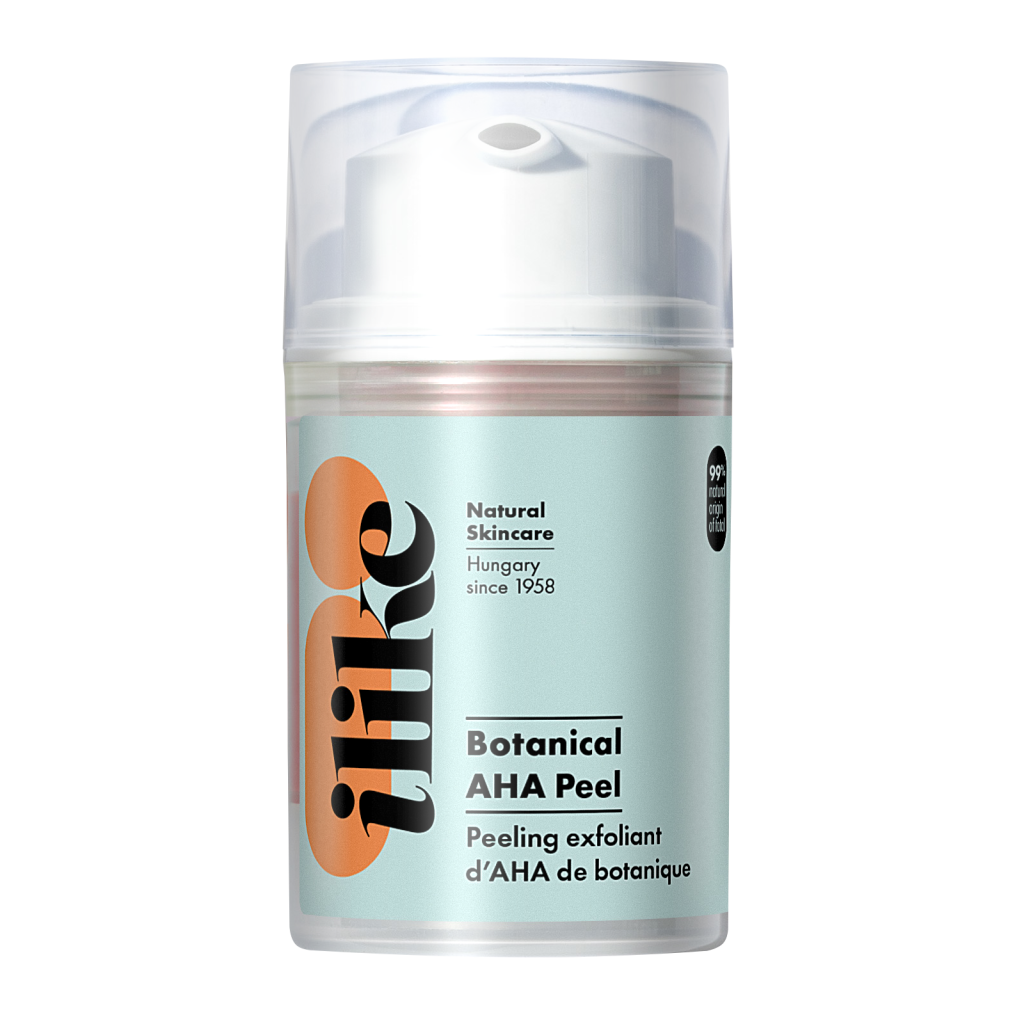
Imagine waking up each day to skin that looks fresh, radiant, and rejuvenated. Sounds like a dream, right?
But with AHA skincare, this dream could become your reality. You might be wondering what AHA stands for and how it can transform your skincare routine. As you dive into this article, you’ll discover how these magical ingredients work wonders on your skin, why they have become a staple in beauty products, and how they can be the secret weapon you’ve been missing.
Get ready to unlock the glow your skin truly deserves. Keep reading to find out how AHA skincare can redefine your beauty regimen and leave you with the flawless complexion you’ve always wanted.
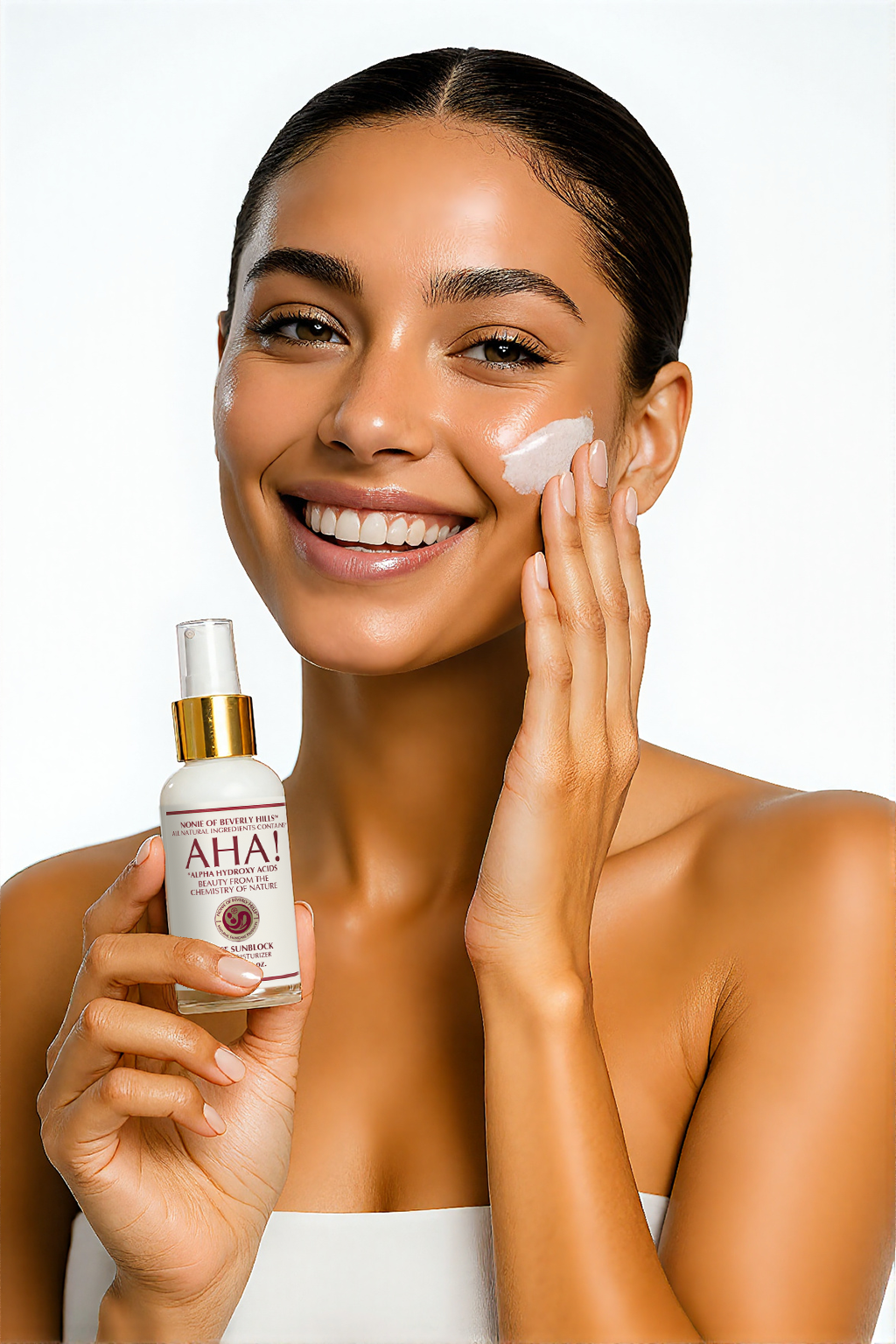
Credit: nonieofbeverlyhills.com
Benefits Of Aha In Skincare
AHA, or Alpha Hydroxy Acid, is a popular ingredient in skincare. It offers many benefits that improve skin health and appearance. AHAs help to gently remove dead skin cells and promote fresh, glowing skin. This makes them ideal for many skin types and concerns.
Exfoliation And Skin Renewal
AHAs work by loosening the bonds between dead skin cells. This helps to shed the outer layer of dull skin. The process reveals new skin underneath. It makes the skin look brighter and fresher. Regular use encourages faster skin renewal for a smoother look.
Improving Skin Texture
Using AHAs can soften rough and uneven skin. They smooth bumps and fine lines by clearing away old skin. The skin feels softer and looks more even. This can boost confidence and improve the overall feel of your skin.
Fading Hyperpigmentation
Dark spots and uneven tone can fade with AHA use. AHAs speed up the removal of pigmented skin cells. This reduces the visibility of spots caused by sun damage or acne. The skin tone appears clearer and more uniform over time.
Boosting Collagen Production
AHAs stimulate collagen, a protein that keeps skin firm. More collagen means fewer wrinkles and better elasticity. This helps skin stay youthful and plump. Regular AHA use supports skin strength and resilience.
Types Of Aha For Different Skin Types
Alpha Hydroxy Acids (AHAs) come in different types. Each type works best for certain skin needs. Choosing the right AHA helps improve your skin safely. It targets specific problems without causing damage. Here are some common AHAs and the skin types they suit.
Glycolic Acid For Oily Skin
Glycolic acid is a small molecule that penetrates deeply. It exfoliates dead skin cells and unclogs pores. This acid helps reduce excess oil and shine. It smooths rough texture and clears blackheads. Ideal for oily and combination skin types.
Lactic Acid For Sensitive Skin
Lactic acid is gentler than glycolic acid. It hydrates the skin while exfoliating. This acid soothes irritation and redness. It brightens dull skin without harsh effects. Best for sensitive and dry skin types.
Mandelic Acid For Acne-prone Skin
Mandelic acid has antibacterial properties to fight acne. It exfoliates without causing irritation or dryness. This acid works well on inflamed and acne-prone skin. It also reduces scars and uneven tone.
Citric Acid For Brightening
Citric acid helps even out skin tone and boost radiance. It gently removes dead skin cells to reveal fresh skin. This acid improves dullness and dark spots. Suitable for normal and combination skin types.
How To Incorporate Aha Into Your Routine
Adding AHA to your skincare routine can refresh your skin and boost glow. Proper use is key to avoid irritation and get the best results. Start slowly and learn how to fit AHA products into your daily care. Focus on choosing the right product, how often to apply, mixing with other ingredients, and protecting your skin from the sun.
Choosing The Right Concentration
Pick an AHA concentration that suits your skin type. Beginners should try products with 5% or less. Sensitive skin needs lower percentages to prevent redness. For experienced users, 10% to 15% offers stronger exfoliation. Always read labels and follow product instructions carefully.
Frequency Of Use
Start using AHA products two to three times a week. Give your skin time to adjust between applications. Increase frequency only if your skin feels comfortable. Avoid daily use at first to prevent dryness and irritation. Monitor your skin’s reaction and reduce use if needed.
Combining With Other Skincare Ingredients
Avoid mixing AHA with retinol or vitamin C in one routine. This can cause sensitivity and irritation. Use AHA in the evening and vitamin C in the morning. Keep your routine simple to protect your skin barrier. Use gentle moisturizers to soothe after applying AHA.
Sun Protection And Aha
AHA makes your skin more sensitive to sunlight. Wear sunscreen every day to avoid sunburn and damage. Use a broad-spectrum SPF 30 or higher. Reapply sunscreen every two hours when outdoors. Wearing hats and sunglasses adds extra protection.
Common Mistakes To Avoid With Aha
Using AHA skincare products can transform your skin, but it’s easy to make mistakes that cause irritation or damage. Understanding what to avoid helps you get the best results without setbacks. Let’s look at some common pitfalls and how to steer clear of them.
Over-exfoliation Risks
It’s tempting to use AHA products every day, hoping for faster results. However, over-exfoliating strips your skin’s natural barrier, leading to redness, dryness, and sensitivity.
Pay attention to your skin’s response. If it feels tight or looks flaky, cut back your usage to every other day or even less. Your skin needs time to repair and renew between treatments.
Ignoring Sun Sensitivity
AHA increases your skin’s sensitivity to the sun, making it more prone to sunburn and damage. Skipping sunscreen after applying AHA is a common but serious mistake.
Always apply a broad-spectrum SPF 30 or higher during the day. Ask yourself: Are you protecting your skin enough to avoid undoing all the good your AHA products are doing?
Mixing With Incompatible Products
Combining AHA with certain ingredients like retinol, vitamin C, or benzoyl peroxide can cause irritation or reduce effectiveness. Many people don’t realize these combinations can harm their skin.
Check your skincare routine carefully. If you want to use multiple active ingredients, space them out between morning and night or alternate days. This helps you avoid reactions while still benefiting from each product.
Diy Aha Treatments At Home
Trying out AHA treatments at home can be a game-changer for your skincare routine. You get to control the ingredients, customize strengths, and enjoy the benefits of exfoliation without expensive salon visits. But how do you ensure these DIY treatments are both effective and safe?
Natural Sources Of Aha
Several fruits and natural ingredients offer a good amount of alpha hydroxy acids (AHA). Citrus fruits like lemons and oranges contain citric acid, while apples and grapes provide malic and tartaric acids. Even dairy products like yogurt carry lactic acid, which gently exfoliates your skin.
Using these sources directly can be tempting, but their acid levels vary. For instance, lemon juice is quite strong and can cause irritation if not diluted. Have you ever noticed your skin feeling stingy after applying fresh lemon juice? That’s a sign to be cautious.
- Lemon juice – rich in citric acid
- Apple cider vinegar – contains malic acid
- Yogurt – a natural source of lactic acid
- Pineapple – offers gentle exfoliation with bromelain and AHAs
Safe Recipes And Application Tips
Creating your own AHA treatment means balancing potency with safety. Always dilute acidic ingredients to reduce the risk of irritation. For example, mix one part lemon juice with three parts water or yogurt before applying.
Patch testing is non-negotiable. Apply a small amount on your wrist or behind your ear and wait 24 hours to check for reactions. If redness or itching occurs, avoid using the treatment on your face.
| Recipe | Ingredients | Application Tips |
|---|---|---|
| Lemon Yogurt Mask | 1 tbsp plain yogurt, 1 tsp lemon juice | Apply for 10 minutes, rinse with cool water |
| Apple Cider Vinegar Toner | 1 part apple cider vinegar, 4 parts water | Use a cotton pad, apply once daily |
| Pineapple Enzyme Scrub | 2 tbsp mashed pineapple, 1 tbsp honey | Gently massage for 2 minutes, rinse thoroughly |
Start slow. Use these treatments once or twice a week to see how your skin responds. Overuse can cause redness and sensitivity, so listen to your skin’s signals.
Have you ever tried mixing your own skincare? How did your skin react? Your experience can teach you more than any product label.
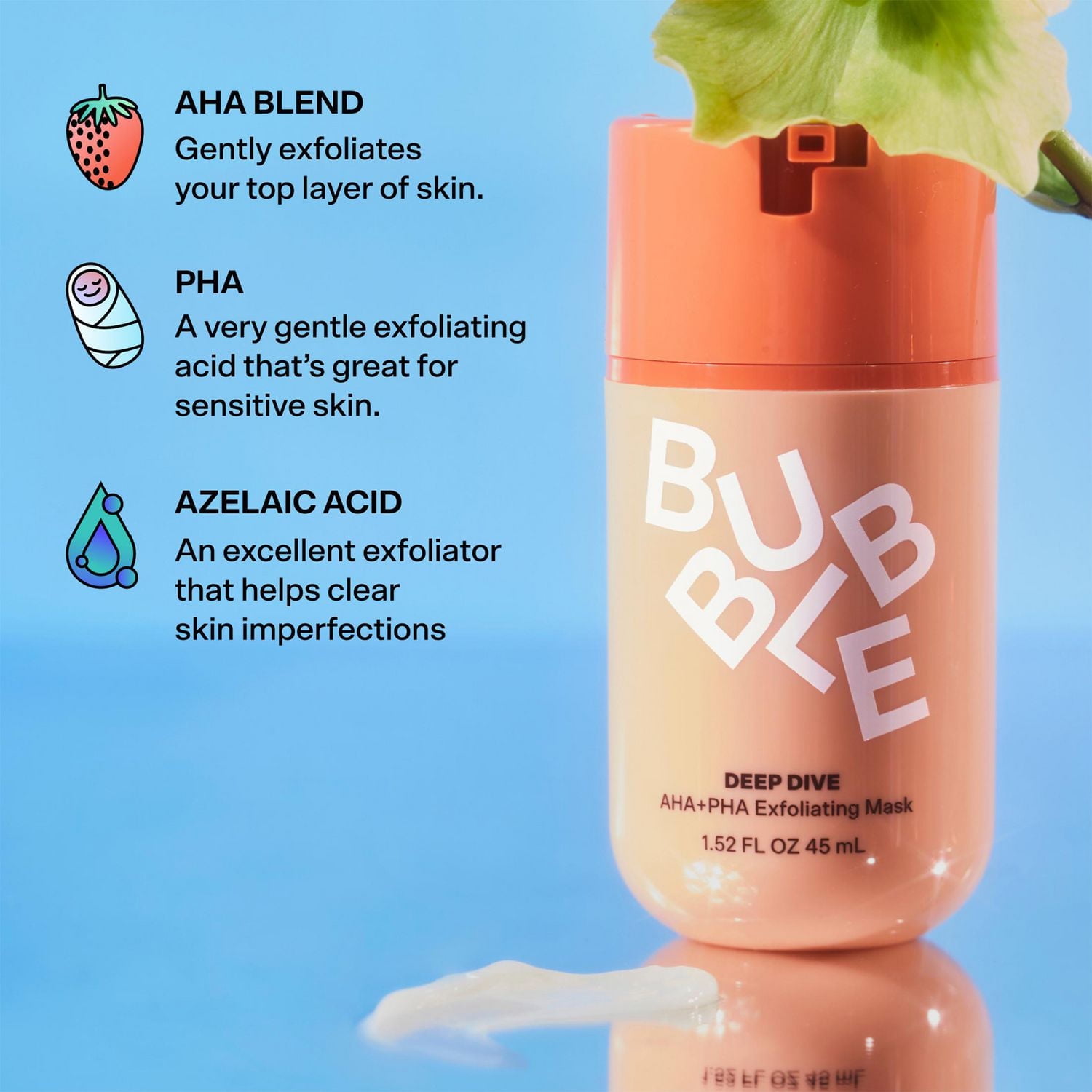
Credit: www.walmart.ca
When To See A Dermatologist
Knowing when to consult a dermatologist is crucial, especially when using AHA skincare products. These products can transform your skin, but sometimes they might cause issues that need professional attention. Paying close attention to your skin’s reactions can save you from long-term damage and help you get the right treatment.
Persistent Skin Issues
If you notice that your skin problems don’t improve after several weeks of using AHA products, it’s a clear sign to see a dermatologist. Issues like ongoing redness, dryness, or peeling that won’t go away could mean your skin isn’t tolerating the treatment well.
Sometimes, persistent acne or irritation might indicate an underlying condition that needs a different approach. Don’t ignore these signs—professional advice can provide solutions tailored to your skin type and concerns.
Reactions To Aha Products
Experiencing a mild tingling sensation when you first use AHA is normal, but severe reactions should not be overlooked. Watch out for intense burning, swelling, or blistering, which require immediate medical attention.
Have you ever felt your skin become unusually sensitive or start to peel excessively after applying a product? This could be a sign of an allergic reaction or over-exfoliation. A dermatologist can help identify the cause and recommend safer alternatives or treatment to soothe your skin.
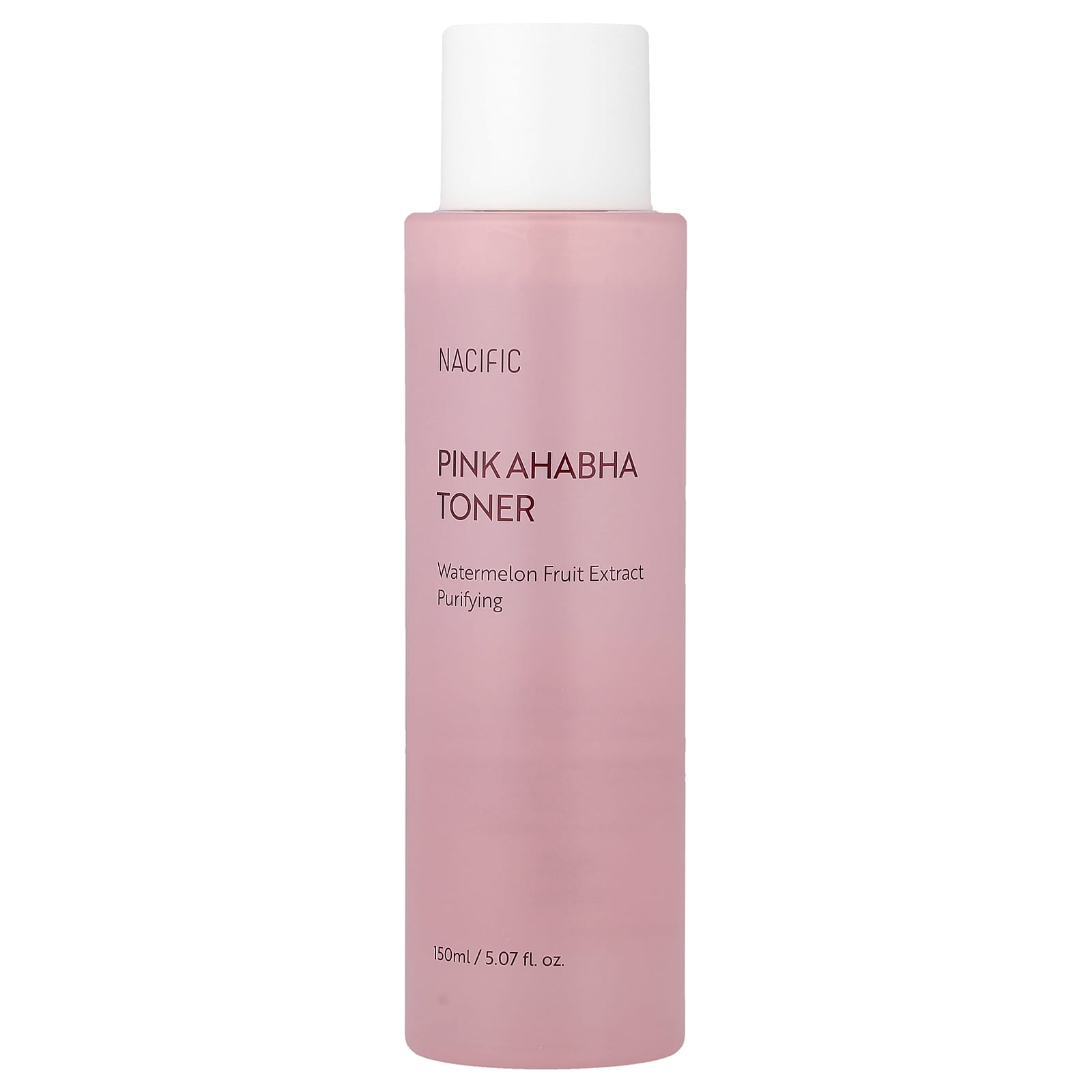
Credit: ca.iherb.com
Frequently Asked Questions
What Is Aha Skincare And Its Main Benefits?
Aha Skincare uses alpha hydroxy acids for gentle exfoliation. It improves skin texture, brightens complexion, and reduces fine lines. Regular use promotes smoother, youthful skin. It also helps unclog pores and fade dark spots effectively.
How Often Should I Use Aha Skincare Products?
Start with 2-3 times weekly to avoid irritation. Gradually increase frequency as your skin builds tolerance. Always follow product instructions and moisturize after use. Overuse can cause dryness or sensitivity, so moderation is key.
Are Aha Skincare Products Suitable For Sensitive Skin?
Some AHA products may irritate sensitive skin. Choose formulations with lower acid concentrations for gentler effects. Patch test before full application to ensure no adverse reaction. Consult a dermatologist if unsure about product suitability.
Can Aha Skincare Help With Acne And Blackheads?
Yes, AHAs exfoliate dead skin cells and clear pores. This reduces acne breakouts and blackheads effectively. Consistent use helps maintain clearer, smoother skin. Pairing with non-comedogenic moisturizers enhances results.
Conclusion
Aha Skincare offers gentle care for glowing, healthy skin. It helps remove dead skin and smooths rough patches. Regular use can brighten your face and reduce dullness. Many find it easy to add into daily routines. Choose products that fit your skin type and needs.
Clear, fresh skin feels great and boosts confidence. Give Aha Skincare a try for simple skin care. Your skin will thank you with a natural glow.
