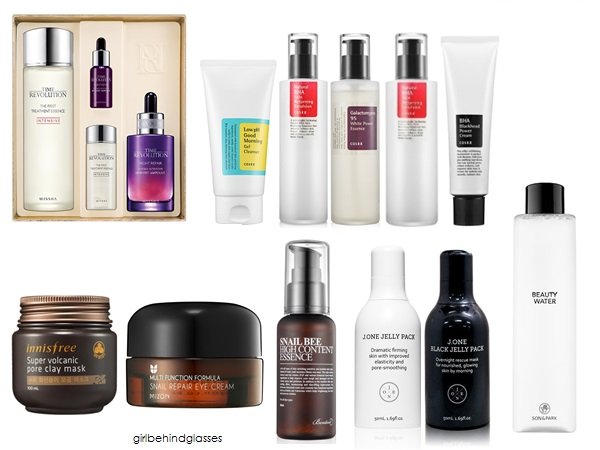
Have you ever wondered if Korean skincare products are truly better for your skin as an Asian? With so many options out there, it’s easy to feel lost or unsure about what will work best for you.
What if the secret to glowing, healthy skin lies in ingredients and formulas designed specifically for your unique skin type? Keep reading, because understanding why Korean skincare might be the perfect match for your skin could change the way you care for yourself every day.
Your skin deserves the best, and this article will help you discover if Korean products hold the key.

Credit: www.reddit.com
Korean Skincare Popularity
Korean skincare products have soared in popularity across the globe, catching the attention of beauty enthusiasts everywhere. Their reputation isn’t just hype; it’s built on unique approaches and results that many find impressive. But what exactly makes these products stand out, especially when considering Asian skin types?
Global Influence
Korean skincare’s rise is hard to ignore. Social media influencers, celebrities, and everyday users share their glowing skin stories, making Korean products a staple worldwide.
Have you noticed how many beauty bloggers rave about K-beauty? Their routines often include layers of lightweight products, which differ from traditional Western methods. This global buzz pushes brands to keep innovating and expanding their reach.
Unique Ingredients
Korean skincare often uses ingredients that might seem unusual but work wonders. Snail mucin, green tea, and fermented extracts are just a few examples.
These ingredients target hydration, brightening, and anti-aging in ways you might not find elsewhere. Have you tried a product with something new like centella asiatica or propolis? They can provide gentle yet effective care, especially for sensitive or combination skin.
Innovative Formulas
The formulas in Korean skincare blend science with nature, focusing on gentle yet effective results. Lightweight textures like essences, ampoules, and cushions deliver active ingredients without feeling heavy.
This innovation means you can build a skincare routine that suits your skin’s needs without irritation. If your skin struggles with dryness or breakouts, Korean products offer options that balance and soothe, often faster than more traditional creams and lotions.
Skin Types And Concerns
Understanding skin types and concerns is essential in choosing the right skincare products. Different ethnicities often have unique skin characteristics that affect how skin reacts to products. For Asians, specific traits and issues influence their skincare needs. Knowing these differences helps explain why Korean skincare products may be suitable.
Common Asian Skin Traits
- Generally, Asian skin is thicker than other ethnicities.
- It tends to produce more melanin, leading to deeper tones.
- Asian skin often has a smoother texture.
- The skin can be prone to oiliness, especially in the T-zone.
- It may show signs of dullness due to slower cell turnover.
Typical Skin Issues
- Hyperpigmentation and dark spots are common problems.
- Acne can occur due to excess oil and pollution exposure.
- Sun sensitivity may cause uneven skin tone.
- Dry patches sometimes appear during colder months.
- Signs of aging often start with fine lines and pigmentation.
How Skin Differs Across Ethnicities
Skin thickness, oil production, and sensitivity vary widely among ethnic groups. For example, Caucasian skin is usually thinner and more prone to redness. African skin has higher melanin but may experience dryness more often. Asian skin balances oiliness and sensitivity differently, requiring tailored care.
These differences impact how skin reacts to products. Some ingredients work better on certain skin types. Korean skincare focuses on gentle, hydrating formulas. They often target pigmentation and moisture balance, matching Asian skin concerns.
Benefits Of Korean Skincare For Asians
Korean skincare products offer unique benefits tailored to Asian skin types. These benefits address common skin concerns and enhance natural beauty. The formulas work well with the typical characteristics of Asian skin. Many Asians find these products effective for daily skincare routines.
Hydration And Brightening
Korean skincare focuses heavily on hydration. Products contain ingredients like hyaluronic acid and glycerin. These keep skin moist without feeling heavy. Brightening agents such as niacinamide and vitamin C help reduce dark spots. They promote a clear and radiant complexion. Hydrated skin looks healthy and glowy, a key goal in Korean beauty.
Gentle Formulations
Many Korean products use gentle ingredients. They avoid harsh chemicals that can irritate sensitive skin. This suits Asians who often have delicate or combination skin. Products are designed to soothe and calm redness. Gentle exfoliants help remove dead skin without damage. This care helps maintain skin’s natural barrier and balance.
Focus On Prevention
Korean skincare emphasizes preventing skin problems early. Daily use of sunscreen is a common step. Products support skin health to avoid aging signs. Ingredients like antioxidants protect against pollution and sun damage. This approach helps keep skin youthful and smooth over time. Prevention reduces the need for heavy treatments later.
Comparing With Other Products
Choosing the right skincare product is important for healthy skin. Asian skin has unique needs due to climate and genetics. Comparing Korean skincare products with others helps find the best fit. Let’s explore how Korean products differ from Western ones in ingredients, effectiveness, price, and accessibility.
Western Skincare Vs Korean Skincare
Western skincare often focuses on quick results and strong formulas. These products may contain powerful chemicals and fewer steps. Korean skincare uses a gentle, multi-step routine. It emphasizes hydration, protection, and prevention. The goal is healthy, glowing skin over time. Korean routines often include cleansers, toners, essences, serums, and sunscreens.
Ingredients And Effectiveness
Korean products use natural ingredients like green tea, snail mucin, and ginseng. These ingredients soothe and brighten skin without harsh effects. Western products may rely on retinoids and acids for anti-aging and acne. Both types can be effective, but Korean skincare suits sensitive and dry skin better. The gentle ingredients reduce irritation and support skin’s natural barrier.
Price And Accessibility
Korean skincare products are often affordable and widely available online. They offer good value for high-quality ingredients. Western brands can be more expensive and found mainly in stores or specialty shops. Korean brands provide a variety of options for different budgets. This accessibility helps more people try and enjoy effective skincare routines.
Potential Drawbacks
While Korean skincare products have gained immense popularity for their innovative ingredients and gentle formulations, they may not be the perfect fit for everyone, especially when considering Asian skin types. It’s important to understand some potential drawbacks before fully committing to these products. Knowing the challenges can help you make smarter choices tailored to your skin’s unique needs.
Skin Sensitivities
Even though many Korean products promote soothing and hydrating effects, some contain potent active ingredients like acids, retinoids, or fragrances that can trigger reactions. Asian skin, which can be more prone to sensitivity or hyperpigmentation, might react unexpectedly.
Have you noticed redness or irritation after trying a new Korean product? It’s a sign to pause and reassess what your skin truly needs rather than following trends blindly.
Product Overload
Korean skincare routines often recommend multiple steps, sometimes up to 10 or more products daily. This can easily lead to product overload, where layering too many items causes clogged pores or imbalance in your skin barrier.
You don’t have to use every product in the routine. Focus on essentials that suit your skin type instead of adding everything you see on social media. Quality over quantity works best.
Cultural Adaptation
Many Korean products are formulated based on the climate, pollution levels, and lifestyle common in Korea. Your environment might be different, affecting how well these products perform on your skin.
For example, a heavy moisturizing cream designed for cold, dry winters may feel too greasy in humid climates common in some Asian countries. Think about your own surroundings before adopting a new skincare habit.
Choosing The Right Products
Choosing the right Korean skincare products is key for effective and safe skincare. Each person’s skin is unique. Asian skin types often have specific needs. Knowing how to select products helps avoid irritation and boosts skin health. Focus on ingredients, testing, and your skin’s needs for best results.
Reading Ingredients
Check the product’s ingredient list carefully. Look for natural and gentle components. Avoid harsh chemicals that can cause irritation. Ingredients like snail mucin, green tea, and centella asiatica suit many Asian skin types. Some ingredients target pigmentation or dryness. Understanding ingredients helps pick products that work well for your skin.
Patch Testing
Always test new products on a small skin area first. Apply a small amount on your wrist or behind your ear. Wait 24 to 48 hours to check for reactions. No redness, itching, or swelling means it’s safe to use. Patch testing prevents bad reactions and skin damage.
Tailoring To Personal Needs
Know your skin type: oily, dry, combination, or sensitive. Choose products that match your skin’s condition. For oily skin, look for lightweight, non-comedogenic formulas. Dry skin benefits from hydrating and nourishing products. Sensitive skin needs soothing and fragrance-free items. Adjust your routine with seasons and skin changes. Personalizing skincare improves comfort and effectiveness.
Future Trends In Skincare
The future of skincare holds exciting changes, especially for Asian skin. Advances in science and technology will shape new products and routines. Korean skincare brands lead innovation with unique approaches.
These trends focus on meeting individual needs and caring for the planet. They also use new tools and ingredients to improve skin health. The next generation of skincare promises to be more effective and gentle.
Personalized Skincare
Personalized skincare tailors products to each person’s skin type and concerns. Korean brands use data and AI to create custom formulas. This approach helps target specific issues like dryness, acne, or sensitivity.
Consumers can expect skin analysis tools and apps for better product choices. Personalized routines improve results and reduce waste from unused products.
Sustainability In Korean Brands
Many Korean brands focus on eco-friendly packaging and ingredients. They aim to reduce plastic use and promote recycling. Natural and organic ingredients are gaining popularity.
Brands adopt ethical sourcing and cruelty-free testing. Sustainability is becoming a key factor in product development and consumer choices.
Technological Advances
New technology improves skincare product delivery and effectiveness. Nanotechnology allows active ingredients to penetrate deeper into the skin. Devices like LED masks and skin scanners are more accessible.
Korean brands invest in research to create smart skincare solutions. Technology helps monitor skin changes and adjust treatments in real time.

Credit: www.stylevana.com

Credit: www.reddit.com
Frequently Asked Questions
Are Korean Skincare Products Best For Asian Skin?
Korean skincare products are often formulated for Asian skin types. They focus on hydration, brightening, and gentle ingredients. This makes them suitable for many Asians, but individual skin needs may vary. Always patch test before full use.
What Ingredients Make Korean Skincare Effective For Asians?
Key ingredients like snail mucin, green tea, and ginseng are common. These provide hydration, anti-aging, and soothing benefits. Formulations also avoid harsh chemicals, catering to sensitive Asian skin. This balance enhances effectiveness and skin compatibility.
How Do Korean Products Differ From Western Skincare?
Korean skincare emphasizes layering lightweight products for hydration and protection. Western skincare often focuses on treatment with fewer steps. Korean products use natural ingredients and gentle formulations suited for Asian skin’s sensitivity and climate.
Can Korean Skincare Products Cause Allergies In Asians?
While designed for Asian skin, allergies can still occur. Ingredients like fragrances or preservatives may trigger reactions. Always check product labels and do a patch test. Consult a dermatologist if unsure about specific sensitivities.
Conclusion
Korean skincare offers unique benefits for Asian skin types. Ingredients like ginseng and snail mucin can enhance skin health. Their lightweight formulas suit Asian climates well. But every skin is different. Testing products is key to finding what works best.
Some may find better results with other brands. Exploring various options can help achieve your skincare goals. Always consider your skin’s needs. Consult a dermatologist for personalized advice. Korean skincare is popular, but it’s not the only solution. Your skin is unique.
Choose products that truly benefit your skin.
