
Have you ever felt that the world around you is shifting in ways that make faith seem old-fashioned or irrelevant? You’re not alone.
The modern age is filled with messages that can confuse and mislead us about what truly matters. These whispers may seem harmless at first, but they often hide deeper deceptions that can steer you away from your beliefs. We’re diving into five common lies that our anti-Christian age wants you to believe.
By uncovering these falsehoods, you’ll be better equipped to protect your faith and stay true to your values. Curious about what these lies are and how they might be affecting your life? Keep reading to discover the truth and find clarity amidst the chaos.
False Promise Of Moral Relativism
The false promise of moral relativism suggests that truth and morality shift according to individual or cultural preferences. It appeals by claiming freedom from rigid rules and offering a path where “anything goes.” But this promise often leads to confusion and instability rather than true liberty.
Shifting Standards And Their Impact
When moral standards change constantly, you struggle to find a firm ground for your decisions. What was right yesterday might be wrong today, leaving you uncertain about how to act. This can cause tension in relationships, workplaces, and communities because everyone operates with different rules.
Think about a workplace where honesty is valued one day but ignored the next. How can trust survive in such an environment? You may find yourself questioning your own values, unsure if you should stand firm or adapt just to fit in.
Consequences Of Rejecting Absolute Truth
Rejecting absolute truth opens the door to moral chaos. Without fixed points of reference, it becomes difficult to say what is truly harmful or beneficial. This uncertainty can make it easy to justify harmful behaviors, simply because they seem acceptable in the moment.
Have you noticed how difficult it is to hold someone accountable when everyone believes their own version of right and wrong? This erosion of accountability can weaken communities and leave individuals isolated. You might wonder if genuine justice or fairness is still possible when truth is seen as flexible.

Credit: www.amazon.com
Myth Of Secular Progress
The Myth of Secular Progress suggests society is steadily improving without religion. This idea claims moral values grow stronger as faith declines. Many believe that modern science and technology replace religious teachings. This view overlooks the deep role faith has played in shaping ethics. It also ignores social issues that persist despite secular advances.
Evaluating Claims Of Moral Advancement
Secular progress often equates to better laws and freedoms. Yet, moral behavior is not guaranteed by laws alone. Crime, corruption, and selfishness still exist in modern societies. Some societies with strong religious roots show better community care and honesty. Secular progress can bring technology but not always improve character. True moral growth requires more than science and reason.
The Role Of Faith In Social Development
Faith has inspired many social reforms and acts of kindness. Religious groups run hospitals, schools, and charities worldwide. These efforts build stronger communities and help the needy. Faith teaches values like forgiveness, humility, and love. Such lessons guide people beyond rules and laws. Ignoring faith’s role means missing a vital part of social progress.
Denial Of Spiritual Reality
The denial of spiritual reality is a profound lie shaping today’s world. It dismisses the unseen aspects of life that many traditions, especially Christianity, hold as essential truths. This denial affects how you view yourself, your purpose, and the very nature of existence.
Ignoring The Existence Of The Soul
Many people today reject the idea of the soul as something real and lasting. Science often focuses only on what can be measured, leaving no room for the soul’s presence. But what if your sense of self goes beyond your physical body and brain?
When you ignore the soul, you risk losing touch with what makes you truly unique. It’s like trying to understand a painting by only looking at the colors, not the meaning behind them. This denial can leave you feeling empty, as if something important is missing from your life.
Effects On Personal Identity And Purpose
Without belief in a spiritual reality, personal identity becomes purely material and temporary. You might find yourself asking, “Who am I beyond my job or appearance?” or “Why am I here?” but get no satisfying answers.
This can lead to a sense of aimlessness or despair. When your identity is tied only to physical existence, setbacks and failures can feel like the end of your story. Embracing a spiritual reality, however, offers a deeper foundation for purpose that doesn’t crumble with life’s challenges.
Have you noticed how moments of quiet reflection or prayer bring clarity and peace? That experience hints at something beyond the physical world. Recognizing spiritual reality can transform how you understand your identity and guide your daily choices.

Credit: www.amazon.com
False Notion Of Religion As Oppression
The false notion that religion equals oppression is widespread today. Many people believe faith always leads to control and harm. This view ignores the true heart of religious teachings. It mixes the misuse of power with spiritual beliefs. Understanding this difference is crucial to see religion in a fair light.
Separating Faith From Misuse Of Power
Religious faith teaches love, kindness, and respect for others. Yet, some leaders have used religion to gain control or justify violence. This misuse of power is not the fault of faith itself. It is a human error, not a spiritual truth. Faith offers guidance for good, not oppression.
Many abuses happen when people confuse their own goals with religious commands. True faith calls for freedom and dignity. It opposes cruelty and injustice. Separating faith from these abuses helps us see religion’s real purpose.
Positive Contributions Of Christianity
Christianity has inspired many positive changes in history. It has encouraged care for the poor and sick. Many hospitals and schools began because of Christian values.
- Promoting human rights and equality.
- Encouraging forgiveness and peace.
- Building communities based on love and service.
Christian teachings often push people to help others and work for justice. These contributions show that faith supports freedom and kindness, not oppression.
Misconception Of Christianity As Outdated
The idea that Christianity is outdated is a common misconception today. Many believe its teachings belong only to the past. This view ignores how Christianity continues to shape lives and societies. Christianity offers answers to deep human questions that never change.
Its core values remain relevant, guiding people through modern challenges. The belief that Christianity is old-fashioned misses the fact that its truths are timeless. These truths connect with people across all ages and cultures.
Timeless Values In A Changing World
Christianity teaches love, kindness, and forgiveness. These values do not lose meaning over time. In a fast-changing world, they provide stability and hope. People seek purpose and moral direction, which Christianity offers clearly.
The principles of honesty and compassion help build strong communities. They support fairness and respect in daily life. These values stand firm despite new technologies and social changes.
Relevance Of Christian Teachings Today
Christian teachings address real problems people face today. They encourage caring for the poor and helping the needy. This message remains powerful in societies with inequality and hardship.
Christianity also promotes peace and justice. It calls for standing against violence and unfairness. Many find strength in these teachings to improve their lives.
The Bible’s lessons on patience and hope help people cope with stress. Its guidance on relationships supports families and friendships. These teachings apply as much now as in the past.
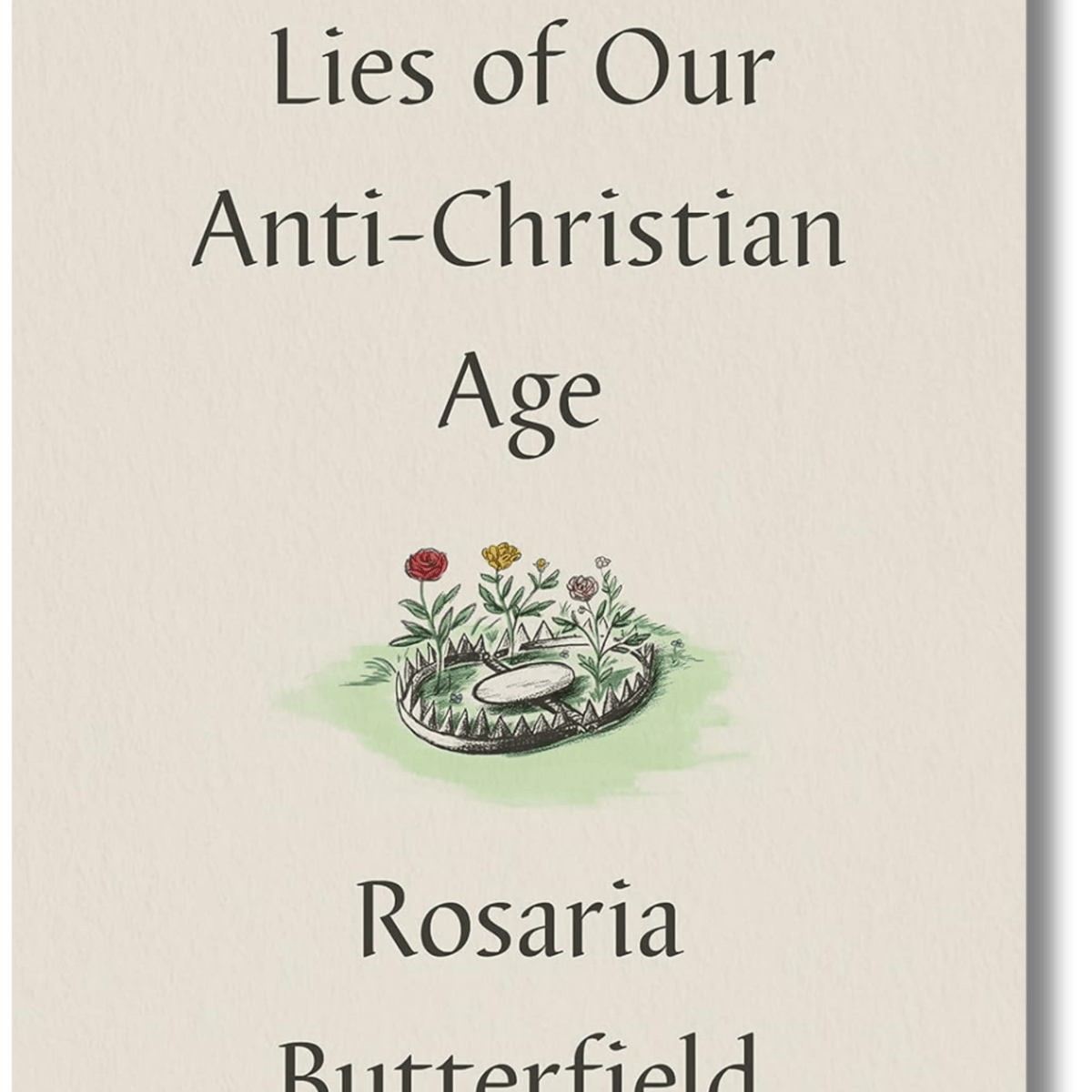
Credit: reformedbookservices.com
Frequently Asked Questions
What Are The Main Lies In Our Anti-christian Age?
The main lies include denial of absolute truth, moral relativism, rejection of Christ’s divinity, false humanism, and distorted freedom concepts. These lies undermine Christian values and faith, promoting secularism and skepticism against biblical teachings.
How Does Moral Relativism Affect Christian Beliefs?
Moral relativism denies absolute right and wrong, challenging biblical morals. It promotes personal opinions over God’s laws, causing confusion and weakening Christian ethical standards in society.
Why Is Rejecting Christ’s Divinity A Common Lie Today?
Rejecting Christ’s divinity questions His authority and salvation power. This lie aims to diminish Christianity’s core message, leading people away from faith and biblical truth.
What Impact Does False Humanism Have On Christianity?
False humanism elevates humans above God, ignoring divine guidance. It fosters self-centeredness and dismisses Christian humility, shifting focus from spiritual values to worldly success and personal gain.
Conclusion
The five lies of our anti-Christian age try to confuse us. Truth stands firm despite these false ideas. Faith gives strength and hope to many. Always seek honesty and live with courage. Understanding the truth helps us grow. Keep your heart open to real wisdom.
Stand strong and face challenges boldly. Truth wins when we hold it close.