
Do you struggle with keeping your curls looking fresh and healthy? Curly hair needs special care to stay soft, defined, and frizz-free.
If you’ve ever felt frustrated by dryness, tangles, or unruly curls, you’re not alone. But don’t worry—learning the right steps can transform your hair routine and bring out the best in your curls. Keep reading to discover simple, effective tips that will help you love your curly hair every day.
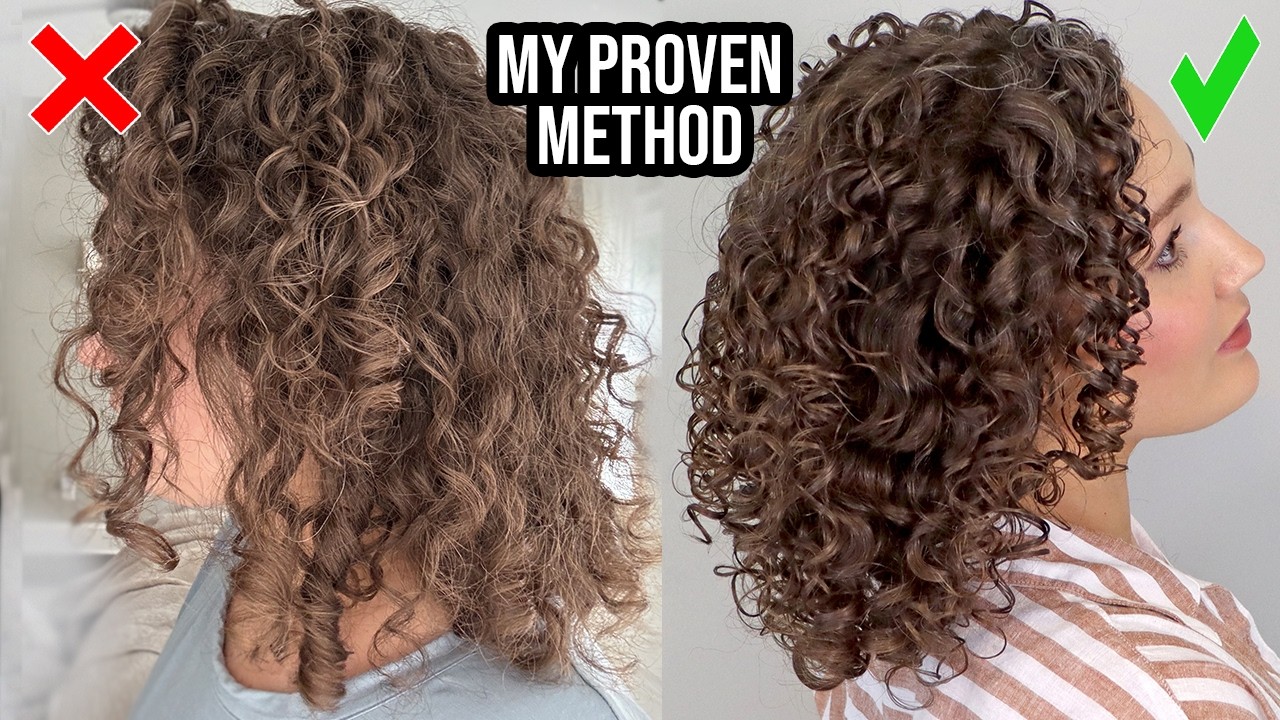
Credit: www.youtube.com
Curly Hair Types
Curly hair comes in many shapes and forms. Knowing your curl type helps choose the right care. Each curl pattern needs different products and techniques. Understanding your hair’s porosity and texture also improves hair health and styling results.
Identifying Curl Patterns
Curl patterns range from loose waves to tight coils. Hair can be straight, wavy, curly, or kinky. Curly hair types are often divided into 3 main groups:
- Type 2: Wavy hair, with loose S-shaped curls
- Type 3: Curly hair, with defined ringlets
- Type 4: Coily or kinky hair, with tight curls or zigzag shapes
Look closely at your hair when dry and clean. Notice how curls form naturally. This helps in selecting suitable shampoos and conditioners.
Porosity And Texture
Porosity shows how well hair absorbs and holds moisture. It affects how hair reacts to products and water.
- Low porosity hair resists moisture and dries slowly
- Medium porosity hair absorbs moisture well and holds styles
- High porosity hair absorbs quickly but loses moisture fast
Texture means how thick or thin individual hair strands are. Fine strands are delicate. Coarse strands are stronger but may need more moisture.
Knowing porosity and texture guides your product choices. It helps keep curls soft and healthy.
Cleansing Curly Hair
Cleansing curly hair needs a gentle and thoughtful approach. Curly strands are naturally drier and more fragile than straight hair. Using harsh shampoos or washing too often can strip away natural oils. These oils are essential for keeping curls soft and defined. Proper cleansing helps maintain moisture and prevents frizz. Understanding how to wash curly hair correctly improves its health and appearance.
Choosing The Right Shampoo
Select shampoos made for curly or dry hair. These products usually have mild cleansers and extra moisturizing ingredients. Avoid shampoos with sulfates, parabens, or alcohol. These chemicals can dry out curls and cause breakage. Look for shampoos that say “sulfate-free” and “hydrating.” Ingredients like shea butter, coconut oil, and aloe vera nourish curls while cleansing gently.
Co-washing Benefits
Co-washing means washing hair with conditioner instead of shampoo. It cleans hair without removing natural oils. This method keeps curls hydrated and soft. Co-washing reduces frizz and prevents curls from becoming brittle. Use a lightweight conditioner designed for co-washing. Massage it into the scalp to remove dirt and buildup. Rinse well to keep curls fresh and clean.
Washing Frequency Tips
Curly hair does not need daily washing. Washing too often can dry out curls and make them frizzy. Most people with curly hair benefit from washing once or twice a week. Between washes, use a spray bottle with water or a leave-in conditioner to refresh curls. Adjust washing frequency based on hair texture, scalp condition, and lifestyle.
Moisturizing Techniques
Moisturizing curly hair is essential to keep those curls defined, soft, and frizz-free. Curly strands tend to be drier because natural oils have a harder time traveling down the twists and turns. Using the right moisturizing techniques can make a huge difference in how your curls look and feel every day.
Deep Conditioning
Deep conditioning is like a hydration boost for your curls. It penetrates the hair shaft to restore moisture and repair damage.
Try using a deep conditioner once a week. Leave it on for at least 20 minutes, preferably with a shower cap to trap heat, which helps the product soak in better.
Look for ingredients like shea butter, coconut oil, or glycerin. These nourish your curls without weighing them down. Have you noticed how a deep conditioner can transform your curls from dry and dull to bouncy and shiny?
Leave-in Conditioners
Leave-in conditioners provide ongoing moisture throughout the day. They’re lighter than regular conditioners but still keep your curls hydrated and manageable.
Apply a leave-in conditioner right after washing your hair while it’s still damp. This helps lock in moisture and reduces frizz.
Choose one that matches your curl type. For tighter curls, a creamier formula might work best, while looser curls might prefer a spray or lighter lotion. Have you found a leave-in conditioner that makes styling easier?
Hydrating Sprays
Hydrating sprays are perfect for refreshing curls between wash days. They add moisture without buildup or heaviness.
Use a hydrating spray to revive curls in the morning or whenever they start to feel dry. Look for sprays with aloe vera, rose water, or other natural hydrators.
Keep one in your bag for a quick moisture boost anytime you need it. Could a simple spray be the secret to keeping your curls lively all day long?

Credit: www.youtube.com
Styling Curly Hair
Styling curly hair requires gentle care to enhance natural curls and prevent frizz. Choosing the right techniques and products helps curls stay defined and healthy. Proper styling also reduces breakage and keeps hair soft.
Detangling Methods
Start detangling with wet hair and a wide-tooth comb or fingers. Use a conditioner or detangling spray to make hair slippery. Work from the ends toward the roots to avoid pulling and breakage. Detangle gently to protect curl shape and reduce damage.
Curl-enhancing Products
Use curl creams, gels, or mousses designed for curly hair. These products add hold and moisture without weighing curls down. Apply products to damp hair, scrunching upwards to shape curls. Avoid heavy products that cause buildup or stiffness.
Diffusing And Air Drying
Diffusing with a blow dryer on low heat helps curls dry faster without frizz. Use a diffuser attachment and cup curls gently while drying. Air drying is the gentlest option and keeps curls soft. Avoid touching hair too much while drying to maintain curl pattern.
Protecting Curls
Protecting your curls is essential to keep them looking vibrant and healthy. Curly hair tends to be more fragile and prone to dryness, so giving it the right care can make a huge difference. Small changes to your routine can help maintain your curls’ natural bounce and shine.
Nighttime Care
How you treat your curls at night affects how they look the next day. Sleeping on a cotton pillowcase can cause friction, leading to frizz and breakage.
Try using a satin or silk pillowcase instead. These materials reduce friction and help your curls retain moisture.
You can also wrap your hair in a silk scarf or use a loose pineapple hairstyle to protect curls while you sleep. Have you noticed how your curls behave after a good night’s sleep with these methods?
Heat Protection
Heat styling tools can damage your curls if you don’t protect them first. Always apply a heat protectant spray or cream before using a blow dryer, flat iron, or curling wand.
Choose products with ingredients like silicones or natural oils that shield hair from high temperatures. This step can prevent dryness and split ends, keeping your curls soft and defined.
Is skipping heat protection worth risking your hair’s health?
Avoiding Damage
Curly hair needs gentle handling to avoid breakage. Avoid brushing dry curls; instead, detangle them when wet with a wide-tooth comb or your fingers.
Limit harsh chemical treatments and try to reduce washing your hair every day to preserve natural oils.
Use moisturizing shampoos and conditioners designed for curly hair to keep strands hydrated. What small changes can you make today to protect your curls from damage?

Credit: www.firstchoicehair.ca
Trimming And Maintenance
Trimming and maintaining curly hair is essential to keep your curls looking fresh, healthy, and defined. Regular trims prevent split ends and help maintain your hair’s natural bounce. Taking care of your curls with the right trimming schedule and techniques can make a huge difference in how your hair behaves daily.
When To Trim
Curly hair doesn’t need to be trimmed as often as straight hair because it tends to be drier and more prone to breakage. A good rule is to trim your curls every 8 to 12 weeks, depending on how fast your hair grows and how well you maintain it. Watch for signs like frizz, split ends, or a loss of curl definition—they’re your hair’s way of asking for a trim.
Trimming Techniques
Cutting curly hair requires a gentle approach to avoid disrupting the natural curl pattern. Many stylists recommend trimming curls when they are dry because it shows how your hair naturally falls. If you trim wet curls, you might accidentally cut too much since curls shrink as they dry.
- Use sharp scissors designed for hair cutting to get clean cuts and reduce fraying.
- Trim curls one at a time or in small sections to maintain shape and avoid uneven lengths.
- Consider dusting—the technique where only the very ends of curls are trimmed to remove split ends without losing length.
Maintaining Shape
Keeping your curls in shape isn’t just about trimming; it’s also about how you style and care for them daily. After a trim, you might notice your curls springing up differently, which is normal. Using lightweight curl creams or gels helps define your curls and maintain their shape throughout the day.
Ask yourself: Are your curls bouncing back after you wake up or do they look flat and lifeless? Adjust your trimming schedule or styling products accordingly to keep your curls lively and well-shaped.
Common Mistakes To Avoid
Taking care of curly hair can be tricky. Many people make common mistakes that damage their curls. Avoiding these errors helps keep curls healthy and bouncy. Understanding what to skip is just as important as knowing what to do.
Over-washing
Washing curly hair too often strips natural oils. These oils protect and nourish curls. Without them, hair becomes dry and frizzy. Aim to wash curls only 1-2 times per week. Use gentle, sulfate-free shampoos for best results.
Using Harsh Chemicals
Curls react badly to strong chemicals. Harsh dyes, relaxers, and treatments weaken hair strands. This causes breakage and loss of curl pattern. Choose products made for curly hair. Avoid chemical treatments that damage hair’s natural texture.
Skipping Moisture
Curly hair needs constant moisture to stay soft. Skipping conditioners and leave-in treatments leads to dryness. Dry curls look dull and feel rough. Use deep conditioners and hydrating creams regularly. Moisture helps curls stay defined and healthy.
Curly Hair Myths
Curly hair often comes with a lot of confusion and misinformation. Many myths about how to care for curls can lead you down the wrong path, making your hair routine frustrating and less effective. Understanding what’s true and what’s not will help you treat your curls with the respect and care they deserve.
Debunking Popular Beliefs
One common myth is that curly hair is always dry and needs heavy oils to stay hydrated. While some curls do tend to be drier, overloading your hair with oils can weigh it down and make it look greasy instead of healthy.
Another false belief is that you should shampoo curly hair less often to avoid drying it out. While frequent shampooing can strip natural oils, skipping it too long can lead to buildup and scalp issues. Finding a balance is key, and using gentle, sulfate-free shampoos can help maintain moisture without sacrificing cleanliness.
Have you heard that brushing curly hair every day is necessary? Actually, brushing dry curls can cause frizz and breakage. Using a wide-tooth comb or your fingers to detangle when your hair is wet and conditioned is much safer for your curls’ natural pattern.
Facts Vs. Fiction
| Myth | Fact |
|---|---|
| Curly hair is dirty if not washed daily | Curly hair doesn’t need daily washing; less frequent washing can preserve natural oils and prevent dryness. |
| All curly hair types need the same products | Curly hair varies widely; products should be chosen based on your specific curl pattern and scalp needs. |
| Heat styling is always bad for curls | Using heat protectants and moderate heat occasionally can be safe; damage depends on technique and frequency. |
Have you noticed how your curls respond differently to certain treatments compared to advice you’ve read online? This is because curly hair is unique, and your best care routine comes from paying attention to your own hair’s reactions, not blindly following popular myths.
Frequently Asked Questions
How Often Should I Wash Curly Hair?
Curly hair should be washed 1-2 times a week to avoid dryness. Use a sulfate-free shampoo to maintain natural oils and moisture balance.
What Is The Best Way To Detangle Curly Hair?
Detangle curly hair gently using a wide-tooth comb or fingers. Always detangle when hair is wet and conditioned to prevent breakage.
How Can I Reduce Frizz In Curly Hair?
Use moisturizing products like leave-in conditioners and natural oils. Avoid heat styling and use a microfiber towel or cotton t-shirt to dry hair.
Which Products Work Best For Curly Hair Care?
Look for sulfate-free shampoos, hydrating conditioners, and curl creams. Products with natural oils like argan or coconut oil help nourish curls.
Conclusion
Caring for curly hair can be simple and rewarding. Use gentle shampoos and conditioners. Moisturize often for healthy curls. Avoid heat styling to prevent damage. Choose wide-tooth combs for detangling. Trim regularly to maintain shape. Experiment with hairstyles that suit your curls.
Embrace natural texture for a unique look. Stay patient and consistent with your routine. Your curls will thank you. Enjoy the journey to beautiful, healthy hair. Remember, every curl is unique. Celebrate your curly hair with confidence. Keep learning and adapting your care routine.
Happy curls make happy days!
