Have you ever wondered what makes Japanese skin color so unique and admired around the world? If you’re curious about the natural tones, care habits, and cultural influences behind that radiant look, you’re in the right place.
Understanding Japanese skin color can help you discover new ways to enhance your own glow and embrace your beauty with confidence. Keep reading to learn the secrets that might just change how you see your skin forever.
Japanese Skin Tone Traits
Japanese skin tone shows unique traits shaped by nature and culture. Understanding these traits helps appreciate the beauty and diversity of Japanese skin.
Common Complexion Characteristics
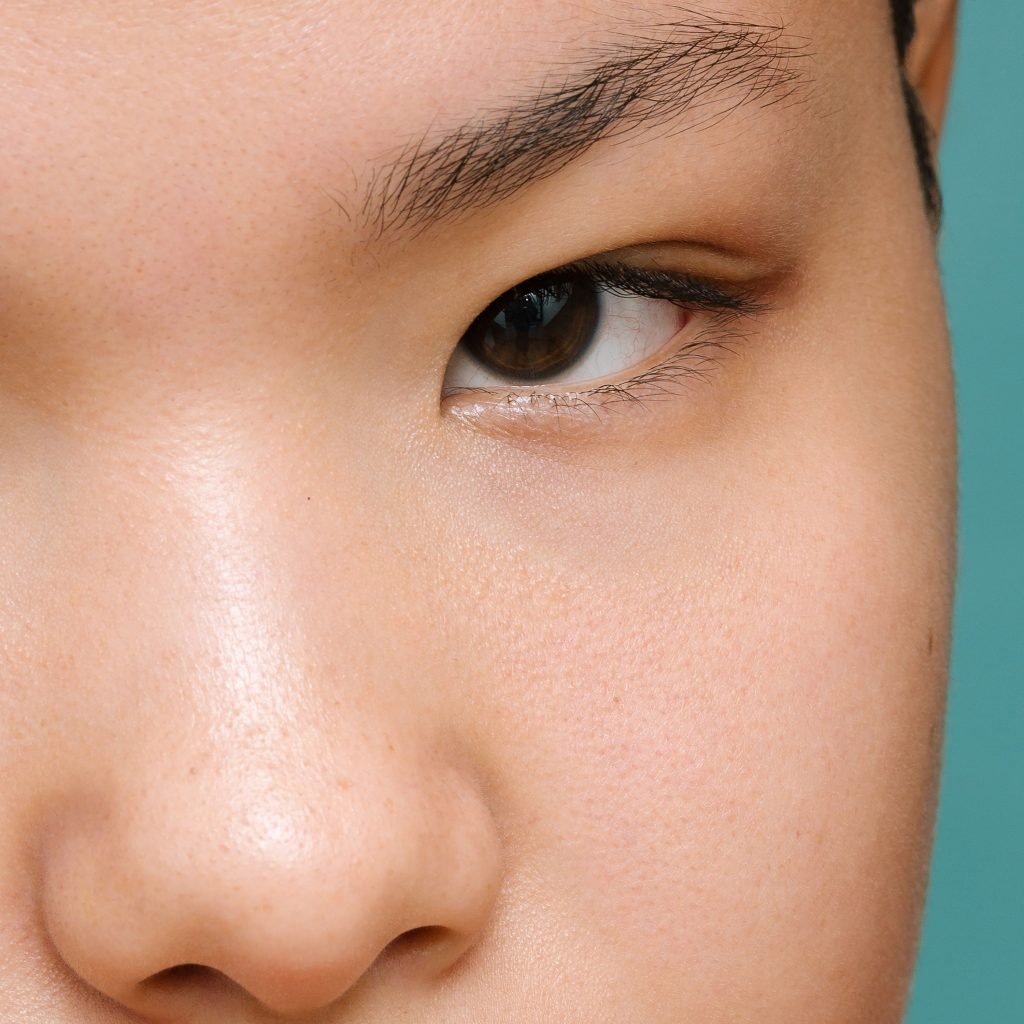
Japanese skin often has a light to medium tone. It usually appears smooth and even. Many have a natural glow and soft texture. The skin tends to stay clear and less oily. Some may notice a slight yellow or olive undertone. This gives the skin a warm, healthy look.
Genetic Influences
Genes play a big role in Japanese skin color. They affect melanin levels, the pigment that gives skin its color. Lower melanin means lighter skin, common in many Japanese people. Skin also reacts differently to sun exposure due to genetics. This impacts how quickly the skin tans or burns. Genetic factors also influence skin thickness and moisture retention.
Cultural Beauty Ideals
In Japan, pale skin is often seen as beautiful and pure. This idea goes back centuries and still shapes skincare habits. Many use products to keep skin bright and clear. Smooth, unblemished skin is a key beauty goal. Natural looks are preferred over heavy makeup. Cultural values encourage gentle care and protection from the sun.
Credit: www.lemon8-app.com
Skincare Traditions In Japan
Japanese skincare traditions hold a deep respect for natural beauty and gentle care. These practices are built on centuries of knowledge passed down through generations. They focus not just on the skin’s surface but on nurturing your skin’s health from within.
Historical Practices
Many Japanese skincare routines trace back to the Edo period, where simplicity and natural beauty were prized. Women used rice bran and camellia oil daily to protect and brighten their skin. These ingredients weren’t just for beauty—they were part of a lifestyle that valued purity and balance.
Have you ever wondered why Japanese skin often looks so clear and radiant? It’s no accident. The emphasis was on prevention rather than correction, which means caring for your skin every day to keep it healthy and glowing.
Natural Ingredients
Japanese skincare relies heavily on natural ingredients, chosen for their gentle yet effective properties. Rice bran, green tea, seaweed, and azuki beans are staples in many products. These ingredients provide antioxidants, vitamins, and moisture without harsh chemicals.
Using natural elements means less irritation and a focus on long-term skin health. You might find that switching to products with these traditional ingredients can soothe sensitive skin and improve texture.
Rituals And Techniques
The Japanese approach to skincare is as much about the ritual as it is about the products. Double cleansing is a key step—first with an oil-based cleanser, then with a water-based one. This method ensures your skin is thoroughly clean but not stripped of moisture.
Massage techniques and layering lightweight products are also important. Applying lotion, essence, and moisturizer in gentle, upward strokes helps improve circulation and absorption. Have you tried adding a facial massage to your routine? It can make a real difference in how your skin feels and looks.
Modern Skincare Products
Modern skincare products in Japan blend tradition with science. They focus on maintaining clear, bright, and healthy skin. These products meet the needs of various skin tones and types seen in Japanese skin color.
Japanese brands use gentle but effective ingredients. They emphasize hydration, sun protection, and anti-aging benefits. Innovation drives the creation of formulas that suit daily skincare routines.
Popular Ingredients
- Rice bran: Rich in antioxidants and vitamins, it brightens the skin.
- Green tea extract: Helps reduce inflammation and protects from damage.
- Hyaluronic acid: Provides deep hydration and locks in moisture.
- Collagen: Supports skin firmness and elasticity.
- Camellia oil: Nourishes and smooths the skin surface.
Innovative Formulas
Japanese skincare uses lightweight textures that absorb quickly. Many products include multi-step formulas for layering. This layering helps build moisture and enhances skin barrier strength.
Products often combine natural extracts with advanced technology. They aim to improve skin tone without harsh chemicals. The focus lies on gentle care and long-term results.
Top Japanese Brands
- Shiseido: Known for combining research with traditional ingredients.
- DHC: Famous for olive oil-based skincare and deep cleansing oils.
- Kose: Offers a wide range of products for different skin needs.
- Hada Labo: Popular for simple, hydrating formulas featuring hyaluronic acid.
- SK-II: Uses Pitera™, a unique yeast extract for radiant skin.
.jpeg)
Credit: www.vogue.com
Diet And Lifestyle Impact
Your skin reflects what you feed it and how you live. Japanese skin color and texture often benefit from a unique blend of diet and lifestyle habits that support natural radiance. Understanding these factors can help you adjust your routine for healthier, glowing skin.
Foods That Enhance Skin
Japanese cuisine features many ingredients that nourish the skin deeply. Foods rich in antioxidants, like green tea and seaweed, protect skin cells from damage. Omega-3 fatty acids found in fish such as salmon improve skin elasticity and hydration.
Try adding these to your meals:
- Matcha or green tea for antioxidants
- Seaweed for vitamins and minerals
- Fatty fish for healthy fats
- Tofu and soy products for plant-based proteins
I noticed my skin felt smoother and more balanced when I started drinking green tea daily and eating more fish. Could your diet be the missing link for your skin’s health?
Hydration Habits
Hydration plays a crucial role in maintaining skin’s natural glow. The Japanese often consume water and herbal teas throughout the day to keep skin plump and fresh. Avoiding sugary drinks helps reduce inflammation and breakouts.
Small changes like carrying a water bottle or sipping on barley tea can make a big difference. Are you drinking enough to keep your skin hydrated from the inside out?
Stress And Sleep Effects
Stress and lack of sleep can dull your complexion and trigger skin issues. The Japanese emphasize balance through practices like meditation and consistent sleep schedules to support skin repair. Better sleep means your skin gets time to regenerate, reducing dark circles and improving tone.
Try winding down with a calming tea or light stretching before bed. How might your skin improve if you prioritized stress relief and quality sleep?
Sun Protection Practices
Sun protection is a key part of Japanese skin care. The culture values clear, even skin tones and avoids damage from UV rays. Simple habits and daily routines help maintain healthy skin. These practices fit well into busy lifestyles and the climate of Japan.
Sunscreen Usage
Sunscreen is applied daily, even on cloudy days. Many choose products with SPF 30 or higher for strong protection. Japanese sunscreens often have a light texture and do not leave a white cast. People reapply sunscreen every two to three hours when outdoors. This habit reduces the risk of sunburn and skin aging.
Protective Clothing
Lightweight, long-sleeved shirts and wide-brimmed hats are popular for sun defense. Umbrellas and parasols are common accessories to shield skin from direct sunlight. Clothing often uses UV-blocking fabric for extra protection. Sunglasses with UV filters protect the eyes and surrounding skin. These items help reduce sun exposure while staying comfortable.
Seasonal Adjustments
Sun protection changes with the seasons. In summer, people increase sunscreen use and wear more protective clothing. Winter requires less sunscreen but still benefits from UV-blocking gear. Spring and autumn bring moderate sun, so lighter protection is common. This flexible approach helps maintain skin health all year round.

Credit: int.japanesetaste.com
Makeup And Skin Harmony
Makeup and skin harmony is essential in Japanese beauty culture. The goal is to create a look that feels natural and enhances the skin’s true color. Japanese makeup focuses on subtlety and balance, blending makeup seamlessly with the skin tone. This approach respects the skin’s natural texture and color, allowing the unique beauty of Japanese skin to shine through.
Minimalist Makeup Style
Minimalist makeup is popular in Japan because it highlights natural features. It uses light coverage, soft colors, and simple techniques. The aim is to avoid heavy layers that hide the skin. Instead, makeup gently enhances the face, giving a fresh and clean look. This style suits all skin tones and ages.
Enhancing Natural Glow
Japanese makeup emphasizes a healthy, glowing complexion. Using products that add moisture and a slight shine helps skin look bright. Highlighters and dewy foundations create a soft glow without appearing oily. The glow mimics natural skin radiance, making the face look youthful and vibrant.
Popular Products
- Lightweight BB creams for even skin tone
- Translucent powders to reduce shine
- Soft pink or peach blushes for a natural flush
- Sheer lip tints that add subtle color
- Moisturizing highlighters for a gentle glow
Common Skin Concerns
Understanding common skin concerns among Japanese individuals helps you tailor your skincare approach effectively. Japanese skin often faces unique challenges due to environmental factors, lifestyle, and genetic traits. Addressing these concerns early can keep your skin radiant and healthy.
Dealing With Pigmentation
Pigmentation issues like dark spots and uneven skin tone are frequent concerns. Sun exposure plays a major role in causing pigmentation, especially under Japan’s intense seasonal sun. Using broad-spectrum sunscreen daily is a must to protect your skin from UV damage.
Products containing ingredients like vitamin C and arbutin can help lighten dark spots. I once noticed a significant improvement by adding a gentle vitamin C serum to my routine twice a day. Consistency is key—results won’t appear overnight, but your skin will thank you for the effort.
Aging Gracefully
Aging signs such as fine lines and loss of firmness often start appearing in your late 20s or early 30s. Japanese skincare focuses on prevention through hydration and antioxidants. Regularly applying moisturizers with ingredients like hyaluronic acid helps maintain skin elasticity.
Have you tried facial massages? I found that spending just five minutes massaging my face improved blood circulation and gave my skin a natural glow. Small daily habits like these can slow down visible aging without expensive treatments.
Preventing Dryness
Dryness is common due to Japan’s cold winters and indoor heating. This can lead to flaky, tight skin that feels uncomfortable. Using rich creams and layering with hydrating toners can lock in moisture effectively.
Don’t underestimate the power of lifestyle changes. Drinking enough water and using a humidifier during dry months made a huge difference for me. What simple change could you make today to keep your skin hydrated?
Frequently Asked Questions
What Is The Natural Skin Tone Of Japanese People?
The natural skin tone of Japanese people varies from light to medium shades. It often has a yellow or olive undertone due to genetic factors and climate adaptation. This variation is normal and reflects the diverse beauty within the Japanese population.
How Does Japanese Skin Differ From Other Asian Skin Tones?
Japanese skin typically has a smoother texture and lighter pigmentation than some other Asian skin types. It is less prone to hyperpigmentation and has a natural glow. These differences arise from genetics and environmental influences unique to Japan.
What Skincare Habits Are Common In Japan?
Japanese skincare emphasizes hydration, sun protection, and gentle cleansing. Many use products with ingredients like rice bran, green tea, and hyaluronic acid. Regular moisturizing and avoiding harsh treatments help maintain their skin’s natural clarity and smoothness.
Does Diet Affect Japanese Skin Color And Health?
Yes, diet plays a key role in Japanese skin health. Traditional foods rich in antioxidants, vitamins, and omega-3s support skin vitality. Consuming fish, green tea, and fermented foods helps maintain a radiant complexion and healthy skin tone.
Conclusion
Understanding Japanese skin color helps appreciate cultural diversity. It’s important to respect every shade. Each hue tells a story, reflecting heritage and tradition. Recognizing this diversity enriches our global community. We learn from differences, celebrating what makes us unique. Skin color influences beauty standards worldwide.
It shapes identity and personal expression. Embracing these differences fosters acceptance and unity. Everyone deserves to feel valued and beautiful. This awareness encourages a more inclusive world. A world where diversity is cherished, not just tolerated. Let’s continue this journey of understanding and respect.
Together, we can make a difference.
