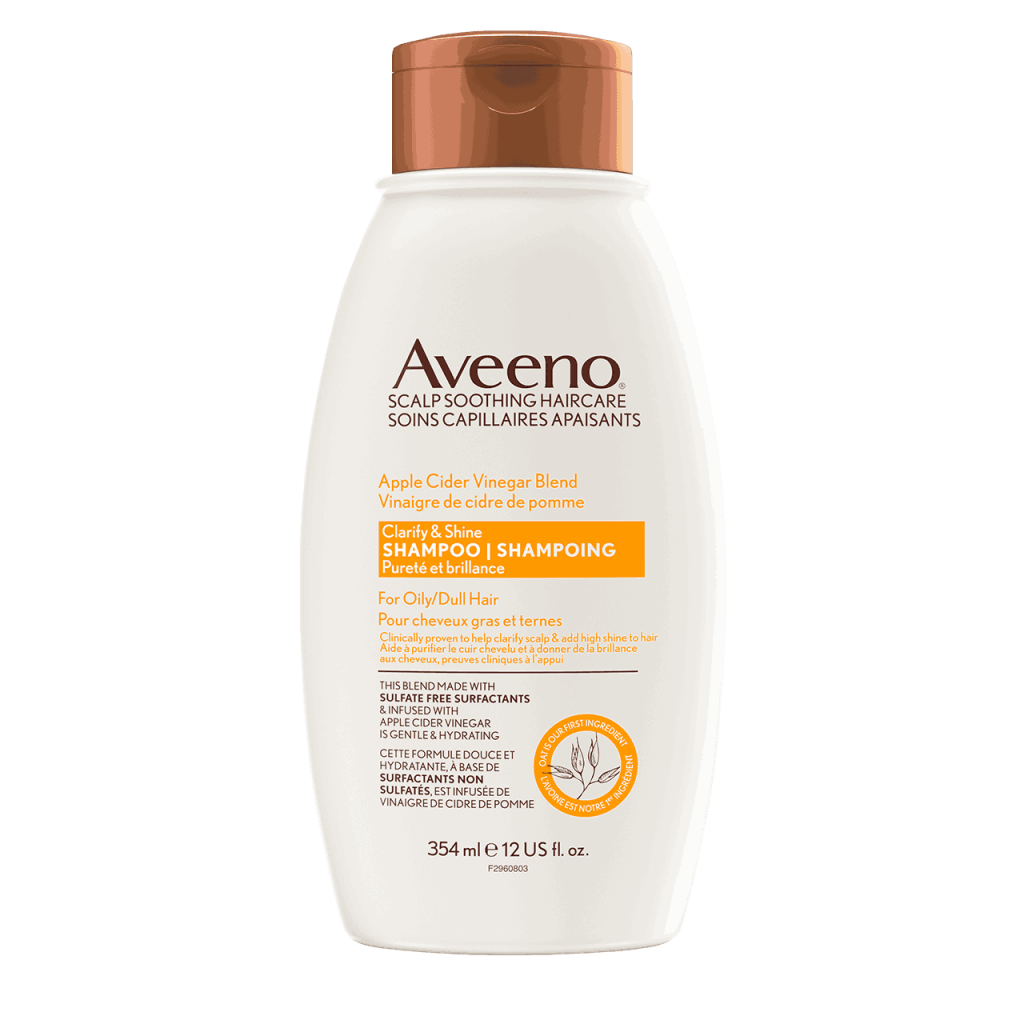
Are you tired of dull, lifeless hair that just won’t shine? Imagine a simple, natural ingredient sitting right in your kitchen that can transform your hair care routine.
Vinegar hair care might sound unusual, but it’s a secret many people use to boost shine, fight frizz, and keep their scalp healthy. If you want smoother, healthier hair without harsh chemicals, keep reading. This easy, affordable trick could change the way you care for your hair forever.
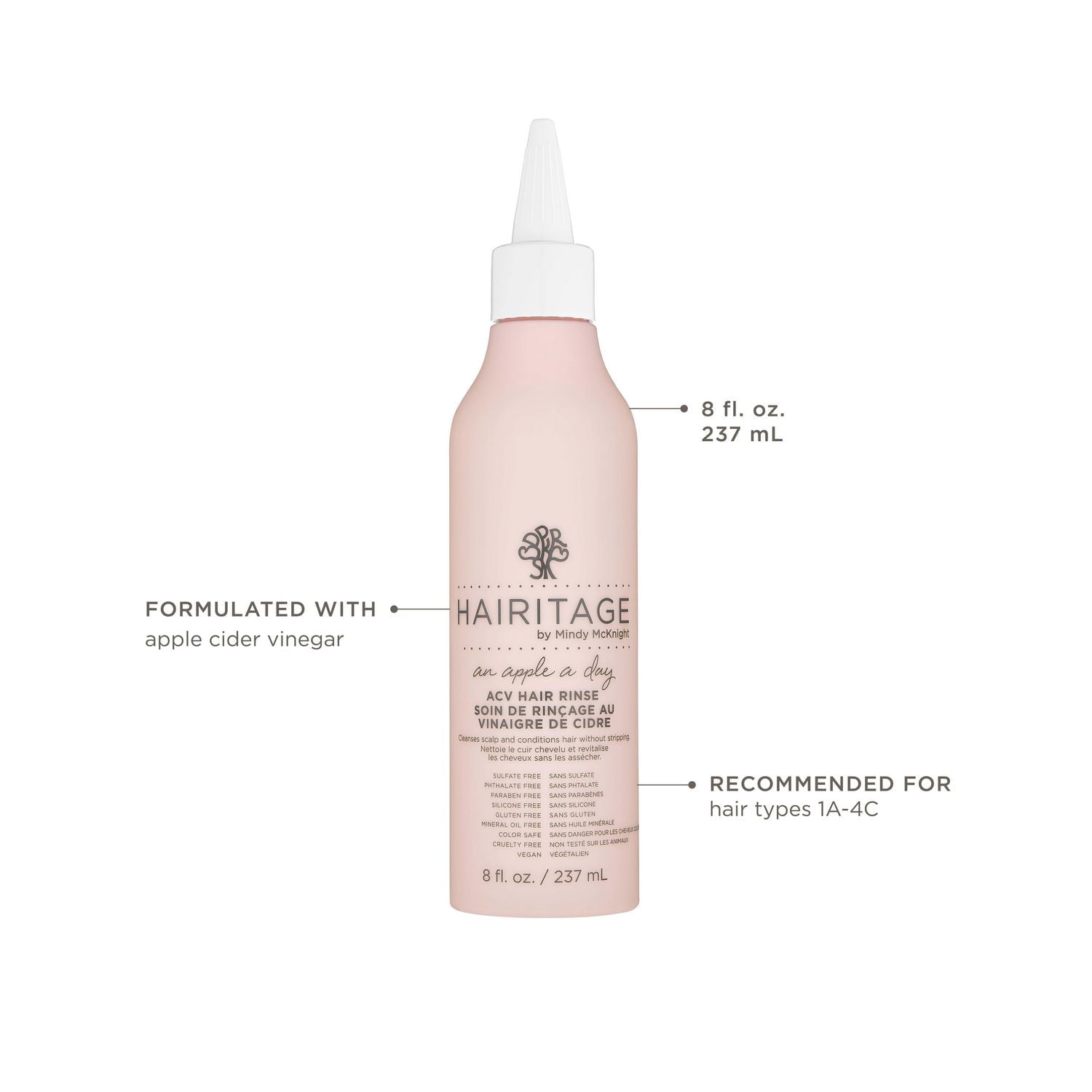
Credit: www.walmart.ca
Benefits Of Vinegar For Hair
Vinegar has been a trusted hair care ingredient for centuries, and its benefits go beyond just a natural remedy. It offers practical solutions for common hair problems that you might be facing daily. Using vinegar in your hair care routine can improve the health and appearance of your hair in ways you might not expect.
Enhancing Shine And Smoothness
Do you want your hair to look glossy without using expensive products? Vinegar helps close the hair cuticles, which makes your hair reflect light better, giving it a natural shine.
It also smooths down rough strands, reducing frizz and making your hair easier to manage. Just a simple vinegar rinse after shampooing can make a noticeable difference in how your hair feels and looks.
Balancing Scalp Ph
Your scalp’s pH plays a big role in overall hair health. Vinegar is slightly acidic, which helps restore your scalp’s natural pH balance, especially after using alkaline shampoos.
When the scalp is balanced, it reduces oiliness and prevents dryness. Have you noticed how some shampoos leave your scalp feeling tight or flaky? Vinegar can help fix that by keeping your scalp comfortable and healthy.
Fighting Dandruff And Itchiness
Dealing with dandruff or an itchy scalp can be frustrating. Vinegar has antimicrobial properties that help reduce the buildup of bacteria and fungi on your scalp.
Regular vinegar rinses can calm irritation and decrease flakiness without the harsh chemicals found in many dandruff shampoos. If you’ve tried multiple products with little success, why not give a natural vinegar rinse a try?
Choosing The Right Vinegar
Choosing the right vinegar for hair care is important for the best results. Different vinegars offer unique benefits and effects on hair. Picking the correct type helps maintain hair health and shine. Quality and purity also affect how your hair responds to vinegar treatments.
Apple Cider Vinegar Vs. White Vinegar
Apple cider vinegar is popular for hair care due to its natural acids. It helps balance scalp pH and removes product buildup. White vinegar is stronger and more acidic. It cleans well but can be harsh if used too often. Apple cider vinegar is gentler and better for regular use.
Organic And Unfiltered Options
Organic and unfiltered vinegars contain more nutrients and enzymes. These help nourish the scalp and hair follicles. Unfiltered vinegar appears cloudy with sediment at the bottom. This sediment holds beneficial compounds for hair health. Choose organic options to avoid pesticides and chemicals.
Avoiding Harmful Additives
Many commercial vinegars have added sugars, colors, or preservatives. These additives can irritate the scalp or damage hair. Always check the label for pure vinegar without extras. Pure vinegar offers the safest and most effective hair care benefits. Stick to simple ingredients for the best results.
How To Use Vinegar For Hair
Using vinegar for hair care is a simple yet effective way to improve your hair’s health and shine. It helps to balance the scalp’s pH, removes buildup, and leaves your hair feeling smooth. But how exactly should you use vinegar to get the best results without damaging your hair?
Creating The Perfect Vinegar Rinse
Start by mixing apple cider vinegar with water. A common ratio is 1 part vinegar to 3 or 4 parts water, but you can adjust depending on your hair type. If your hair is dry or sensitive, use more water to dilute the mixture further.
Pour the mixture over your hair after shampooing. Make sure to focus on your scalp and roots, where buildup tends to accumulate. Leave it on for a few minutes before rinsing thoroughly with cool water to seal the hair cuticles.
Frequency And Timing Tips
How often you use a vinegar rinse depends on your hair’s condition. For oily or product-heavy hair, twice a week can keep buildup under control. If your hair is dry or color-treated, once every two weeks is safer to avoid over-drying.
Try using the rinse after washing your hair but before applying conditioner. This timing helps remove residue and prepares your hair to absorb moisture better. Pay attention to how your hair responds and adjust the frequency as needed.
Precautions For Sensitive Scalps
If you have a sensitive or irritated scalp, vinegar might cause stinging or redness. Always do a patch test by applying a small amount of diluted vinegar to your skin before full use. If discomfort occurs, reduce the vinegar concentration or avoid using it altogether.
Use gentle, fragrance-free shampoos on days you apply vinegar rinses. Avoid applying vinegar directly to open wounds or scalp conditions like eczema or psoriasis without consulting a dermatologist first. Your scalp’s health should always come first.
Diy Vinegar Hair Treatments
DIY vinegar hair treatments offer an easy, natural way to refresh your hair without relying on harsh chemicals. They balance your scalp’s pH, remove buildup, and leave your hair shiny and manageable. Adding simple ingredients at home can customize the benefits to suit your hair’s unique needs.
Vinegar And Essential Oils Blend
Combining vinegar with essential oils creates a powerful hair rinse that smells great and nourishes your scalp. Add a few drops of tea tree, lavender, or rosemary oil to half a cup of apple cider vinegar. This blend helps reduce dandruff, soothes irritation, and leaves your hair smelling fresh.
Shake the mixture well before each use and apply it after shampooing. Rinse thoroughly with cool water to seal the hair cuticles. Have you noticed how a simple scent change can improve your hair care routine?
Vinegar And Herbal Infusions
Herbal infusions enhance vinegar’s cleansing properties with vitamins and antioxidants. Steep herbs like chamomile, nettle, or rosemary in hot water, then strain and mix the cooled infusion with vinegar. This creates a gentle rinse that strengthens hair and calms the scalp.
Use this treatment once a week for best results. It’s especially helpful if your hair feels dull or your scalp is itchy. What herbs do you already have at home that could benefit your hair?
Boosting Hair Growth With Vinegar
Vinegar can stimulate circulation on your scalp, encouraging hair growth. Mix one part vinegar with two parts water and massage it into your scalp for a few minutes. This helps clear hair follicles and promotes healthier strands.
For an extra boost, add a few drops of peppermint or rosemary essential oil known for their hair growth support. Try this treatment twice a week and watch for thicker, fuller hair over time. Are you ready to give your scalp the care it deserves?
Common Myths About Vinegar Hair Care
Vinegar has been a popular ingredient in hair care for years. Despite its benefits, many myths surround its use. These myths can scare people away from trying vinegar for their hair. Clearing up these false ideas helps you understand vinegar hair care better.
Does Vinegar Damage Hair?
Some believe vinegar harms hair by making it dry and brittle. The truth is vinegar can actually help balance your scalp’s pH. Using vinegar properly, diluted with water, keeps hair smooth and shiny. Overusing vinegar or applying it undiluted might cause irritation, but moderate use is safe for most hair types.
Vinegar And Hair Color Fading
Many think vinegar causes hair color to fade faster. Vinegar can help remove buildup that dulls color, making hair look brighter. It does not strip natural or dyed color if used correctly. Rinsing with a mild vinegar solution can even extend the life of your hair color by keeping hair clean and healthy.
Misconceptions About Vinegar Smell
People often worry that vinegar leaves a strong smell in hair. Vinegar’s scent fades quickly after rinsing with water. It does not linger like perfume or shampoo smells. Using the right vinegar-to-water ratio ensures no unpleasant odor stays in your hair.
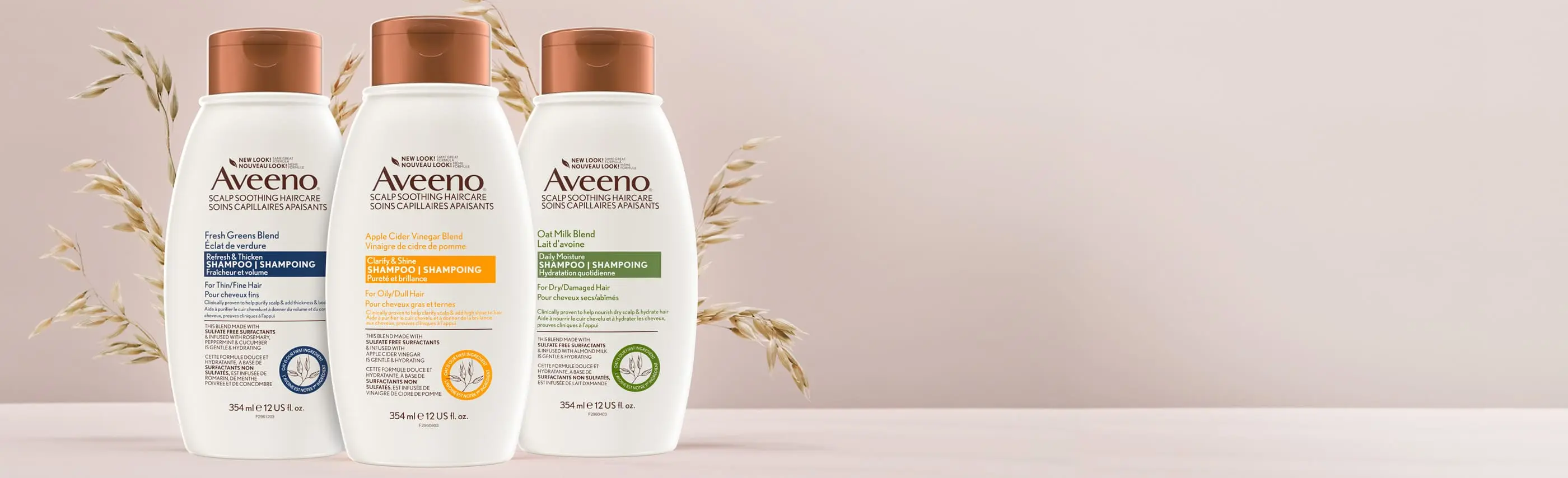
Credit: www.aveeno.ca
Complementary Hair Care Tips
Using vinegar for hair care can work wonders, but pairing it with other smart habits will boost your results. Small changes in your routine make a big difference in how your hair feels and looks. Let’s look at some practical tips that support your vinegar treatments and keep your hair healthy from root to tip.
Diet And Hydration For Healthy Hair
Your hair reflects what you eat and drink. Drinking plenty of water keeps your scalp hydrated and prevents dryness that can lead to breakage.
Focus on foods rich in vitamins like A, C, and E, along with proteins and omega-3 fatty acids. Nuts, leafy greens, eggs, and fish can strengthen your hair from the inside out.
Have you noticed how your hair reacts after a day of poor eating or dehydration? Try tracking your diet and water intake for a week and see the difference in shine and softness.
Choosing Gentle Hair Products
Vinegar rinses work best when you use mild shampoos and conditioners that don’t strip natural oils. Harsh chemicals can undo the benefits of your vinegar care.
Look for sulfate-free, paraben-free, and silicone-free products. These are kinder to your scalp and hair cuticles, helping maintain balance and moisture.
Switching to gentle products might feel like a small step, but it can reduce scalp irritation and frizz, making your vinegar treatments last longer.
Regular Trims And Protective Styles
Trimming your hair every 6 to 8 weeks removes split ends and prevents further damage. Healthy ends help your hair look fuller and grow stronger.
Protective styles like braids, buns, or twists reduce daily wear and tear. They shield your strands from environmental stress and reduce breakage.
Do you often find your hair breaking or getting tangled? Experiment with a protective style or schedule a trim—you might be surprised how much it helps your hair stay smooth and manageable.

Credit: justnutritive.com
Frequently Asked Questions
What Are The Benefits Of Vinegar For Hair Care?
Vinegar balances scalp pH, reduces dandruff, and adds shine. It also detangles hair and removes product buildup gently. Regular use promotes healthy, smooth, and manageable hair naturally.
How Do I Use Vinegar For Hair Rinsing?
Mix 1-2 tablespoons of apple cider vinegar with one cup of water. After shampooing, pour the mixture over hair. Leave for a few minutes, then rinse with cool water to restore shine and remove residue.
Can Vinegar Help With Dandruff And Itchy Scalp?
Yes, vinegar’s acidity helps reduce scalp fungus and bacteria. It soothes itchiness and exfoliates dead skin cells, promoting a healthier scalp environment. Use diluted vinegar rinses weekly for best results.
Is Vinegar Safe For All Hair Types?
Generally, vinegar is safe for most hair types when diluted properly. Avoid using it on color-treated or sensitive scalps without testing first. Always dilute vinegar to prevent dryness or irritation.
Conclusion
Vinegar hair care offers simple, natural benefits for your hair. It helps remove product build-up, leaving hair cleaner. This method can improve shine and manageability. Vinegar balances scalp pH, reducing dandruff. It’s cost-effective and easy to use. Always dilute vinegar before applying.
Test a small area first to avoid irritation. Regular use can make a noticeable difference. For best results, combine with your usual hair routine. Enjoy healthier, shinier hair with this natural approach. Embrace vinegar’s benefits today!
