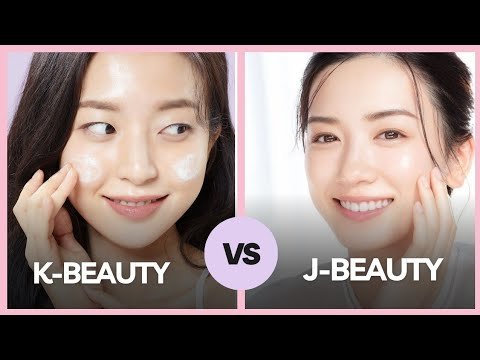
Are you standing in front of your skincare shelf, wondering whether Korean or Japanese skincare would be the best fit for your skin? With both trends taking the beauty world by storm, it’s easy to feel overwhelmed.
You might have heard the buzzwords—glowing, dewy, youthful—but which regime truly holds the secret to flawless skin? We’ll break down the essentials of Korean and Japanese skincare, so you can make the best choice for your skin. Discover the unique philosophies, ingredients, and techniques that set these two skincare giants apart.
The battle of Korean versus Japanese skincare awaits you—are you ready to find out which will become your skin’s new best friend? Keep reading, and let’s unveil the secrets to radiant skin together!
Key Differences
Understanding the key differences between Korean and Japanese skincare can help you choose the right approach for your skin type and lifestyle. Both cultures offer unique benefits, but their philosophies, ingredients, and routines set them apart in meaningful ways.
Philosophy And Approach
Korean skincare focuses heavily on prevention and achieving a radiant, glass-like complexion. It encourages layering multiple lightweight products to protect and hydrate skin daily.
Japanese skincare values simplicity and balance. It emphasizes gentle care with fewer products, aiming to maintain healthy skin by respecting its natural state.
Which approach fits your lifestyle better—meticulous layering or minimalist care?
Product Ingredients
Korean products often include innovative and trendy ingredients like snail mucin, centella asiatica, and fermented extracts. These ingredients are chosen for their healing and brightening properties.
Japanese skincare leans on traditional, time-tested ingredients such as rice bran, green tea, and camellia oil. These offer calming and antioxidant benefits while focusing on nourishing the skin deeply.
Think about what your skin needs most: intense hydration and repair, or soothing and protection?
Routine Complexity
Korean skincare routines can involve 10 or more steps, including double cleansing, toning, essence, serum, sheet masks, and more. It’s a ritual that requires time and patience.
Japanese routines tend to be shorter and more straightforward, usually around 3 to 5 steps. They focus on quality over quantity, making it easier to maintain consistently.
Are you ready to commit time daily, or do you prefer a quick, effective routine that fits a busy schedule?
Core Skincare Steps
Core skincare steps form the foundation of any effective routine, whether you follow Korean or Japanese methods. Both cultures emphasize consistency but differ in approach and product types. Understanding these differences can help you tailor your routine to what suits your skin best.
Cleansing Techniques
Korean skincare often uses a double cleansing method. First, an oil-based cleanser removes makeup and sunscreen, followed by a water-based cleanser to clean sweat and dirt. This two-step process ensures deep cleanliness without stripping moisture.
Japanese skincare tends to focus on gentle cleansing with mild, often cream-based cleansers. The emphasis is on massaging the skin to stimulate circulation while carefully removing impurities. Would you consider how your cleansing routine affects your skin’s natural balance?
Toner And Essence Use
In Korean skincare, toner is not just for pH balance; it preps the skin for better absorption of essences and serums. Essences are lightweight, hydrating liquids rich in active ingredients, often seen as a unique step to boost skin vitality.
Japanese skincare usually uses toners more sparingly, often favoring lotions that hydrate and soothe. Essences might not be a separate step but blended into lotions or serums. How much hydration does your skin really need at this stage?
Moisturizing Methods
Korean routines layer multiple moisturizers—from light gels to heavier creams—to trap hydration effectively. This layering can feel luxurious but might overwhelm sensitive skin types.
Japanese skincare often opts for a single, well-formulated moisturizer chosen for its nourishing yet light feel. The idea is to maintain balance without clogging pores. Have you tried adjusting your moisturizer based on your skin’s daily needs?
Sun Protection
Both Korean and Japanese skincare stress the importance of daily sun protection. Korean sunscreens often have innovative textures—like airy cushions or gel formulas—that feel barely there on the skin.
Japanese sunscreens are known for their strong UV filters and water resistance, often used by people who spend significant time outdoors. Which type suits your lifestyle better: something lightweight or more robust protection?
Popular Ingredients
Popular ingredients shape the identity of both Korean and Japanese skincare. They reflect each culture’s approach to skin health and beauty. Understanding these key ingredients helps you choose products that suit your skin’s needs and preferences.
Korean Favorites
Korean skincare shines with ingredients that focus on hydration and brightening. Snail mucin is a standout, known for healing skin and boosting collagen. You’ll often find it in serums and creams designed to repair and soothe.
Another favorite is green tea extract, packed with antioxidants that calm inflammation and protect against pollution. Korean products also love using fermented ingredients like galactomyces, which improve skin texture and radiance over time.
Have you tried products with centella asiatica? It’s a powerful plant extract that speeds up healing and reduces redness, perfect for sensitive skin. These ingredients show how Korean skincare blends science and nature for glowing results.
Japanese Essentials
Japanese skincare emphasizes simplicity and respect for the skin’s natural barrier. Rice bran oil is a classic ingredient, rich in vitamins and gentle enough for daily use. It nourishes and softens without clogging pores.
Another essential is camellia oil, prized for its moisturizing and anti-aging properties. It absorbs quickly, making it ideal for smooth, supple skin. Many Japanese products also feature seaweed extracts, which deliver minerals and hydration directly to your skin.
Do you notice how Japanese products focus on subtle enhancement rather than dramatic changes? Ingredients like kojic acid are used sparingly to gently brighten skin tone. This approach helps maintain your skin’s natural balance while improving clarity.

Credit: www.dnaindia.com
Packaging And Presentation
Packaging and presentation play a big role in both Korean and Japanese skincare. They do more than just hold the product. They tell a story and set the mood for the user. Both cultures value beauty and care, but they show it differently through their packaging styles.
Design Trends
Korean skincare packaging often uses bright colors and cute characters. The designs feel fresh and fun. They attract younger users and make the routine feel playful. Korean brands like to use soft pastels and clear containers that show the product inside.
Japanese skincare takes a more simple and elegant approach. The design is clean with minimal text. Neutral colors like white, beige, and soft grays are common. The focus is on calmness and purity, reflecting traditional Japanese values.
User Experience
In Korean skincare, packaging is easy to open and use. Pumps and droppers help control the amount of product. Some packaging even includes extra features like mirrors or travel cases. This makes the routine enjoyable and convenient.
Japanese packaging focuses on precision and quality. Bottles and jars are designed to protect the product well. The experience feels careful and thoughtful. Often, the texture of the packaging adds to the sense of luxury and trust.
Target Skin Concerns
Understanding your target skin concerns is key to choosing between Korean and Japanese skincare routines. Both offer unique approaches tailored to different needs, but knowing what each focuses on can help you pick the right products and methods for your skin. Let’s break down how they address hydration, anti-aging, and sensitivity issues.
Hydration And Brightening
Korean skincare is famous for its multi-step routines that deeply hydrate and brighten the skin. Products like essences and ampoules deliver moisture layers that keep your skin plump and glowing throughout the day.
Japanese skincare, on the other hand, emphasizes lightweight hydration with ingredients like rice bran and green tea. Their approach often focuses on maintaining a natural, subtle glow rather than intense brightening.
Think about your daily routine: do you prefer a quick, light feel or are you open to layering several products for that dewy look?
Anti-aging Focus
Japanese skincare tends to concentrate more on anti-aging through prevention. They use gentle, nutrient-rich formulas designed to strengthen the skin barrier and improve elasticity over time.
Korean skincare also tackles anti-aging but often combines it with brightening and hydration, using potent ingredients such as peptides and fermented extracts. This combo approach can give your skin a youthful, radiant appearance.
Which strategy suits your lifestyle better—targeted prevention with subtle care or a multi-tasking routine that addresses several concerns at once?
Acne And Sensitivity
Korean skincare offers a wide variety of products aimed at calming acne-prone and sensitive skin, often featuring soothing ingredients like centella asiatica and snail mucin. The focus here is on gentle yet effective treatment without over-drying.
Japanese skincare also prioritizes gentle formulations, but with a stronger emphasis on maintaining skin balance and barrier health to avoid irritation. Their minimalistic approach reduces the risk of aggravating sensitive skin.
Do you find your skin reacts better to layered soothing treatments or simple, balanced care that minimizes potential irritants?

Credit: www.timesnownews.com
Cultural Influence On Skincare
Culture shapes how people care for their skin in deep ways. Korean and Japanese skincare routines reflect unique values and traditions that influence what products are used and how they are applied. Understanding these cultural influences helps you appreciate the reasons behind each approach and maybe even adapt what works best for your skin.
Beauty Standards
In Korea, the ideal skin is often described as “glass skin” — clear, bright, and almost translucent. This reflects a preference for youthful, radiant skin that looks flawless but natural. Koreans focus heavily on hydration and layering lightweight products to achieve this glow.
Japanese beauty emphasizes a more subtle, refined look. The goal is smooth, matte skin with a healthy tone that shows maturity and simplicity. You’ll see more emphasis on gentle cleansing and minimalism, avoiding heavy makeup to let natural beauty shine through.
Ask yourself: do you prefer a glowing, dewy finish or a soft, natural matte? Your answer might guide which skincare philosophy suits you better.
Historical Roots
Korean skincare draws from traditional herbal medicine and centuries-old practices that used natural ingredients like ginseng and green tea. The focus has always been on prevention and maintenance rather than quick fixes, which explains the multi-step routines common today.
Japanese skincare has roots in the principles of wabi-sabi, which finds beauty in imperfection and simplicity. This cultural mindset encourages using fewer, but highly effective products made with ingredients like rice bran and camellia oil, promoting long-term skin health.
Both cultures value patience and consistency in skincare, but their historical backgrounds highlight different paths to achieving healthy skin. Which approach aligns with your lifestyle and values?
Choosing What Works
Choosing the right skincare routine depends on several factors. Both Korean and Japanese skincare offer unique benefits. Understanding your needs helps you pick what suits your skin best. Consider your skin type and budget for a practical choice.
Skin Type Considerations
Skin type plays a big role in selecting products. Korean skincare often targets hydration and brightening. It suits dry or dull skin well. Japanese skincare focuses more on gentle cleansing and anti-aging. It works great for sensitive or mature skin.
For oily or acne-prone skin, Korean products have many options with exfoliating acids. Japanese brands emphasize minimal ingredients to avoid irritation. Knowing your skin needs guides your decision.
Budget And Accessibility
Price affects how often you can buy skincare items. Korean products usually offer a wide range of affordable options. Many are available online and in stores worldwide. Japanese skincare tends to be pricier but uses high-quality ingredients.
Consider shipping costs and availability in your area. Accessibility matters for maintaining a consistent routine. Choose products that fit your budget and are easy to find. This ensures steady care without stress.

Credit: mystiqare.com
Frequently Asked Questions
What Are The Key Differences Between Korean And Japanese Skincare?
Korean skincare focuses on multi-step routines and hydration. Japanese skincare emphasizes simplicity and natural ingredients. Both prioritize healthy, glowing skin but use different methods and products to achieve results.
Which Skincare Routine Is Better For Sensitive Skin?
Japanese skincare is often better for sensitive skin due to gentle, minimal formulas. Korean skincare offers hydration but may include more active ingredients, which can irritate sensitive skin.
How Do Korean And Japanese Skincare Products Differ?
Korean products often contain innovative ingredients like snail mucin. Japanese products focus on traditional, natural elements such as rice bran and green tea. Both aim for skin nourishment but with distinct ingredient choices.
Can I Combine Korean And Japanese Skincare Routines?
Yes, you can combine both routines to benefit from hydration and simplicity. Start with gentle Japanese cleansers, then layer Korean essences and moisturizers for balanced skin care.
Conclusion
Both Korean and Japanese skincare offer great benefits for healthy skin. Korean routines focus on hydration and gentle care. Japanese skincare highlights simplicity and natural ingredients. Choose what fits your skin type and lifestyle best. Consistency matters more than the brand or trend.
Try different products to find what works well. Healthy skin takes time and patience. Enjoy the process of caring for your skin daily. Your skin will thank you in the long run.
