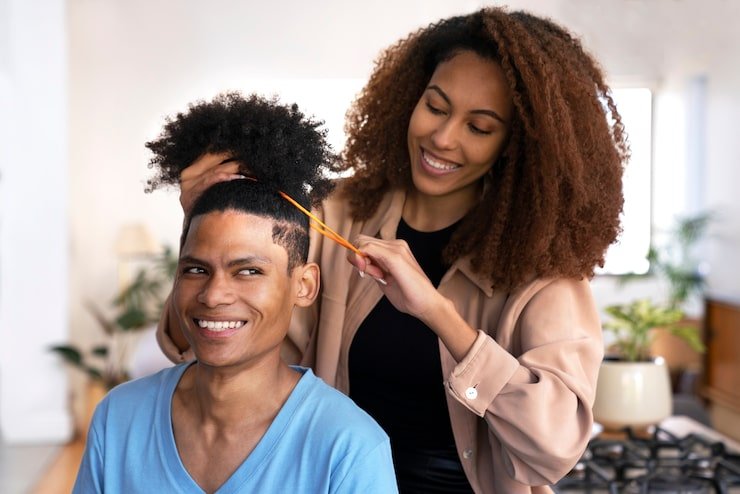
Your hair is more than just strands; it’s a part of who you are. When it comes to Black hair care, understanding what your hair truly needs can make all the difference.
You want your hair to be healthy, strong, and full of life, but sometimes it feels like no product or routine works the way you want it to. What if you could unlock the secrets to nurturing your curls, coils, or waves so they thrive every day?
Keep reading to discover simple, effective tips that will transform your hair care routine and help you embrace your natural beauty with confidence.
Hair Types And Textures
Understanding hair types and textures is key to caring for Black hair properly. Hair varies widely in curl pattern, porosity, and thickness. Each type needs unique care and products to stay healthy and strong.
Black hair often has curly or coily textures. These textures can look similar but have distinct traits. Knowing your hair type helps you choose the right routine and avoid damage.
Identifying Your Hair Type
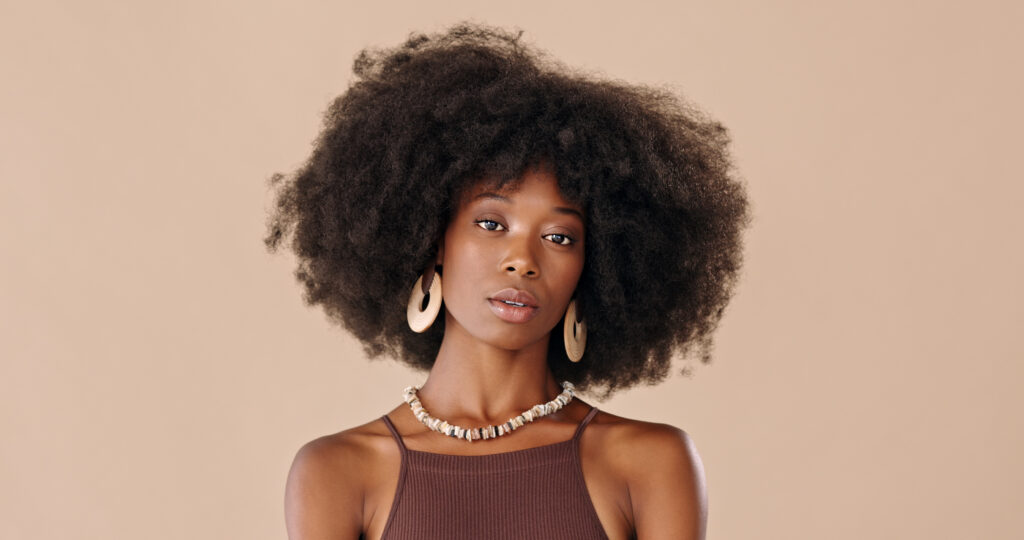
Hair types range from straight to tightly coiled. Most Black hair falls into curly or coily categories. You can find your type by looking at your curl pattern.
- Type 3 (Curly):Loose to tight curls, springy and defined.
- Type 4 (Coily):Very tight curls or zigzag patterns, dense and fragile.
Feel your hair’s thickness and check how easily it stretches. These details guide your hair care choices. Moisture retention and breakage risks change with each type.
Characteristics Of Curly And Coily Hair
Curly hair has a softer, more open curl pattern. It holds moisture better but can frizz. Curly hair needs gentle cleansing and regular hydration.
Coily hair is more fragile and shrinks when dry. It requires heavier creams and oils to lock in moisture. Handling coily hair with care prevents breakage and dryness.
- Curly hair is usually shiny and bouncy.
- Coily hair looks dense and has less natural shine.
- Both types benefit from protective styles and minimal heat.
Credit: blackdoctor.org
Daily Hair Care Routine
Taking care of Black hair every day means respecting its unique texture and needs. Your daily routine should focus on keeping hair clean without stripping natural oils, locking in moisture, and carefully detangling to avoid breakage. Small, consistent actions make a big difference in maintaining healthy, vibrant hair.
Gentle Cleansing Methods
Cleansing your hair doesn’t have to mean harsh shampoos that leave it dry and brittle. Look for sulfate-free shampoos or cleansing conditioners that wash away dirt while preserving natural oils. You can also try co-washing—using conditioner to cleanse—which is great for maintaining moisture on low-porosity hair.
Remember, over-washing can strip your hair and scalp, causing dryness and irritation. How often you wash depends on your scalp’s oiliness and your lifestyle, but once or twice a week usually works well for most Black hair types.
Moisturizing Techniques
Moisture is key to preventing breakage and keeping your hair soft and manageable. After cleansing, apply a water-based leave-in conditioner to hydrate your strands. Follow up with natural oils like jojoba, castor, or coconut oil to seal in the moisture.
Don’t forget your scalp—it needs moisture too. Massage a light oil or moisturizer into your scalp daily to reduce dryness and promote healthy growth. What’s your go-to moisturizer that keeps your hair feeling fresh all day?
Detangling Without Damage
Detangling can be a challenge, but doing it the right way protects your hair from unnecessary breakage. Always detangle when your hair is damp and coated with conditioner or a detangling spray. Use a wide-tooth comb or your fingers to gently work through knots, starting from the ends and moving up to the roots.
Take your time and never rush this step. Patience during detangling means fewer split ends and less hair loss. Have you noticed a difference when you switch to finger detangling or a wide-tooth comb instead of brushes?
Protective Hairstyles
Protective hairstyles are essential for maintaining the health and strength of Black hair. These styles shield your strands from daily wear and tear, helping you retain length and reduce damage. Choosing the right protective hairstyle can make a big difference in your hair care routine and overall hair growth.
Styles That Promote Growth
Choosing styles like box braids, twists, and bantu knots can lock in moisture and reduce manipulation. These hairstyles keep your ends tucked away, preventing split ends and breakage. Have you ever noticed how your hair feels stronger and fuller after wearing braids for a few weeks?
Low-maintenance styles such as wigs and sew-ins also protect your natural hair underneath. They allow you to give your hair a break from daily styling while still looking stylish. Just make sure to keep your scalp clean and moisturized during this time.
Avoiding Tension And Breakage
Protective styles should not cause tightness or discomfort. Excessive tension can lead to breakage and even hair loss. Ask yourself if your hairstyle feels snug or painful—if so, it’s time to loosen it.
Use soft hair ties and avoid heavy extensions that pull on your scalp. Regularly check your edges and avoid styles that put too much strain on them. Your hair grows best when it feels relaxed and cared for.

Credit: www.freepik.com
Choosing The Right Products
Choosing the right hair care products for Black hair is essential to maintain its health and beauty. Your hair has unique needs that require specific ingredients and formulations. Using the wrong products can lead to dryness, breakage, and scalp issues, so it’s important to be mindful about what you put on your hair.
Ingredients To Look For
Look for products that contain natural oils like coconut oil, jojoba oil, and argan oil. These oils moisturize and protect your hair without weighing it down.
Shea butter and aloe vera are excellent for hydration and soothing the scalp. They help keep your hair soft and manageable.
Protein-rich ingredients such as keratin and silk amino acids strengthen your hair strands. If your hair feels weak or brittle, these can be game-changers.
Products To Avoid
Avoid products with high amounts of sulfates, such as sodium lauryl sulfate. These harsh detergents strip your hair of natural oils, causing dryness and irritation.
Steer clear of heavy silicones like dimethicone that aren’t water-soluble. They can build up on your hair, making it dull and difficult to clean.
Also, skip alcohol-heavy products, especially those with short-chain alcohols like isopropyl alcohol. These can dry out your hair quickly.
Have you ever noticed your hair feeling brittle or lifeless after using certain shampoos or conditioners? That might be a sign to check the ingredient list carefully before your next purchase.
Scalp Health Tips
Healthy hair starts with a healthy scalp, especially for Black hair, which is more prone to dryness and breakage. Paying attention to your scalp can improve hair growth and reduce irritation. Let’s dive into practical tips that keep your scalp clean, balanced, and problem-free.
Maintaining Clean And Healthy Scalp
Washing your scalp regularly removes dirt, oil, and product buildup that can clog hair follicles. Choose a gentle sulfate-free shampoo to avoid stripping natural oils that protect your scalp.
Try massaging your scalp with your fingertips while shampooing. This boosts blood flow and encourages healthy hair growth. Have you ever noticed how a good scalp massage feels relaxing and refreshing?
After washing, rinse thoroughly to prevent residue that may cause itching or flaking. You can also use a light, leave-in scalp toner or natural oils like tea tree or jojoba oil to soothe and hydrate your scalp.
Treating Common Scalp Issues
Scalp problems like dandruff, dryness, or irritation can stop your hair from thriving. If you see white flakes or feel constant itchiness, try an anti-dandruff shampoo with ingredients like zinc pyrithione or salicylic acid.
Dry scalp often results from lack of moisture. Apply natural oils or aloe vera gel directly to your scalp to calm and hydrate it. Avoid heavy products that can clog pores or cause buildup.
Sometimes, scalp issues stem from an allergic reaction to hair care products. If you notice redness or bumps, stop using the suspected product immediately. Have you ever changed a product and seen a big improvement?
- Identify triggers by patch-testing new products.
- Keep your scalp moisturized but not oily.
- Consult a dermatologist if problems persist beyond two weeks.
Heat Styling And Damage Prevention
Heat styling is a popular way to achieve sleek, defined looks for Black hair, but it can easily lead to damage if not done carefully. Understanding how to protect your hair while using heat tools can save you from dryness, breakage, and loss of curl pattern. Let’s talk about how you can style safely and consider alternatives that keep your hair healthy.
Safe Heat Styling Practices
Using heat on Black hair requires extra care because the hair texture is more prone to dryness and breakage. Always start with a heat protectant spray or serum to create a barrier against damage. This simple step can drastically reduce the harmful effects of heat.
Keep your heat tools at a moderate temperature, ideally below 350°F (177°C). Higher temperatures can strip moisture quickly and weaken your strands. Have you ever noticed your hair feeling crispy or brittle after straightening? That’s a sign you need to lower the heat.
Limit the frequency of heat styling to give your hair time to recover. Try to avoid daily use and aim for once or twice a week at most. Also, use a comb or brush designed for detangling Black hair gently before heat styling to reduce breakage.
Alternatives To Heat
What if you could achieve beautiful styles without any heat damage? There are plenty of options that can give you stunning results while keeping your hair safe.
- Twist Outs and Braid Outs:These styles enhance your natural curls and add definition without heat. Simply twist or braid damp hair and let it dry overnight.
- Rollers and Flexi Rods:Use these tools on damp hair to create curls and waves. They give you volume and bounce without any heat exposure.
- Air Drying with Styling Products:Apply curl creams or gels and let your hair dry naturally. This method locks in moisture and keeps your curls intact.
Have you tried any of these heat-free styles? They might take a bit more time but save your hair from long-term damage. What’s your go-to method for keeping your hair healthy?
Nutrition And Hair Growth
Healthy hair starts from within. Nutrition plays a big role in hair growth and strength. Eating the right foods and taking supplements can improve hair health. This is especially important for Black hair, which can be more fragile and dry.
Foods That Nourish Hair
Certain foods provide vitamins and minerals that support hair growth. Protein is essential for strong hair strands. Foods rich in protein include chicken, fish, eggs, and beans. Iron helps carry oxygen to hair roots. Spinach, lentils, and red meat are good iron sources.
Vitamin A keeps the scalp healthy. Sweet potatoes, carrots, and kale contain vitamin A. Omega-3 fatty acids reduce dryness and add shine. Find omega-3 in salmon, walnuts, and flaxseeds. Zinc also helps repair hair and keep it healthy. Nuts, seeds, and whole grains offer zinc.
Supplements For Healthy Hair
Supplements can fill gaps in your diet. Biotin is popular for promoting hair growth. It supports keratin production, which forms hair structure. Vitamin D deficiency may cause hair loss. A supplement can help maintain healthy levels.
Collagen supplements improve hair strength and elasticity. They provide amino acids needed for hair protein. Taking a multivitamin ensures you get all essential nutrients. Always talk to a healthcare provider before starting supplements.
Credit: noellesalon.com
Seasonal Hair Care Adjustments
Adjusting your hair care routine with the changing seasons is crucial, especially for Black hair, which thrives on moisture and gentle handling. Each season presents unique challenges that can affect your hair’s health and appearance. Understanding these differences helps you protect your hair and keep it looking its best all year long.
Winter Hair Care Tips
Winter air is dry and cold, which can quickly strip moisture from your hair. You might notice your curls feeling brittle or your scalp becoming flaky. To fight this, you should focus on locking in moisture.
- Use heavier creams and butters:Products like shea butter or castor oil create a protective barrier against harsh winds.
- Wear protective styles:Braids or twists reduce hair manipulation and breakage during the dry season.
- Cover your hair:Silk or satin scarves and hats help retain moisture and prevent friction.
- Deep condition weekly:A rich deep conditioner can restore moisture lost to cold weather.
Have you noticed your hair feeling more fragile during winter? Try these tips and track how your hair responds over a few weeks.
Summer Hair Protection
Summer heat and sun exposure can cause dryness and damage to Black hair, which is often more delicate. Sweat and humidity can also lead to scalp irritation and product buildup.
- Lightweight moisturizers:Switch to lighter lotions or leave-in conditioners to avoid weighing down your curls.
- Protect from sun damage:Use hair products with UV protection or wear wide-brimmed hats to shield your scalp and strands.
- Rinse sweat regularly:Sweat can cause scalp issues, so rinse your hair after workouts or outdoor activities.
- Hydrate often:Drink plenty of water to keep your hair and scalp hydrated from the inside out.
Have you tried adjusting your products as the temperature rises? You might find your hair feels lighter and more manageable when you do.
Frequently Asked Questions
What Are The Best Products For Black Hair Care?
The best products for Black hair include moisturizing shampoos, sulfate-free conditioners, and natural oils like coconut and shea butter. These help maintain hydration, reduce breakage, and enhance curl definition. Always choose products tailored for textured hair to keep it healthy and strong.
How Often Should Black Hair Be Moisturized?
Black hair should be moisturized every 2-3 days to prevent dryness and breakage. Use leave-in conditioners, water-based sprays, or natural oils to maintain softness and elasticity. Consistent moisture helps protect curls and promotes healthy hair growth.
Can Protective Hairstyles Improve Black Hair Health?
Yes, protective hairstyles like braids, twists, and buns reduce manipulation and protect hair ends. They prevent breakage and moisture loss, promoting healthy growth. However, avoid styles that are too tight to prevent scalp damage and hair thinning.
What Causes Dryness In Black Hair?
Dryness in Black hair is caused by low natural oil distribution due to tight curls. Environmental factors, heat styling, and harsh products also contribute. Regular moisturizing and gentle care are essential to maintain hydration and prevent brittleness.
Conclusion
Caring for Black hair requires patience and understanding. Choosing the right products is key. Gentle shampoos, hydrating conditioners, and natural oils work best. Regular trims help maintain healthy hair ends. Protective styles like braids and twists minimize damage. Avoid heat styling tools to prevent breakage.
Embrace your hair’s natural texture and beauty. Listen to your hair’s needs and adjust your routine. Celebrate your unique hair journey every step of the way. With care and love, your hair will thrive and shine beautifully. Remember, healthy hair is happy hair.
Keep nurturing it daily.
