
Imagine a world where a simple pill could help you turn back the hands of time. Exciting, right?
Well, that’s exactly the buzz surrounding Metformin in the realm of anti-aging. If you’ve been searching for ways to maintain your youthful glow and vitality, you’re not alone. The quest for longevity and health span is more popular than ever.
But what if the answer was already in plain sight? Metformin, a drug traditionally used for diabetes, is now capturing headlines for its potential anti-aging benefits. Curious about how this could impact your life and wellness journey? Stick around as we unravel the fascinating science behind Metformin and its promise to revolutionize the way you age. You won’t want to miss this!
Credit: www.nad.com
Metformin And Longevity
Metformin is a well-known medication used to treat type 2 diabetes. Recently, it gained attention for its possible effects on aging and longevity. Scientists are exploring how this drug might help people live longer and healthier lives. Understanding its origins and uses sheds light on why metformin is in the spotlight for anti-aging research.
Origins Of Metformin
Metformin comes from a plant called French lilac, used for centuries to treat symptoms like frequent urination. It was first introduced as a diabetes drug in the 1950s. Doctors prescribed it to lower blood sugar levels and improve insulin sensitivity. Its safety and effectiveness made it one of the most common diabetes treatments worldwide.
Metformin’s Role Beyond Diabetes
Scientists found metformin does more than control blood sugar. It may reduce inflammation, improve heart health, and support weight management. These effects relate to aging, as inflammation and heart problems increase with age. Metformin’s ability to affect these processes makes it interesting for aging research.
Scientific Interest In Aging
Researchers study metformin for its potential to slow aging at the cellular level. Some studies suggest it can improve metabolism and protect cells from damage. Trials are ongoing to see if metformin can delay age-related diseases like cancer and dementia. This research could change how we approach healthy aging in the future.

Credit: www.aol.com
How Metformin Influences Aging
Metformin, a common diabetes drug, shows promise beyond blood sugar control. Researchers explore its effects on the aging process. The drug influences aging at different levels inside the body. Understanding how Metformin works can reveal its potential to slow aging.
Cellular Mechanisms
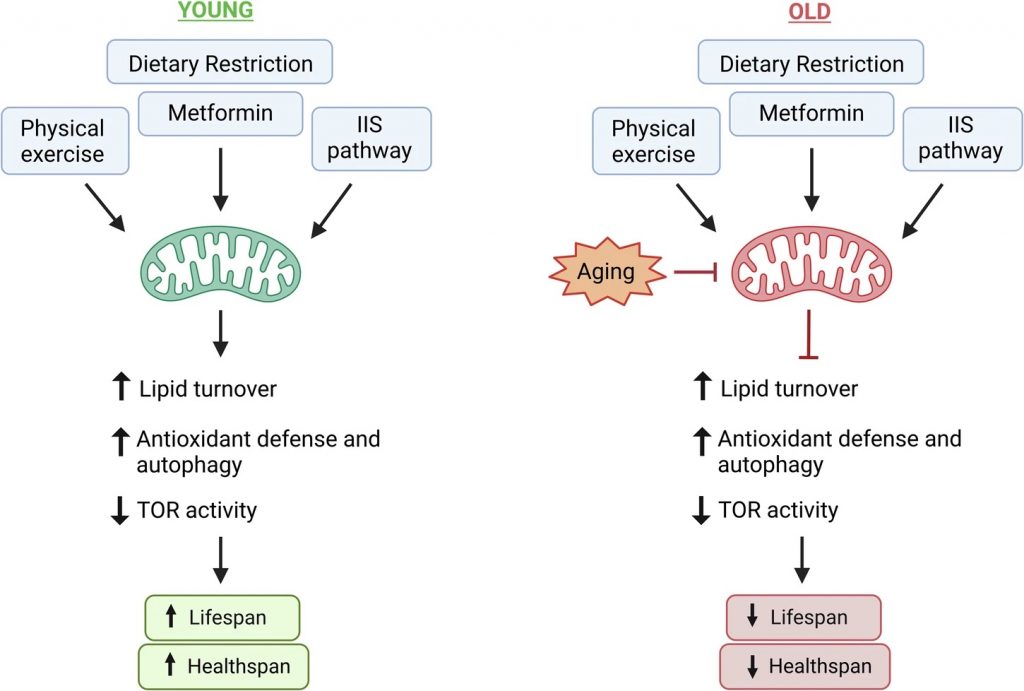
Metformin affects cells by activating key pathways that promote longevity. It stimulates AMP-activated protein kinase (AMPK), a protein that helps cells use energy efficiently. This activation improves cell repair and reduces damage.
It also inhibits mTOR, a protein linked to aging and cell growth. Lower mTOR activity helps cells avoid stress and live longer. These actions help maintain healthy cells and delay aging signs.
Impact On Metabolism
Metformin improves how the body processes sugar and fat. It lowers glucose production in the liver and increases insulin sensitivity. These changes reduce the risk of metabolic diseases that speed up aging.
Better metabolism means cells get energy in a balanced way. This balance supports overall health and longevity. It also helps maintain stable blood sugar levels, which is crucial for healthy aging.
Effects On Inflammation And Oxidative Stress
Chronic inflammation and oxidative stress are major aging drivers. Metformin reduces inflammation by lowering harmful molecules in the body. It also fights oxidative stress by boosting antioxidant defenses.
Lower inflammation and stress protect tissues and organs from damage. This protection slows down the aging process and reduces age-related diseases. Metformin’s ability to calm these harmful effects adds to its anti-aging potential.
Research On Metformin’s Anti-aging Effects
Research on Metformin’s anti-aging effects has gained significant attention as scientists seek ways to extend healthy lifespan. Studies have explored its potential beyond diabetes treatment, focusing on how it might slow down aging processes. Understanding this research can help you decide if Metformin might play a role in your own health journey.
Animal Studies
Animal studies provide early clues about Metformin’s impact on aging. In mice, Metformin has shown to increase lifespan and improve health markers like insulin sensitivity and inflammation. These studies suggest Metformin may delay age-related diseases such as cancer and heart disease.
One study found that mice treated with Metformin lived up to 30% longer than untreated groups. However, effects vary depending on the animal’s age and dosage. These findings raise the question: could similar benefits apply to humans?
Human Clinical Trials
Human trials have begun to explore Metformin’s effects on aging, but results are still emerging. Some studies report improved metabolic health and reduced risk factors for age-related diseases in people taking Metformin. For example, a trial showed decreased inflammation markers in older adults after Metformin treatment.
The TAME (Targeting Aging with Metformin) trial is one of the most promising, aiming to see if Metformin can delay multiple chronic diseases. This large-scale study could provide clearer answers about Metformin’s role in human aging. Are you curious whether Metformin could be a safe anti-aging option for you?
Ongoing Research And Future Directions
Ongoing research is expanding our understanding of how Metformin might influence aging at the cellular level. Scientists are investigating its effects on mitochondria, cellular energy, and DNA repair mechanisms. These insights could lead to new ways to slow aging and improve lifespan.
Future studies will likely focus on optimizing dosage, identifying who benefits most, and combining Metformin with other therapies. You might consider following these developments closely if you’re interested in practical anti-aging strategies. What questions would you want researchers to answer about Metformin and aging?
Benefits And Risks
Understanding the benefits and risks of Metformin for anti-aging is essential before considering it as part of your health routine. This medication has gained attention beyond its original use for diabetes, sparking interest in how it might support healthier, longer lives. Let’s look closely at what Metformin might offer and where caution is needed.
Potential Health Improvements
Metformin may help improve your body’s insulin sensitivity, which can stabilize blood sugar levels and potentially reduce the risk of age-related diseases like type 2 diabetes.
Some studies suggest it might lower inflammation and oxidative stress, factors linked to aging and chronic conditions such as heart disease and certain cancers.
Users have reported better energy levels and mental clarity, though these effects vary widely.
- Improved glucose metabolism
- Reduced risk of cardiovascular problems
- Possible protection against cognitive decline
Side Effects And Safety Concerns
Like any medication, Metformin carries side effects you should know about. Common issues include digestive discomfort such as nausea, diarrhea, and stomach pain.
Long-term use might lead to vitamin B12 deficiency, which can affect nerve health and energy.
Rare but serious risks include lactic acidosis, especially if you have kidney problems or other health conditions.
| Side Effect | Frequency | Severity |
|---|---|---|
| Nausea and upset stomach | Common | Mild to moderate |
| Vitamin B12 deficiency | Moderate | Can be serious if untreated |
| Lactic acidosis | Rare | Severe, potentially fatal |
Who Might Benefit Most
If you have prediabetes or metabolic syndrome, Metformin could offer significant improvements in your health. It may help you avoid progression to diabetes and reduce complications related to aging.
Older adults interested in maintaining metabolic health might find benefits, but only under close medical supervision.
Ask yourself: Are you ready to monitor your health regularly and manage potential side effects? Metformin is not a one-size-fits-all solution, and your medical history matters.
Metformin In Daily Life
Metformin is becoming a popular topic beyond its original use for managing diabetes. Many people are curious about how this medication might fit into everyday routines to potentially support healthy aging. Understanding how to use metformin in daily life can help you make informed decisions and see if it aligns with your health goals.
Dosage And Administration
Metformin is usually taken once or twice a day, depending on your healthcare provider’s advice. Starting with a low dose helps your body adjust and reduces side effects like stomach discomfort. You should take it with meals to improve absorption and lessen any digestive issues.
Have you noticed how timing your medication with food can make a big difference in how you feel? Keeping a consistent schedule helps maintain steady levels in your body, which is key for effectiveness.
Lifestyle Integration
Adding metformin to your routine isn’t just about the pill—it’s about combining it with healthy habits. Eating balanced meals, staying active, and managing stress can boost the effects of metformin. Think about your daily habits: could small changes enhance your overall wellness?
For example, pairing metformin with a walk after dinner might improve blood sugar control and support your energy levels. Simple actions like these can make a big impact when you’re aiming for longevity.
Consulting Healthcare Providers
Before starting metformin, talk openly with your healthcare provider about your goals and concerns. They can guide you on the right dosage and monitor for side effects or interactions with other medications. Your doctor’s input ensures you use metformin safely and effectively.
Have you scheduled your check-ups and blood tests? Regular monitoring helps catch any issues early and keeps your health plan on track. Remember, your healthcare team is there to support your journey—not just prescribe a pill.

Credit: www.everydayhealth.com
Alternatives And Complementary Approaches
Metformin is gaining attention for its potential anti-aging benefits, but it’s not the only option worth considering. There are several alternatives and complementary approaches that can support your journey toward healthier aging. Understanding these options can help you make more informed choices tailored to your unique needs and lifestyle.
Other Anti-aging Compounds
You might want to look into compounds like NAD+ boosters, resveratrol, and rapamycin. NAD+ boosters help improve cellular energy, which tends to decline with age. Resveratrol, found in red grapes, has antioxidant properties that may protect your cells from damage.
Rapamycin is another compound under study for its ability to influence aging pathways, but it requires careful medical supervision. Have you ever considered which supplements fit best with your current health profile? Always check with a healthcare provider before adding new compounds to your regimen.
Diet And Exercise
Your daily habits play a huge role in how you age. Eating a balanced diet rich in fruits, vegetables, lean proteins, and healthy fats can reduce inflammation and improve overall vitality. Intermittent fasting or calorie restriction has shown promising results in promoting longevity.
Physical activity is equally important. Regular exercise, especially combining strength training and cardio, helps maintain muscle mass, supports heart health, and boosts your mood. How often do you move your body with the goal of aging well?
Emerging Therapies
New therapies are constantly being researched, including senolytics, which aim to clear out old, dysfunctional cells. Stem cell treatments also show potential to regenerate tissues and improve function. These options are still experimental but could become part of mainstream anti-aging strategies.
Staying informed about these advances can put you ahead in managing your health. Are you open to trying new therapies as science progresses, or do you prefer to stick with proven methods?
Frequently Asked Questions
What Is Metformin’s Role In Anti-aging?
Metformin may slow aging by improving insulin sensitivity and reducing inflammation. It targets aging pathways, potentially extending lifespan and healthspan in humans.
How Does Metformin Affect Cellular Aging?
Metformin reduces oxidative stress and enhances mitochondrial function. This helps protect cells from damage and delays age-related decline.
Can Metformin Prevent Age-related Diseases?
Yes, Metformin lowers risks of diabetes, heart disease, and some cancers. These benefits contribute to healthier aging and disease prevention.
Is Metformin Safe For Anti-aging Use?
Metformin is generally safe under medical supervision. However, it should only be used for anti-aging after consulting a healthcare provider.
Conclusion
Metformin shows promise in supporting healthy aging. Studies suggest it may slow some aging processes. It also helps control blood sugar and reduce inflammation. Still, more research is needed to confirm long-term effects. Talk with a doctor before starting metformin for anti-aging.
Healthy habits like good diet and exercise remain key. Metformin could be one part of a balanced approach. Keep learning and stay informed about new findings. Aging well takes time and care.
