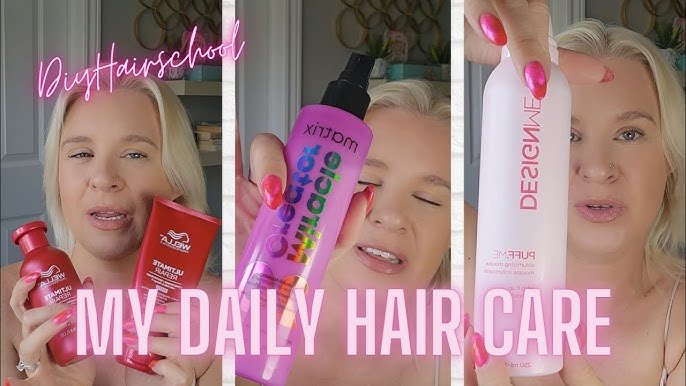
Do you struggle with thin hair that feels flat and lifeless? You’re not alone, and the good news is, your hair can look fuller and healthier with the right care.
Imagine running your fingers through soft, voluminous strands every day. It’s possible when you follow a simple, effective thin hair care routine designed just for you. Keep reading to discover easy steps that will transform your hair and boost your confidence.
Your best hair days are closer than you think!
Choosing The Right Shampoo
Choosing the right shampoo plays a key role in caring for thin hair. The right formula cleanses without stripping natural oils. It also adds volume and strength. Thin hair needs gentle care that supports growth and fullness. Picking the wrong shampoo can make hair look flat and lifeless. Focus on products that boost hair health and avoid heavy ingredients.
Volumizing Shampoos To Avoid Weighing Down
Volumizing shampoos help hair look thicker. But some contain heavy silicones and oils. These can weigh down thin hair and reduce volume. Look for lightweight formulas that add lift without residue. Avoid shampoos with:
- Paraffin or mineral oil
- Sulfates that dry out hair
- Heavy silicones like dimethicone
Choose shampoos labeled “volumizing” or “lightweight” with natural ingredients. This keeps hair bouncy and full.
Ingredients That Strengthen Thin Hair
Shampoos with strengthening ingredients improve hair texture. They protect strands from breakage. Look for formulas containing:
- Biotin to support hair growth
- Keratin for repair and strength
- Protein complexes to fortify hair
- Aloe vera to soothe scalp
- Vitamin E for shine and moisture
These ingredients nourish hair from root to tip. They make thin hair more resilient and healthy.

Credit: www.amazon.com
Conditioning Without Heaviness
Conditioning your thin hair can feel tricky. You want to nourish it without adding any weight that drags your strands down. The right approach can keep your hair soft, manageable, and full of life.
Lightweight Conditioners For Thin Strands
Choose conditioners labeled “lightweight” or “volumizing.” These formulas focus on hydration without heavy oils or silicones that weigh hair down.
Look for ingredients like:
- Aloe vera – hydrates without residue
- Panthenol (Vitamin B5) – strengthens and adds shine
- Glycerin – locks in moisture without heaviness
Skip conditioners with heavy butters or petroleum-based ingredients. Your hair needs moisture, not extra bulk.
How To Apply Conditioner Correctly
Apply conditioner mainly to the mid-lengths and ends of your hair. These areas tend to be drier and more prone to damage.
Avoid the roots to prevent buildup that can flatten thin hair. Think of your scalp as naturally oily; it doesn’t need extra conditioner.
Try this:
- Squeeze out excess water after shampooing
- Use a small amount of conditioner, about a teaspoon
- Distribute evenly, focusing on ends
- Leave it on for 1-3 minutes before rinsing thoroughly
Have you noticed your hair feels limp after conditioning? Adjusting how and where you apply can make a big difference.
Scalp Care For Hair Growth
Healthy scalp care is key to encouraging hair growth, especially for thin hair. A clean, nourished scalp creates the perfect base for stronger strands and less hair fall. Taking time to care for your scalp helps improve blood flow and keeps hair follicles active.
Stimulating Scalp Massages
Scalp massages boost circulation, which supports hair growth. Use your fingertips to gently press and move in small circles. Spend 5 to 10 minutes daily on this practice. It also relaxes tension, which can reduce hair loss.
Try massaging with light oils to increase benefits. Avoid using nails or too much pressure to prevent irritation. Regular massages help keep your scalp healthy and ready for new hair.
Best Oils And Treatments
Oils nourish the scalp and strengthen hair roots. Choose lightweight oils like jojoba or argan oil for thin hair. These oils absorb well without leaving a heavy feel.
- Coconut oil helps reduce dandruff and moisturizes.
- Castor oil promotes thicker hair growth by improving circulation.
- Tea tree oil fights scalp itchiness and cleanses pores.
Apply oils before shampooing and leave them for 30 minutes. Use gentle scalp scrubs once a week to remove buildup. Healthy scalp care aids in growing fuller, stronger hair.

Credit: www.amazon.com
Styling Tips For Fuller Hair
Styling thin hair to look fuller can boost confidence. The right techniques add volume without damage. Focus on gentle styling and smart product choices. These tips help create thicker-looking hair every day.
Heat Tools And Protection
Heat tools can lift hair and add body. Use a blow dryer with a nozzle attachment. Direct airflow from roots to ends for volume. Curling irons create waves that add thickness. Straighteners can add sleekness but avoid flattening hair.
Always apply a heat protectant spray before styling. It prevents damage and keeps hair healthy. Choose products that shield up to 450°F. Avoid high heat settings to reduce breakage. Let hair dry partially before using heat tools.
Volumizing Products That Work
Volumizing products add lift and fullness to thin hair. Use lightweight mousses or foams at damp roots. They create a base for volume without heaviness. Root-lifting sprays boost hair at the scalp. Avoid heavy creams that weigh hair down.
Dry shampoos absorb oil and add texture. They refresh hair and improve volume between washes. Texturizing powders give grip and body to flat hair. Experiment to find products that suit your hair type.
Diet And Supplements
Your hair reflects what you feed your body. A diet rich in the right nutrients can make a visible difference in the thickness and health of your hair. Alongside a balanced diet, certain supplements can help fill in the gaps, especially if your food intake doesn’t cover all essentials.
Nutrients That Promote Hair Health
Hair needs specific nutrients to grow strong and thick. Protein is a major building block, so make sure you eat enough lean meats, beans, or tofu. Iron helps carry oxygen to your hair follicles; low iron can lead to thinning hair.
Don’t overlook vitamins like A and C—they support scalp health and help produce natural oils. Omega-3 fatty acids, found in fish and flaxseeds, reduce inflammation and keep your scalp hydrated. Zinc and biotin are often talked about for hair growth, and many people notice improvements after getting enough of these.
Have you checked if your diet covers these nutrients? Sometimes small tweaks, like adding spinach or eggs, can start showing results quicker than expensive hair treatments.
Popular Supplements For Thickness
If your diet isn’t consistent or you have specific deficiencies, supplements can help. Biotin is a favorite for many dealing with thin hair—it supports keratin production, which is vital for hair structure. Collagen supplements may also boost hair strength and elasticity by providing amino acids your body needs.
Multivitamins designed for hair often include vitamin D, iron, and zinc. Vitamin D plays a role in the hair growth cycle, and many people are deficient without realizing it. Iron supplements can be a game changer if you suffer from anemia-related hair loss.
Before adding any supplement, ask yourself: have you identified what your body might be missing? Testing your nutrient levels can save you time and money. And remember, supplements work best alongside a healthy diet, not as a replacement.
Daily Habits To Avoid
Thin hair needs gentle care every day. Certain habits harm its health and make it look weaker. Avoiding these can keep hair strong and shiny. Small changes in daily routine help prevent damage and hair loss.
Common Mistakes That Damage Thin Hair
- Brushing hair too hard or too often causes breakage.
- Using hot tools on high heat dries out strands quickly.
- Overwashing strips natural oils, making hair fragile.
- Applying heavy products weighs thin hair down and clogs follicles.
- Tying hair too tightly pulls on roots and causes stress.
Stress And Its Impact On Hair Health
Stress disrupts the hair growth cycle and triggers shedding. It reduces blood flow to the scalp. This limits nutrients that hair needs to grow strong. Chronic stress makes thin hair look dull and lifeless. Managing stress improves scalp health and supports hair growth.
Professional Treatments
Professional treatments can make a big difference if you struggle with thin hair. These treatments go beyond regular shampoo and conditioner, offering targeted solutions that help strengthen and thicken your hair. They often provide results faster and more effectively than home care alone.
Salon Options For Thicker Hair
Salons offer various treatments designed to boost hair volume and density. One popular option is scalp therapy, which involves deep cleansing and stimulating the scalp to encourage hair growth. Another effective treatment uses keratin or protein infusions to reinforce weak strands and add fullness.
Microneedling is gaining popularity as it enhances blood flow and nutrient delivery to hair follicles. Some salons also provide customized hair masks with vitamins and minerals tailored to your hair’s needs. These services often include a consultation to identify the best treatment plan for your unique hair type.
When To Consult A Specialist
If your hair continues to thin despite your best efforts, it might be time to see a specialist. Hair loss can sometimes signal underlying health issues like hormonal imbalances or nutritional deficiencies. A dermatologist or trichologist can diagnose these problems and recommend medical treatments.
Specialists can also guide you on prescription options, such as topical minoxidil or oral medications, which aren’t available over the counter. They may suggest advanced procedures like PRP (platelet-rich plasma) therapy to stimulate hair growth. Have you noticed sudden or patchy hair loss? That’s a clear sign to book an appointment with a professional.

Credit: www.youtube.com
Frequently Asked Questions
What Is The Best Shampoo For Thin Hair?
Choose a volumizing shampoo that adds body without weighing hair down. Look for ingredients like biotin and keratin. Avoid heavy, oily formulas that can make thin hair greasy and flat.
How Often Should I Wash Thin Hair?
Wash thin hair every 2-3 days to avoid stripping natural oils. Overwashing can cause dryness and breakage. Use a gentle shampoo and conditioner to maintain scalp health and hair strength.
Can Diet Improve Thin Hair Health?
Yes, a balanced diet rich in protein, vitamins, and minerals supports hair growth. Include foods high in biotin, vitamin E, and omega-3 fatty acids. Proper nutrition strengthens hair follicles and reduces hair thinning.
What Styling Tips Help Thin Hair Look Fuller?
Use lightweight mousse or volumizing sprays for lift and texture. Avoid heavy gels or creams that weigh hair down. Blow-dry hair upside down to create volume and opt for layered haircuts to add fullness.
Conclusion
Caring for thin hair involves simple, effective steps. Start with gentle shampoos and conditioners. Avoid products with harsh chemicals. Use lightweight styling products to add volume. Regular trims prevent split ends and keep hair healthy. Embrace natural drying to reduce damage from heat tools.
A balanced diet supports hair growth and strength. Include proteins, vitamins, and minerals. Hydration is key; drink plenty of water daily. Remember, consistency is crucial in your hair care routine. With these tips, you can maintain vibrant, healthy thin hair.
Enjoy the journey to better hair health.
