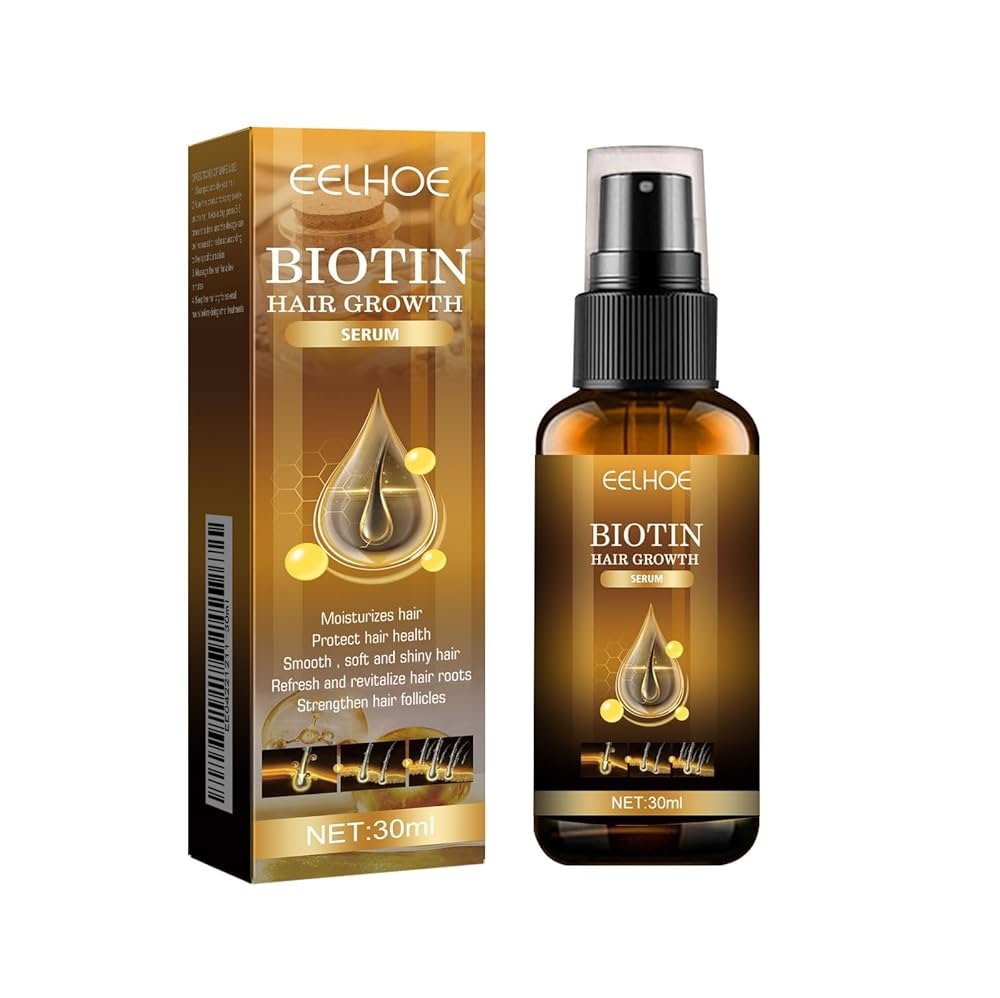
Are you worried about thinning hair or sudden hair fall? Finding the right hair loss care products can feel overwhelming, but it doesn’t have to be.
Imagine waking up to stronger, fuller hair every day—products designed to support your scalp and boost hair growth can make that possible. You’ll discover simple, effective options to protect your hair and regain confidence. Keep reading to find the solutions your hair truly needs.
Causes Of Hair Loss
Understanding why hair loss happens is key to managing it effectively. Hair loss can stem from several causes, each requiring a different approach to treatment. Knowing what affects your hair helps you choose the right care products and routines to protect your hair health.
Genetic Factors
Your family history plays a big role in hair loss. If close relatives have experienced thinning hair or baldness, you might be more prone to it. This type of hair loss, often called androgenetic alopecia, can start as early as your twenties.
Genetic hair loss usually follows a pattern, like receding hairlines or thinning on the crown. Products with ingredients like minoxidil can help slow this process, but understanding your genetic risk helps set realistic expectations.
Hormonal Changes
Hormones directly impact hair growth cycles. Changes during pregnancy, menopause, or thyroid issues can cause sudden hair shedding. Have you noticed more hair in your brush after a hormonal shift?
Balancing hormones through medical advice or using gentle hair care products can reduce this type of hair loss. Pay attention to your body’s signals, as addressing hormonal imbalances often improves hair health.
Nutritional Deficiencies
Your diet affects your hair’s strength and growth. Lack of key nutrients like iron, zinc, vitamin D, and protein can weaken hair follicles. Have you checked if your meals supply enough of these essentials?
Adding nutrient-rich foods or supplements tailored to your needs often supports healthier hair. Reading product labels for nourishing ingredients can also boost your hair care routine.
Stress And Lifestyle
High stress levels can trigger a condition called telogen effluvium, where hair falls out more than usual. Busy lifestyles, poor sleep, and smoking add to the problem. How often do you pause to relax and care for yourself?
Managing stress through mindfulness or exercise helps reduce hair loss linked to lifestyle. Choosing calming hair care products and avoiding harsh treatments gives your scalp a chance to recover.
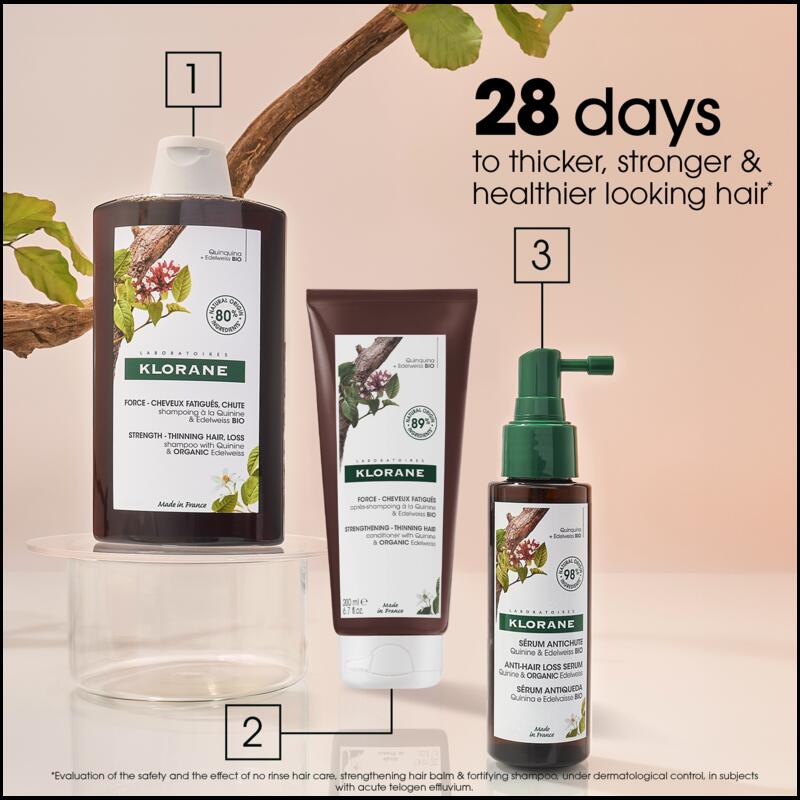
Credit: www.klorane.com
Types Of Hair Loss Products
Understanding the different types of hair loss products can help you choose what works best for your unique hair needs. Each type targets hair loss in a specific way, offering various benefits depending on your scalp condition and hair type. Knowing these options can make your hair care routine more effective and focused.
Shampoos And Conditioners
Shampoos and conditioners designed for hair loss often contain ingredients that strengthen hair strands and improve scalp health. Look for products with biotin, caffeine, or ketoconazole, which can help reduce hair thinning. These products not only clean your hair but also create a healthy environment for growth.
Have you noticed if your current shampoo feels like it’s doing more harm than good? Switching to a gentle, targeted formula can make a significant difference in how your hair looks and feels over time.
Serums And Oils
Serums and oils deliver concentrated nutrients directly to your scalp and hair follicles. Ingredients like castor oil, rosemary oil, and peptides promote circulation and nourish the roots. Applying these regularly can reduce breakage and support new growth.
If you’ve tried serums before, did you apply them consistently? These products work best when used daily, giving your scalp a boost of hydration and strength.
Supplements And Vitamins
Hair health starts from within, and supplements fill nutritional gaps that your diet may miss. Vitamins such as biotin, vitamin D, and zinc are crucial for hair growth and follicle health. Taking supplements alongside topical treatments can accelerate results.
Have you ever tracked how your diet affects your hair? Sometimes, improving your nutrition can be the simplest step toward fuller, healthier hair.
Topical Treatments
Topical treatments like minoxidil are clinically proven to slow hair loss and stimulate growth. These products often require a prescription but are widely available over the counter. They work by increasing blood flow to hair follicles and extending the growth phase of hair.
Are you prepared to commit to a routine? Consistency is key with topical treatments, and skipping applications can reduce their effectiveness significantly.
Ingredients That Boost Hair Growth
Choosing the right ingredients in hair loss care products can make a big difference in how well they work. Some components actively stimulate hair follicles, helping your hair grow thicker and stronger. Understanding these ingredients helps you pick products that truly support your hair growth journey.
Biotin And Keratin
Biotin, also known as vitamin B7, plays a key role in strengthening hair and preventing breakage. It supports the production of keratin, the protein that makes up your hair strands.
Keratin treatments or supplements help restore damaged hair, making it smoother and less prone to falling out. Have you noticed how your hair feels after using keratin-based products? That’s the protein rebuilding your strands from within.
Caffeine And Minoxidil
Caffeine isn’t just for your morning boost—it also stimulates hair follicles and may extend the growth phase of hair. Many shampoos now include caffeine to energize the scalp and promote thicker hair.
Minoxidil is a clinically proven ingredient that increases blood flow to the scalp and revives dormant hair follicles. If you’ve struggled with thinning hair, products with minoxidil might give your scalp the jumpstart it needs.
Essential Oils
Essential oils like rosemary, peppermint, and lavender have gained attention for their ability to improve scalp health. They increase circulation and reduce inflammation, creating a better environment for hair growth.
Adding a few drops of essential oils to your shampoo or scalp massage routine can make a noticeable difference. Have you tried essential oils in your hair care? Their natural scent and soothing effect might be the extra boost you need.
Natural Extracts
Plant extracts such as ginseng, green tea, and aloe vera offer antioxidants and nutrients that protect hair follicles from damage. These ingredients also soothe the scalp and reduce hair fall caused by stress or irritation.
Products with natural extracts provide gentle care without harsh chemicals, making them ideal for sensitive scalps. What natural ingredients have you found most effective in your hair care routine?

Credit: www.amazon.ca
Choosing The Right Product For Your Hair
Choosing the right hair loss care product is more than just picking the most popular brand or the one with the flashiest packaging. Your hair and scalp have unique needs that require careful attention. Understanding these needs helps you select products that truly support your hair’s health and encourage growth.
Hair Type Considerations
Different hair types react differently to various ingredients. If you have fine hair, look for lightweight formulas that won’t weigh your strands down. Thick or curly hair often benefits from more moisturizing and nourishing products that can penetrate deeper.
Think about your hair’s natural texture and how it responds to oils or heavy creams. Have you noticed some products leave your hair greasy or dry? Use those experiences to narrow down what works best for your specific hair type.
Scalp Health
Your scalp is the foundation for healthy hair growth. If you struggle with dandruff, itchiness, or inflammation, choose products that soothe and balance your scalp rather than irritate it further. Ingredients like tea tree oil, aloe vera, or salicylic acid can help maintain a clean and healthy scalp environment.
Ask yourself: does the product support scalp circulation and reduce buildup? A healthy scalp often means better absorption of nutrients and stronger hair roots.
Allergies And Sensitivities
Check ingredient lists carefully if you have sensitive skin or allergies. Fragrances, sulfates, and parabens are common triggers that can cause redness or itching. Opt for hypoallergenic or dermatologist-tested products when possible.
Have you ever experienced a bad reaction to a hair product? Use that memory to avoid similar ingredients. Patch testing a small amount on your skin before full application can save you from discomfort and hair setbacks.
Product Reviews And Ratings
Reading honest reviews can give you insight into how a product performs in real life. Look for detailed feedback about results, side effects, and ease of use. Pay attention to reviews from people with similar hair types and concerns as yours.
However, don’t rely solely on ratings; consider the consistency of the feedback. What do multiple users say about the product’s effectiveness over time? This can help you make a more informed decision before buying.
Application Tips For Best Results
Getting the most from your hair loss care products isn’t just about what you use but how you use it. Small changes in your routine can significantly boost the effectiveness of shampoos, serums, and supplements. Paying attention to application details can make your efforts truly count.
Proper Shampooing Techniques
Shampooing correctly can lay a strong foundation for healthy hair growth. Use lukewarm water to open your scalp pores, allowing the shampoo to cleanse deeply without causing irritation.
Apply shampoo gently using your fingertips, not nails, to avoid scratching or damaging your scalp. Focus on the roots rather than the ends, as this is where new hair growth begins.
Rinse thoroughly to remove all residue, which can clog follicles and hinder growth. Have you noticed how skipping this step sometimes leaves your scalp feeling itchy or greasy?
Serum Application Methods
Serums need precise application to deliver nutrients exactly where your hair needs them most. Use the dropper or nozzle to place small amounts directly onto your scalp in sections.
Massage gently with your fingertips to stimulate blood flow and help the serum absorb better. Avoid rubbing too hard, as this can irritate delicate skin.
Consistency matters here—applying serum daily, ideally at the same time, creates a routine your scalp adapts to, optimizing results over weeks.
Consistent Supplement Intake
Supplements support hair health from the inside out, but their impact depends heavily on regular use. Set reminders if you struggle to remember daily doses.
Pair supplements with meals to improve absorption and reduce the chance of stomach discomfort. Have you tried tracking your intake with an app or journal? It can make a big difference.
Patience is key—nutritional changes often take several months to show visible effects on hair density and strength.
Lifestyle Adjustments
What you eat, how you sleep, and how you manage stress all influence hair health. Drinking enough water and eating a balanced diet rich in vitamins supports your hair care routine.
Regular exercise improves circulation, bringing more nutrients to your scalp. Have you noticed your hair looks better after a good night’s sleep or a stress-free day?
Cutting back on heat styling and harsh chemical treatments also helps maintain the gains you achieve from your products.
Common Myths About Hair Loss Products
Hair loss care products often come with many myths that can confuse you when choosing the right treatment. Believing these myths might lead you to waste time, money, and effort on products that don’t deliver. Let’s clear up some common misunderstandings so you can make smarter decisions about your hair care.
Instant Results Claims
Many products promise quick fixes, like regrowing hair within days or weeks. The truth is, hair growth is a slow process that takes months to show visible changes. If a product claims instant results, ask yourself: is it realistic or just marketing hype?
I once tried a serum that promised noticeable hair growth in two weeks. After a month, there was no difference, only frustration. Real progress needs patience and consistent care, not magic tricks.
One-size-fits-all Solutions
Hair loss causes vary widely—from genetics and stress to diet and health conditions. A product that works wonders for your friend might not work for you. Understanding your specific cause is crucial before picking any product.
Consider seeing a dermatologist to identify your hair loss type. Then, look for products designed for that particular issue. Don’t just buy what’s popular or recommended by someone without similar hair concerns.
Natural Vs. Chemical Products
There’s a strong belief that natural products are always safer and chemical ones are harmful. But natural ingredients can cause allergic reactions, and not all chemicals are bad. It’s about how ingredients interact with your scalp and hair.
Check product labels carefully, and do patch tests. The best choice combines safety with proven effectiveness, not just “natural” or “chemical” tags.
Product Overuse Risks
Using more product or applying it more frequently won’t speed up results. In fact, overuse can irritate your scalp or even worsen hair loss. Quality and correct usage matter more than quantity.
Follow the instructions precisely and give your scalp time to respond. If you notice irritation or increased shedding, stop and consult a professional.
Professional Treatments To Consider
Professional treatments for hair loss offer targeted solutions beyond everyday shampoos and oils. These options often provide faster and more noticeable results, especially when you want to address the root cause directly. Understanding what each treatment involves can help you make an informed decision that fits your lifestyle and hair goals.
Laser Therapy
Laser therapy uses low-level lasers to stimulate hair follicles and improve blood flow to the scalp. It’s a painless, non-invasive treatment that you can do at a clinic or even at home with FDA-approved devices. Many people notice thicker hair and reduced shedding after consistent sessions over several months.
Have you ever wondered if light can really boost hair growth? This treatment taps into the scalp’s natural healing process, encouraging dormant follicles to wake up and grow hair again.
Platelet-rich Plasma (prp)
PRP involves drawing your blood, processing it to concentrate platelets, and injecting it into your scalp. The growth factors in platelets stimulate hair follicles and may improve hair thickness and density. This treatment requires multiple sessions, usually spaced a month apart, for best results.
Many patients report a noticeable improvement in hair texture and strength after PRP. Are you ready to try a procedure that uses your body’s own resources to fight hair loss?
Hair Transplant Options
Hair transplants move healthy hair follicles from one part of your scalp to thinning areas. Techniques like Follicular Unit Extraction (FUE) and Follicular Unit Transplantation (FUT) offer natural-looking results. While it’s a more invasive option, it can provide a permanent solution for significant hair loss.
Thinking about a transplant? It’s important to consider recovery time, cost, and the expertise of your surgeon. A successful transplant can transform your confidence and hairline.
Consulting A Dermatologist
A dermatologist can diagnose the specific cause of your hair loss and recommend the best treatment plan. They can also monitor your progress and adjust therapies to ensure effectiveness. Professional guidance helps avoid wasting time and money on ineffective products.
Have you scheduled a consultation yet? Getting expert advice early can make a big difference in managing hair loss effectively.

Credit: cruecosmetics.com
Frequently Asked Questions
What Are The Best Hair Loss Care Products?
The best hair loss care products contain ingredients like biotin, minoxidil, and keratin. These nourish hair follicles and promote growth. Choose products suited for your hair type and scalp condition for effective results.
How Do Hair Loss Shampoos Work?
Hair loss shampoos cleanse the scalp and strengthen hair roots. They often include ingredients that reduce inflammation and improve blood flow. Regular use can reduce hair shedding and support healthier hair growth.
Can Natural Oils Help With Hair Loss?
Yes, natural oils like castor, rosemary, and coconut oil nourish the scalp. They improve circulation and strengthen hair strands. Using these oils regularly can reduce hair thinning and support hair regrowth.
Are Hair Growth Serums Effective?
Hair growth serums contain active ingredients that stimulate follicles. They penetrate deeply to encourage hair regeneration. Consistent application can improve hair density and slow down hair loss effectively.
Conclusion
Exploring the right hair loss care products can be life-changing. They offer options for healthier, fuller hair. Choosing products with natural ingredients helps. Always check for reviews from others with similar hair concerns. Consistency in use is important for best results.
Consult a specialist for personalized advice. Remember, patience is key in seeing improvements. Stay informed about new products and techniques. Healthy hair boosts confidence and well-being. Keep learning about hair care for ongoing success.
