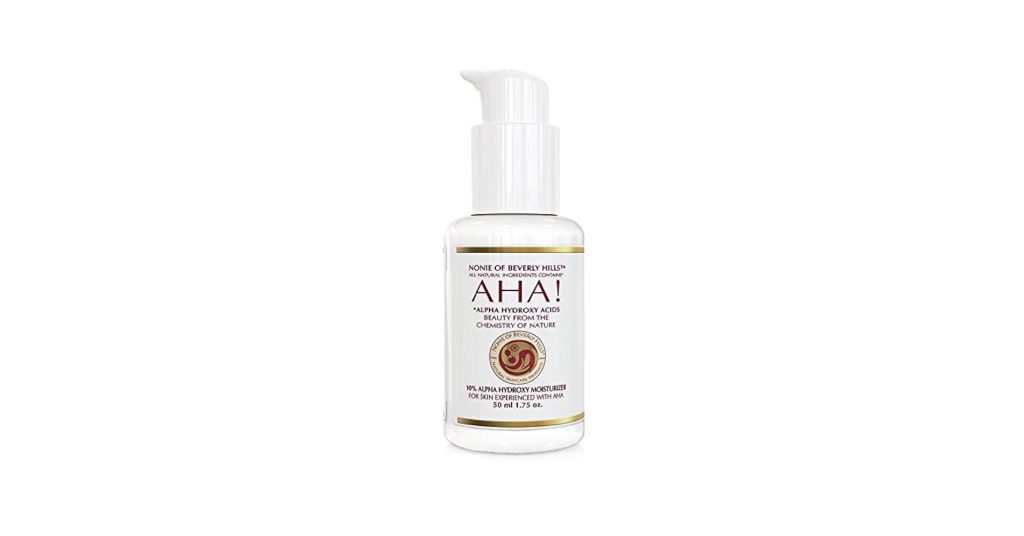
Imagine unlocking the secret to radiant, smooth, and youthful skin with just a few simple ingredients. Intrigued?
Hydroxy acids might just be the game-changer your skincare routine needs. Whether you’re battling stubborn acne, tackling signs of aging, or simply craving that enviable glow, hydroxy acids offer powerful solutions tailored to your unique skin concerns. But before you dive headfirst into this skincare trend, it’s essential to understand how these acids work and which ones are right for you.
So, are you ready to transform your skincare routine and unveil your best skin yet? Keep reading, because what you discover next could revolutionize your approach to skincare forever.
Types Of Hydroxy Acids
Hydroxy acids play a key role in skincare. They help remove dead skin cells and improve skin texture. Different types of hydroxy acids offer unique benefits. Understanding these types helps you choose the right product for your skin.
Alpha Hydroxy Acids (ahas)
AHAs come from natural sources like fruits and milk. They work on the skin’s surface to exfoliate gently. AHAs brighten skin and reduce fine lines. Common AHAs include glycolic acid and lactic acid. These acids improve skin tone and boost hydration.
Beta Hydroxy Acids (bhas)
BHAs are oil-soluble acids. They penetrate deep into pores to remove dirt and oil. Salicylic acid is the most popular BHA. BHAs help reduce acne and control oily skin. They also calm inflammation and soothe redness.
Polyhydroxy Acids (phas)
PHAs are the gentlest hydroxy acids. They exfoliate skin slowly and hydrate effectively. PHAs cause less irritation, making them ideal for sensitive skin. Examples include gluconolactone and lactobionic acid. PHAs also protect skin from free radicals.
Benefits For Skin
Hydroxy acids have become a staple in many skincare routines because of their powerful benefits for the skin. They work beneath the surface to improve texture, tone, and overall appearance. Understanding how they benefit your skin can help you decide if they are the right addition to your regimen.
Exfoliation And Cell Renewal
Hydroxy acids gently remove dead skin cells from the surface, revealing fresher skin underneath. This process speeds up cell turnover, helping your skin look more youthful and smooth. Have you noticed how your skin feels softer after a good exfoliation? Hydroxy acids provide that effect consistently without harsh scrubbing.
Brightening Dull Complexion
If your skin looks tired or lacks glow, hydroxy acids can help brighten it by dissolving the buildup of dead cells that make skin appear dull. They also promote an even skin tone by fading dark spots and discoloration over time. What if you could wake up to a more radiant face every day?
Reducing Fine Lines And Wrinkles
Hydroxy acids stimulate collagen production, which is essential for skin elasticity and firmness. This helps reduce the appearance of fine lines and wrinkles, making your skin look smoother and more youthful. Would you like to see subtle improvements in your skin’s texture without expensive treatments?
Controlling Acne And Breakouts
These acids penetrate pores to clear out excess oil and dead skin that cause breakouts. They also help prevent future acne by keeping pores clean and reducing inflammation. If you’ve struggled with stubborn acne, hydroxy acids might be the gentle yet effective solution you need.
Choosing The Right Acid
Choosing the right hydroxy acid is key for effective skincare. Each acid targets different skin concerns and types. Using the correct one enhances your skin’s health and appearance. Understanding your skin and the acid’s properties helps you avoid irritation and get the best results.
Skin Type Considerations
Different skin types react uniquely to hydroxy acids. Dry skin benefits from gentle acids that hydrate while exfoliating. Oily skin needs acids that help control oil and clear pores. Sensitive skin requires mild acids to reduce redness and irritation. Normal skin can tolerate a range of acids but should start with lower concentrations.
Common Formulations And Concentrations
Hydroxy acids come in various forms like gels, creams, and toners. Concentrations vary from low (around 5%) to high (up to 20% or more). Lower concentrations suit beginners or sensitive skin. Higher concentrations offer stronger exfoliation for experienced users. Always check product labels for acid type and concentration to match your skin’s needs.
Patch Testing Tips
Patch testing prevents unwanted reactions. Apply a small amount of product on your inner arm or behind the ear. Wait 24 to 48 hours to observe any redness or irritation. No reaction means the product is likely safe for your face. Always patch test new acids before full use to protect your skin health.

Credit: aromantic.co.uk
How To Use Hydroxy Acids
Using hydroxy acids correctly is key for safe, effective skin care. These acids help remove dead skin cells and improve texture. Start slow and pay attention to your skin’s response. Proper use reduces irritation and boosts results.
Incorporating Into Your Routine
Begin with clean, dry skin. Apply a small amount of hydroxy acid product, such as a toner or serum. Avoid mixing with strong active ingredients like retinol or vitamin C at the same time. Use at night to let acids work without sun exposure. Follow with a gentle moisturizer to keep skin hydrated.
Frequency And Application Tips
- Start using hydroxy acids 1-2 times a week.
- Increase frequency gradually as your skin builds tolerance.
- Use a pea-sized amount for the entire face.
- Apply evenly and avoid sensitive areas like eyes and lips.
- Do not overuse; too much can cause dryness or redness.
Sun Protection Importance
Hydroxy acids make skin more sensitive to sunlight. Protect your skin by applying broad-spectrum sunscreen every day. Use SPF 30 or higher and reapply often. Wear hats and seek shade during peak sun hours. Sun protection prevents damage and keeps skin healthy.
Possible Side Effects
Hydroxy acids offer great benefits for skin renewal and glow. Yet, they can cause side effects. Understanding these effects helps you use them safely. Some reactions are common and mild. Others may need more attention. Knowing what to expect protects your skin health.
Irritation And Sensitivity
Hydroxy acids may cause redness, itching, or stinging. Sensitive skin reacts more easily. Start with a low concentration to reduce risk. Avoid using on broken or inflamed skin. Sunscreen is essential, as acids increase sun sensitivity.
Over-exfoliation Risks
Too much acid use removes too many skin layers. This can cause dryness, peeling, and inflammation. Over-exfoliation weakens the skin barrier. It may lead to breakouts or infections. Follow product instructions and limit usage frequency.
When To Consult A Dermatologist
See a dermatologist if irritation lasts more than a few days. Seek help if you notice severe swelling or pain. Persistent redness or rash needs expert advice. A professional can recommend safer products or treatments for your skin type.

Credit: slmdskincare.com
Combining With Other Skincare Ingredients
Combining hydroxy acids with other skincare ingredients can enhance your routine or cause unwanted reactions. Understanding which ingredients work well together and which don’t can make a big difference in your skin’s health and appearance. Let’s break down how to mix and match these powerful acids safely and effectively.
Compatible Ingredients
Hydroxy acids like AHAs and BHAs pair well with several ingredients that boost their benefits without irritating your skin. Ingredients such as:
- Hyaluronic Acid: It hydrates and soothes the skin, balancing the exfoliating effects of hydroxy acids.
- Niacinamide: This calming ingredient reduces redness and strengthens the skin barrier while supporting exfoliation.
- Peptides: They promote skin repair and work well after hydroxy acid exfoliation.
Using these together can improve your skin’s texture and resilience without adding irritation. Have you tried combining hyaluronic acid with your hydroxy acid serum? It’s a game-changer for hydration.
Ingredients To Avoid Mixing
Some ingredients can cause sensitivity or reduce the effectiveness of hydroxy acids. Avoid pairing them with:
- Retinol: Both are strong actives and can cause excessive irritation or dryness when used together.
- Benzoyl Peroxide: This can deactivate hydroxy acids and increase skin sensitivity.
- Vitamin C (Ascorbic Acid): Mixing with hydroxy acids may reduce the potency of both and irritate your skin.
It’s best to use these ingredients at different times of the day or on alternate days. Have you noticed any redness or peeling when combining strong actives? That’s a sign to rethink your routine.
Layering Order For Best Results
The order you apply your products affects how well they work together. Generally, start with:
- Cleanser: Clean skin absorbs products better.
- Hydroxy Acid: Apply on dry skin to avoid irritation.
- Hydrating Serums: Use hyaluronic acid or niacinamide to soothe.
- Moisturizer: Seal in all the active ingredients.
- Sunscreen: Always finish with SPF during the day.
Remember, applying sunscreen is crucial after using hydroxy acids. Have you ever skipped SPF and noticed your skin looking dull or sunburned? Don’t let that happen—protect your skin daily.
Popular Products To Try
Choosing the right hydroxy acid product can be a game changer for your skincare routine. Different formats deliver these acids in unique ways, making some better suited for your skin type or concerns than others. Let’s look at some popular product types you might want to try and what makes each effective.
Serums And Toners
Serums and toners packed with hydroxy acids offer a powerful boost to your daily routine. They absorb quickly, making them perfect if you want targeted exfoliation without a heavy feel.
Look for serums containing glycolic acid or lactic acid if you aim to brighten dull skin or smooth texture. Toners with salicylic acid help unclog pores and reduce acne breakouts effectively.
Have you noticed how a well-formulated serum can instantly freshen your skin’s appearance? That’s the magic of hydroxy acids working on a deeper level.
Masks And Peels
Masks and chemical peels provide a more intensive treatment using hydroxy acids. They offer a quick way to exfoliate dead skin cells and reveal fresher skin underneath.
Products with a blend of AHAs and BHAs can tackle multiple issues—from uneven tone to blackheads—in one session. Remember to follow instructions carefully, as these treatments are stronger and can cause irritation if overused.
Trying a peel once a week made a noticeable difference in my skin’s clarity and smoothness. Could a regular peel fit into your self-care routine?
Moisturizers With Hydroxy Acids
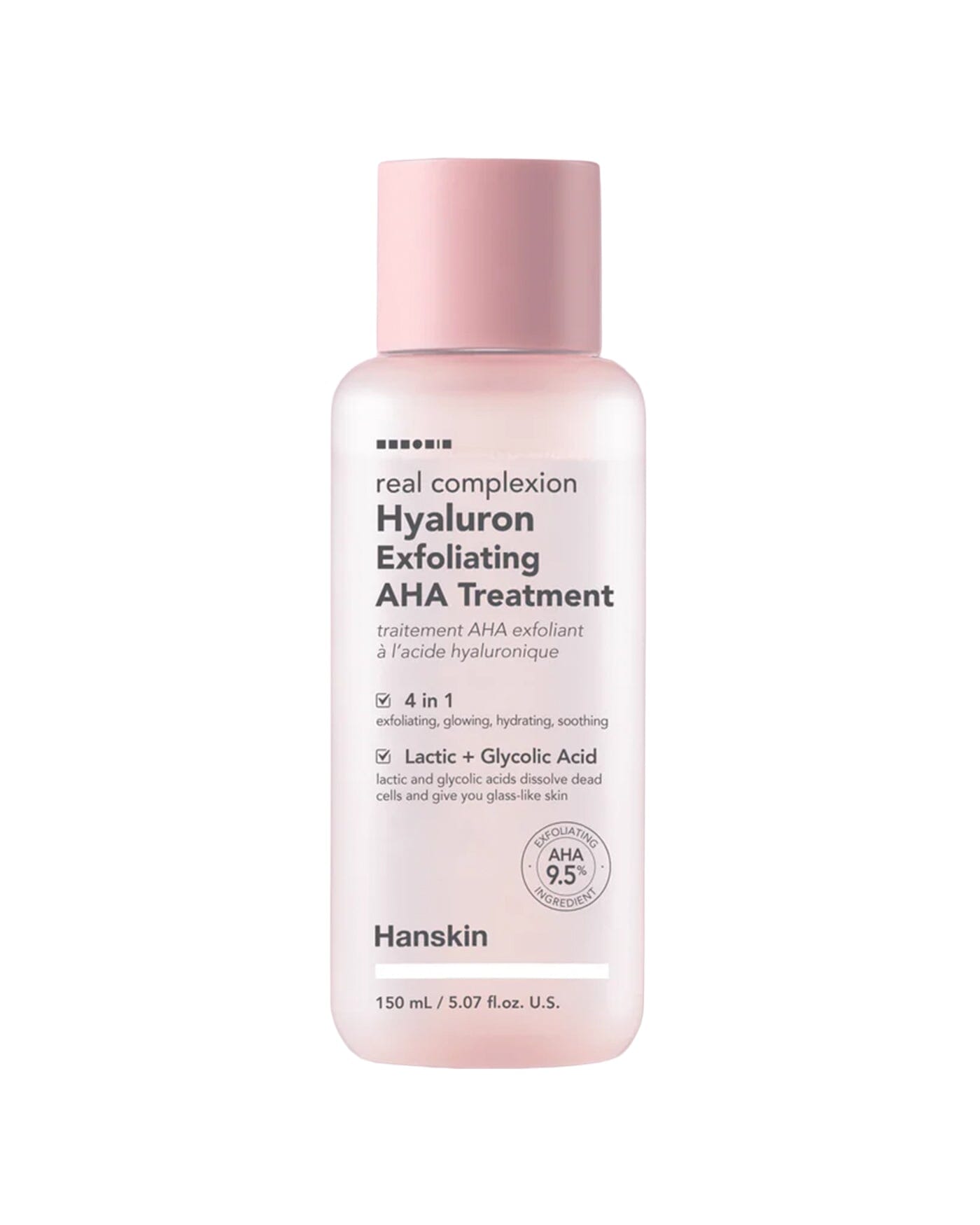
Moisturizers infused with hydroxy acids are great for gentle daily exfoliation while keeping your skin hydrated. These are ideal if you want to improve skin texture without risking dryness.
Products with lactic acid are especially good for sensitive skin, as they exfoliate softly and boost moisture retention. Combining hydration and exfoliation in one step can simplify your skincare process.
Have you tried a moisturizer that doubles as an exfoliant? It’s a smart way to maintain your glow without adding extra steps.
Credit: sokoglam.com
Frequently Asked Questions
What Are Hydroxy Acids In Skincare?
Hydroxy acids are natural or synthetic acids that exfoliate dead skin cells. They improve texture, tone, and clarity. Common types include AHAs and BHAs, which help unclog pores and promote cell turnover for smoother skin.
How Do Hydroxy Acids Benefit The Skin?
Hydroxy acids boost skin renewal, reduce fine lines, and fade dark spots. They enhance collagen production and improve hydration. This leads to brighter, softer, and more youthful-looking skin with consistent use.
Are Hydroxy Acids Safe For All Skin Types?
Hydroxy acids are generally safe but may irritate sensitive skin. Start with lower concentrations and patch test. People with very dry or sensitive skin should consult a dermatologist before use.
Can Hydroxy Acids Help With Acne?
Yes, hydroxy acids unclog pores and reduce inflammation. BHAs like salicylic acid are especially effective for acne-prone skin. They prevent breakouts and improve skin texture over time.
Conclusion
Hydroxy acids help keep your skin clear and smooth. They remove dead skin gently. Using them can reduce wrinkles and brighten your face. Always start slow to avoid irritation. Protect your skin with sunscreen daily. Choose the right product for your skin type.
Consistent use brings the best results. Healthy skin feels soft and fresh. Give hydroxy acids a try for better skin care. Simple steps can make a big difference.