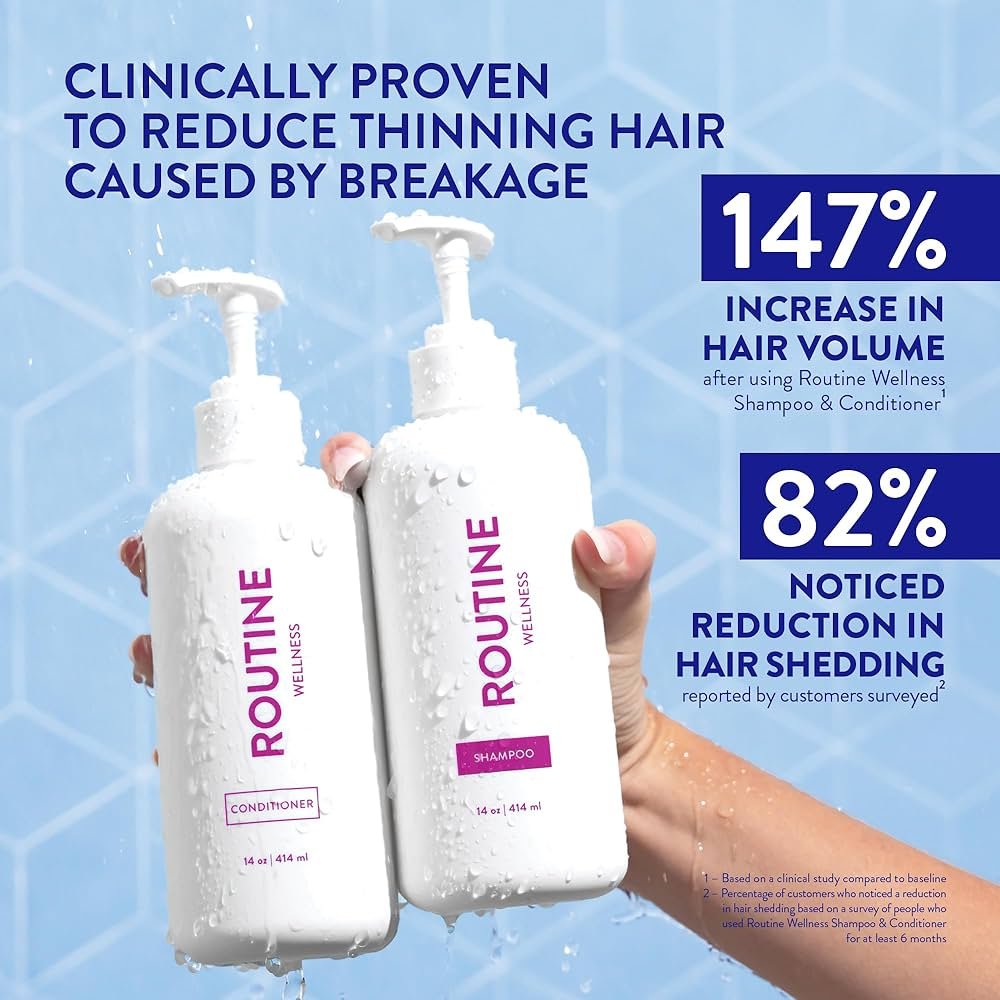
Are you noticing your hair feels thinner and less full than before? You’re not alone, and the right hair care products can make a big difference.
Choosing the best products for thinning hair can help strengthen your strands, add volume, and boost your confidence. You’ll discover simple, effective solutions designed just for your hair’s needs. Keep reading to find out how to protect and revive your hair, so you can feel great every day.
Causes Of Thinning Hair
Thinning hair can be frustrating, especially when you don’t know why it’s happening. Understanding the causes helps you choose the right hair care products and treatments. Let’s break down the main reasons behind thinning hair so you can take control of your hair health.
Genetic Factors
Your genes play a big role in hair thinning. If close family members have experienced hair loss, you might be more likely to face the same issue. This type of hair thinning often shows up gradually, usually starting with a receding hairline or thinning at the crown.
Even if genetics influence your hair, you can still manage the condition. Using products designed to strengthen hair follicles can slow down the process. Have you noticed any patterns of hair loss in your family?
Hormonal Changes
Hormones can dramatically affect hair thickness. Changes during pregnancy, menopause, or thyroid problems often lead to noticeable hair thinning. These hormonal shifts can disrupt the natural hair growth cycle, causing more hairs to fall out.
Pay attention to your body’s signals during these times. Choosing gentle, hormone-balancing hair care products might help reduce hair loss. Are you currently going through any hormonal changes that could be impacting your hair?
Nutritional Deficiencies
Your hair needs proper nutrients to stay strong and healthy. Lack of vitamins like B12, iron, and zinc can cause hair strands to weaken and fall out. A diet low in protein also affects hair growth since hair is mostly made of protein.
Consider adding nutrient-rich foods or supplements to your routine. You might see a difference in hair volume and strength over time. What foods do you currently eat to support your hair health?
Stress And Lifestyle
Stress doesn’t just affect your mind; it impacts your hair too. High stress levels can push hair follicles into a resting phase, leading to sudden hair thinning. Poor sleep, smoking, and an unhealthy lifestyle make this worse.
Try to manage stress through relaxation techniques or exercise. Improving your lifestyle can help restore your hair’s natural growth cycle. What small changes can you make today to reduce stress and protect your hair?

Credit: www.amazon.com
Key Ingredients To Look For
Choosing the right hair care products for thinning hair can be overwhelming, but focusing on key ingredients helps you make smarter decisions. These ingredients target the root causes of hair thinning and support healthier, stronger strands. Knowing what to look for empowers you to pick products that truly benefit your hair’s unique needs.
Biotin And Vitamins
Biotin is a standout nutrient that promotes hair strength and growth. It supports the production of keratin, the protein that makes up your hair’s structure. Alongside biotin, vitamins like B-complex, vitamin D, and vitamin E nourish your scalp and improve blood circulation, creating a better environment for hair to thrive.
Have you noticed how your hair feels after adding a vitamin-enriched shampoo or supplement? Many find their strands less brittle and more resilient within weeks.
Keratin And Proteins
Keratin is the building block of hair, so products containing keratin help repair and fortify thinning strands. Proteins like collagen and silk amino acids fill in damaged areas, reducing breakage and improving texture. Using these ingredients regularly can make your hair look fuller and feel smoother.
Think about how your hair responds after a protein treatment—does it feel stronger or more elastic? That’s keratin doing its job.
Caffeine And Natural Extracts
Caffeine stimulates hair follicles and may slow down hair loss by encouraging growth phases. Many shampoos and serums now include caffeine along with natural extracts such as green tea, ginseng, and rosemary. These extracts soothe the scalp, reduce inflammation, and improve circulation, which supports healthier hair growth.
Next time you try a product with these ingredients, pay attention to any changes in scalp comfort and hair density after a few weeks.
Essential Oils
Essential oils like peppermint, lavender, and tea tree oil offer both scalp care and hair-strengthening benefits. They help unclog follicles, balance oil production, and have antimicrobial properties that keep your scalp healthy. Adding a few drops of essential oils to your routine can enhance the effectiveness of your hair care products.
Have you experimented with essential oils in your hair care? Many users report thicker hair and a refreshed scalp sensation after consistent use.
Top Shampoos For Thinning Hair
Choosing the right shampoo can help manage thinning hair effectively. Shampoos made for thinning hair focus on different needs. Some add volume, others strengthen strands, and some block harmful hormones. Selecting the best type depends on your hair and scalp condition.
Volumizing Shampoos
Volumizing shampoos add body and lift to flat, thin hair. They use lightweight ingredients that do not weigh hair down. These shampoos create the appearance of thicker hair strands. Ideal for fine hair, they improve hair texture and fullness.
Strengthening Shampoos
Strengthening shampoos contain proteins and vitamins to fortify hair. They help reduce breakage and split ends. These shampoos nourish the scalp and hair roots. Stronger hair looks healthier and can resist thinning.
Dht-blocking Shampoos
DHT-blocking shampoos target the hormone linked to hair loss. They contain natural ingredients that reduce DHT on the scalp. This helps prevent hair follicles from shrinking. Using these shampoos supports hair retention and growth.
Effective Conditioners And Treatments
Effective conditioners and treatments play a key role in caring for thinning hair. They help strengthen strands, improve scalp health, and add volume. Choosing the right products supports hair growth and reduces breakage. These treatments work by nourishing hair from root to tip.
Regular use of these conditioners and treatments can restore shine and softness. They protect hair from damage caused by styling and environmental factors. Using gentle, targeted formulas keeps hair looking fuller and healthier.
Leave-in Conditioners
Leave-in conditioners provide continuous moisture throughout the day. They coat each strand, making hair easier to manage and less prone to breakage. These products often contain proteins and vitamins that strengthen hair.
- Use a small amount on damp hair after washing.
- Focus on mid-lengths and ends, avoiding the scalp.
- Choose formulas designed for fine or thinning hair.
Scalp Serums
Scalp serums nourish the skin beneath the hair. A healthy scalp encourages stronger hair growth. These serums often include ingredients like caffeine, biotin, or essential oils.
- Apply directly to the scalp in clean, dry hair.
- Massage gently to boost blood circulation.
- Use consistently for best results.
Hair Masks
Hair masks deliver deep hydration and repair. They restore moisture balance and strengthen weak strands. Masks with natural oils and proteins work well for thinning hair.
- Apply once or twice a week after shampooing.
- Leave on for 10-15 minutes to absorb fully.
- Rinse thoroughly with cool water to seal cuticles.
Styling Products That Add Volume
Adding volume to thinning hair can feel like a challenge, but the right styling products can make a big difference. These products work by lifting your roots, adding texture, and giving your hair a fuller appearance without weighing it down. Have you ever noticed how some products leave your hair looking flat while others give it a natural bounce? Understanding which styling products to choose is key to boosting your hair’s volume effectively.
Mousses And Foams
Mousses and foams are lightweight styling aids that provide lift and body to thin hair. They work by coating each strand with a thin layer that adds thickness and holds shape.
Apply mousse to damp hair before blow-drying to create volume from the roots. Look for alcohol-free formulas to avoid drying out your hair, which can make thinning more noticeable.
Many find that mousses deliver a soft, flexible hold that lets their hair move naturally without stiffness. Have you tried a mousse that actually feels light instead of sticky?
Root Lifters
Root lifters target the base of your hair strands to create instant lift where thinning is most visible. These sprays or creams are applied directly at the roots to boost height and prevent your hair from falling flat.
Use root lifters on towel-dried hair, focusing on the scalp area. Then, blow-dry your hair while lifting sections with your fingers or a round brush to maximize volume.
Many users report that root lifters give a noticeable lift that lasts all day without leaving residue. Have you noticed how a little lift at the roots can transform your entire hairstyle?
Texturizing Sprays
Texturizing sprays add grip and thickness by creating separation between hair strands. They are perfect for creating a tousled, natural look that appears fuller and more voluminous.
Spray texturizers on dry hair and scrunch or tousle with your fingers to enhance texture. These sprays often contain ingredients that absorb excess oil, helping your hair maintain volume longer.
If your hair tends to look flat after a few hours, texturizing sprays can be a game-changer. Have you tried using a texturizing spray to refresh your hair mid-day?

Credit: www.amazon.com
Lifestyle Tips To Support Hair Health
Supporting your hair health goes beyond just the products you use. Your daily habits and lifestyle choices play a crucial role in how your hair looks and feels. Making small changes can help slow down thinning and boost the strength of your hair.
Balanced Diet
Your hair needs nutrients to grow strong and healthy. Eating a diet rich in proteins, vitamins, and minerals can make a noticeable difference. Foods like eggs, nuts, spinach, and salmon provide essential nutrients such as biotin, iron, and omega-3 fatty acids.
Do you pay attention to what your hair needs through your meals? Sometimes, just adding a handful of nuts or a leafy green salad can give your hair the support it’s missing.
Proper Hair Care Routine
How you treat your hair daily affects its health. Avoid harsh shampoos with sulfates and limit heat styling to prevent further damage. Use gentle, nourishing products designed for thinning hair, and always be careful when brushing to avoid unnecessary breakage.
Think about the last time you brushed your hair roughly or skipped washing it for too long. Small adjustments, like switching to a wide-tooth comb or rinsing with cool water, can help maintain your hair’s strength.
Stress Management
Stress can be a hidden trigger for hair thinning. High stress levels disrupt the natural hair growth cycle, causing more hair to fall out. Taking time for relaxation, whether through meditation, walking, or hobbies, helps your hair stay in a healthy growth phase.
When was the last time you checked in with yourself about stress? Simple daily pauses to breathe deeply or stretch can reduce tension and protect your hair’s health.
When To See A Specialist
Knowing the right time to see a specialist helps protect your hair health. Early action can prevent further thinning and damage. Some signs show when hair loss needs professional care. A specialist can guide you to the best treatments. Understanding these signs and options is important for your hair care journey.
Signs Of Severe Hair Loss
- Sudden or rapid hair shedding
- Bald patches appearing on the scalp
- Scalp itching or redness
- Hair thinning that worsens over weeks
- Excessive hair loss during brushing or washing
- Family history of hair loss or baldness
Spotting these signs early helps in seeking timely help. Some hair loss is normal, but severe loss needs attention.
Medical Treatments Available
- Topical minoxidil to stimulate hair growth
- Prescription oral medications to slow loss
- Platelet-rich plasma (PRP) therapy to boost follicles
- Hair transplant surgery for permanent restoration
- Low-level laser therapy to improve scalp health
- Hormone therapy for specific conditions
A specialist will recommend treatments based on your condition. Some options suit certain types of hair loss better.

Credit: www.amazon.com
Frequently Asked Questions
What Are The Best Ingredients For Thinning Hair Products?
Look for products with biotin, keratin, caffeine, and niacin. These ingredients strengthen hair and promote growth. Avoid harsh chemicals that can worsen thinning.
How Often Should I Use Hair Care Products For Thinning Hair?
Use shampoos and conditioners designed for thinning hair 2-3 times weekly. Avoid daily washing to prevent scalp dryness and hair damage.
Can Hair Serums Help With Thinning Hair?
Yes, serums with peptides and vitamins nourish follicles and reduce breakage. They improve hair density when used consistently over time.
Are Natural Hair Care Products Effective For Thinning Hair?
Natural products with essential oils and plant extracts can support scalp health. They are gentle but may take longer to show visible results.
Conclusion
Finding the right hair care products for thinning hair is crucial. Each scalp needs unique solutions. Choose gentle shampoos that nourish and protect. Conditioners should add volume without weighing hair down. Look for products with vitamins and natural oils. They help strengthen hair strands.
Regular use can improve hair health over time. It’s important to follow a consistent routine. Patience is key in seeing results. With the right products, hair can appear thicker and healthier. Feel more confident with each step you take. Your journey to better hair starts today.
