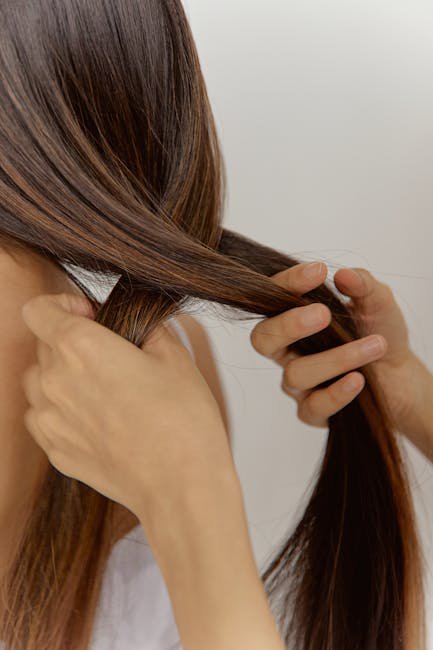
Frizzy hair can feel like a constant battle, leaving you frustrated every time you look in the mirror. You want smooth, shiny locks that bounce with life, not strands that seem to have a mind of their own.
The good news? With the right hair care routine, you can tame that frizz and bring out your hair’s natural beauty. You’ll discover simple, effective steps that fit easily into your daily life. Ready to say goodbye to frizz and hello to confidence?
Keep reading to unlock the secrets your hair has been waiting for.
Causes Of Frizzy Hair
Frizzy hair happens when the hair strands swell and lose their smoothness. Many factors cause this swelling. Understanding these causes helps in managing frizz better. Below are the main reasons why hair becomes frizzy.
Environmental Factors
Humidity is a top cause of frizzy hair. Moisture in the air makes hair strands absorb water. This causes the hair cuticles to lift and swell. Wind also roughens the hair surface. Sun exposure dries out hair, making it brittle and prone to frizz.
Hair Texture And Genetics
Curly and wavy hair types tend to frizz more. Their natural shape makes it harder for oils to spread evenly. Genetics play a big role in hair texture. Some people naturally have more porous hair, which absorbs moisture quickly.
Hair Damage And Dryness
Damaged hair cuticles cause frizz by not lying flat. Heat styling tools like straighteners and curling irons weaken hair. Chemical treatments such as coloring or perming also cause damage. Dry hair lacks moisture, making it rough and frizzy.

Credit: www.reddit.com
Choosing The Right Shampoo And Conditioner
Choosing the right shampoo and conditioner is a crucial step in taming frizzy hair. The products you pick can either hydrate and smooth your strands or leave them dry and unruly. Understanding what to look for helps you avoid common pitfalls and gives your hair the care it truly needs.
Moisturizing Ingredients To Look For
Look for shampoos and conditioners that contain natural oils like argan oil, coconut oil, or jojoba oil. These ingredients help lock in moisture and reduce frizz by nourishing your hair deeply. Ingredients such as shea butter and aloe vera also provide hydration without weighing your hair down.
Have you noticed how some shampoos make your hair feel dry even after washing? It’s often because they lack these moisturizing components. Choosing products rich in these ingredients can make a noticeable difference in softness and manageability.
Sulfate-free Options
Sulfates strip your hair of natural oils, which can worsen frizz and dryness. Opting for sulfate-free shampoos protects your hair’s natural moisture balance. These gentle cleansers still clean effectively but are kinder to sensitive, frizz-prone hair.
Many drugstore and salon brands now offer sulfate-free lines specifically designed for frizzy or curly hair. You might find your hair feels less brittle and looks shinier once you switch. Could avoiding sulfates be the missing step in your hair care routine?
Conditioners For Smoothness
Choose conditioners that focus on smoothing and detangling. Look for formulas with silicone derivatives like dimethicone, which form a protective layer, reducing frizz and adding shine. Deep conditioning treatments once or twice a week can also restore softness and control.
Don’t just pick any conditioner—read labels and select one that suits your hair type and needs. Have you tried leaving conditioner on a bit longer to let it work deeper? Small changes like this can improve how smooth and manageable your hair feels.
Effective Washing Techniques
Effective washing techniques help control frizz and keep hair smooth. Proper care during washing prevents dryness and damage. Use gentle steps to protect your hair’s natural moisture. Focus on how you wash, not just what products you use. Small changes in washing can make big differences in hair texture.
Water Temperature Tips
Use lukewarm water to wash frizzy hair. Hot water strips natural oils, causing dryness and frizz. Cold water helps seal the hair cuticle, adding shine. Rinse hair with cool water at the end for smoothness. Avoid extreme temperatures for balanced scalp health.
Proper Shampooing Method
- Choose a sulfate-free shampoo to avoid harsh chemicals.
- Apply shampoo only to the scalp, not the hair ends.
- Massage gently with fingertips to stimulate scalp circulation.
- Rinse thoroughly to remove all shampoo residue.
- Limit shampooing to 2-3 times per week to prevent dryness.
Conditioning Best Practices
- Apply conditioner mainly on hair mid-lengths to ends.
- Avoid the scalp to prevent oil buildup and weigh down.
- Leave conditioner on for 2-3 minutes before rinsing.
- Use a wide-tooth comb to detangle hair while conditioner is on.
- Rinse with cool water to lock in moisture and smooth hair.
Deep Conditioning And Hair Masks
Deep conditioning and hair masks play a vital role in managing frizzy hair. They provide intense moisture and repair damage from heat, chemicals, and weather. These treatments help smooth the hair cuticle, reducing frizz and enhancing shine. Including deep conditioning and masks in your routine can transform dry, unruly hair into soft, manageable strands.
Frequency For Best Results
Deep conditioning should happen at least once a week. For very dry or damaged hair, twice a week works well. Avoid daily deep conditioning as it can weigh hair down. Regular use helps maintain moisture balance and keeps frizz at bay. Adjust frequency based on your hair’s needs and condition.
Diy Natural Masks
Natural ingredients offer gentle, effective options for deep conditioning. Try these easy DIY masks:
- Avocado and honey:Nourishes and adds shine.
- Coconut oil and yogurt:Moisturizes and smooths strands.
- Banana and olive oil:Repairs damage and softens hair.
Apply the mask on damp hair and leave it for 20-30 minutes. Rinse well with cool water for best results.
Store-bought Treatments
Many store-bought masks target frizzy hair specifically. Choose products with ingredients like argan oil, shea butter, and keratin. These nourish deeply and restore hair’s natural moisture. Look for sulfate-free and paraben-free options to avoid dryness. Follow the instructions on the packaging for application and timing. Regular use improves hair texture and reduces frizz significantly.
Styling Tips To Reduce Frizz
Frizz can be stubborn, but the way you style your hair plays a huge role in taming it. Small changes in your routine can make a noticeable difference. Let’s look at some styling tips that help reduce frizz and keep your hair looking smooth and healthy.
Heat Protection Strategies
Heat styling tools can damage your hair and increase frizz if used without protection. Always apply a heat protectant spray or serum before using flat irons, curling wands, or blow dryers.
Choose products with ingredients like silicone or natural oils that form a barrier against heat. Have you noticed how your hair reacts on days you skip heat protection? That difference can be huge.
Air Drying Vs Blow Drying
Air drying might sound gentler, but it can sometimes leave hair frizzier if your hair is prone to moisture absorption. Blow drying with a diffuser on a low heat setting can help control frizz by drying your hair evenly and quickly.
If you prefer air drying, try gently blotting your hair with a microfiber towel instead of rubbing it. This reduces friction and minimizes frizz formation. Which method feels better for your hair texture?
Using Anti-frizz Products
Anti-frizz products come in many forms, like serums, creams, and sprays. Look for products containing ingredients such as argan oil, shea butter, or glycerin that lock in moisture and smooth hair cuticles.
Apply these products when your hair is damp to seal in hydration and create a protective layer. Don’t overload—start with a small amount and add more if needed. What’s your go-to anti-frizz product that actually works?
Daily Hair Care Habits
Daily hair care habits shape the health and look of frizzy hair. Small actions each day help reduce frizz and keep hair smooth. Consistency is key. Simple steps can make a big difference over time.
Brushing Techniques
Use a wide-tooth comb or a soft-bristle brush. Start detangling from the ends and move upward gently. Avoid brushing hair when it is wet. Wet hair breaks easily and increases frizz.
Avoiding Over-washing
Wash hair two to three times a week. Over-washing strips natural oils that keep hair moisturized. Use a mild, sulfate-free shampoo. Follow with a hydrating conditioner to lock in moisture.
Nighttime Hair Care
Sleep on a silk or satin pillowcase. It reduces friction and prevents frizz. Tie hair loosely in a braid or bun before bed. Avoid tight hairstyles that pull and damage hair strands.
Lifestyle Changes For Healthier Hair
Changing your lifestyle can have a surprising impact on managing frizzy hair. It’s not just about the products you use but how you treat your body and hair from the inside out. Small adjustments in your daily habits can lead to smoother, healthier strands over time.
Balanced Diet And Hydration
Your hair needs proper nutrition to stay strong and hydrated. Eating foods rich in vitamins A, C, D, and E, along with omega-3 fatty acids, supports hair health. Think leafy greens, nuts, fish, and fruits.
Drinking plenty of water keeps your hair hydrated just like your skin. When your body lacks water, your hair becomes dry and prone to frizz. Have you noticed your hair feeling rough on days you skip water?
Stress Management
Stress can affect your hair’s texture and growth cycle. High stress levels often cause hair to become brittle and frizzy. Finding ways to relax, such as meditation, walking, or hobbies, can improve your hair’s condition.
I once struggled with frizz until I started regular yoga sessions. The difference in my hair’s smoothness surprised me and made me realize how stress directly impacts hair quality. What stress relief methods work best for you?
Regular Trims
Trimming your hair regularly removes split ends that contribute to frizz. You don’t have to cut a lot—just a small trim every 6 to 8 weeks can make a big difference. This keeps your hair looking fresh and prevents damage from traveling up the hair shaft.
Many people avoid trims thinking they’ll lose length, but trimming actually helps your hair grow healthier and stronger. Could your haircare routine benefit from scheduling regular appointments with your stylist?
:max_bytes(150000):strip_icc()/ins-frizzy-hair-tout-francesca-krempa-598142d292b34020b680ad192c498b2b.jpeg)
Credit: www.instyle.com

Credit: www.youtube.com
Frequently Asked Questions
What Causes Frizzy Hair And How To Prevent It?
Frizzy hair is caused by moisture imbalance and damaged cuticles. Prevent it by using hydrating shampoos, conditioners, and avoiding heat styling. Regular deep conditioning and using anti-frizz serums also help maintain smoothness and reduce frizz.
How Often Should I Wash Frizzy Hair?
Washing frizzy hair 2-3 times a week is ideal. Over-washing strips natural oils, increasing frizz. Use sulfate-free shampoos and always condition after washing to keep hair moisturized and manageable.
What Are The Best Products For Frizzy Hair?
Look for sulfate-free shampoos, moisturizing conditioners, and leave-in conditioners. Use anti-frizz serums or oils like argan or coconut oil. These products help seal moisture, smooth cuticles, and reduce frizz throughout the day.
Can Heat Styling Damage Frizzy Hair More?
Yes, excessive heat styling damages the hair cuticle, worsening frizz. Use heat protectant sprays and limit heat tools. Opt for air-drying or low-heat settings to keep hair healthy and less frizzy.
Conclusion
Frizzy hair needs gentle care and the right products daily. Choose shampoos and conditioners made for frizz control. Use a wide-tooth comb to avoid breakage. Apply leave-in conditioners or oils for extra moisture. Avoid heat styling tools too often to keep hair healthy.
Stay consistent with your routine for best results. Soft, smooth hair is possible with simple steps. Patience and care bring lasting improvement. Your hair can look its best every day.
