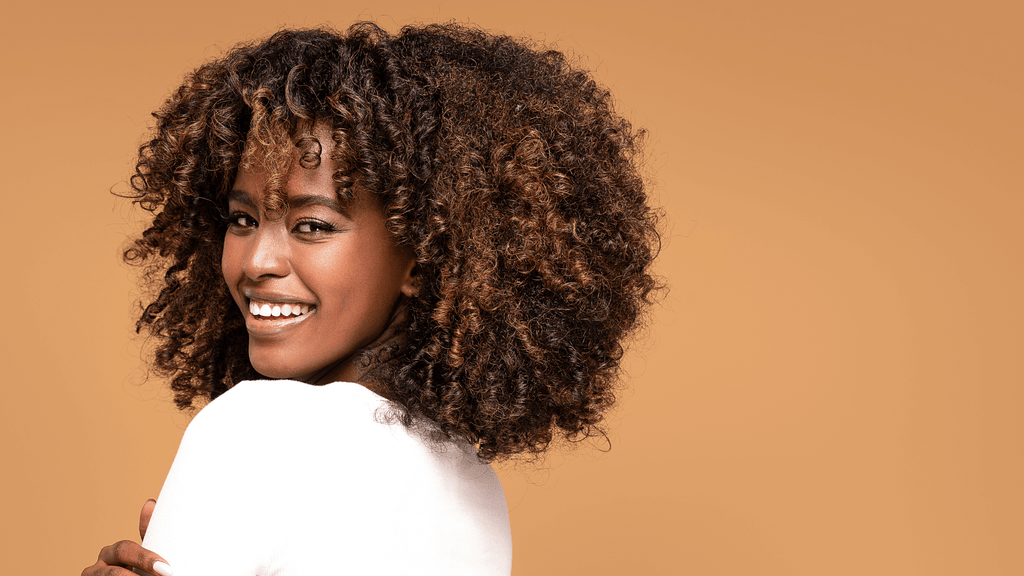
Are you tired of searching for the perfect hair care routine that truly understands your unique needs? African American hair is beautiful and diverse, but it requires special care to maintain its health and vibrancy.
Imagine feeling confident in your hair’s natural texture and shine, knowing you’ve discovered the secrets to its optimal care. You’ll uncover expert tips and tricks tailored specifically for African American hair. Whether you’re managing curls, kinks, or waves, you’ll find solutions that not only work but transform your daily routine into a celebration of your natural beauty.
Ready to unlock the secrets to healthier, more beautiful hair? Keep reading to discover how you can achieve the hair of your dreams.

Credit: www.amazon.ca
Hair Types And Textures
Understanding hair types and textures is key to caring for African American hair. This hair varies greatly in pattern and feel. Knowing your hair type helps choose the right products and styles. African American hair is unique and needs special attention to stay healthy.
Identifying Your Hair Type
Hair types fall into four main categories: straight, wavy, curly, and coily. African American hair mostly falls in the curly and coily groups. Look closely at your natural pattern. Is it loose curls or tight coils? This observation guides your hair care routine.
Characteristics Of African American Hair
African American hair is thick and dense. It grows in a spiral or zigzag pattern. This hair type is prone to dryness. The natural oils from the scalp have a hard time traveling down the hair shaft. Gentle care and moisture are essential for healthy strands.
Common Hair Texture Variations
Textures vary from fine to coarse in African American hair. Some strands feel soft and delicate. Others are strong and thick. Here are common variations:
- Fine and soft: delicate strands, easier to break
- Medium texture: balanced strength and softness
- Coarse and thick: strong strands, resistant to damage
Recognizing your texture helps pick the right shampoo, conditioner, and styling products. Embrace your hair’s natural pattern and texture for the best results.
Daily Hair Care Routine
Keeping your hair healthy every day requires more than just washing it. A consistent daily hair care routine helps maintain moisture, prevent breakage, and keep your curls looking their best. Let’s dive into how you can care for your hair gently, moisturize it effectively, and detangle without causing damage.
Gentle Cleansing Practices
Washing your hair too often or with harsh shampoos can strip away natural oils that protect your scalp and strands. Choose sulfate-free shampoos that clean without drying out your hair. Focus on massaging your scalp gently to remove buildup without rough scrubbing, which can cause irritation.
Have you tried using co-washing (conditioner washing) as an alternative to traditional shampoo? It can be a great way to keep your hair clean while preserving moisture, especially if your hair feels dry after shampooing.
Effective Moisturizing Techniques
Moisture is key to preventing breakage and maintaining softness. After cleansing, apply a leave-in conditioner or moisturizer to damp hair to lock in hydration. Use oils like jojoba or coconut oil sparingly to seal in moisture without weighing your hair down.
Think about how often you moisturize your hair daily. Sometimes, refreshing your curls with a water-based spray and a light moisturizer can bring life back without heavy products.
Detangling Without Damage
Detangling can be tricky and often leads to breakage if done carelessly. Always detangle your hair when it’s damp and coated with conditioner or a detangling spray. Use a wide-tooth comb or your fingers to gently work through knots from the ends up to the roots.
Have you noticed how rushing through detangling worsens the damage? Taking your time and being gentle can save you from frustration and hair loss.
Protective Hairstyles
Protective hairstyles play a vital role in African American hair care. They shield hair from damage caused by daily styling and harsh weather. These styles help retain moisture and prevent breakage. Protective hairstyles also promote healthy hair growth by reducing manipulation and stress on strands.
Benefits Of Protective Styles
- Reduce hair breakage and split ends
- Retain moisture and prevent dryness
- Protect hair from environmental damage
- Encourage length retention and growth
- Lower daily hair manipulation and stress
- Allow versatility and creative expression
Popular Protective Hairstyles
- Box braids
- Twists
- Cornrows
- Bantu knots
- Wigs and weaves
- Updos with pinned extensions
Maintenance Tips For Longevity
- Keep scalp clean and moisturized
- Cover hair with satin or silk at night
- Avoid heavy products that cause buildup
- Wash styles gently without rough rubbing
- Re-moisturize hair and scalp regularly
- Do not keep styles for too long
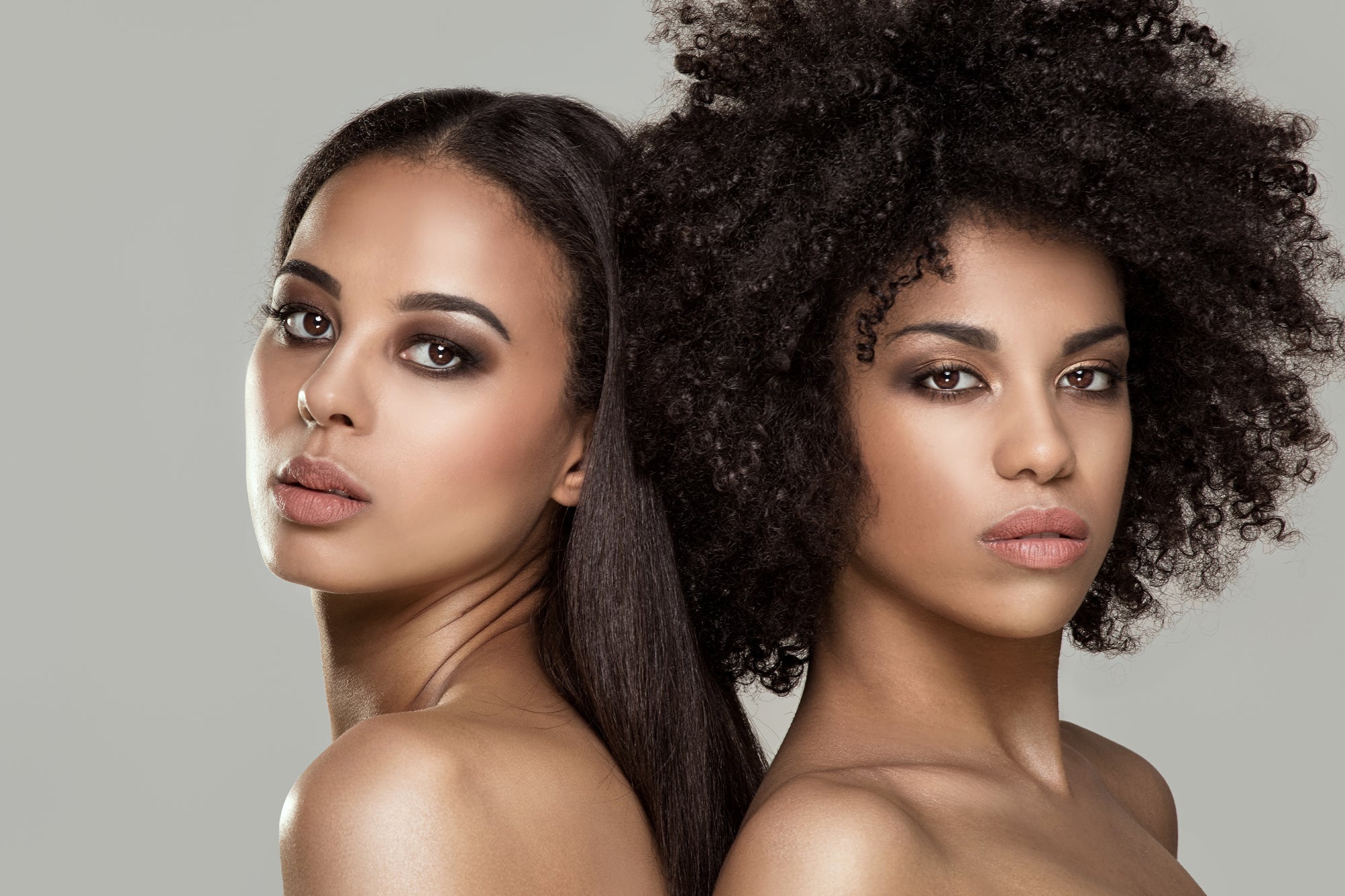
Credit: noellesalon.com
Choosing The Right Products
Choosing the right products is key to healthy African American hair care. Each hair type needs different ingredients and care. Using the correct products can prevent damage and keep hair strong. It also helps maintain moisture and shine. Knowing what to pick makes a big difference in hair health.
Ingredients To Look For
Look for ingredients that nourish and protect hair. Shea butter and coconut oil add moisture. Aloe vera soothes the scalp and promotes growth. Glycerin helps keep hair hydrated. Proteins like keratin strengthen hair strands. These ingredients support healthy, soft, and manageable hair.
Avoiding Harmful Chemicals
Steer clear of harsh chemicals that can damage hair. Sulfates strip natural oils and cause dryness. Parabens may irritate the scalp. Silicones build up and weigh hair down. Avoid alcohols that dry out hair. Choosing products without these chemicals protects hair from harm.
Natural Oils And Their Benefits
Natural oils are excellent for African American hair. Jojoba oil closely mimics scalp oils and balances moisture. Castor oil helps with hair growth and thickness. Argan oil nourishes and adds shine. Olive oil softens hair and reduces breakage. These oils keep hair healthy and vibrant.
Heat Styling And Damage Prevention
Heat styling can enhance the look of African American hair. It creates sleek, polished styles and adds versatility. Yet, heat can cause damage, making hair dry and brittle. Protecting hair from heat is key to keeping it healthy and strong.
Safe Heat Styling Practices
Use a heat protectant spray before styling. It forms a barrier against heat damage. Choose tools with adjustable temperature settings. Keep heat below 350°F to avoid burning hair. Limit heat styling to once or twice a week. Always dry hair fully before using hot tools. Avoid using heat on wet or damp hair. Use ceramic or tourmaline flat irons for even heat distribution.
Alternative Styling Methods
Try heat-free styles to reduce damage. Twist-outs and braid-outs create curls without heat. Use flexi rods or perm rods for waves. Pineapple your hair at night to preserve curls. Use scarves or satin bonnets to protect hair while sleeping. Experiment with wash-and-go styles using curl creams and gels.
Repairing Heat-damaged Hair
Trim split ends regularly to prevent further damage. Deep condition hair weekly with moisturizing treatments. Use protein treatments to strengthen weak strands. Avoid heat styling until hair recovers. Keep hair hydrated with leave-in conditioners. Massage scalp to stimulate healthy hair growth. Protect hair at night with silk or satin pillowcases.

Credit: primewomen.com
Scalp Health Essentials
Healthy hair starts with a healthy scalp, especially for African American hair, which often requires extra care due to its unique texture and curl pattern. Your scalp is the foundation where hair follicles live, and maintaining its health can improve hair strength and appearance. Paying attention to scalp care can prevent common issues like dryness, itching, and hair thinning.
Importance Of Scalp Care
Your scalp is more than just skin; it’s a living environment that supports hair growth. Ignoring scalp health can lead to buildup, clogged pores, and inflammation, which block hair follicles. Regular cleansing and moisturizing create the right balance, allowing your hair to thrive.
Think about how your scalp feels after a long day without washing or after using heavy products. That discomfort signals your scalp needs attention. Have you ever noticed how your hair looks better after a fresh scalp treatment? That’s the power of proper scalp care.
Treating Dry And Itchy Scalp
Dry scalp causes flakes, irritation, and sometimes even hair loss. It’s common, but you don’t have to accept it. You can soothe your scalp by using gentle, moisturizing shampoos that don’t strip natural oils.
Adding natural oils like jojoba or tea tree oil can calm itchiness and restore moisture. Avoid scratching, as it can worsen irritation and damage follicles. Instead, massage your scalp with oils to boost circulation and relieve dryness.
- Use sulfate-free shampoos
- Apply a hydrating scalp serum weekly
- Incorporate warm oil treatments before washing
Stimulating Hair Growth
Stimulating your scalp encourages blood flow, which brings nutrients to hair follicles and supports growth. Simple actions like scalp massages can make a big difference over time.
Try using your fingertips to gently massage your scalp for 5-10 minutes daily. Some find that using tools like scalp brushes or gua sha stones enhances the effect. You can also look for products with ingredients like peppermint or rosemary oil, known to promote circulation.
What small changes can you make in your daily routine to better care for your scalp? Taking consistent steps can lead to stronger, healthier hair that reflects your effort.
Nutrition And Lifestyle Impact
Nutrition and lifestyle play a crucial role in maintaining healthy African American hair. Your diet and daily habits affect hair strength, growth, and overall appearance. Small changes in what you eat and how you manage stress can make a big difference in your hair’s health.
Foods For Stronger Hair
Eating the right foods provides your hair with essential nutrients it needs to grow and stay strong. Protein-rich foods like eggs, chicken, and beans help build keratin, the key protein in hair. Adding foods high in vitamins A, C, and E—such as sweet potatoes, spinach, and almonds—can improve scalp health and shine.
Omega-3 fatty acids found in fish like salmon and walnuts keep your scalp hydrated and reduce inflammation. Iron-rich foods like lentils and spinach prevent hair loss by ensuring your hair follicles get enough oxygen. Have you noticed how your hair feels after a week of eating well? That’s your body’s response to better nutrition.
Hydration And Hair Health
Drinking enough water is often overlooked but essential for hair health. Hydration keeps your scalp moist and prevents dryness that leads to breakage. When your body lacks water, your hair becomes brittle and loses its natural bounce.
Besides drinking water, using moisturizing hair products can lock in moisture and protect your strands. Try to drink at least eight glasses of water daily and pay attention to how your hair responds. Could dehydration be the hidden reason your hair feels dry or weak?
Stress Management Techniques
Stress can have a direct impact on hair growth, often causing thinning or excessive shedding. When you’re stressed, your body produces hormones that disrupt the hair growth cycle. Managing stress helps maintain a healthy environment for hair to thrive.
Simple techniques like deep breathing, yoga, or even a short walk can reduce stress levels. Personally, I found that setting aside just 10 minutes a day for meditation improved not only my hair but my overall well-being. What small change can you make today to lower your stress and boost your hair health?
Dealing With Hair Challenges
Dealing with hair challenges is a common experience for many African Americans. The unique texture and structure of your hair require special care to maintain its health and beauty. Understanding how to tackle issues like thinning, breakage, and dryness can empower you to keep your hair looking and feeling its best every day.
Addressing Hair Thinning
Hair thinning can feel discouraging, especially when you notice more scalp showing through. It often happens due to tension from tight hairstyles or scalp inflammation. You can reduce thinning by avoiding excessive pulling and giving your scalp gentle massages to boost circulation.
Consider using products with ingredients like biotin and caffeine, which many find helpful in supporting hair growth. Are you paying attention to your diet? Nutrients like iron and vitamin D play a big role in hair health.
Managing Breakage
Breakage happens when hair becomes weak and snaps easily. This can be a result of harsh chemical treatments or frequent heat styling. Protect your hair by limiting heat exposure and using heat protectant sprays whenever you style your hair with tools.
Keeping your hair moisturized also helps prevent breakage. Try sealing moisture in with natural oils such as jojoba or castor oil. How often do you trim your ends? Regular trims remove damaged ends and reduce breakage.
Solutions For Dryness
Dry hair can feel rough, dull, and brittle, making styling a challenge. African American hair naturally tends to be drier because the oils from the scalp don’t travel down the hair shaft easily. To combat dryness, focus on deep conditioning treatments at least once a week.
Use sulfate-free shampoos to avoid stripping natural oils from your hair. Adding a leave-in conditioner can keep your hair hydrated throughout the day. What’s your current hydration routine? Sometimes, small changes like these can make a big difference.
Frequently Asked Questions
What Are The Best Shampoos For African American Hair?
The best shampoos for African American hair are sulfate-free and moisturizing. They cleanse without stripping natural oils, keeping hair soft and healthy. Look for ingredients like shea butter, coconut oil, and aloe vera for added hydration and nourishment.
How Often Should African American Hair Be Moisturized?
African American hair should be moisturized at least 2-3 times per week. Regular moisturizing prevents dryness and breakage. Use leave-in conditioners, oils, or creams to lock in moisture and maintain softness and manageability between washes.
What Is The Best Protective Hairstyle For African American Hair?
Protective hairstyles like braids, twists, and bantu knots are ideal. They minimize manipulation, reduce breakage, and help retain moisture. These styles protect hair ends and promote healthy growth when worn properly and not too tightly.
Can Heat Styling Damage African American Hair?
Yes, heat styling can damage African American hair if overused. Excessive heat causes dryness, breakage, and split ends. Always use heat protectants and limit heat styling to preserve hair health and moisture.
Conclusion
Taking care of African American hair needs patience and good habits. Use gentle products that keep hair strong and moist. Protect hair from heat and harsh chemicals to avoid damage. Regular washing and deep conditioning help maintain healthy curls. Embrace your natural texture and style with confidence.
Healthy hair brings comfort and pride every day. Keep learning and trying new care tips. Your hair deserves love and respect. Simple steps can make a big difference. Enjoy the beauty of your unique hair.
