Do you find yourself frustrated with greasy hair that seems impossible to manage? If you’re nodding in agreement, you’re not alone.
Oily hair can feel like a never-ending battle, leaving you self-conscious and often unsure of how to tackle it effectively. But what if you could finally take control and enjoy the fresh, clean feeling you’ve been longing for? Imagine running your fingers through your hair, confident that it looks just as good as it feels.
In this guide, we’ll uncover simple yet powerful strategies to help you care for your oily hair and transform it into a source of pride. Keep reading, because the solution is closer than you think.

Credit: notyourmothers.com
Causes Of Oily Hair
Understanding the causes of oily hair can help you manage it better and find the right care routine. Oily hair happens when your scalp produces too much oil, but several factors influence this process. Let’s break down the main reasons why your hair might feel greasy and heavy.
Role Of Sebum Production
Your scalp naturally produces an oily substance called sebum. It keeps your hair moisturized and protects your skin. But when your scalp produces too much sebum, your hair looks oily and greasy quickly.
Think about your scalp like a tiny oil factory. If it works overtime, your hair gets weighed down and loses volume. Overwashing can sometimes make this worse by signaling your scalp to produce even more oil.
Impact Of Hormones
Hormones play a big role in how much oil your scalp produces. Changes during puberty, pregnancy, or stress can increase sebum production. Have you noticed your hair getting oilier during stressful times or hormonal changes? That’s your hormones at work.
Men and women both experience hormonal fluctuations that affect oily hair. Understanding your body’s cycles can help you anticipate and manage oily hair better.
Environmental Factors
Where you live and the environment around you impact your scalp’s oil levels. Hot and humid weather can make your scalp sweat more, mixing with oil to create grease. Pollution and dirt also stick to oily hair, making it look worse.
Even your daily habits, like how often you touch your hair or wear hats, can add to the problem. Have you tried adjusting your routine based on the weather or your surroundings? Sometimes small changes can make a big difference.
Choosing The Right Shampoo
Choosing the right shampoo is a crucial step in managing oily hair. The shampoo you pick can either control excess oil or make it worse. Understanding what ingredients to look for and which ones to avoid will help you keep your scalp fresh without stripping your hair of necessary moisture.
Ingredients To Look For
Look for shampoos that include ingredients like salicylic acid, which helps remove oil and buildup gently. Tea tree oil is another excellent choice because it has natural antiseptic properties that keep your scalp clean. Additionally, shampoos with clay or charcoal can absorb excess oil without drying out your hair.
Have you ever noticed how some shampoos leave your scalp feeling itchy or greasy shortly after washing? Choosing products with these ingredients can help prevent that uncomfortable feeling.
Shampoos To Avoid
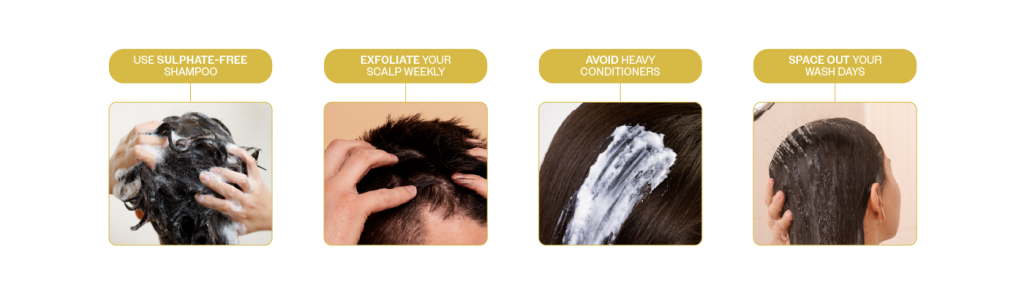
Stay away from shampoos containing heavy silicones and sulfates. Silicones can weigh your hair down and trap oil, making it look greasy faster. Sulfates, though good at cleaning, can strip your scalp’s natural oils, causing it to produce even more oil as a reaction.
It’s tempting to grab shampoos labeled “moisturizing” or “hydrating,” but these often contain oils and rich conditioners that make oily hair worse. Have you checked the label closely the last time you bought shampoo?
Frequency Of Washing
Washing your hair too often can backfire by triggering your scalp to produce more oil. Aim for washing every other day or every two days to balance oil control and scalp health. If you feel your hair gets oily quickly, dry shampoo can be a great ally between washes.
Try paying attention to how your scalp responds when you adjust your washing schedule. Does skipping a day make your hair oilier or less greasy? Finding your own rhythm is key.
Effective Hair Washing Techniques
Effective hair washing techniques help control oil and keep hair fresh longer. Washing oily hair properly reduces greasiness and avoids scalp irritation. The right methods prevent stripping natural oils while cleaning well. Focus on water temperature, scalp massage, and thorough rinsing for best results.
Proper Water Temperature
Use lukewarm water to wash oily hair. Hot water can dry the scalp and cause more oil production. Cold water does not clean oil well. Lukewarm water opens pores gently and removes dirt without irritation.
Massaging The Scalp
Massage your scalp with fingertips, not nails. This improves blood flow and helps remove excess oil. Massage for about two minutes before shampooing. Avoid harsh scrubbing that can stimulate more oil.
Rinsing Thoroughly
Rinse hair carefully after shampooing. Leftover shampoo can cause buildup and attract more oil. Spend extra time rinsing the scalp and roots. Make sure water runs clear before stopping.

Credit: www.gkhair.com
Conditioning Tips For Oily Hair
Conditioning oily hair can feel like walking a tightrope. You want to nourish your strands without tipping the balance and making your hair greasier. The right approach can leave your hair soft, manageable, and fresh instead of weighed down and oily.
Best Conditioner Types
Look for conditioners labeled “lightweight,” “oil-free,” or “volumizing.” Gel-based or water-based formulas work well because they hydrate without heavy oils. Avoid rich, creamy conditioners packed with silicones or heavy emollients—they tend to build up and increase oiliness.
Ingredients like tea tree oil, aloe vera, and witch hazel can help control scalp oil while soothing irritation. If your scalp feels oily but your ends are dry, consider a conditioner formulated specifically for oily roots and dry tips.
How To Apply Conditioner
Apply conditioner only to the mid-lengths and ends of your hair, steering clear of the scalp. This prevents excess moisture where oil is already an issue. Use just a small amount; a pea-sized drop often suffices for shorter hair.
After applying, leave the conditioner in for 1-3 minutes to allow absorption, then rinse thoroughly with cool water. This helps close the hair cuticle and adds shine without weighing hair down. Have you noticed how skipping scalp application makes your hair feel fresher longer?
Avoiding Over-conditioning
Over-conditioning is a common mistake with oily hair. Applying conditioner too frequently or in large amounts can cause buildup, making hair look flat and greasy faster. Try conditioning only 2-3 times a week instead of daily.
Pay attention to how your hair responds. If it feels limp or heavy, cut back on conditioner or switch to a lighter formula. Sometimes, less is more when balancing hydration and oil control.
Styling Tips To Manage Oiliness
Managing oily hair during styling can feel tricky. The right tips help keep hair fresh and light. Styling choices impact oil buildup and overall hair health. Focus on products and techniques that reduce greasiness without drying your scalp.
Choosing Lightweight Products
Pick styling products labeled as lightweight or oil-free. These formulas avoid weighing hair down or causing extra shine. Look for gels, mousses, or sprays designed for oily hair. They provide hold without adding grease or buildup. Lightweight products help maintain volume and natural movement.
Avoiding Heavy Oils And Waxes
Skip heavy oils and thick waxes that attract dirt and clog pores. These substances increase oiliness and make hair look greasy quickly. Instead, use minimal amounts of light serums or leave-in conditioners. Heavy styling products block scalp pores and worsen oily scalp problems.
Using Dry Shampoo Effectively
Dry shampoo is a quick fix for oily roots between washes. Spray it on the scalp and roots, not on the hair ends. Let it sit for a few minutes to absorb oil. Then gently brush or massage the scalp to distribute the product. Avoid overusing dry shampoo to prevent buildup and irritation.
Diet And Lifestyle Factors
Diet and lifestyle play a key role in managing oily hair. The foods you eat and your daily habits affect how much oil your scalp produces. Simple changes can help balance oil levels and improve hair health. This section explores what you can do to support cleaner, fresher hair from within.
Foods That Affect Oil Production
Certain foods can increase oil production on your scalp. Greasy, fried foods often lead to more oil. Sugary snacks and processed foods may also cause excess oiliness. Instead, focus on foods that support healthy skin and hair.
- Eat plenty of fresh fruits and vegetables for vitamins.
- Include foods rich in omega-3 fatty acids like fish and flaxseeds.
- Choose whole grains over refined carbohydrates.
- Limit dairy intake if it seems to worsen oiliness.
Hydration And Hair Health
Water is essential for healthy hair. Staying hydrated helps balance oil production and keeps your scalp comfortable. Dry scalp can sometimes cause your glands to produce more oil as a response.
- Drink at least 8 glasses of water daily.
- Use a humidifier in dry climates to maintain moisture.
- Avoid excessive caffeine, which can dehydrate the body.
Stress Management
Stress impacts your whole body, including your scalp. High stress can trigger more oil production. Managing stress helps keep your hair and scalp balanced.
- Practice relaxation techniques such as deep breathing or meditation.
- Make time for physical activity to reduce stress levels.
- Ensure you get enough sleep each night.
Home Remedies And Natural Treatments
Managing oily hair can feel like a constant battle, but nature often holds simple solutions right in your kitchen or garden. Home remedies and natural treatments provide gentle care without harsh chemicals. They help balance oil production while nourishing your scalp and hair.
Apple Cider Vinegar Rinse
Apple cider vinegar (ACV) is a powerful natural cleanser that removes excess oil and product buildup. Dilute 2 tablespoons of ACV in a cup of water and use it as a final rinse after shampooing. This helps restore your scalp’s pH balance, leaving your hair fresh and less greasy.
Try this rinse once or twice a week. Overuse can dry out your hair, so monitor how your scalp reacts. Have you noticed your hair feeling heavier after some shampoos? ACV might be the quick fix you need.
Aloe Vera Benefits
Aloe vera is known for soothing irritated skin, but it’s also excellent for oily hair care. Apply pure aloe gel directly to your scalp and leave it on for about 15 minutes before washing. It cleanses without stripping natural oils and controls excess sebum production.
Besides calming itchiness, aloe vera adds moisture to your hair without making it greasy. If you haven’t tried aloe gel on your scalp yet, it’s worth a shot to see if it balances your oil levels naturally.
Tea Tree Oil Uses
Tea tree oil has antifungal and antibacterial properties that help keep your scalp clean and healthy. Add a few drops to your shampoo or dilute it in a carrier oil before massaging into your scalp. This can reduce oiliness and prevent dandruff, which sometimes worsens oily hair problems.
Be cautious with tea tree oil—it’s potent and can irritate sensitive skin if used undiluted. Have you ever experienced scalp irritation after using new products? Diluting tea tree oil properly minimizes this risk and still offers great benefits.

Credit: www.youtube.com
When To See A Specialist
Knowing when to see a specialist is key for managing oily hair effectively. Some scalp problems need expert care beyond regular shampooing. Early help can stop issues from getting worse. A specialist can find the exact cause and suggest the best treatment. This section explains signs that show a visit is needed, available treatments, and the value of professional advice.
Signs Of Scalp Conditions
- Persistent itchiness that does not go away
- Redness or inflammation on the scalp
- Flaking that looks like more than normal dandruff
- Hair loss or thinning in oily areas
- Scalp sores or unusual bumps
- Strong, unpleasant odor from the scalp
These symptoms may point to conditions like seborrheic dermatitis or fungal infections. They require a specialist’s diagnosis for proper care.
Treatment Options
- Medicated shampoos with antifungal or anti-inflammatory ingredients
- Topical creams or lotions to reduce irritation
- Prescription oral medications for severe infections
- Advice on hair care routines to balance oil production
- Follow-up visits to monitor progress and adjust treatment
Specialists tailor treatments based on the scalp’s specific condition and severity.
Professional Advice
Experts offer guidance on choosing the right products and techniques. They help avoid mistakes that worsen oily scalp problems. A specialist can also recommend lifestyle changes to support scalp health. Seeing a professional ensures safe and effective care for oily hair issues.
Frequently Asked Questions
How Often Should I Wash Oily Hair?
Washing oily hair 2-3 times a week helps control excess oil. Overwashing can dry out the scalp, causing more oil production. Use a gentle shampoo formulated for oily hair to maintain balance and freshness.
What Ingredients Help Reduce Oiliness In Hair?
Look for shampoos with tea tree oil, salicylic acid, or charcoal. These ingredients help remove excess oil and cleanse the scalp deeply. Avoid heavy conditioners that can weigh hair down and increase greasiness.
Can Diet Affect Oily Hair Condition?
Yes, a diet high in greasy or sugary foods can increase oil production. Eating balanced meals with fruits, vegetables, and proteins supports healthy scalp and hair. Staying hydrated also helps regulate oil levels.
Should I Use Conditioner On Oily Hair?
Yes, but apply conditioner only to hair ends, not the scalp. Lightweight, oil-free conditioners prevent buildup and keep hair moisturized without adding grease. Avoid heavy or creamy formulas that make hair look oily.
Conclusion
Taking care of oily hair needs patience and simple steps. Wash hair gently but regularly to keep oil balanced. Avoid heavy products that can add extra grease. Use a mild shampoo suited for oily scalp. Rinse well to remove all residue.
Eating healthy also helps maintain scalp health. Keep hair clean, but do not over-wash. With steady care, oily hair feels fresh and light. Small changes make a big difference over time. Stay consistent, and enjoy healthier hair every day.
