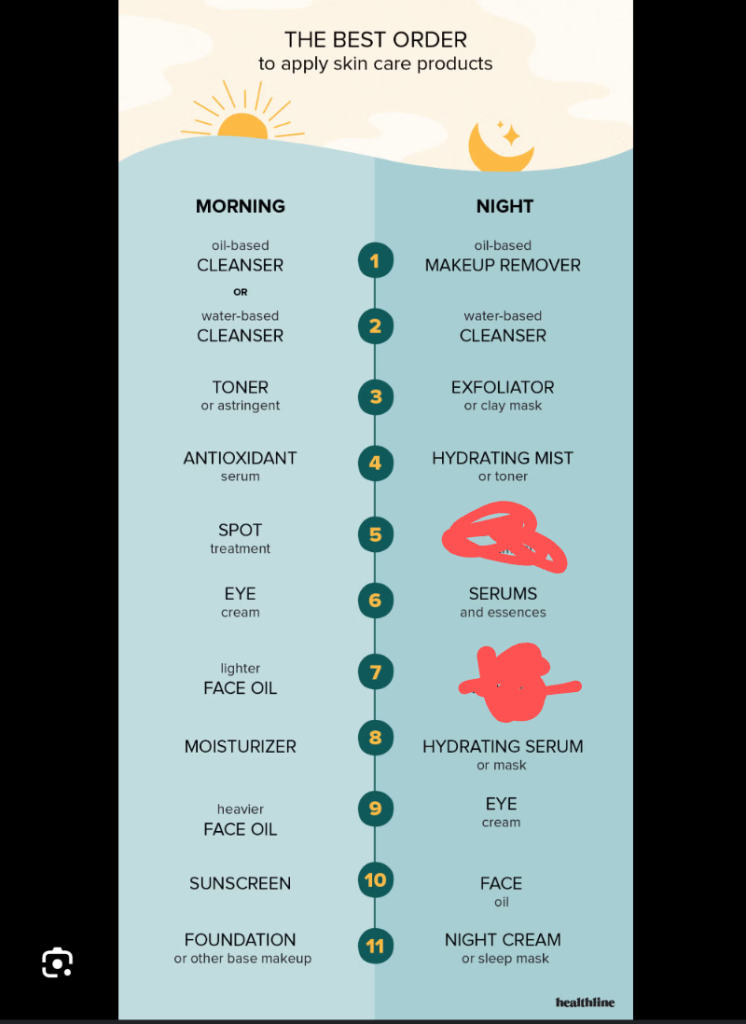
Are you tired of feeling overwhelmed by the seemingly endless array of skincare products on your shelf? You’re not alone.
Many people find themselves puzzled about which product to use first, and in what order. The good news is, getting your skincare steps in order doesn’t have to be a daunting task. Imagine having a clear, simple routine that not only saves you time but also maximizes the effectiveness of each product.
This is exactly what awaits you as you dive into understanding the perfect sequence for your skincare regimen. Ready to transform your skin and boost your confidence? Let’s simplify and demystify your skincare steps, ensuring radiant results every day.
Cleanse Your Face
Cleansing your face is the first and most important step in any skincare routine. It removes dirt, oil, and impurities that build up on your skin throughout the day. A clean face helps other skincare products work better and keeps your skin healthy. Choosing the right cleanser and using proper techniques can make a big difference in your skin’s appearance.
Choose The Right Cleanser
Pick a cleanser that fits your skin type. For dry skin, use a gentle, hydrating cleanser. Oily skin needs a foaming or gel cleanser to remove excess oil. Sensitive skin requires a fragrance-free, mild cleanser. Avoid harsh ingredients that can irritate your skin.
Proper Cleansing Techniques
- Start with clean hands to avoid transferring bacteria.
- Use lukewarm water to open pores and soften dirt.
- Apply a small amount of cleanser to your face.
- Gently massage in circular motions for 30 seconds.
- Focus on areas like the forehead, nose, and chin.
- Rinse thoroughly to remove all cleanser residue.
- Pat your face dry with a soft towel.
Frequency Of Cleansing
Cleansing twice a day is ideal for most skin types. Once in the morning to remove sweat and oil from sleep. Once at night to clear away makeup, dirt, and pollutants. Over-cleansing can dry out your skin and cause irritation. Adjust frequency based on your skin’s needs and lifestyle.
Exfoliate Regularly
Exfoliating regularly is a key step in your skincare routine that helps keep your skin fresh and radiant. It removes dead skin cells, allowing your products to work better and your skin to breathe. But how do you choose the right exfoliant and how often should you use it? Let’s break it down.
Types Of Exfoliants
You’ll find two main types of exfoliants: physical and chemical.
- Physical exfoliantsinclude scrubs with small particles or brushes that manually slough off dead skin. They give immediate smoothness but can be harsh if overused.
- Chemical exfoliantsuse acids like AHAs (glycolic, lactic) or BHAs (salicylic) to dissolve dead skin cells gently. These often provide more even results and can target specific skin concerns.
Choosing between the two depends on your skin type and sensitivity. Have you noticed how your skin reacts to scrubs versus serums?
How Often To Exfoliate
The right frequency varies by skin type and product strength.
- For sensitive or dry skin, exfoliating once a week is enough to avoid irritation.
- Oily or acne-prone skin may benefit from exfoliating 2-3 times a week to clear pores.
- Chemical exfoliants with lower acid concentrations can be used more often, sometimes daily, if your skin tolerates it.
Think about your skin’s response after exfoliating—does it feel smooth and refreshed, or tight and red? That’s a good indicator of your ideal routine.
Avoiding Over-exfoliation
It’s tempting to exfoliate frequently when you want quick results, but too much can damage your skin barrier.
Signs of over-exfoliation include redness, dryness, increased sensitivity, and even breakouts. If you spot these, it’s time to dial back.
Listen closely to your skin’s signals. Sometimes less is more, and giving your skin time to heal between exfoliation sessions leads to better long-term results.
Tone For Balance
Toning is a key step for skin balance after cleansing. It helps remove leftover dirt and makeup. Toners also prepare the skin to absorb moisturizers and serums better. This step can calm, refresh, and tighten pores. Using a toner keeps the skin’s natural pH level in check. It supports a smooth and even skin texture. Incorporating toning into your routine can improve skin health and appearance.
Benefits Of Toners
- Remove excess oil and dirt missed by cleanser
- Restore skin’s natural pH balance
- Tighten and shrink pores
- Hydrate and refresh skin
- Prepare skin for better absorption of products
- Soothe irritation and redness
Selecting The Best Toner
Choose a toner based on your skin type. For oily skin, look for ingredients like witch hazel or salicylic acid. Dry skin benefits from hydrating toners with glycerin or hyaluronic acid. Sensitive skin needs alcohol-free and fragrance-free options. Avoid harsh ingredients that cause dryness or irritation. Reading labels helps pick the right toner for your needs.
Application Tips
- Apply toner after cleansing and before moisturizer
- Use a cotton pad or clean hands to apply
- Gently swipe or pat onto the face and neck
- Allow toner to dry before adding other products
- Use toner twice daily for best results
Apply Serums
Applying serums is a key step in your skincare routine. Serums deliver powerful ingredients deep into your skin. They target specific issues like dryness, dullness, or wrinkles. Using serums correctly boosts your skin’s health and appearance.
Popular Serum Ingredients
- Vitamin C:Brightens skin and fights dark spots.
- Hyaluronic Acid:Hydrates and plumps the skin.
- Retinol:Reduces fine lines and improves texture.
- Niacinamide:Controls oil and smooths skin tone.
- Peptides:Supports collagen production for firmness.
Layering Serums Correctly
Start with the thinnest serum, usually water-based. Apply it first to allow better absorption. Follow with thicker, oil-based serums. Give each serum a moment to sink in before the next. Avoid mixing many serums to prevent irritation.
When To Use Serums
Use serums after cleansing and toning your skin. Apply them before moisturizers or sunscreens. Use serums once or twice daily, depending on your skin’s needs. Nighttime use suits retinol or repair serums best. Morning use is ideal for antioxidants like vitamin C.
Moisturize Daily
Moisturizing daily is a key step in any skincare routine. It keeps the skin soft and hydrated. Without moisturizer, skin can feel dry and tight. Moisturizers help protect the skin’s natural barrier. They lock in moisture and prevent water loss. Applying moisturizer every day supports healthy, glowing skin.
Choosing Moisturizers For Skin Types
Pick a moisturizer based on your skin type:
- Oily skin:Use a light, oil-free moisturizer.
- Dry skin:Choose a rich, creamy formula.
- Combination skin:Apply a balanced moisturizer that is not too heavy.
- Sensitive skin:Look for fragrance-free and gentle products.
The right moisturizer feels comfortable and absorbs well. Avoid anything that clogs pores or causes irritation.
Day Vs. Night Moisturizers
Day and night moisturizers serve different purposes. Day creams often include SPF for sun protection. They are lighter to prevent shine during the day. Night moisturizers are thicker and more nourishing. They help repair the skin while you sleep. Using both types ensures skin stays hydrated and healthy around the clock.
Proper Application Methods
Apply moisturizer on clean, slightly damp skin. This helps lock in extra moisture. Use gentle, upward strokes to spread the product evenly. Avoid tugging or pulling the skin. Don’t forget the neck and areas around the eyes. Allow the moisturizer to absorb before applying makeup or sunscreen. Regular, proper application improves skin texture and comfort.
Credit: jacks-beautyline.com
Protect With Sunscreen
Sunscreen is the final shield in your daily skincare routine. It guards your skin from harmful sun rays that cause damage. Applying sunscreen protects your skin from premature aging and skin diseases. This step is vital for maintaining healthy, glowing skin every day.
Importance Of Sun Protection
Sunlight contains ultraviolet (UV) rays that harm your skin. UV rays can cause sunburn, wrinkles, and dark spots. Long-term exposure increases the risk of skin cancer. Protecting your skin daily helps prevent these problems. Even on cloudy days, UV rays reach your skin. Sun protection slows down skin aging and keeps it smooth.
Types Of Sunscreens
Sunscreens come in two main types: chemical and physical. Chemical sunscreens absorb UV rays and convert them to heat. Physical sunscreens reflect UV rays away from the skin. Each type suits different skin needs and preferences.
- Chemical Sunscreens:Lightweight and easy to apply.
- Physical Sunscreens:Often thicker but good for sensitive skin.
- Broad-spectrum:Protects against both UVA and UVB rays.
- SPF Levels:Choose SPF 30 or higher for daily use.
How To Apply Sunscreen
Apply sunscreen as the last step of your skincare routine. Use enough product to cover all exposed skin. About one teaspoon for your face is a good amount.
- Apply 15 minutes before going outside.
- Spread evenly on face, neck, and ears.
- Reapply every two hours, especially after sweating or swimming.
- Use lip balm with SPF to protect your lips.
Consistent use of sunscreen keeps your skin safe and healthy. Make it a daily habit for the best results.
Add Eye Care
Adding eye care to your skincare routine is essential for maintaining a fresh and youthful look. The skin around your eyes is delicate and shows signs of aging and fatigue faster than other areas. Paying special attention here can reduce puffiness, dark circles, and fine lines effectively.
Targeting Common Eye Concerns
Do you struggle with dark circles that make you look tired even after a good night’s sleep? Or perhaps puffiness that makes your eyes feel heavy? These are common issues that many face, often caused by factors like lack of sleep, dehydration, or genetics.
Fine lines and crow’s feet can also sneak up on you, especially if you frequently squint or expose your skin to the sun without protection. By understanding your specific eye concerns, you can choose the right products and techniques to address them effectively.
Best Eye Cream Ingredients
What should you look for in an eye cream? Ingredients that hydrate, protect, and repair are key. Some standout components include:
- Hyaluronic Acid:Provides deep hydration and plumps the skin.
- Retinol:Helps reduce fine lines and stimulates collagen production.
- Vitamin C:Brightens dark circles and evens skin tone.
- Caffeine:Reduces puffiness by constricting blood vessels.
- Peptides:Support skin firmness and elasticity.
Choosing an eye cream with a combination of these ingredients can enhance your results. Have you checked the ingredient list on your current eye product lately?
Application Techniques
Applying eye cream correctly is just as important as the product itself. Your skin here is thin, so gentle handling is crucial.
Use your ring finger to tap the cream lightly around the orbital bone, avoiding direct contact with your eyes. This finger applies the least pressure, preventing irritation or damage.
Try this simple routine: dot small amounts at three points—under the inner corner, under the middle of your eye, and near the outer corner—then gently pat until absorbed. Applying too much or rubbing vigorously can cause more harm than good.
Do you notice a difference when you change how you apply your eye cream? Small tweaks can lead to better hydration and visible improvements over time.

Credit: lucybee.com
Incorporate Masks
Masks play an important role in your skincare routine. They give your skin extra care and focus. Using masks regularly helps target specific skin needs. This step can improve your skin’s texture, brightness, and hydration. Knowing how to incorporate masks properly ensures better results.
Different Mask Types
There are many types of masks for different skin concerns. Clay masks absorb oil and clean pores deeply. Sheet masks provide hydration and soothing effects. Cream masks nourish dry skin and add moisture. Peel-off masks help remove dead skin cells. Choose a mask type that fits your skin’s needs.
Frequency And Timing
Use masks 1 to 3 times a week. Avoid daily use to prevent skin irritation. Apply masks after cleansing and before moisturizing. Leave the mask on for the time suggested on the package. Rinsing off properly keeps your skin fresh and healthy.
Diy Vs. Store-bought Masks
DIY masks use natural ingredients like honey, yogurt, or oats. They are easy to make at home and cost-effective. Store-bought masks contain tested ingredients for specific results. They often have a balanced formula and longer shelf life. Choose based on your preference and skin sensitivity.
Adjust Routine Seasonally
Adjusting your skincare routine with the seasons keeps your skin healthy and glowing. Each season brings different challenges like dryness or oiliness. Changing your products and habits helps your skin stay balanced all year.
Skincare For Winter
Winter air is cold and dry. Skin loses moisture faster. Use a thick moisturizer to protect your skin barrier. Cleanse gently to avoid stripping natural oils. Add hydrating serums with ingredients like hyaluronic acid. Don’t forget lip balm and hand cream to fight dryness.
Skincare For Summer
Summer heat increases sweat and oil production. Use a lightweight, oil-free moisturizer to keep skin fresh. Apply sunscreen every day to prevent sun damage. Cleanse twice daily to remove sweat and dirt. Exfoliate regularly to avoid clogged pores. Drink plenty of water for hydration.
Adapting To Climate Changes
Climate changes affect your skin’s needs. Adjust routines for humidity, temperature, and wind. Switch products to suit weather conditions. Use richer creams in dry climates. Choose lighter lotions in humid places. Always listen to your skin’s signals for best care.
Maintain Healthy Habits
Maintaining healthy habits is key to achieving radiant skin that lasts beyond your skincare products. Your daily choices outside of creams and serums play a huge role in how your skin looks and feels. Small changes in lifestyle can bring noticeable improvements and help your skin stay resilient over time.
Hydration And Diet
Drinking enough water keeps your skin plump and glowing. Aim for at least eight glasses a day, but remember that fruits and vegetables also add to your hydration.
Eating foods rich in antioxidants, like berries and leafy greens, helps protect your skin from damage. Healthy fats found in nuts and fish support your skin’s natural barrier. Have you noticed how your skin reacts after a day of junk food versus a balanced meal?
Sleep And Stress Management
Quality sleep allows your skin to repair and regenerate. Try to get 7-9 hours each night to wake up with a fresh complexion. Lack of sleep can cause dullness and dark circles, making your skin look tired.
Stress triggers hormones that can lead to breakouts and irritation. Find stress relief that works for you—whether it’s meditation, exercise, or simply taking a walk outdoors. How does your skin respond when you’re calm versus when you’re stressed?
Avoiding Harmful Practices
Harsh scrubbing, over-exfoliating, or using too many products can damage your skin’s natural barrier. Be gentle and listen to how your skin reacts.
Smoking and excessive alcohol intake dry out your skin and speed up aging. Cutting back on these habits can make a visible difference in skin texture and tone.
Are there any habits you’ve noticed harming your skin? Sometimes, the best skincare step is to stop doing what’s hurting your skin the most.
Credit: www.lemon8-app.com
Frequently Asked Questions
What Is The Correct Order Of Skincare Steps?
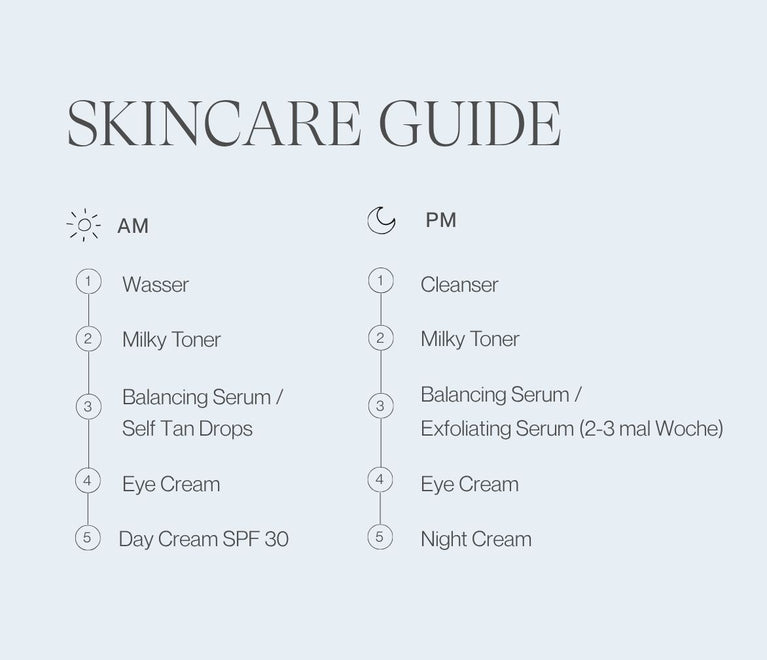
The correct skincare order is cleansing, toning, treatment, moisturizing, and sunscreen. This sequence ensures maximum absorption and effectiveness of products, maintaining healthy and glowing skin.
Why Is Cleansing Important In Skincare Routine?
Cleansing removes dirt, oil, and impurities from the skin. It prepares your skin to absorb other products better and prevents clogged pores and breakouts.
When Should I Apply Moisturizer During Skincare?
Apply moisturizer after cleansing and toning but before sunscreen. Moisturizer locks in hydration, keeping your skin soft and balanced throughout the day.
Is Sunscreen Necessary In Daily Skincare Steps?
Yes, sunscreen protects your skin from harmful UV rays. It prevents premature aging, sunburn, and skin cancer, making it essential in your daily routine.
Conclusion
Following the right skincare steps keeps your skin healthy and fresh. Cleanse first to remove dirt and oil. Then, tone to balance your skin’s pH. Apply serum for extra care and hydration. Moisturize to lock in moisture and protect your skin.
Don’t forget sunscreen to shield from sun damage. Simple steps done daily bring the best results. Your skin will look clearer and feel softer. Consistency is key—stick to your routine every day. Healthy skin starts with good habits and patience.
Keep it simple, and your skin will thank you.
