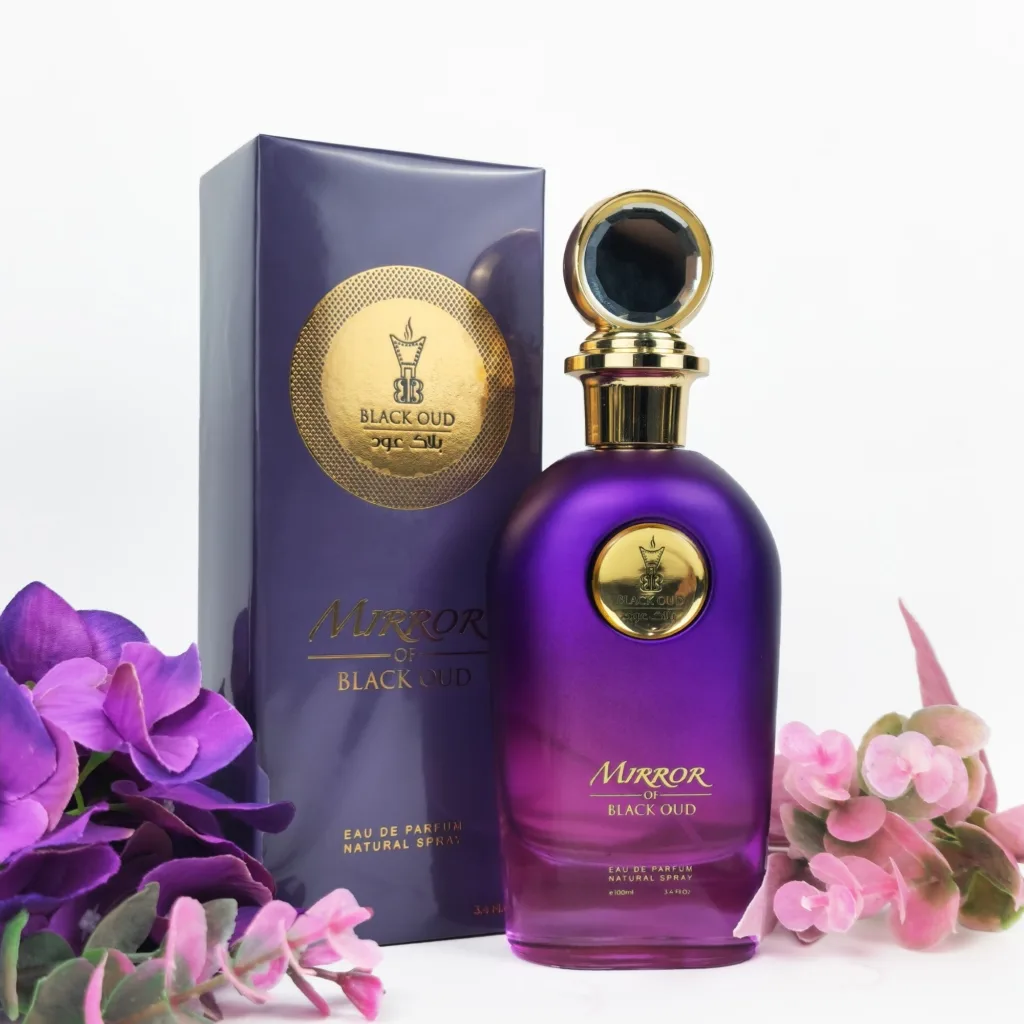
Have you ever stood in the fragrance aisle, staring at the endless rows of bottles, and wondered if a certain perfume is meant for a man or a woman? You’re not alone.
Many people find themselves puzzled by this question, especially with the evolving trends in fragrance marketing. The lines between masculine and feminine scents are blurring, leaving you to wonder, does it even matter anymore? You might be surprised by the answer.
Dive deeper into this intriguing topic, and discover how the right scent for you isn’t about gender, but about expressing your unique personality and style. Stick around, and let’s unravel the mystery behind perfumes and their intended audience.
Credit: fragrancecanada.ca
Perfume And Gender Norms
Perfume has long been linked to ideas about gender. Society often assigns scents as either masculine or feminine. These labels shape how people choose and wear fragrances. Yet, many challenge these norms today. Perfume use is becoming more personal and free from strict rules.
Historical Gender Associations
Historically, perfumes reflected clear gender roles. Men’s scents were usually strong and woody. Women’s perfumes often smelled floral or sweet. These choices matched social ideas about masculinity and femininity. Such ideas guided which perfumes were made and marketed. They told people what was “appropriate” for each gender.
Breaking Traditional Boundaries
Many now wear perfumes beyond old gender ideas. Unisex fragrances mix floral, spicy, and fresh notes. People choose scents based on feeling, not rules. This shift shows perfume as a form of self-expression. It breaks the limits of “men’s” or “women’s” categories. Perfume becomes a way to show identity freely.
Fragrance Families Explained
Understanding fragrance families helps you choose scents that resonate with your personality and mood. Each family offers a unique experience, often blurring the lines between what’s traditionally seen as masculine or feminine. Knowing these scent groups can guide you to a perfume that feels truly yours, regardless of gender labels.
Woody And Earthy Scents
Woody and earthy fragrances often include notes like sandalwood, cedar, and patchouli. These scents feel grounded and warm, making them popular choices for those who enjoy a natural, solid presence.
If you prefer something that feels like a walk in the forest or a cozy cabin, this family might be your go-to. Many men’s perfumes feature woody notes, but women’s fragrances use them too, proving these scents cross gender lines.
Floral And Fruity Notes
Floral scents bring in flowers like jasmine, rose, and lily, while fruity notes add bursts of berries, apple, or peach. These aromas often feel bright and lively, perfect if you want your perfume to be cheerful and inviting.
Think about the last time you smelled a fresh bouquet or a bowl of ripe fruit—those sensations translate into this family. Women’s fragrances frequently highlight florals, but many men’s perfumes include fruity touches to add freshness and energy.
Fresh And Citrus Aromas
Fresh and citrus fragrances are crisp and clean, featuring lemon, bergamot, and green leaves. These scents are great for daytime wear or when you want to feel energized and alert.
Imagine the sharp zing of a lemon peel or the coolness of freshly cut grass—these notes bring that vibe to your scent. Both men and women enjoy fresh aromas, making this family one of the most versatile.
Spicy And Oriental Blends
Spicy and oriental perfumes mix warm spices like cinnamon, clove, and vanilla with rich resins or amber. These scents are bold and often evoke a sense of mystery and depth.
If you like something with a bit of drama and complexity, this family could be a match. Traditionally seen as more masculine, oriental blends are increasingly popular in women’s fragrances too, showing how scent preferences evolve beyond gender norms.
Choosing Scents By Personality
Choosing a perfume is more than picking a fragrance. It reflects who you are inside. Your personality shapes the scent that fits you best. Some scents feel like a perfect match for certain traits. This guide helps you find scents that match your unique style and spirit.
Bold And Adventurous
Strong, spicy, and intense scents suit bold personalities. Think of fragrances with notes like pepper, leather, or tobacco. These smells show confidence and a love for excitement. People who choose these scents often enjoy new challenges and daring experiences.
Elegant And Classic
Timeless and refined scents match elegant personalities. Floral, woody, or musky fragrances feel graceful and polished. They fit those who appreciate tradition and subtle beauty. These scents create a calm and sophisticated aura around the wearer.
Casual And Everyday
Light and fresh fragrances work well for casual personalities. Citrus, green, or clean scents offer a natural, easy feel. They suit people who enjoy simple moments and daily comfort. These perfumes are perfect for work, school, or relaxing at home.
Romantic And Soft
Sweet and gentle scents match romantic personalities. Notes like vanilla, jasmine, or powder create warmth and tenderness. They appeal to those who value love and kindness. These fragrances add a soft, inviting touch to any day.
Testing And Sampling Tips
Testing and sampling perfumes can be a game-changer in finding a scent that truly suits you. It’s not just about smelling something briefly; how you test a perfume affects how you experience it. Paying attention to the right methods helps you avoid disappointment and ensures you pick a fragrance that lasts and feels right on your skin.
How To Test Perfumes Properly
Start by spraying the perfume on your wrist or the inside of your elbow. These areas have pulse points that help the scent develop naturally. Give the perfume time to settle—don’t rush to judge it immediately after spraying.
Try to smell the perfume at intervals: right after application, after 10 minutes, and then after an hour. This shows you the top, middle, and base notes as they unfold. Avoid testing too many perfumes at once; your nose can get overwhelmed quickly, making it hard to distinguish scents.
When And Where To Apply
Apply perfume on clean, moisturized skin for better scent retention. Dry skin can cause the fragrance to fade faster. Consider applying perfume after a warm shower when your pores are open, allowing the fragrance to absorb well.
Don’t forget your pulse points—wrists, behind the ears, neck, and inner elbows. These areas radiate heat, enhancing the scent’s projection. You might also try a small spray on your chest or back of your knees if you want a subtle scent trail.
Avoiding Common Mistakes
Avoid rubbing your wrists together after spraying. This breaks down the fragrance molecules and alters the scent. Instead, let the perfume dry naturally on your skin.
Don’t test perfumes on clothing. Fabric can change the way a scent smells and may also stain. Stick to skin testing to get the true essence of the fragrance.
Have you ever bought a perfume based on a quick sniff only to regret it later? Taking time to test properly can save you from that mistake. Your nose deserves a fair chance to explore each layer of the scent before you decide.
Mixing Scents For Unique Matches
Mixing scents creates unique fragrance combinations that express personality. It breaks the old rules of “man” or “woman” perfumes. Anyone can craft a custom scent using layering and balancing techniques. These methods let you highlight favorite notes and soften others. The result is a fragrance that feels personal and fresh.
Layering Techniques
Start by choosing two or three perfumes with different strengths. Apply the strongest scent first as a base. Then add lighter perfumes on top for complexity. Spray each perfume on different pulse points for better blend. Wrist, neck, and behind ears work well. Let each layer dry before adding the next. Avoid over-spraying to keep the mix subtle.
Balancing Contrasting Notes
Mix scents with opposite characteristics to create balance. Combine sweet with spicy or fresh with woody notes. This contrast adds depth and interest to the fragrance. Use small amounts of strong notes to avoid overpowering. Test your blend on skin to check harmony. Adjust by adding more of one scent or removing a layer. Balance makes a mix pleasant and unique.
Influence Of Culture And Trends
Culture and trends shape how people see perfumes for men and women. These forces affect the scents people choose and how they use them. Understanding this influence helps explain why fragrance preferences vary worldwide.
Fragrance is not just about smell. It reflects identity, tradition, and social norms. Trends change with time, while culture often holds strong roots. Together, they guide the perfume market and personal choices.
Cultural Preferences
Different cultures favor certain scents for men or women. For example, many Middle Eastern countries prefer rich, spicy perfumes for men. Floral and sweet scents are common for women in these areas.
In Western cultures, fresh and citrusy fragrances often suit men. Women may choose soft, powdery, or fruity notes. These choices connect to ideas about masculinity and femininity in each culture.
Some cultures use perfume in rituals or daily life. This use influences which scents are popular. In India, sandalwood and jasmine are beloved for both genders. Cultural stories and history keep these scents alive.
Current Fragrance Trends
Trends shift with fashion, media, and technology. Unisex perfumes are gaining popularity. Many brands create scents designed for everyone, breaking old gender rules.
Natural and sustainable ingredients are trending too. People want cleaner, earth-friendly fragrances. This trend changes perfume making and buying habits.
Celebrity endorsements and social media also drive trends. Famous figures influence popular scent choices quickly. Trends often spread globally, mixing cultural preferences and new ideas.
Selecting Perfume As A Gift
Selecting perfume as a gift can be a thoughtful and personal choice. A fragrance often reflects personality and mood. Choosing the right scent shows care and attention to detail. It is important to consider the recipient’s taste and lifestyle. This helps ensure the perfume will be enjoyed and appreciated.
Reading Preferences
Start by observing the recipient’s current perfume or scent preferences. Notice if they prefer fresh, floral, spicy, or woody scents. Ask about favorite smells or brands without revealing your plan. Pay attention to the scents they wear daily. This offers clues to what they might like as a gift.
Consider their personality and daily activities. A sporty person may like light, fresh scents. Someone who loves elegance might prefer rich, warm fragrances. Take note of any allergies or sensitivities to strong perfumes. This avoids choosing something they cannot wear.
Popular Choices For Men And Women
| For Men | For Women |
|---|---|
| Woody and musky scents | Floral and fruity notes |
| Fresh and citrus aromas | Sweet and vanilla-based perfumes |
| Leather and spice blends | Light and powdery fragrances |
Classic men’s perfumes often include cedar, sandalwood, and musk. Women’s favorites tend to feature jasmine, rose, and berries. Choose popular brands with good reviews for reliable quality. A timeless scent rarely goes wrong as a gift.

Credit: www.amazon.ca

Credit: www.youtube.com
Frequently Asked Questions
Is Perfume Exclusively For Men Or Women?
Perfume is not exclusive to men or women. Fragrances are designed for all genders. Personal preference and scent notes matter more than gender labels when choosing a perfume.
Can Men Wear Traditionally Women’s Perfumes?
Yes, men can wear any perfume they like. Fragrance preference depends on individual taste, not gender. Many scents are unisex and suitable for everyone.
Are There Unisex Perfumes Available?
Yes, unisex perfumes are widely available. They blend notes appealing to both men and women. These fragrances offer versatility and break traditional gender boundaries.
How To Choose Perfume Based On Gender?
Focus on scent families rather than gender. Woody, spicy scents often appeal to men. Floral, fruity scents are popular with women, but personal preference is key.
Conclusion
Perfume does not belong to just men or women. Everyone can enjoy any scent they like. Choose fragrances that make you feel good and confident. Personal taste matters more than labels or rules. Many perfumes work well for all genders.
Smelling nice is about your style and mood. Don’t limit yourself to traditional options. Explore and find what suits you best. At the end, perfume is a form of expression. Wear what feels right and enjoy the scent.