Are you tired of waking up to dull, tired-looking skin? Imagine starting your day with a fresh, glowing complexion that feels as good as it looks.
The secret to achieving this lies in a simple, yet effective skincare routine. You might be thinking that a skincare regimen is time-consuming or complicated, but it’s easier than you think. With the right steps, you can transform your skin and boost your confidence.
In this guide, you’ll discover the essential steps for a skincare routine that can lead to healthier, radiant skin. Get ready to embrace a new level of skin satisfaction and unlock the secrets to a youthful glow. Keep reading, because your skin deserves the best, and this routine might just be the game-changer you’ve been searching for.

Credit: thescarletlilyblog.com
Choosing The Right Products
Choosing the right products is the foundation of any effective skincare routine. Using products that match your skin’s unique needs can improve results and prevent unwanted reactions. Let’s explore how to pick products that truly benefit your skin.
Identifying Your Skin Type
Knowing your skin type helps you avoid products that might cause breakouts or dryness. Common skin types include oily, dry, combination, sensitive, and normal. You can determine your skin type by observing how your skin feels a few hours after washing—does it feel tight, shiny, or balanced?
For example, if your skin often looks shiny and feels greasy, you likely have oily skin and should focus on lightweight, non-comedogenic products. If it feels tight or flaky, dry skin is more likely, and you’ll benefit from richer, hydrating formulas. What does your skin tell you after a typical day?
Selecting Suitable Ingredients
Ingredients make all the difference in how your skin responds. Look for active ingredients that address your concerns, such as salicylic acid for acne or hyaluronic acid for hydration. Using the right ingredients can speed up improvements and reduce irritation.
For sensitive skin, gentle ingredients like aloe vera and chamomile work well. If anti-aging is your goal, retinol or peptides may be worth trying. Have you checked the ingredient list on your current products lately to see what’s actually inside?
Avoiding Harmful Additives
Some additives can harm your skin or cause long-term problems. Avoid products with high levels of alcohol, artificial fragrances, and harsh sulfates, as they can strip natural oils and cause irritation. Even if a product claims to be “natural,” always read the label carefully.
Preservatives like parabens and certain dyes can also trigger allergic reactions in sensitive individuals. Choosing products free from these additives helps maintain your skin’s health over time. Are you paying close attention to what’s not in your skincare products as much as what is?
Credit: medium.com
Cleansing Techniques
Cleansing is the foundation of any effective skincare routine. How you clean your face can make a huge difference in the health and appearance of your skin. Understanding the right techniques helps you remove dirt, oil, and makeup without stripping away essential moisture.
Morning Vs Evening Cleansing
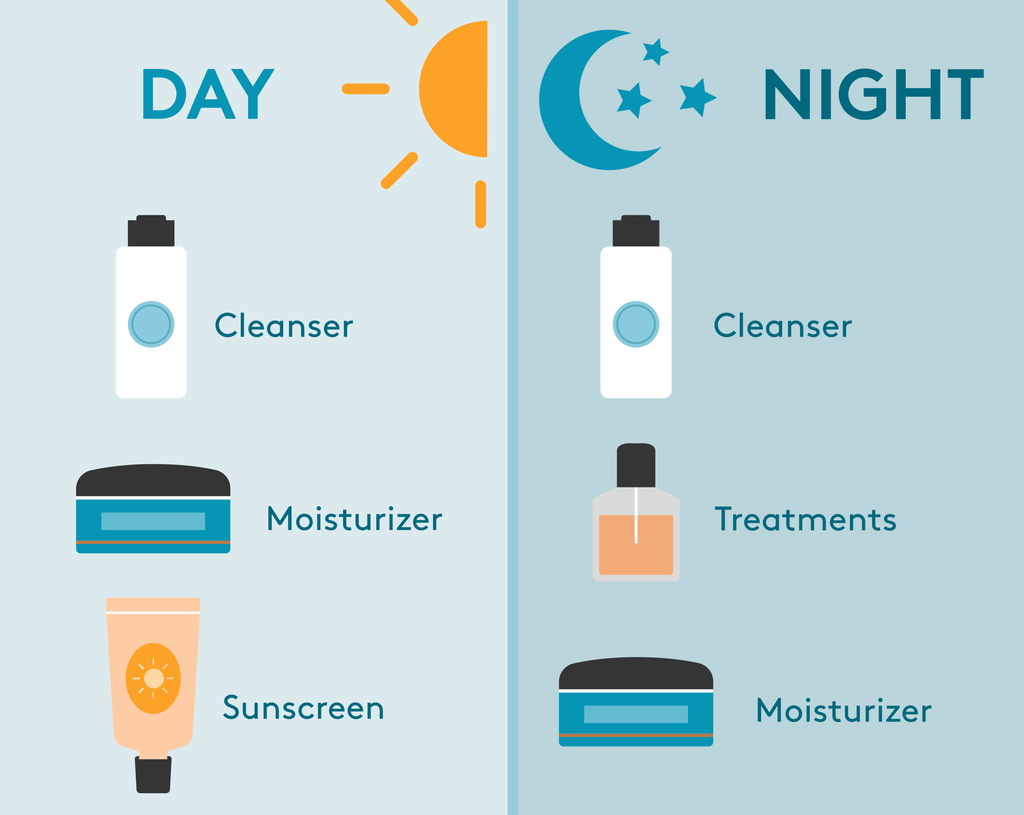
Your skin has different needs in the morning and evening. In the morning, gentle cleansing is enough to remove sweat and excess oils produced overnight. Using a mild cleanser refreshes your face and prepares it for sunscreen and makeup.
Evening cleansing requires more attention. You need to remove makeup, sunscreen, and pollutants from the day. Double cleansing can be helpful here—first with an oil-based cleanser to dissolve makeup, then with a water-based cleanser to wash away impurities.
Proper Cleansing Methods
Use lukewarm water to open pores and avoid hot water that can dry your skin. Apply cleanser using your fingertips in gentle circular motions to stimulate circulation and ensure thorough cleaning.
Rinse thoroughly to remove all residue. Pat your face dry with a soft towel instead of rubbing to prevent irritation. This approach helps maintain your skin’s natural barrier.
Common Cleansing Mistakes
- Using harsh soaps or cleansers that strip away natural oils, leading to dryness or irritation.
- Over-cleansing, which can cause your skin to produce more oil as a defense mechanism.
- Neglecting to cleanse the neck and jawline, where buildup can cause breakouts.
- Rough scrubbing or using abrasive tools that damage the skin surface.
Have you noticed your skin feeling tight or flaky after washing? That might be a sign you’re overdoing it or using the wrong product. Pay attention to how your skin reacts and adjust your routine accordingly.
Exfoliation Tips
Exfoliation is a key part of any skincare routine that helps remove dead skin cells and reveal a fresher, smoother complexion. But knowing how to exfoliate properly can make a big difference in achieving glowing skin without irritation. Let’s dive into some practical tips on choosing the right exfoliant, how often to use it, and what to keep in mind if your skin is sensitive.
Physical Vs Chemical Exfoliants
Physical exfoliants use small granules or brushes to manually scrub away dead skin. They offer instant smoothness but can sometimes be too harsh if used aggressively or on delicate skin. On the other hand, chemical exfoliants use acids like AHAs (glycolic acid) or BHAs (salicylic acid) to gently dissolve dead skin cells over time.
Think about your skin’s needs: if you have rough patches and prefer quick results, a gentle physical scrub might work. If you want a deeper clean that targets pores and fine lines, a chemical exfoliant could be more effective. Have you tried switching between both types to see which one your skin prefers?
Frequency And Timing
How often you exfoliate depends on your skin type and the product strength. Most people benefit from exfoliating 1-3 times per week. Overdoing it can strip your skin’s natural oils and cause redness or dryness.
Timing matters too—exfoliate in the evening to allow your skin to recover overnight. Avoid exfoliating right before sun exposure since your skin will be more sensitive. Do you notice a difference in your skin when you adjust how often or when you exfoliate?
Sensitive Skin Considerations
If you have sensitive skin, exfoliation requires extra care. Avoid harsh scrubs with large, rough particles that can cause micro-tears. Instead, opt for mild chemical exfoliants with lower acid concentrations or enzymatic exfoliants made from fruits like papaya or pineapple.
Always patch test new products and listen to your skin’s signals. Redness, burning, or prolonged irritation means it’s time to dial back or try a different approach. What’s your skin telling you after exfoliation?
Toning Benefits
Toning is often overlooked but plays a crucial role in your skincare routine. It helps balance your skin’s pH, removes leftover impurities, and preps your skin for better absorption of moisturizers and serums. Have you ever noticed how your skin feels tight or dry after cleansing? A good toner can fix that immediately.
Purpose Of Toners
Toners restore the natural pH level of your skin, which cleansing can disrupt. They also remove any dirt or makeup residue missed by your cleanser. This step can reduce clogged pores and prevent breakouts, giving you a clearer complexion.
Another key purpose is to hydrate your skin. Some toners contain soothing ingredients like aloe vera or rose water that refresh your face. Think of toner as a quick drink of water for your skin.
Choosing Alcohol-free Options
Many toners contain alcohol, which can dry out and irritate your skin. Choosing alcohol-free options helps maintain moisture and prevents redness or flakiness. Look for labels that say “alcohol-free” or check the ingredient list for terms like “ethanol” or “denatured alcohol.”
Alcohol-free toners often include nourishing ingredients such as glycerin, hyaluronic acid, or chamomile. These help calm and protect your skin. Have you ever used a toner that made your skin sting? Avoid those by switching to gentler formulas.
Application Methods
Apply toner with a cotton pad or simply pat it on using your hands. Using a cotton pad is great for removing extra dirt, while patting helps lock in moisture.
Try this: pour a small amount into your palm, rub your hands together, and gently press the toner into your face. This method feels refreshing and reduces product waste.
- Apply toner twice daily, after cleansing and before moisturizing.
- Use gentle, upward motions to avoid pulling your skin.
- Don’t forget your neck and jawline—they need toner too.
Moisturizing Essentials
Moisturizing is a key part of any skincare routine. It helps keep your skin soft, smooth, and protected throughout the day and night. Choosing the right moisturizer and using it properly can make a big difference in how your skin feels and looks.
Daytime Vs Nighttime Moisturizers
Your skin has different needs during the day and at night. Daytime moisturizers usually contain SPF to protect you from harmful UV rays. They are often lighter in texture to absorb quickly and work well under makeup.
Nighttime moisturizers focus on repair and hydration. They tend to be richer and thicker, helping your skin recover while you sleep. Have you noticed how your skin feels dry or tight if you skip moisturizer before bed?
Ingredients For Hydration
Look for ingredients that actively hydrate your skin. Hyaluronic acid is a superstar for holding moisture and plumping the skin. Glycerin and ceramides help strengthen your skin’s barrier and lock in hydration.
Oils like jojoba or squalane add extra nourishment without clogging pores. Pay attention to what your skin responds to—some people do better with lighter, water-based formulas, while others need richer creams.
Adjusting Moisturizers For Seasons
Your skin’s moisture needs change with the seasons. In winter, cold air and indoor heating can dry out your skin, so switch to a heavier moisturizer to prevent flakiness. In summer, a lightweight, non-greasy formula feels more comfortable and keeps your skin balanced.
Have you tried changing your moisturizer with the seasons? It can prevent problems like excess oil or dryness that often sneak up when the weather shifts. Pay attention to how your skin feels and adjust accordingly.
Sun Protection
Sun protection is a key part of any skincare routine. It helps keep your skin safe from harmful UV rays. These rays can cause sunburn, premature aging, and even skin cancer. Protecting your skin daily preserves its health and glow.
Sunscreen acts as a shield, blocking or absorbing UV radiation. Wearing it every day, even on cloudy days, is essential. Let’s explore how to choose and use sunscreen properly for the best skin defense.
Importance Of Sunscreen
Sunscreen protects skin from UVA and UVB rays. UVA rays cause aging and long-term damage. UVB rays cause sunburn and pain. Both types increase skin cancer risk.
Using sunscreen reduces wrinkles, dark spots, and redness. It keeps skin looking younger and healthier. It also helps heal skin after sun exposure.
Spf Selection Tips
Choose sunscreen with at least SPF 30. SPF 30 blocks about 97% of UVB rays. Higher SPF gives more protection but not double.
Look for “broad-spectrum” on the label. This means it protects against UVA and UVB rays. Pick water-resistant formulas if you swim or sweat a lot.
Reapplication Guidelines
Apply sunscreen 15 minutes before going outside. Use about one teaspoon for your face. Cover all exposed skin evenly.
- Reapply every 2 hours during sun exposure
- Reapply after swimming or sweating heavily
- Don’t forget ears, neck, and hands
Consistent reapplication keeps skin protected all day long. It prevents damage even during short sun exposure.
Additional Skincare Steps
Adding extra steps to your skincare routine can make a big difference in how your skin looks and feels. These additional steps target specific concerns and give your skin the boost it needs beyond cleansing and moisturizing. Let’s dive into some easy ways to enhance your daily care.
Incorporating Serums And Treatments
Serums are packed with active ingredients that work deep into your skin. They’re lightweight and absorb quickly, making them perfect for treating issues like dullness, fine lines, or uneven texture.
Try adding a vitamin C serum in the morning to brighten your complexion and protect against environmental damage. At night, consider a retinol serum to encourage cell turnover and reduce signs of aging. Just remember to patch test new products and introduce them slowly to avoid irritation.
Using Face Masks
Face masks offer targeted care and can refresh your skin in just minutes. You can choose masks that hydrate, detoxify, or calm your skin depending on what it needs that day.
Using a clay mask once a week can help clear out pores and reduce oiliness. On the other hand, a sheet mask infused with hyaluronic acid can deliver a surge of moisture before a big event. Have you noticed how a quick mask session can instantly lift your skin’s mood?
Eye Care Routine
The delicate skin around your eyes deserves special attention. It’s thinner and more prone to dryness and fine lines than the rest of your face.
Applying a small amount of eye cream or gel twice daily can make a noticeable difference. Look for products with ingredients like caffeine to reduce puffiness or peptides to firm the area. Don’t forget to tap gently with your ring finger to avoid tugging on this sensitive skin.
Lifestyle Factors
Lifestyle factors play a big role in how your skin looks and feels. Good habits support healthy skin from the inside out. Poor choices can cause dryness, breakouts, or early aging. Focus on simple daily actions to protect and improve your skin’s health.
Diet And Hydration
Eating well nourishes your skin with essential vitamins and minerals. Choose fruits, vegetables, and whole grains rich in antioxidants. These help fight skin damage and keep your skin glowing. Drink plenty of water to stay hydrated. Water flushes out toxins and keeps skin soft. Avoid too much sugar and greasy foods. They can lead to pimples and dull skin.
Sleep And Stress Management
Sleep helps your skin repair and regenerate overnight. Aim for at least seven to eight hours of restful sleep. Lack of sleep can cause dark circles and tired-looking skin. Stress triggers hormone changes that may cause breakouts or redness. Find ways to relax daily. Try meditation, light exercise, or deep breathing to lower stress levels.
Avoiding Skin-damaging Habits
Some habits harm your skin more than you realize. Smoking reduces blood flow and speeds up wrinkles. Limit alcohol, as it dehydrates and inflames the skin. Avoid excessive sun exposure without protection. UV rays cause sunburn, aging, and skin cancer. Use sunscreen and wear protective clothing outdoors. Clean your face gently to avoid irritation. Harsh scrubbing or over-washing can strip natural oils.

Credit: lucybee.com
Frequently Asked Questions
What Are The Basic Steps For A Skincare Routine?
A basic skincare routine includes cleansing, toning, moisturizing, and sun protection. Cleanse to remove dirt. Tone to balance skin pH. Moisturize to hydrate. Apply sunscreen to protect from UV damage. These steps keep skin healthy and glowing.
How Often Should I Follow A Skincare Routine?
Follow your skincare routine twice daily—morning and night. Morning routine preps skin and protects against daily damage. Night routine cleanses and repairs skin. Consistency is key for effective results and maintaining skin health over time.
Can I Customize My Skincare Routine For My Skin Type?
Yes, customize your routine based on skin type—dry, oily, combination, or sensitive. Use gentle cleansers for sensitive skin. Choose oil-free products for oily skin. Add extra hydration for dry skin. Tailoring products improves skin condition and prevents irritation.
Why Is Sunscreen Important In A Skincare Routine?
Sunscreen protects skin from harmful UV rays, preventing premature aging and skin cancer. It blocks UVA and UVB rays. Applying sunscreen daily shields your skin from sun damage and keeps it healthy and youthful-looking.
Conclusion
A good skincare routine helps keep your skin clean and healthy. Follow each step daily for the best results. Be gentle and patient; skin changes take time. Use products that suit your skin type. Drink water and eat well to support your skin.
Simple habits make a big difference. Stay consistent, and your skin will thank you. Small efforts every day bring lasting glow. Keep your routine easy and enjoyable to follow. Healthy skin starts with care you can trust.
