
Do you find yourself constantly battling greasy locks, even just hours after washing? Oily hair can feel like an endless struggle, leaving you frustrated and unsure of what to do next.
But don’t worry, you’re not alone—and there are solutions. In this guide, we’ll uncover the secrets to managing oily hair effectively, helping you achieve that fresh, clean look you’ve been longing for. Imagine running your fingers through your hair without a trace of oiliness.
Stick around, and you’ll discover simple yet powerful hair care tips that can transform your hair from limp and lifeless to lively and luscious. Ready to unlock the secrets to healthy, beautiful hair? Let’s get started!
Causes Of Oily Hair
Oily hair happens when the scalp produces too much sebum. Sebum is a natural oil that keeps hair soft and healthy. Too much oil makes hair look greasy and heavy. Several reasons cause this excess oil production. Understanding these causes helps manage oily hair better.
Hormonal Factors
Hormones control oil production in the scalp. During puberty, hormone changes increase sebum. Women may notice oily hair before their periods. Pregnancy and menopause also affect hormone levels. Hormonal imbalances can lead to oily scalp and hair.
Diet And Lifestyle
Eating too many oily or fried foods can increase scalp oil. Lack of water makes skin and scalp produce more oil. Stress raises hormone levels that boost oil production. Not sleeping enough affects the body’s balance. A healthy diet and good habits help control oily hair.
Hair Care Mistakes
Washing hair too often strips natural oils, causing more oil production. Using harsh shampoos irritates the scalp and triggers oil. Skipping conditioner or using heavy products can weigh hair down. Touching hair frequently spreads oil from hands. Proper hair care prevents oily hair buildup.
Choosing The Right Shampoo
Choosing the right shampoo for oily hair is essential. It controls excess oil without drying out your scalp. The right shampoo keeps hair fresh and light. It also prevents buildup that can make hair greasy faster. Knowing which ingredients help and which harm is key.
Ingredients To Look For
- Salicylic Acid:Helps remove excess oil and dead skin cells.
- Tea Tree Oil:Natural antiseptic that reduces oil and soothes scalp.
- Charcoal:Draws out dirt and absorbs extra oil.
- Witch Hazel:Controls oil production and calms irritation.
- Aloe Vera:Moisturizes without adding grease.
- Lemon Extract:Balances scalp oil and adds shine.
Shampoos To Avoid
- Heavy Moisturizing Shampoos:Can weigh hair down and increase oiliness.
- Sulfates:Strip natural oils, causing scalp to produce more oil.
- Silicones:Build up on hair, trapping oil and dirt.
- Oily or Creamy Formulas:Add extra grease instead of removing it.
- Strong Fragrances:May irritate scalp and increase oil production.
Effective Washing Techniques
Effective washing techniques are essential for managing oily hair without stripping it of necessary moisture. Choosing the right approach can balance oil production and keep your scalp feeling fresh longer. Let’s dive into some practical tips that can transform your hair-washing routine.
Optimal Water Temperature
Using the right water temperature can make a big difference. Lukewarm water is ideal because it helps dissolve excess oil without irritating your scalp. Hot water might feel good but it can trigger more oil production and dry out your skin.
Try rinsing with cool water at the end to close your hair cuticles and reduce oiliness. Have you noticed how a quick cold rinse leaves your hair feeling lighter? It’s a small step that really helps control oil.
Proper Shampoo Application
Applying shampoo correctly is key for oily hair. Focus on your scalp rather than the hair ends, since this is where oil builds up. Use your fingertips to gently massage—avoid scratching with nails to prevent irritation.
- Start with a small amount of shampoo; more isn’t always better.
- Work it into a lather before touching your scalp.
- Rinse thoroughly to remove all residue that can cause greasiness.
Have you ever skipped rinsing properly and noticed your hair getting oily faster? It’s surprising how often leftover shampoo can weigh hair down.
Conditioning Tips
Conditioner is often avoided by those with oily hair, but skipping it can actually cause your scalp to produce more oil. Use a lightweight conditioner and apply it only to the mid-lengths and ends.
Look for formulas labeled “oil-free” or “non-comedogenic.” These won’t clog your scalp pores. After conditioning, rinse with cool water to seal the cuticles and reduce oiliness.
Have you tried switching your conditioner application area? Limiting it away from the scalp might be the simple change your hair needs to stay fresh longer.
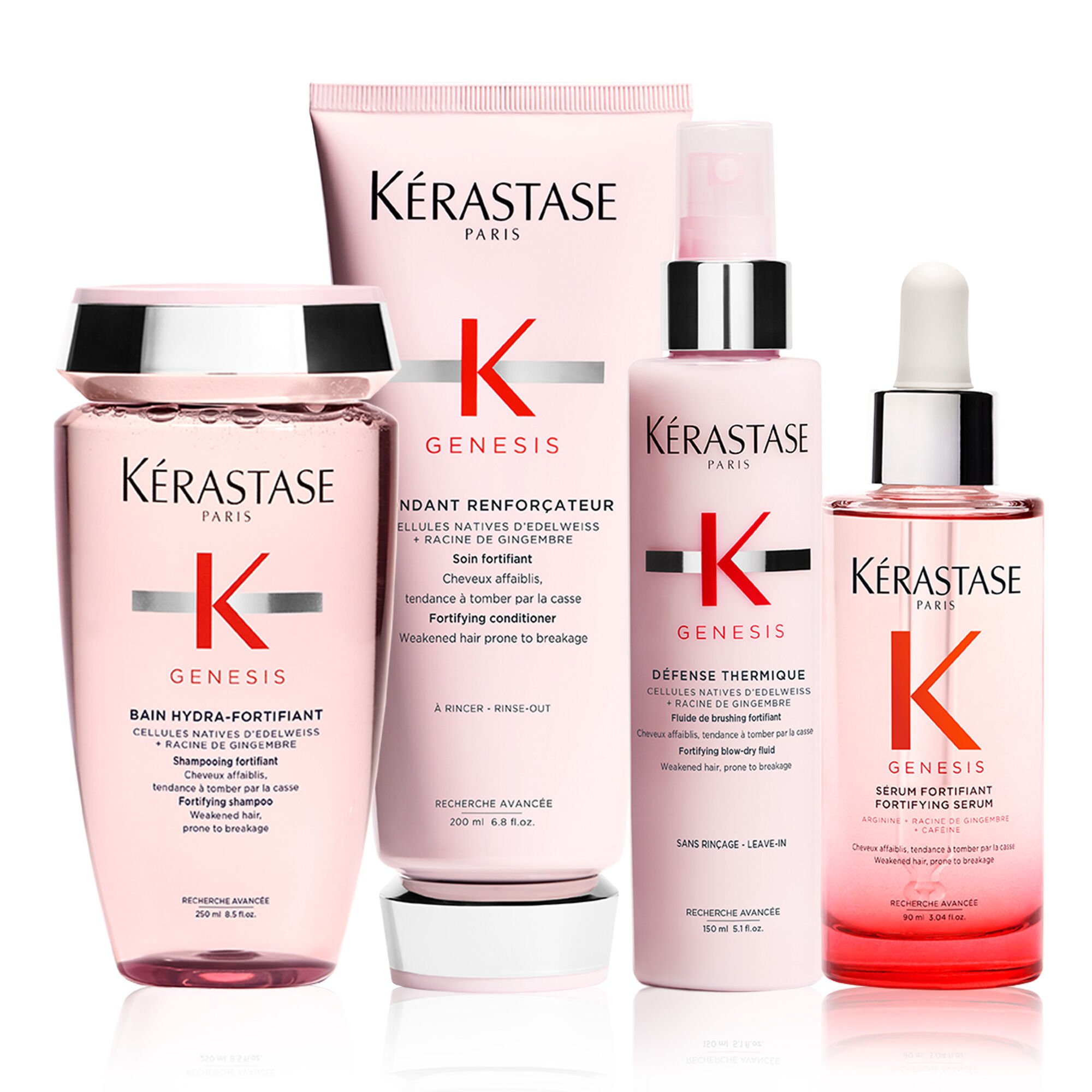
Credit: www.kerastase-usa.com
Daily Hair Care Routine
Managing oily hair daily can feel like a challenge, but a well-planned routine makes a big difference. The key is to keep your scalp clean without stripping it of natural oils, which can trigger more oil production. Small habits throughout the day impact how your hair looks and feels.
Brushing Tips
Brushing your hair can help spread natural oils from the scalp down the strands, but overdoing it can make your hair look greasier faster. Use a brush with natural bristles and brush gently, focusing on detangling rather than excessive strokes.
Try to limit brushing to once or twice a day. Too much brushing stimulates oil glands and can leave your scalp oily by midday. Have you noticed your hair looks oilier after brushing too often?
Avoiding Over-touching
Your hands carry oils and dirt that easily transfer to your hair. Constantly touching or running your fingers through your hair adds extra oil, making it look greasy sooner.
Make a conscious effort to keep your hands away from your hair during the day. This simple habit can reduce oil buildup and keep your hair looking fresh longer. How often do you catch yourself touching your hair without thinking?
Using Dry Shampoo
Dry shampoo is a lifesaver for oily hair, especially on busy days when washing isn’t an option. It absorbs excess oil and adds volume, giving your hair a clean, refreshed look.
Spray dry shampoo mainly at the roots and wait a few minutes before brushing it out. Avoid overusing it, as buildup can clog pores and worsen oiliness over time.
Lifestyle Habits For Oil Control
Controlling oily hair starts beyond shampoos and conditioners. Lifestyle habits play a big role in managing oil production. Simple daily choices can balance scalp oils and keep hair fresh. Healthy routines support scalp health and reduce excess shine.
Balanced Diet Choices
Your diet affects how much oil your scalp makes. Eating too many greasy or sugary foods can increase oil production. Focus on fresh fruits and vegetables for vitamins and minerals. Include whole grains and lean proteins for balanced nutrition.
Foods rich in omega-3 fatty acids, like fish and nuts, help regulate oil. Drink plenty of water to keep your scalp hydrated. Avoid fried foods and processed snacks to prevent oil buildup.
Stress Management
Stress can trigger your body to produce more oil. High stress levels upset your hormone balance and affect your scalp. Practice relaxation techniques like deep breathing or meditation daily. Getting enough sleep helps your body reduce stress naturally.
Simple activities like reading or walking calm your mind. Reducing stress keeps your scalp less oily and healthier overall.
Regular Exercise
Exercise improves blood flow to your scalp and body. Better circulation helps balance oil glands and promotes healthy hair. Sweating during workouts removes toxins from your skin and scalp. Remember to wash your hair or rinse your scalp after exercise.
Choose activities you enjoy, such as walking, cycling, or yoga. Staying active supports your overall health and controls oily hair better.

Credit: notyourmothers.com
Home Remedies To Reduce Oiliness
Dealing with oily hair can feel like a never-ending battle. You wash your hair in the morning, and by afternoon, the shine returns. Home remedies offer gentle and affordable ways to keep oiliness under control without harsh chemicals.
Natural Cleansers
Natural cleansers help absorb excess oil and refresh your scalp. Ingredients like apple cider vinegar and lemon juice balance pH and reduce greasiness.
- Apple Cider Vinegar Rinse:Mix two tablespoons of apple cider vinegar with one cup of water. After shampooing, pour this mixture onto your hair and scalp. It removes buildup and tightens pores, which slows down oil production.
- Lemon Juice Wash:Combine the juice of one lemon with a cup of water. Use it as a final rinse after washing your hair. The acidity helps cut through oil and leaves your scalp feeling fresh.
- Baking Soda Scrub:Make a paste with two teaspoons of baking soda and a little water. Gently massage your scalp with this scrub once a week to exfoliate and reduce oiliness.
Have you tried any of these natural cleansers? Sometimes, the simplest ingredients in your kitchen can make a noticeable difference.
Diy Hair Masks
DIY hair masks offer deep cleansing and nourishment to oily hair. Using natural ingredients keeps your scalp healthy without adding extra grease.
- Multani Mitti Mask:Mix two tablespoons of Multani mitti (Fuller’s earth) with rose water to form a thick paste. Apply on your scalp and leave for 20 minutes. This mask absorbs excess oil and soothes irritation.
- Egg White and Lemon Mask:Beat one egg white and add a teaspoon of lemon juice. Apply it to your scalp and hair roots, then rinse after 15 minutes. Egg whites tighten pores while lemon controls oil.
- Aloe Vera and Honey Mask:Combine two tablespoons of fresh aloe vera gel with one tablespoon of honey. Spread over your scalp and wash off after 30 minutes. Aloe vera calms the scalp and honey balances oil production.
Which DIY mask sounds easiest for you to try first? Personalizing your hair care routine with these masks can lead to better control over oily hair.
When To See A Specialist
Oily hair can be tricky to manage alone. Sometimes, it signals an underlying scalp problem. Knowing when to see a specialist helps protect your scalp and hair health. Early care can prevent bigger issues and improve your hair’s look and feel.
Signs Of Scalp Issues
- Persistent itching or burning sensation
- Redness or inflammation on the scalp
- Excessive dandruff or flaky skin
- Unusual hair loss or thinning
- Scalp sores or bumps that don’t heal
- Greasy scalp despite regular washing
These signs suggest more than just oily hair. They need professional attention to avoid worsening conditions.
Professional Treatments
Specialists offer treatments beyond regular shampooing. They can prescribe medicated shampoos and topical solutions. These target oil control and scalp inflammation.
In-office treatments may include:
- Scalp exfoliation to remove dead skin
- Laser therapy to stimulate hair growth
- Anti-fungal or anti-bacterial therapy for infections
- Customized hair care advice based on scalp condition
Professional care ensures a healthier scalp and better hair quality. Trust experts for persistent or severe oily scalp problems.

Credit: www.gq.com
Frequently Asked Questions
What Causes Oily Hair And Scalp?
Oily hair results from excess sebum production by scalp glands. Hormones, diet, and stress can increase oiliness. Genetics also play a role. Understanding these causes helps manage oily hair effectively with proper care and products.
How Often Should I Wash Oily Hair?
Washing oily hair 2-3 times weekly is ideal. Overwashing can strip natural oils and trigger more oil production. Use a gentle shampoo formulated for oily hair to maintain balance and freshness without drying out your scalp.
Which Shampoos Work Best For Oily Hair?
Look for shampoos labeled “oil control” or “balancing. ” Ingredients like tea tree, salicylic acid, and charcoal help reduce oiliness. Avoid heavy, moisturizing shampoos. Choosing the right shampoo keeps oily hair clean and prevents buildup.
Can Diet Affect Oily Hair Condition?
Yes, diet impacts oil production. High-fat and sugary foods may increase scalp oiliness. Eating a balanced diet rich in vitamins and minerals supports healthy hair and scalp. Hydration also helps regulate oil levels naturally.
Conclusion
Oily hair needs gentle care every day. Wash with a mild shampoo to avoid dryness. Avoid heavy conditioners that can weigh hair down. Use a clean brush to spread oils evenly. Rinse hair with cool water to close pores. Keep a healthy diet for better scalp health.
Regular care helps control oil and keeps hair fresh. Small changes make a big difference over time. Healthy hair feels light and looks shiny. Try these tips and enjoy clean, balanced hair.
