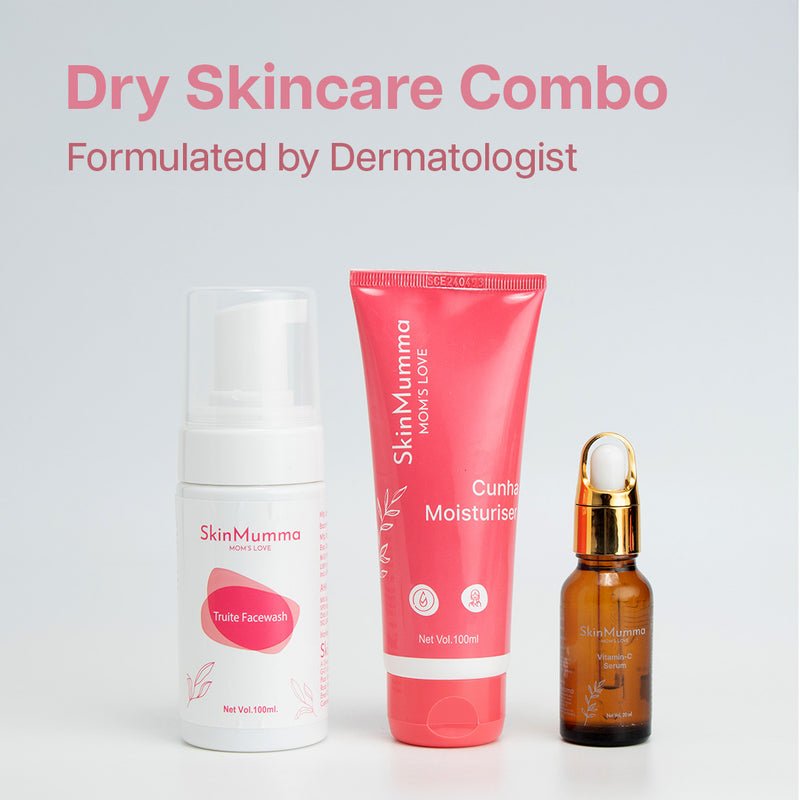
Dry skin can be a real frustration. Itchy, flaky, and rough patches not only feel uncomfortable, but they can also impact your confidence.
You’ve tried various creams and lotions, yet nothing seems to work. Sound familiar? You’re not alone. Many people just like you are seeking the perfect solution to transform their dry skin into a smooth, radiant glow. Imagine looking in the mirror and seeing a hydrated, healthy complexion staring back at you.
This isn’t just a dream—it’s achievable. This article will reveal the secrets to nurturing your dry skin and bringing out its natural beauty. Ready to discover how you can achieve the skin you’ve always wanted? Let’s dive into the world of skincare solutions tailored just for you.
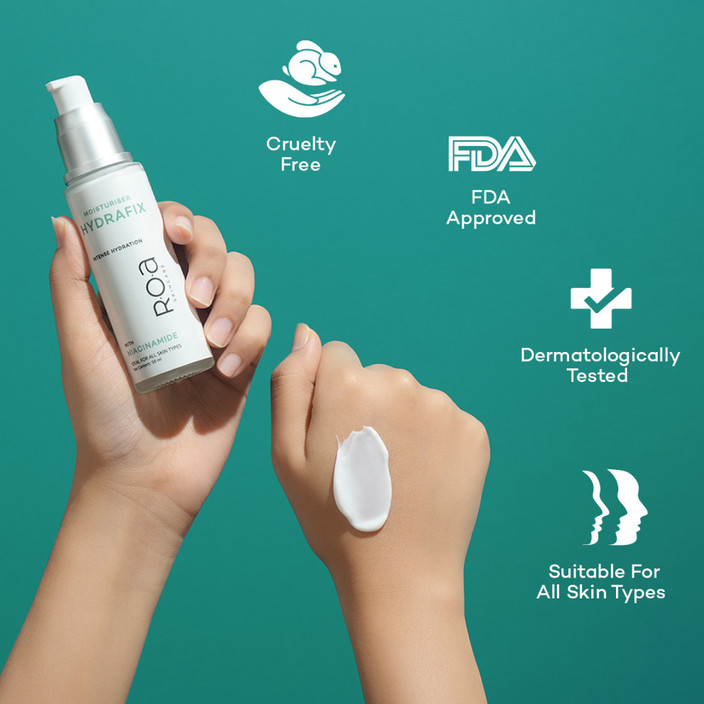
Credit: www.flipkart.com
Causes Of Dry Skin
Dry skin happens when the skin loses too much water or oil. This loss weakens the skin’s barrier. The skin feels tight, rough, and may even crack. Understanding what causes dry skin helps to treat it better. Causes fall into three main groups: environment, lifestyle, and skin conditions.
Environmental Factors
- Cold weather lowers humidity and dries out the skin.
- Hot showers remove natural oils from the skin.
- Strong winds strip moisture off the skin surface.
- Exposure to sun damages the skin and dries it out.
- Indoor heating systems reduce air moisture in winter.
Lifestyle Habits
- Using harsh soaps can strip oils from the skin.
- Not drinking enough water leads to dehydration.
- Smoking reduces blood flow, harming skin health.
- Eating a poor diet lacks essential skin nutrients.
- Skipping moisturizer lets skin lose moisture quickly.
Skin Conditions
- Eczema causes inflammation and dry, itchy patches.
- Psoriasis leads to thick, scaly, and dry skin.
- Ichthyosis makes skin rough and cracked.
- Allergic reactions can cause dryness and irritation.
- Some medications may dry out the skin as a side effect.
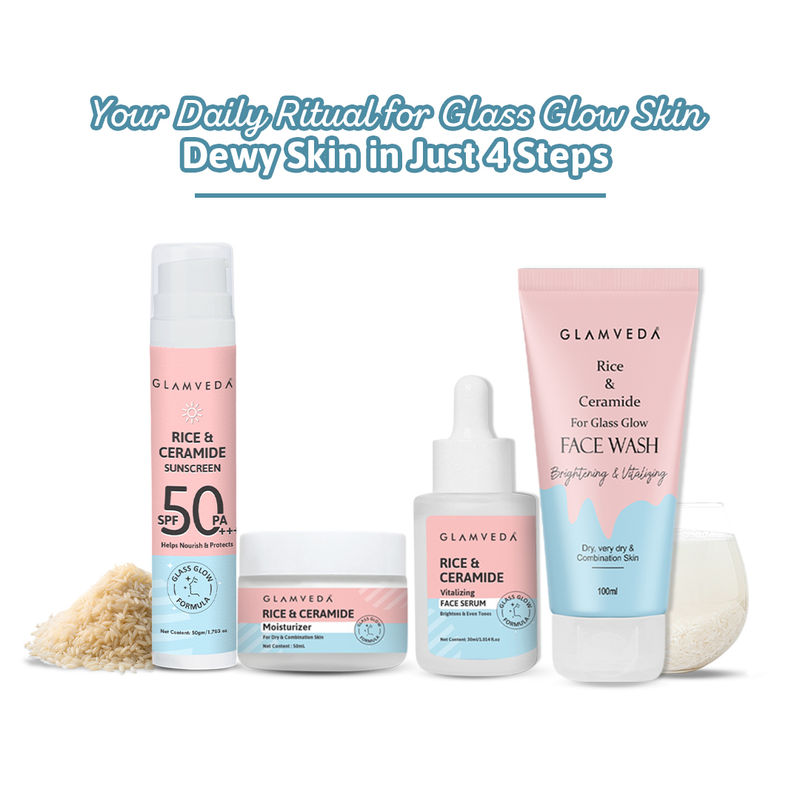
Credit: www.nykaa.com
Key Ingredients For Hydration
Hydrating dry skin requires ingredients that lock in moisture and repair the skin barrier. Choosing the right components helps soothe tightness and prevent flaking. These key ingredients work deeply to maintain hydration for soft, healthy skin.
Hyaluronic Acid Benefits
Hyaluronic acid holds water molecules in the skin. It can keep skin hydrated for hours. This ingredient helps plump the skin and reduce dryness. It works well with all skin types, especially dry skin. Hyaluronic acid also supports skin elasticity.
Ceramides Role
Ceramides are natural lipids found in the skin. They help form a protective layer that locks in moisture. Dry skin often lacks ceramides, causing roughness and sensitivity. Adding ceramides restores the skin barrier and improves hydration. They also protect against environmental damage.
Natural Oils And Butters
Natural oils and butters nourish and soften dry skin. Examples include jojoba oil, shea butter, and coconut oil. These ingredients create a barrier to prevent water loss. They provide essential fatty acids that repair skin cells. Oils and butters leave skin feeling smooth and supple.
Daily Skincare Routine
Creating a daily skincare routine tailored for dry skin can transform how your skin feels and looks every day. It’s not just about what products you use, but how you use them. Small changes in your routine can make a big difference in maintaining hydration and comfort.
Gentle Cleansing Tips
Choose a cleanser that doesn’t strip your skin of its natural oils. Look for creamy or oil-based formulas that cleanse without leaving your skin tight or flaky.
Wash your face with lukewarm water instead of hot water, which can worsen dryness. Pat your skin dry gently with a soft towel instead of rubbing it.
Have you noticed how some cleansers leave your skin feeling rough or itchy? Switching to a gentle option can soothe your skin and reduce irritation immediately.
Moisturizing Techniques
Apply moisturizer while your skin is still slightly damp to lock in more moisture. Use products with ingredients like hyaluronic acid, glycerin, or ceramides for deeper hydration.
Don’t forget to moisturize your neck and hands, areas that often dry out faster. Consider layering a rich cream over a light serum for extra nourishment.
Ever tried using a humidifier at night? It can help keep your skin hydrated from the outside, especially in dry climates or heated rooms.
Sun Protection Essentials
Dry skin is more vulnerable to sun damage, so daily sunscreen is a must. Choose a broad-spectrum SPF 30 or higher that also has moisturizing properties.
Apply sunscreen as the last step in your morning routine and reapply every two hours if you’re spending time outdoors. Look for mineral-based sunscreens with zinc oxide or titanium dioxide—they tend to be less drying.
Do you skip sunscreen on cloudy days? Remember, UV rays can still harm your skin even when the sun isn’t shining brightly.

Credit: foxtale.in
Home Remedies For Deep Moisture
Finding deep moisture for dry skin at home doesn’t have to be complicated or expensive. Simple ingredients you likely already have can transform your skincare routine and restore that much-needed hydration. These home remedies focus on nourishing your skin gently yet effectively, helping you feel comfortable and confident in your own skin.
Diy Hydrating Masks
Creating your own hydrating mask is easier than you think. Mixing natural ingredients like honey, avocado, and yogurt can provide intense moisture and soothe dry patches instantly.
Honey acts as a natural humectant, pulling moisture into your skin. Avocado adds healthy fats that nourish and repair. Yogurt contains lactic acid, gently exfoliating while hydrating.
- Try mashing half an avocado with a tablespoon of honey and apply for 15 minutes.
- If you prefer a lighter mask, mix two tablespoons of yogurt with one teaspoon of honey.
- Rinse with lukewarm water and pat dry to reveal softer skin.
Have you noticed how your skin reacts differently to homemade masks versus store-bought ones? This hands-on approach lets you control what touches your skin, often leading to better results.
Overnight Treatments
Overnight is prime time for your skin to repair and absorb nutrients. Using deeply moisturizing oils or creams before bed locks in hydration and reduces dryness by morning.
Try applying a thin layer of coconut oil or almond oil after your nighttime cleanser. These oils absorb well and create a barrier to prevent moisture loss.
- Mix a few drops of rosehip oil with your night cream to boost hydration and skin repair.
- Use thicker creams containing shea butter or ceramides to seal moisture overnight.
Do you wake up with dry, flaky skin? An overnight treatment might be the simple fix you’ve been missing.
Hydrating Facial Mists
Facial mists aren’t just refreshing—they can be a quick hydration boost anytime your skin feels tight or dry. Spritzing a hydrating mist throughout the day replenishes moisture without disrupting makeup.
Look for mists containing ingredients like rose water, aloe vera, or glycerin for soothing and moisturizing effects.
- Keep a bottle in your bag and spray when your skin starts feeling dry or stressed.
- Use a mist after cleansing and before applying moisturizer to enhance absorption.
How often do you give your skin a quick hydration break? A simple mist might change how your skin feels in just minutes.
Diet And Hydration
Diet and hydration play a crucial role in managing dry skin. What you eat and drink directly affects your skin’s moisture levels and overall health. Paying attention to these factors can make a noticeable difference in how your skin feels and looks every day.
Foods For Skin Moisture
Certain foods help keep your skin hydrated from the inside out. Including healthy fats like those in avocados, nuts, and olive oil supports your skin’s natural barrier. These fats lock in moisture and prevent dryness.
Don’t forget about fruits and vegetables rich in water and antioxidants. Cucumbers, watermelon, and oranges provide hydration and fight damage caused by free radicals. Vitamin E-rich foods, such as almonds and sunflower seeds, also protect your skin and promote softness.
What’s on your plate can either dry out your skin or help it thrive. Try adding these moisture-boosting foods to your meals and notice the difference.
Importance Of Water Intake
Drinking enough water is one of the simplest ways to support dry skin. Water helps maintain skin elasticity and flushes out toxins that can cause irritation. If you often feel thirsty or notice flaky patches, your skin might be asking for more hydration.
How much water you need depends on your activity level and environment, but aiming for at least 8 glasses a day is a solid start. You can also boost hydration with herbal teas or infused water if plain water feels boring.
Next time you reach for a drink, ask yourself: is this helping my skin stay hydrated? Making water your go-to beverage can transform dry, tight skin into a smoother, more comfortable surface.
Avoiding Common Mistakes
Dry skin needs special care. Many people make simple mistakes that worsen dryness. Avoiding these errors helps skin stay healthy and soft. Small changes can bring big improvements.
Harsh Products To Skip
Some skincare products remove natural oils. These oils protect dry skin. Avoid items with:
- Strong alcohols
- Fragrances and dyes
- Harsh soaps
- High concentrations of acids
These can cause irritation and more dryness. Choose gentle, hydrating formulas instead. Look for products labeled “for sensitive skin.”
Over-exfoliation Risks
Exfoliation removes dead skin cells. But too much harms the skin barrier. Over-exfoliating causes redness, flaking, and tightness. Limit exfoliation to 1-2 times a week. Use mild exfoliants with small particles or gentle acids. Always follow with a moisturizer to restore hydration.
Boosting Natural Glow
Dry skin often looks dull and feels tight. Boosting your natural glow means helping skin stay hydrated and fresh. Simple habits can bring out the radiance hidden beneath dryness. Focusing on gentle care improves skin texture and brightness.
Facial Massage Benefits
Facial massage increases blood flow to the skin. It helps skin cells get more oxygen and nutrients. This makes skin look more lively and glowing.
Massaging also helps lymphatic drainage. It removes toxins and reduces puffiness. The skin feels softer and looks healthier.
Use gentle, upward strokes with your fingertips. Apply a nourishing oil or cream for smooth movement. Spend 5 to 10 minutes daily for best results.
Regular Exfoliation Tips
Exfoliation removes dead skin cells that dull your face. It reveals fresh skin underneath. This brightens your complexion and smooths rough patches.
Choose a gentle exfoliator made for dry skin. Avoid harsh scrubs that can irritate or dry out skin more.
- Limit exfoliation to 1-2 times per week.
- Use soft circular motions when applying.
- Follow with a rich moisturizer immediately.
Consistent exfoliation keeps skin soft and glowing. It improves absorption of moisturizers and serums.
Frequently Asked Questions
What Are The Best Moisturizers For Dry Skin?
The best moisturizers for dry skin contain hyaluronic acid, glycerin, and ceramides. They hydrate deeply and lock in moisture. Avoid heavy fragrances and alcohol. Look for cream-based or oil-based products for lasting hydration and skin barrier repair.
How Often Should I Exfoliate Dry Skin?
Exfoliate dry skin 1-2 times per week. Use gentle exfoliants with lactic acid or enzymes. Avoid harsh scrubs that can irritate and worsen dryness. Regular exfoliation removes dead skin cells and improves moisturizer absorption.
Can Dry Skin Benefit From Facial Oils?
Yes, facial oils are excellent for dry skin. They provide extra nourishment and seal moisture. Oils like jojoba, argan, and rosehip help restore the skin barrier. Use a few drops after moisturizing for soft, hydrated skin.
Is It Important To Use Sunscreen With Dry Skin?
Absolutely, sunscreen is vital for dry skin. UV rays worsen dryness and cause premature aging. Use a broad-spectrum SPF 30 or higher daily. Opt for hydrating formulas with added moisturizers to protect and nourish your skin.
Conclusion
Dry skin needs gentle care every day. Choose mild cleansers that do not strip moisture. Use creams and oils to keep skin soft and smooth. Drink plenty of water to help your skin stay hydrated. Avoid hot showers that can dry your skin further.
Protect your skin from cold and wind with scarves or gloves. Simple steps make a big difference for dry skin. Stay consistent and patient to see real improvement. Healthy skin feels comfortable and looks radiant. Take care, and your skin will thank you.
