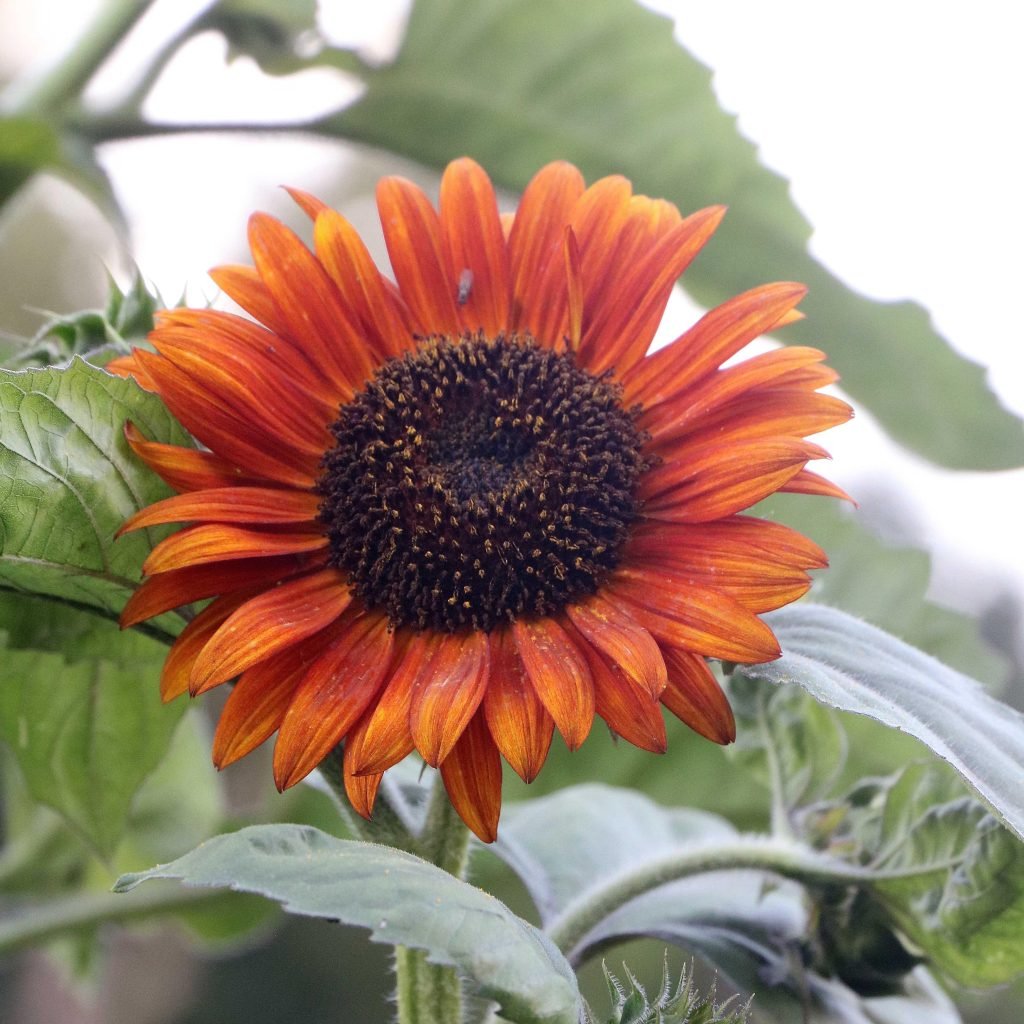
Imagine stepping into your garden, the crisp autumn air brushing against your skin, and being greeted by the warm, golden faces of Autumn Beauty Sunflowers. These vibrant blooms, with their rich hues of orange, red, and gold, not only brighten up any landscape but also bring a touch of warmth to the cool fall days.
If you’ve ever wondered how to cultivate these magnificent flowers in your own backyard, you’re in for a treat. Growing Autumn Beauty Sunflowers is easier than you think, and with the right tips, you can transform your garden into a fall paradise.
Ready to unlock the secrets to nurturing these stunning blooms? Let’s dive into the essential tips that will have your sunflowers thriving and turning heads in no time.

Credit: www.turningclockback.com
Choosing The Right Sunflower Varieties
Choosing the right sunflower varieties is key for a beautiful autumn garden. The right types bloom later in the season. They can handle cooler temperatures and shorter days. Selecting varieties suited for autumn ensures vibrant flowers before the first frost. Consider size, color, and bloom time to find the best fit for your space.
Best Types For Autumn Blooming
Some sunflower types are perfect for autumn. These varieties have a longer growing period. They bloom late summer into fall. Examples include:
- Autumn Beauty: Known for warm tones and long bloom time.
- Evening Sun: Offers rich reds and oranges, ideal for fall colors.
- Sunrich Orange: Bright orange petals, blooms late season.
- Mammoth: Large flowers that bloom well into autumn.
Choose varieties with 70-90 days to bloom. This timing matches autumn’s cooler weather.
Size And Color Options
Sunflowers come in many sizes and colors. Choose based on garden space and style. Size options range from dwarf to giant varieties:
- Dwarf: 1-3 feet tall, good for small gardens or containers.
- Medium: 4-6 feet tall, classic sunflower height.
- Giant: Over 6 feet, dramatic garden focal points.
Color choices add interest and warmth. Popular autumn colors include:
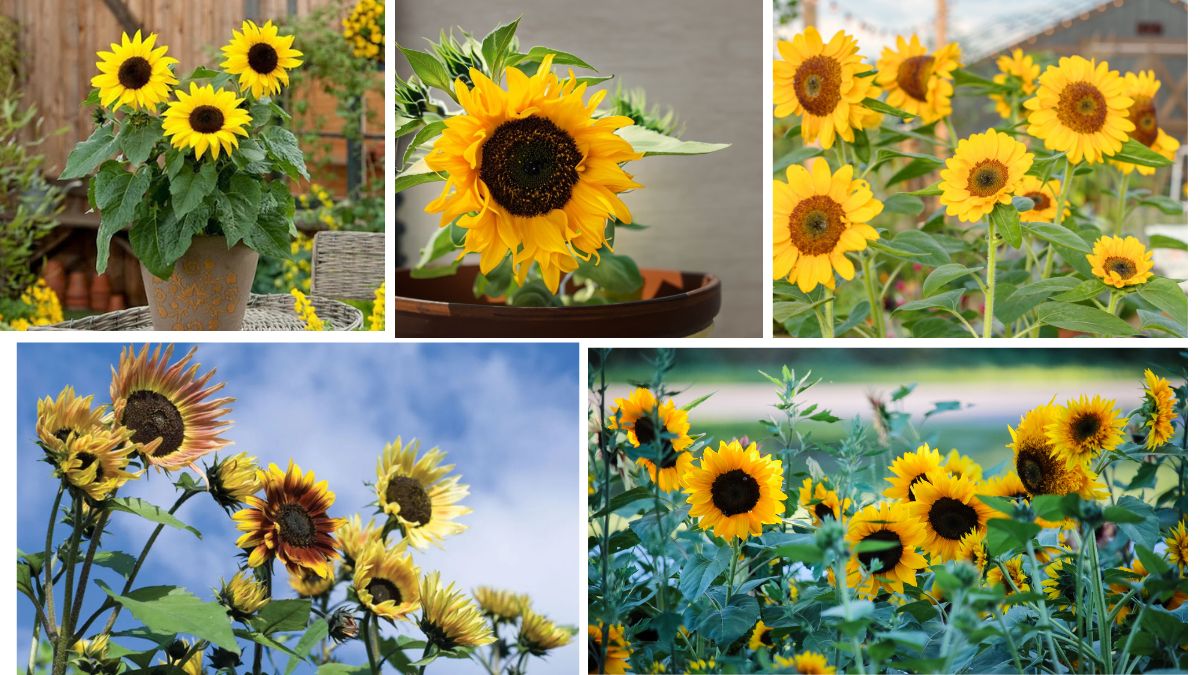
- Yellow: Traditional sunflower look, bright and cheerful.
- Orange: Adds vibrant autumn tones.
- Red and Burgundy: Deep colors that match fall foliage.
- Bi-color: Petals with two shades for unique appeal.

Credit: www.veranda.com
Preparing The Soil
Preparing the soil is a crucial step to ensure your autumn beauty sunflowers thrive. Healthy soil creates a strong foundation for roots to grow deep and access nutrients. Taking time to prepare it properly can make the difference between a sparse patch and a vibrant sunflower display.
Soil Requirements
Sunflowers prefer soil that is loose and well-drained. The ideal soil pH should be between 6.0 and 7.5, which is slightly acidic to neutral. You can test your soil’s pH using an affordable kit from a garden center or online.
Consider the texture of your soil. Sandy loam is perfect because it warms up quickly in the spring and drains excess water. If your soil is heavy clay or too sandy, you will need to adjust it to improve conditions for your sunflowers.
Improving Drainage And Fertility
Good drainage prevents waterlogging, which can cause root rot. To improve drainage, add organic matter like compost or well-rotted manure. These materials break up compacted soil and create air pockets for roots to breathe.
Adding compost also boosts soil fertility by supplying essential nutrients. You can enrich the soil further with a balanced slow-release fertilizer containing nitrogen, phosphorus, and potassium. Avoid over-fertilizing, as too much nitrogen will encourage leaf growth but reduce blooming.
- Mix 2 to 3 inches of compost into the top 6 to 8 inches of soil.
- Use a garden fork or tiller to loosen the soil.
- Ensure the planting area is free from weeds that compete for nutrients.
Have you checked how well your soil drains after a heavy rain? Observing your garden’s drainage can guide you in making adjustments before planting. Preparing your soil thoughtfully sets your autumn beauty sunflowers up for a season full of bright, cheerful blooms.
Planting Techniques
Planting sunflowers for autumn beauty requires attention to detail. Proper techniques ensure strong growth and vibrant blooms. This section covers key tips on planting time, spacing, and depth.
Ideal Planting Time
Plant sunflowers after the last frost date in your area. Soil temperature should reach at least 50°F (10°C). This warmth helps seeds germinate quickly. For autumn blooms, sow seeds in mid to late summer. This timing allows flowers to develop before cooler weather arrives. Avoid planting too early to prevent weak plants.
Spacing And Depth Tips
Space sunflower seeds about 6 to 12 inches apart. Proper spacing gives each plant enough room to grow. Crowded plants may have fewer flowers. Plant seeds 1 to 2 inches deep in loose, well-drained soil. This depth protects seeds and encourages strong roots. Water gently after planting to keep soil moist but not soaked.
Watering And Feeding
Proper watering and feeding are essential for growing vibrant autumn beauty sunflowers. These plants need consistent moisture and nutrients to thrive. Balancing water and fertilizer helps sunflowers develop strong stems and bright blooms.
Too much water can cause root problems. Too little water slows growth. Feeding with the right nutrients boosts flower size and color. Follow simple guidelines to keep sunflowers healthy.
Optimal Watering Schedule
Sunflowers prefer deep watering to encourage strong roots. Water the soil, not the leaves. Aim for moist, not soggy, soil. Water early in the morning or late in the evening to reduce evaporation.
- Water sunflowers once or twice a week.
- Increase watering during hot, dry weather.
- Reduce watering after flowers bloom.
Check soil moisture by touching the soil surface. If it feels dry, it’s time to water. Avoid letting the soil dry out completely.
Fertilizer Recommendations
Sunflowers benefit from balanced fertilizer with equal nitrogen, phosphorus, and potassium. Use a slow-release fertilizer for steady feeding. Over-fertilizing can cause weak stems and fewer flowers.
- Apply fertilizer once when planting seeds.
- Feed again when sunflowers reach 12 inches tall.
- Use a liquid fertilizer every 3-4 weeks for extra nutrients.
Organic options like compost or fish emulsion work well. Avoid high nitrogen fertilizers to prevent excessive leaf growth. Proper feeding supports healthy blooms and strong plants.
Sunlight And Temperature Needs
Sunflowers thrive best with the right sunlight and temperature. These two factors help them grow tall and bloom bright. Autumn sunflowers need special care as days get shorter and cooler. Understanding their light and temperature needs can boost your flower garden.
Best Light Conditions
Sunflowers love full sunlight. They need at least 6 to 8 hours of direct sun daily. Place them where the sun shines strongest. Morning sun is gentle and helps flowers open fully. Avoid shaded spots that block sunlight. Bright light makes the stems strong and flowers large.
Managing Cooler Autumn Temperatures
Sunflowers tolerate mild cool weather well. They grow best in temperatures between 65°F and 75°F. Below 50°F, growth slows down and flowers may stop blooming. Protect young plants from frost by covering them at night. Using mulch keeps soil warm and roots safe. Choose varieties that bloom earlier for cooler autumns.
Pest And Disease Control
Protecting your autumn beauty sunflowers from pests and diseases is essential. Healthy plants grow stronger and bloom brighter. Understanding threats and solutions helps keep your garden vibrant.
Common Threats In Autumn
Sunflowers face several pests and diseases during autumn. Aphids often cluster on leaves and stems. They suck plant juices, causing yellow spots and wilting.
Spider mites create tiny webs and leave speckled damage. These pests thrive in dry conditions. Sunflower moths can harm flower heads, reducing seed production.
Fungal diseases like powdery mildew appear as white powder on leaves. Rust causes orange or brown spots on leaves. Both diseases weaken plants and slow growth.
Natural And Chemical Solutions
Natural control methods work well for many pests. Encourage ladybugs and lacewings, which eat aphids and mites. Spray plants with a mixture of water and mild soap to remove pests.
Neem oil is an organic option that kills insects and prevents fungal growth. Keep plants spaced well for better air flow, reducing disease risk.
Chemical insecticides and fungicides can be used carefully. Choose products labeled safe for sunflowers. Follow instructions closely to protect beneficial insects and avoid damage.
Supporting Tall Sunflowers
Supporting tall sunflowers is essential to keep your garden looking vibrant and healthy throughout autumn. These towering beauties can easily topple over if not properly supported, especially as their heavy blooms develop. Providing the right support helps your sunflowers stand tall and face the sun proudly.
Staking And Tying Methods
Staking your sunflowers gives them a sturdy backbone. Use a strong wooden or bamboo stake, ideally 6 feet or taller, placed about 6 inches away from the stem to avoid root damage.
Secure the sunflower to the stake using soft garden ties, strips of cloth, or even old pantyhose. Avoid tight knots; allow some room for the stem to grow and sway gently in the breeze.
Multiple ties placed every foot up the stem provide balanced support. Have you noticed how gentle movement encourages stronger stems? Letting your sunflowers sway a bit can actually help them grow sturdier.
Preventing Wind Damage
Wind can be a sunflower’s biggest enemy. To protect your plants, choose a sheltered spot in your garden, like near a fence or wall.
If planting in open areas, consider creating windbreaks with temporary barriers such as garden netting or strategically placed shrubs. This reduces wind speed and lessens damage.
Regularly check your ties and stakes after windy days. Loose or broken supports can cause sudden falls. Have you ever found a sunflower lying flat after a storm? A quick fix can save your plant from permanent damage.
Credit: lodhigarden.com
Encouraging Vibrant Blooms
Encouraging vibrant blooms in autumn beauty sunflowers requires care and attention. Healthy flowers bring bright colors and bigger petals. Proper maintenance helps sunflowers grow strong and lively. Simple practices can make a big difference in bloom quality and longevity.
Deadheading And Pruning Tips
Remove faded flowers to promote new growth. Pinch off old blooms at the base of the stem. This redirects energy to fresh flower buds. Trim any damaged or yellow leaves to keep plants healthy. Prune tall stems to prevent breakage in windy weather. Regular deadheading keeps sunflowers blooming longer and fuller.
Boosting Flower Color And Size
Feed sunflowers with balanced fertilizer rich in phosphorus. Phosphorus supports strong roots and vibrant petals. Water deeply but avoid soggy soil to prevent root issues. Ensure sunflowers get at least six hours of sunlight daily. Mulch around plants to keep soil moist and cool. These steps encourage bigger, brighter flowers with rich colors.
Harvesting And Seed Saving
Harvesting sunflowers at the right time ensures vibrant blooms and healthy seeds. Saving seeds lets you grow new sunflowers next year without extra cost. Proper harvesting and seed saving keep your garden thriving season after season.
When To Harvest
Harvest sunflowers when petals start to dry and fall off. The back of the flower head turns yellow or brown. Seeds become plump and black or striped, depending on the variety. Check seeds by rubbing them gently; they should feel firm.
Cut the flower head with about 12 inches of stem. Do this on a dry, sunny day to avoid mold. Hang the flower heads upside down in a warm, airy place. Let them dry for two to three weeks for best results.
Storing Seeds For Next Season
Remove seeds by rubbing the dried flower head with your hand. Clean seeds by removing any debris or flower parts. Store seeds in an airtight container to keep moisture out. Use paper envelopes or glass jars for seed storage.
Label containers with the sunflower variety and harvest date. Keep seeds in a cool, dark place, such as a basement or cupboard. Proper storage extends seed life and improves germination chances next spring.
Frequently Asked Questions
What Is The Best Time To Plant Autumn Beauty Sunflowers?
The best time to plant Autumn Beauty Sunflowers is late spring to early summer. This timing ensures warm soil and longer daylight, which promote strong growth and vibrant blooms through autumn.
How Much Sunlight Do Autumn Beauty Sunflowers Need?
Autumn Beauty Sunflowers require full sun, meaning at least 6 to 8 hours daily. Adequate sunlight is essential for healthy growth and rich flower colors.
What Soil Type Suits Autumn Beauty Sunflowers Best?
Well-drained, loamy soil with moderate fertility is ideal. These sunflowers thrive in soil with good drainage to prevent root rot and support sturdy stems.
How Often Should I Water Autumn Beauty Sunflowers?
Water deeply once or twice a week, depending on rainfall. Consistent moisture keeps the soil moist but not soggy, supporting healthy root development.
Conclusion
Sunflowers bring bright color to any autumn garden. Plant seeds in well-drained soil and give them plenty of sunlight. Water regularly but avoid overwatering. Watch for pests and remove them quickly. With care, sunflowers grow tall and strong. Their golden blooms add warmth to chilly days.
Enjoy the simple joy of watching them thrive. Autumn sunflowers create a cheerful, natural display. Try these tips to grow your own beautiful sunflowers this fall.
