Imagine waking up each morning to effortlessly sleek, smooth hair. That dream doesn’t have to remain a fantasy, especially if frizz has been your long-time nemesis.
You know the struggle—those unpredictable hair days where no amount of product seems to tame the wild frizz. But what if I told you that the solution is just a hair straightener away? Yes, the right tool can transform your hair routine, making frizz a thing of the past.
In this guide, we’re diving into the best hair straighteners specifically designed to combat frizz, so you can enjoy silky, manageable locks every day. Keep reading to discover which straightener might become your new best friend in the battle against frizz.

Credit: hairchatters.com
Causes Of Frizz
Frizz can feel like a constant battle, especially when your hair refuses to stay smooth no matter what you do. Understanding what causes frizz is the first step to taming it effectively. Let’s take a closer look at the main reasons your hair gets frizzy and what you can do about them.
Humidity And Moisture Impact
Humidity is one of the biggest culprits behind frizzy hair. When the air is full of moisture, your hair absorbs it, causing the strands to swell and the cuticle to lift. This uneven swelling makes your hair look puffy and frizzy instead of sleek.
Have you noticed your hair acting wild on rainy days? That’s because high humidity levels disrupt the smooth structure of your hair. Using a hair straightener designed to lock in moisture can help keep your hair calm even in damp weather.
Hair Damage And Texture
Damage from heat styling, coloring, or harsh treatments breaks down the hair’s protective outer layer. Once this layer is compromised, your hair struggles to retain moisture, making it more prone to frizz. Even naturally curly or coarse hair types are more vulnerable because their texture already tends to be drier.
If your hair feels rough or looks dull, it might be signaling damage. Choosing a straightener with adjustable heat settings can prevent further damage by matching the temperature to your hair’s needs.
Product Buildup Effects
Using too many styling products or the wrong types can leave residue on your hair. This buildup blocks moisture from entering and exiting the hair shaft properly, leading to frizz and dullness. It also weighs hair down, making it harder to style smoothly.
Have you ever noticed your hair feels sticky or heavy after styling? That’s a sign you may need to clarify your hair more often. Regularly cleansing your scalp and hair helps maintain a clean base for your straightener to work more effectively.
Features To Look For In Hair Straighteners
Choosing the right hair straightener can make a huge difference in controlling frizz and achieving smooth, shiny hair. Not all straighteners are created equal, especially when it comes to features that target frizz. Knowing what to look for helps you avoid damage and keeps your hair looking sleek all day.
Plate Material And Technology
The plate material directly affects how your hair reacts to heat. Ceramic plates distribute heat evenly, reducing hot spots that can cause frizz and damage. Titanium plates heat up faster and maintain higher temperatures, which is great for thick or coarse hair but may be too intense for fine hair.
Some straighteners use tourmaline technology, which emits negative ions to seal hair cuticles and fight frizz. Have you noticed how your hair feels silkier when you use a straightener with ionic technology? That’s the effect at work.
Temperature Control Options
Adjustable temperature settings are crucial for managing frizz without damaging your hair. Different hair types require different heat levels—fine hair needs lower heat, while thick hair may need higher temperatures. Look for straighteners with precise digital controls or multiple heat settings.
Can your straightener maintain a consistent temperature? Fluctuating heat can cause uneven styling and increase frizz. Choosing a tool that offers stable heat helps you achieve a smooth finish every time.
Additional Frizz-reducing Features
Some straighteners come with extra features designed to combat frizz. For example, steam straighteners add moisture while styling, which can be a game-changer for dry or curly hair. Others include built-in ion generators or ceramic-infused plates that enhance shine and reduce static.
Think about your hair’s specific needs—does it dry out quickly or get static easily? Selecting a straightener with features that address these issues saves you time and frustration during your styling routine.
Top Hair Straighteners For Frizz Control
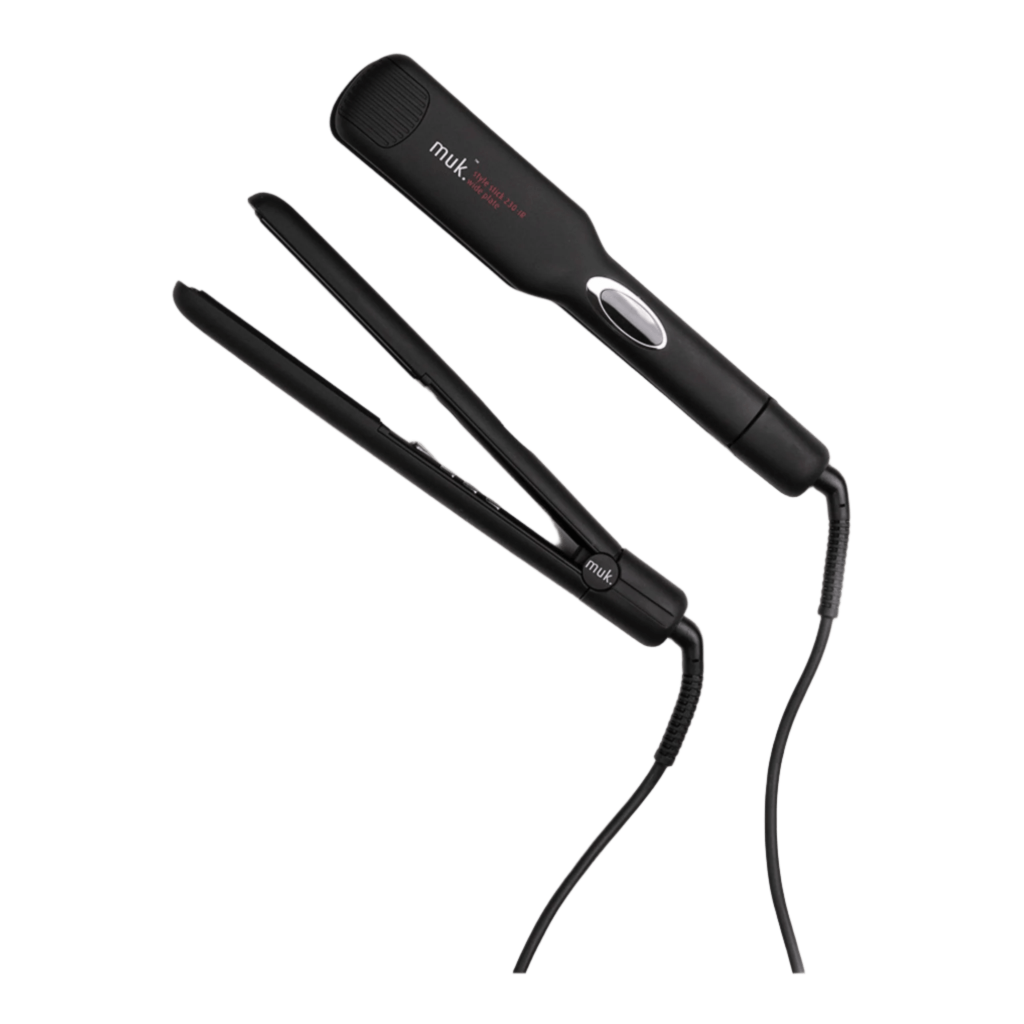
Finding the right hair straightener can make a huge difference in controlling frizz and achieving sleek, shiny hair. You want a tool that not only straightens but also protects your hair from heat damage and keeps frizz at bay throughout the day. Let’s look at some of the best options based on the type of plates they use, so you can choose one that suits your hair type and styling needs.
Best Ceramic Plate Straighteners
Ceramic plates are popular for their even heat distribution and smooth glide. They help reduce hotspots that can damage your hair, which is crucial for keeping frizz under control. If your hair tends to be dry or damaged, ceramic straighteners provide gentle heat that smooths the cuticle without excessive drying.
Some top picks include:
- GHD Platinum+ Professional Styler– Offers consistent heat and protects hair from breakage.
- BaBylissPRO Nano Titanium– Combines ceramic coating with titanium durability for sleek results.
- Remington S5500– An affordable option with ceramic plates that work well on fine to medium hair.
Best Titanium Plate Straighteners
Titanium plates heat up quickly and maintain high temperatures, making them ideal for thick or coarse hair. They help lock in moisture and seal the hair cuticle, which reduces frizz effectively. However, you must be cautious with the heat settings to avoid damage, especially if your hair is fine or color-treated.
Recommended models include:
- CHI G2 Titanium Professional Straightener– Lightweight and heats evenly for long-lasting smoothness.
- HSI Professional Glider– Features adjustable heat settings with titanium plates for customized styling.
- BaBylissPRO Nano Titanium Ultra-Thin– Known for its ultra-smooth finish and fast heating time.
Best Tourmaline Plate Straighteners
Tourmaline plates emit negative ions that counteract static and frizz, leaving hair silky and shiny. They are excellent for fine to medium hair types that are prone to flyaways and static. Tourmaline straighteners also provide gentle heat, which helps maintain your hair’s natural moisture balance.
Consider these options:
- Remington Pro 2″ Pearl Ceramic Flat Iron– Infused with tourmaline for smooth, frizz-free styling.
- Bio Ionic Onepass Straightening Iron– Uses natural tourmaline to enhance shine and reduce styling time.
- Paul Mitchell Neuro Smooth Tourmaline Flat Iron– Delivers consistent heat and excellent frizz control with tourmaline technology.
:max_bytes(150000):strip_icc()/byr-best-hair-straighteners-tout-d9a895d445b249cd93f76b3cc77a1c30.jpg)
Credit: www.byrdie.com
Tips For Using Hair Straighteners To Reduce Frizz
Using a hair straightener to reduce frizz effectively requires more than just heating and smoothing your hair. How you prepare your hair, the way you straighten it, and how you care for it afterward all play a big role in keeping frizz at bay. These tips will help you get sleek, shiny hair without the unwanted fuzz.
Pre-styling Hair Preparation
Start with clean, dry hair to avoid trapping moisture, which causes frizz. Use a sulfate-free shampoo and a hydrating conditioner to keep your hair smooth. Applying a heat protectant spray or serum is essential; it shields your hair from damage and adds a layer of moisture.
Have you noticed how skipping this step often leads to dry, brittle strands? Don’t rush it—let your hair dry completely before straightening. Using a wide-tooth comb can help detangle gently without breaking your hair.
Optimal Straightening Techniques
Set your straightener to the right temperature—too high can damage hair and cause more frizz, while too low won’t smooth effectively. Fine or damaged hair should use lower heat (around 300°F), while thicker hair might need up to 400°F. Always work in small sections for even heat distribution.
Try not to go over the same section multiple times; this can lead to dryness and frizz later on. Glide the straightener slowly and steadily from root to tip. Ask yourself—are you applying too much pressure? Gentle but firm strokes work best.
Post-straightening Care
After straightening, avoid touching your hair too much as oils from your hands can cause frizz. Use a lightweight anti-frizz serum or shine spray to lock in smoothness without weighing your hair down. A cool blast from your hairdryer can help seal the hair cuticle for a lasting sleek look.
Consider silk or satin pillowcases if you straighten your hair regularly; they reduce friction that creates frizz overnight. What small change could you make tonight to keep your hair smoother tomorrow?
Maintenance And Care For Hair Straighteners
Proper maintenance and care extend the life of hair straighteners. Clean tools work better and protect hair from damage. Regular upkeep keeps plates smooth and heats even. Small habits make a big difference in performance and safety.
Cleaning Your Straightener
Unplug the straightener and let it cool completely. Use a soft cloth slightly dampened with water or rubbing alcohol. Gently wipe the plates to remove product buildup and dirt. Avoid harsh chemicals or abrasive materials that can damage the plates. Clean edges and hinges carefully to prevent residue buildup. Do this after every few uses for best results.
Storage Recommendations
Store your straightener in a dry, cool place. Avoid wrapping the cord tightly around the tool to prevent wire damage. Use a heat-resistant pouch or case if possible. Keep it away from water and direct sunlight. Proper storage stops tangles, breaks, and electrical issues. A safe spot also helps maintain the straightener’s shape and function.
When To Replace Your Straightener
Look for signs of wear like uneven heating or damaged plates. If the straightener takes longer to heat or smells burnt, it may be time to replace it. Frayed cords or loose parts are safety hazards. Using a damaged straightener can harm hair and skin. Replace your tool every few years or sooner if issues appear.

Credit: www.amazon.ca
Frequently Asked Questions
What Features Make Hair Straighteners Best For Frizz Control?
The best straighteners have ceramic or tourmaline plates that emit even heat. They reduce static and seal the hair cuticle. Adjustable temperature settings prevent damage and frizz. Ionic technology helps smooth hair and maintain moisture, leaving it sleek and frizz-free.
How Often Should I Use A Hair Straightener To Avoid Frizz?
Limit straightener use to 2-3 times a week to prevent damage. Excessive heat can dry hair and cause frizz. Always apply a heat protectant before styling to shield hair from heat stress and maintain smoothness.
Can Hair Straighteners Damage Frizzy Hair Further?
Yes, improper use can worsen frizz by causing dryness and breakage. Use low to medium heat settings and high-quality tools. Regular conditioning and heat protection reduce damage, keeping frizzy hair smooth and healthy.
Are Ceramic Or Titanium Plates Better For Frizzy Hair?
Ceramic plates distribute heat evenly and reduce frizz gently. Titanium plates heat faster and are great for thick, coarse hair. Choose based on your hair type; ceramic suits fine hair, titanium works well for stubborn frizz.
Conclusion
Choosing the right hair straightener helps fight frizz every day. Good tools protect hair and keep it smooth. Remember to pick one with adjustable heat and ceramic plates. These features reduce damage and seal hair cuticles. Using the best straightener makes your hair look healthy and shiny.
Enjoy frizz-free hair with less effort and time. Simple care and the right device bring great results. Your hair deserves the best tools to shine.
