Are you tired of looking in the mirror and seeing deep acne scars that just won’t fade? You’re not alone, and there is hope.
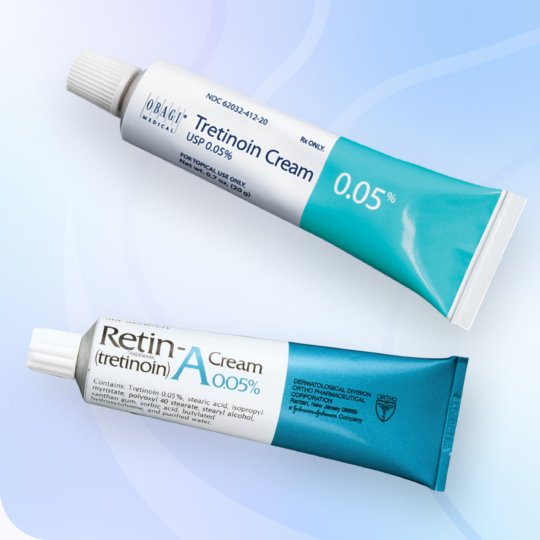
Tretinoin is a powerful treatment that many people trust to improve stubborn acne scars. Imagine smoother, clearer skin that boosts your confidence every day. You’ll discover how tretinoin works, what to expect, and how it can help transform your skin.
Keep reading to find out if tretinoin could be the solution you’ve been searching for.

Credit: www.reddit.com
How Tretinoin Works On Acne Scars
Tretinoin is a powerful treatment that targets deep acne scars by working beneath the surface of your skin. It doesn’t just mask scars; it helps rebuild and renew your skin’s structure over time. Understanding how tretinoin works can help you set realistic expectations and use it more effectively in your skincare routine.
Stimulating Collagen Production
Tretinoin encourages your skin to produce more collagen, a protein that gives skin its firmness and elasticity. Scarred areas often lack enough collagen, making them look sunken or uneven. By boosting collagen, tretinoin helps fill in those indentations, gradually smoothing out deep scars.
Think of collagen as the building blocks of your skin’s repair system. Without enough of it, scars remain visible. Have you noticed how your skin feels plumper and more resilient after consistent tretinoin use? That’s the collagen at work.
Increasing Skin Cell Turnover
Tretinoin speeds up the process where old, damaged skin cells are replaced with fresh, new ones. This rapid cell turnover helps shed scarred tissue and brings healthier skin to the surface. Over time, this can make scars less noticeable and improve overall skin texture.
Imagine peeling away layers of rough skin to reveal smoother skin underneath. This process also helps prevent clogged pores, reducing future breakouts that could cause more scars. Are you ready to commit to this gradual but impactful transformation?
Reducing Hyperpigmentation
Deep acne scars often come with dark spots or uneven skin tone. Tretinoin helps lighten these hyperpigmented areas by promoting even distribution of skin pigment. It fades discoloration so your skin looks more balanced and clear.
Many users find that their skin tone evens out noticeably after a few weeks of using tretinoin. This effect not only improves appearance but also boosts confidence. Wouldn’t you want your skin to reflect the healing happening beneath the surface?
Types Of Deep Acne Scars Treated
Deep acne scars come in various forms. Each type has unique shapes and textures. Tretinoin can help improve many of these scars by promoting skin renewal and collagen production.
Understanding the types of scars treated by tretinoin helps set realistic expectations. It works best on certain scar types, softening their appearance over time.
Ice Pick Scars
Ice pick scars are narrow, deep, and look like small holes. They resemble tiny punctures on the skin. Tretinoin can smooth the edges and improve skin texture around these scars.
Boxcar Scars
Boxcar scars have sharp edges and a wider shape. They look like small craters or depressions on the skin. Tretinoin helps by thickening the skin and reducing scar depth.
Rolling Scars
Rolling scars create a wave-like pattern on the skin. They cause uneven skin texture and shallow depressions. Tretinoin improves skin smoothness and promotes a more even surface.
Choosing The Right Tretinoin Strength
Choosing the right tretinoin strength is crucial for effectively treating deep acne scars without causing unnecessary irritation. The strength you select can impact how quickly you see results and how your skin reacts. Understanding the differences in concentration and your skin’s needs will help you make a confident decision.
Low Vs High Concentrations
Tretinoin comes in various strengths, commonly ranging from 0.01% to 0.1%. Lower concentrations are gentler and often recommended for beginners or those with sensitive skin. Higher strengths can deliver faster results but may increase redness, peeling, and discomfort.
Think about how your skin has handled other treatments. If you have never used retinoids, starting low allows your skin to build tolerance. On the other hand, if you’ve used tretinoin before without major issues, a higher concentration might speed up scar fading.
Prescription Guidelines
Tretinoin is usually available by prescription, and your dermatologist will guide you toward the appropriate strength. They consider your scar severity, skin type, and medical history before deciding on a concentration.
Don’t hesitate to ask your doctor why they recommend a specific strength. Understanding their reasoning helps you stay committed to your treatment plan. Also, prescriptions often come with usage instructions that are vital to follow closely to avoid overuse or irritation.
Skin Sensitivity Considerations
Is your skin prone to redness or dryness? Sensitive skin reacts more strongly to tretinoin, especially at higher strengths. Starting with a lower concentration and gradually increasing it helps minimize irritation.
Consider testing tretinoin on a small skin patch before applying it all over your face. Pay attention to how your skin responds over a week. If irritation persists, it might be worth discussing alternative treatments or adjusting the strength with your healthcare provider.

Credit: miiskin.com
Application Tips For Best Results
Applying tretinoin correctly is key for improving deep acne scars. Careful use helps skin heal and reduces irritation. Follow these tips for best results.
Proper Cleansing Routine
Start with a gentle cleanser that does not dry out your skin. Use lukewarm water to wash your face. Pat your skin dry with a soft towel. Avoid harsh scrubs or strong soaps. Clean skin allows tretinoin to work better.
Frequency And Timing
Apply tretinoin once daily, preferably at night. Nighttime use reduces sun exposure risks. Start with a small amount to see how your skin reacts. Increase usage slowly to avoid redness or peeling. Consistency matters more than quantity.
Moisturizing And Sun Protection
Use a moisturizer after tretinoin to soothe your skin. Choose a gentle, non-comedogenic moisturizer. Apply sunscreen every morning, even on cloudy days. Sun protection prevents further skin damage. Look for broad-spectrum SPF 30 or higher.
Expected Timeline For Improvement
Understanding the expected timeline for improvement with tretinoin helps set realistic goals. Patience plays a key role in treating deep acne scars. Skin renewal is a gradual process. Results vary by skin type and scar severity. Knowing what to expect can keep motivation high.
Short-term Changes
In the first few weeks, tretinoin may cause redness and peeling. These signs mean the skin is adjusting. You might notice smoother texture and slight fading of scars. Increased cell turnover begins beneath the surface. It is normal for skin to look worse before better. Keep using tretinoin as directed for steady progress.
Long-term Benefits
After several months, deeper improvements become visible. Collagen production increases, filling in acne scars. Skin tone evens out and scars soften. Consistent use over 3 to 6 months often shows meaningful results. Continued treatment can improve skin firmness and elasticity. Patience and regular application bring the best outcomes.
Possible Side Effects And How To Manage Them
Using tretinoin for deep acne scars can bring visible improvements, but it often comes with side effects that may feel uncomfortable at first. Understanding these effects and knowing how to manage them can help you stick to your treatment and achieve better results. Let’s look at some common reactions and practical ways to handle them.
Dryness And Peeling
Dryness and peeling are the most frequent side effects when starting tretinoin. Your skin might feel tight or flaky, especially in the first few weeks.
To manage this, use a gentle, hydrating moisturizer regularly. Applying it after tretinoin can reduce irritation without blocking its effects. Avoid harsh cleansers or scrubs that can worsen dryness.
Have you tried switching your cleanser or moisturizer to something milder? Sometimes small changes make a big difference in comfort.
Redness And Irritation
Redness and irritation can occur as your skin adjusts to tretinoin. It may look flushed or feel sensitive, particularly around the cheeks and nose.
Applying tretinoin every other night instead of daily can help your skin adapt more slowly. Also, avoid combining tretinoin with other strong skincare ingredients like alpha hydroxy acids or benzoyl peroxide until your skin calms down.
Do you notice if redness worsens after sun exposure? Wearing sunscreen daily is crucial to protect sensitive skin during treatment.
When To Consult A Dermatologist
Some reactions require professional advice. If you experience severe burning, swelling, or persistent redness lasting more than a few days, reach out to your dermatologist.
They can adjust your dosage or recommend alternative treatments to suit your skin better. Don’t hesitate to ask questions about your progress or any discomfort you face.
Have you kept track of your skin’s response to tretinoin? Sharing this info during your appointment can help your doctor tailor your care effectively.
Complementary Treatments For Deep Scars
Deep acne scars often need more than just topical treatment. Combining tretinoin with other therapies can improve skin texture and appearance. These complementary treatments work by stimulating collagen and promoting skin renewal.
Chemical Peels
Chemical peels remove the top skin layers to reveal smoother skin underneath. They encourage new cell growth and can reduce scar depth. Different acids, like glycolic or salicylic acid, are used depending on skin type. Regular sessions help fade scars and even skin tone.
Microneedling
Microneedling uses tiny needles to create small wounds in the skin. This triggers collagen production and skin healing. The process helps fill in deep scars and improves skin firmness. Combining microneedling with tretinoin enhances results by increasing skin cell turnover.
Laser Therapy
Laser therapy targets scar tissue with focused light energy. It breaks down old collagen and stimulates new collagen growth. Different lasers suit various scar types and skin tones. Laser treatments can smooth scars and reduce redness, supporting tretinoin’s effects.
Real User Experiences And Success Stories
Real user experiences often reveal the true impact of tretinoin on deep acne scars. Hearing directly from those who have tried it can give you a clearer picture of what to expect and how to use it effectively. These stories show both the challenges and the successes, helping you make informed decisions about your own skincare journey.
Visible Improvements Over Time
Many users report that tretinoin gradually softens and smooths deep acne scars. One user shared how, after three months, the texture of their skin became noticeably more even. It’s not an overnight fix, but consistent use can lead to real, visible change.
Have you noticed subtle shifts in your skin’s texture after starting a new treatment?
Dealing With Initial Irritation
Some people face irritation and redness at the beginning of tretinoin use. One reviewer mentioned peeling and dryness during the first few weeks but saw these side effects lessen with proper moisturizing. This highlights the importance of patience and a gentle skincare routine alongside tretinoin.
How might you adjust your routine to support your skin during this adjustment phase?
Boost In Confidence And Self-esteem
Users often express a boost in confidence as their scars become less noticeable. A user described feeling more comfortable in photos and social settings after several months of tretinoin use. This emotional benefit is just as important as the physical improvement.
What difference would clearer skin make in your daily life?
Combining Tretinoin With Other Treatments
Some success stories mention pairing tretinoin with other treatments like chemical peels or microneedling. One individual found that tretinoin helped maintain results after professional procedures. This suggests that tretinoin can be a valuable part of a broader acne scar treatment plan.
Could combining treatments accelerate your progress?
Consistency As The Key Factor
Almost every success story stresses consistency. Users who apply tretinoin regularly and follow instructions tend to see better results. Skipping days or using it sporadically often slows progress or causes setbacks.
Are you ready to commit to a steady skincare routine to maximize results?

Credit: doctorqazi.com
Frequently Asked Questions
What Is Tretinoin Used For In Acne Scars?
Tretinoin is used to treat deep acne scars by promoting skin cell turnover. It helps fade scars and smooth skin texture. Regular use can improve scar appearance and stimulate collagen production for healthier skin.
How Long Does Tretinoin Take To Improve Scars?
Tretinoin typically takes 8 to 12 weeks to show visible improvement in acne scars. Consistent application is key. Results vary based on scar depth and skin type. Patience and proper skincare enhance effectiveness.
Can Tretinoin Cause Skin Irritation?
Yes, tretinoin can cause irritation such as redness, dryness, and peeling. Start with a low concentration and use moisturizer. Gradually increase use as skin adapts. Consult a dermatologist if irritation persists.
Is Tretinoin Safe For All Skin Types?
Tretinoin is generally safe for most skin types but may cause sensitivity in dry or sensitive skin. Patch testing and dermatologist guidance are recommended. Proper sun protection is essential during treatment.
Conclusion
Tretinoin offers hope for those with deep acne scars. It promotes skin renewal, gradually improving texture. Consistent use can lead to noticeable changes over time. Patience is key, as results aren’t instant. Always follow your dermatologist’s advice for best outcomes.
Tretinoin can be a valuable part of your skincare routine. It helps enhance skin health and appearance. For many, it brings renewed confidence. Remember, each skin is unique. What works for one might not work for another. Stay informed and patient on your journey to clearer skin.
