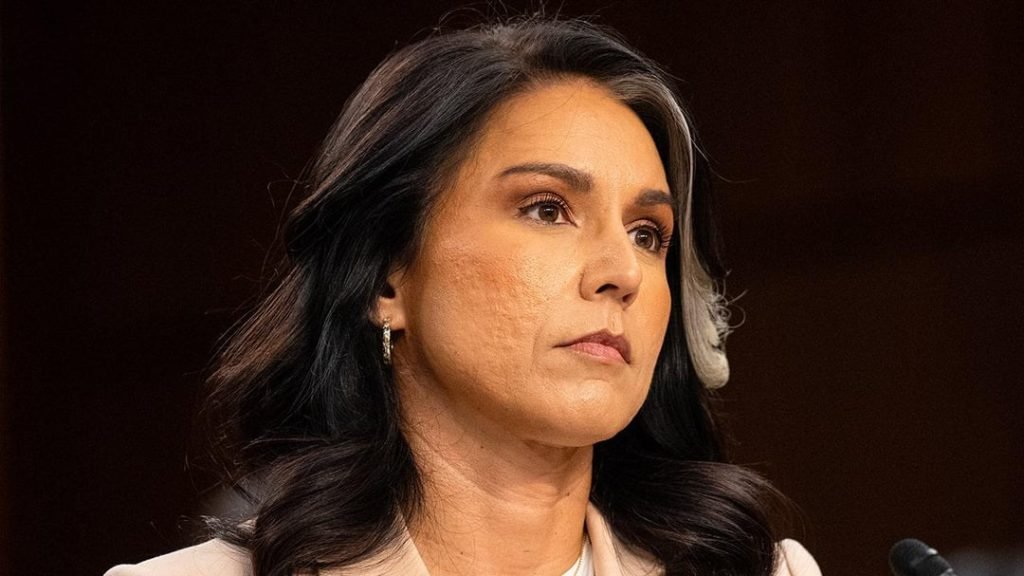
Are you curious about the connection between Tulsi Gabbard and acne scars? You’re not alone.
The internet is buzzing with questions, and you’re probably wondering if there’s more to the story. Acne scars can impact anyone’s confidence, and Tulsi Gabbard’s name surfacing in this context might have piqued your interest. Whether you’re dealing with acne scars yourself, or just intrigued by the buzz, you’re in the right place.
Stick around to uncover surprising insights and perhaps find inspiration for your own skincare journey. Let’s dive deeper into the fascinating intersection of public figures and personal skincare challenges.
Causes Of Acne Scars
Acne scars form due to damage beneath the skin’s surface. These scars appear after acne heals. Understanding how acne causes scars helps in managing and preventing them. Skin injury and inflammation play key roles in scar formation.
How Acne Leads To Scarring
Acne clogs pores with oil, dead skin, and bacteria. This causes inflammation and swelling in the skin. The body tries to heal the inflamed area. Sometimes, this healing process breaks down collagen. Collagen loss or excess creates scars. Picking or squeezing acne worsens skin damage. This increases the chance of scars forming.
Types Of Acne Scars
Acne scars come in different shapes and depths. Each type has a unique look and texture.
- Atrophic scars:These are sunken or depressed scars. They happen due to collagen loss.
- Hypertrophic scars:Raised scars caused by too much collagen. They appear thick and bumpy.
- Ice pick scars:Deep, narrow scars that look like small holes.
- Boxcar scars:Broad, rectangular depressions with sharp edges.
- Rolling scars:Wide depressions with sloping edges, causing an uneven skin surface.

Credit: www.youtube.com
Tulsi Gabbard’s Skin Journey
Tulsi Gabbard’s skin journey offers a relatable and inspiring look into managing acne scars with patience and care. She has openly shared her experiences, making her story not just about appearance but about confidence and self-acceptance. Understanding her approach can provide practical insights for anyone facing similar skin challenges.
Her Experience With Acne Scars
Tulsi Gabbard has candidly discussed dealing with acne scars during her younger years. These scars were a visible reminder of the struggles she faced with skin issues, impacting her confidence at times.
Rather than hiding or ignoring them, she chose to face the problem head-on. This mindset shift helped her embrace her natural skin while seeking solutions that worked for her. It shows how accepting your skin’s current state is a powerful first step.
Public Statements And Tips
Tulsi has emphasized the importance of a consistent skincare routine tailored to individual needs. She advises focusing on gentle cleansing, moisturizing, and sun protection to prevent scars from worsening.
- Use non-comedogenic products that don’t clog pores.
- Incorporate products with ingredients like vitamin C or niacinamide to help lighten scars.
- Consult a dermatologist before trying aggressive treatments.
Her advice encourages patience and persistence. Do you give your skin enough time to heal and respond to treatments before switching products? Tulsi’s experience reminds us that quick fixes rarely lead to lasting results.
Home Remedies For Acne Scars
Dealing with acne scars can feel frustrating, especially when you want clear skin without expensive treatments. Luckily, some home remedies use simple ingredients you might already have. These natural solutions can support your skin’s healing process and reduce scar visibility over time.
Natural Ingredients That Help
Certain natural ingredients contain properties that calm inflammation and promote skin repair. Aloe vera, for example, soothes irritated skin and encourages new cell growth. Applying fresh aloe gel regularly can soften scars and improve skin texture.
Honey works as a natural moisturizer and has antibacterial effects. Using raw honey on your scars may reduce redness and help your skin heal faster. Additionally, lemon juice acts as a gentle exfoliant and brightener, but be cautious if you have sensitive skin, as it can cause irritation.
Have you ever tried green tea extract on your skin? It contains antioxidants that protect and repair damaged cells, which may aid in fading scars. Incorporating these ingredients into your routine can make a noticeable difference without harsh chemicals.
Diy Treatments To Try
You can create simple treatments at home using these natural ingredients. A popular mix is honey and cinnamon paste—apply it gently on scars to help reduce inflammation and bacteria. Leave it on for 10-15 minutes before rinsing off with warm water.
Another option is an oatmeal scrub combined with yogurt. This mild exfoliant removes dead skin cells and nourishes your skin. Use gentle circular motions, then rinse to reveal smoother skin underneath.
For a hydrating mask, blend mashed avocado with a few drops of lemon juice. Avocado’s healthy fats help repair skin, while lemon lightens dark spots. Applying this mask twice a week can gradually improve scar appearance.
Would you consider dedicating a few minutes daily to these treatments if it meant clearer skin? Small, consistent efforts at home often lead to better results than sporadic, intense treatments.
Professional Treatments
Professional treatments for acne scars can offer noticeable improvements, especially when home remedies fall short. These options target scars deeply and promote skin healing on a level that creams and serums often can’t achieve. If you’ve been struggling with persistent acne marks, understanding these treatments can help you decide the best path forward for your skin.
Laser Therapy Options
Laser therapy uses focused light to resurface the skin and stimulate collagen production. Different types of lasers, like fractional and CO2 lasers, cater to various scar depths and skin types. Many people report smoother skin texture and reduced scar visibility after a few sessions.
Consider how much downtime you can manage—some laser treatments require a few days of healing, while others have minimal recovery. If you want a treatment backed by strong clinical results, laser therapy might be your answer.
Chemical Peels And Microneedling
Chemical peels remove the top layer of dead skin cells, revealing fresher skin beneath. Microneedling creates tiny punctures in the skin to trigger natural healing and collagen growth. Both methods improve skin texture and can be customized for mild to moderate scars.
These treatments often come with less recovery time than laser therapy, making them appealing for busy schedules. Have you thought about combining these therapies for enhanced results? Many dermatologists recommend pairing microneedling with peels to boost effectiveness.
Dermal Fillers And Injections
Dermal fillers are injected to lift depressed scars, making skin appear smoother immediately. These treatments are especially useful for rolling and boxcar scars. Results can be seen almost instantly, but fillers may need to be repeated every few months.
Injections of substances like corticosteroids can also reduce raised scars or inflammation. If you want a quick fix with minimal discomfort, fillers and injections might fit your needs. How does the idea of seeing immediate changes in your skin appeal to you?
Skincare Routine For Scar Healing
Healing acne scars requires more than just hoping they fade away. Your skincare routine plays a crucial role in speeding up the recovery process and improving the texture of your skin. A focused approach that balances cleansing, exfoliation, moisturizing, and sun protection can make a noticeable difference in how your scars look over time.
Cleansing And Exfoliating
Start with a gentle cleanser that removes dirt without stripping your skin’s natural oils. Over-cleansing or using harsh products can irritate your skin and worsen scars.
Exfoliation helps remove dead skin cells and promotes new cell growth, but you need to be careful. Choose mild chemical exfoliants like glycolic or salicylic acid instead of abrasive scrubs to avoid further damage.
Ask yourself: How often should you exfoliate? Twice a week is usually enough to keep your skin smooth without causing irritation.
Moisturizing And Sun Protection
Keeping your skin hydrated is key to scar healing. Use a moisturizer with ingredients like hyaluronic acid or ceramides to lock in moisture and support skin repair.
Sun exposure can darken scars and slow healing, so applying a broad-spectrum sunscreen every day is non-negotiable. Look for SPF 30 or higher and reapply if you’re outdoors for extended periods.
Think about your daily routine—are you protecting your skin even on cloudy days? Consistency here can prevent scars from becoming more noticeable.
Lifestyle Changes For Better Skin
Improving skin health requires more than topical treatments. Lifestyle changes play a big role in healing acne scars. A balanced approach helps the skin repair and glow naturally. Adopting healthy habits supports overall skin wellness and reduces future breakouts.
Diet And Hydration Tips
Eating fresh fruits and vegetables supplies essential vitamins. These nutrients support skin repair and reduce inflammation. Avoid processed foods high in sugar and unhealthy fats. They can worsen acne and slow healing.
- Drink plenty of water to keep skin hydrated.
- Include foods rich in antioxidants, like berries and leafy greens.
- Consume omega-3 fatty acids found in fish and nuts.
- Limit dairy intake if it triggers your acne.
Proper nutrition and hydration create a strong foundation for healthy skin.
Stress Management Techniques
Stress can increase hormone levels that cause acne flare-ups. Managing stress supports clearer skin and faster scar healing. Simple techniques can calm the mind and body daily.
- Practice deep breathing exercises or meditation for relaxation.
- Engage in regular physical activity to reduce stress hormones.
- Maintain a consistent sleep schedule for skin regeneration.
- Spend time outdoors in natural light to boost mood.
Reducing stress helps balance hormones and improves skin texture.
Preventing Future Acne Scars
Preventing future acne scars is key to maintaining clear and healthy skin. Once scars form, they can be challenging to treat and may affect your confidence. Taking proactive steps early can make a significant difference in how your skin heals and looks over time.
Early Acne Treatment
Addressing acne as soon as it appears can greatly reduce the chance of scars forming. You want to treat pimples before they become inflamed or infected. Using gentle cleansers and over-the-counter treatments with ingredients like salicylic acid or benzoyl peroxide can help control breakouts quickly.
Consulting a dermatologist early, especially if acne is persistent, can provide you with tailored solutions. Prescription medications or professional treatments might be necessary to stop acne from worsening. Have you ever noticed how fast treating a pimple prevents it from turning into a painful, lasting mark?
Avoiding Scar Formation Habits
Some habits unknowingly increase the risk of scarring. Picking, squeezing, or scratching acne lesions causes skin damage and pushes bacteria deeper. You might find it tempting, but try to resist this urge for healthier skin.
Protect your skin from excessive sun exposure too. UV rays can darken scars and slow the healing process. Using a non-comedogenic sunscreen daily can shield your skin and support better recovery.
- Keep your hands clean to avoid transferring dirt to your face.
- Change pillowcases regularly to reduce bacteria buildup.
- Use gentle skincare products to avoid irritation.
How often do you check your habits around acne care? Small changes here can prevent scars and keep your skin smooth and clear.

Credit: globalnews.ca

Credit: www.yahoo.com
Frequently Asked Questions
What Caused Tulsi Gabbard’s Acne Scars?
Tulsi Gabbard’s acne scars likely resulted from severe acne during her younger years. Acne scars form when inflamed blemishes damage skin tissue. Factors like hormonal changes and genetics may have contributed to her scars.
How Did Tulsi Gabbard Manage Her Acne Scars?
Tulsi Gabbard focused on skincare routines and professional treatments. She likely used products with ingredients like retinoids and vitamin C. Dermatological procedures such as laser therapy or chemical peels might have helped reduce scar visibility.
Can Tulsi Gabbard’s Acne Scars Be Fully Removed?
Complete removal of acne scars is challenging but improvements are possible. Treatments like microneedling and laser therapy significantly reduce scars. Maintaining healthy skin habits also supports better skin texture and appearance.
Does Tulsi Gabbard’s Experience Inspire Acne Scar Sufferers?
Yes, Tulsi Gabbard’s openness about her scars encourages others. Her journey shows that scars do not define beauty or success. It inspires confidence and promotes seeking effective skincare solutions.
Conclusion
Tulsi Gabbard’s experience shows acne scars do not define us. Healing takes time and patience. Many treatments can help reduce scars and boost confidence. Everyone’s skin is different, so find what works best. Taking care of your skin daily is important.
Remember, true beauty comes from within. Stay positive and keep trying. Your skin’s journey is your own. Embrace the process and celebrate small progress.
