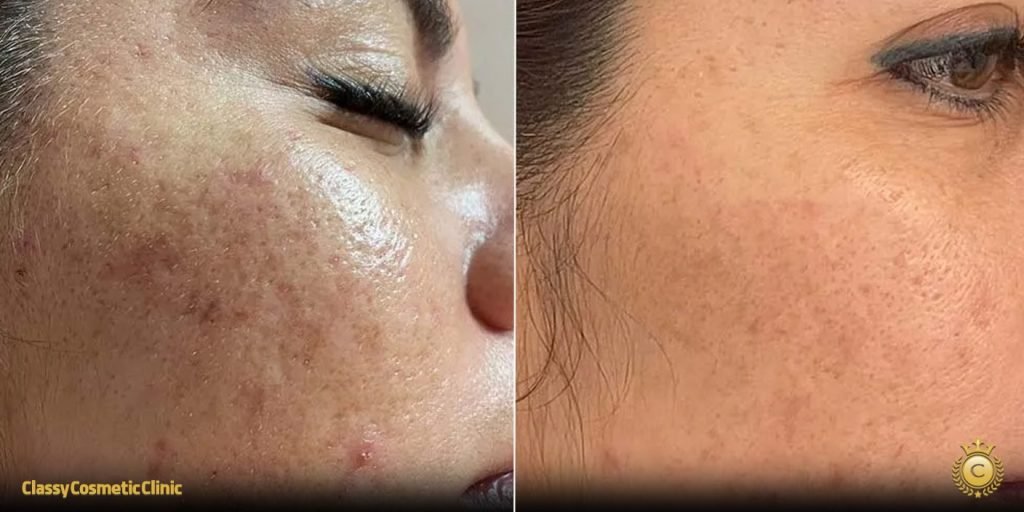
Imagine looking in the mirror and seeing smoother, clearer skin where stubborn acne scars once were. If you’re tired of covering up those scars and longing for a natural glow, microneedling with PRP might be your answer.
This revolutionary skincare treatment combines tiny needles with the healing power of your own blood to rejuvenate your skin. But what exactly is microneedling with PRP, and how can it transform your skin? In this blog post, we’ll dive into how this innovative treatment works, its benefits, and what you can expect.
Ready to discover the secret to clearer, scar-free skin? Keep reading to learn more about microneedling with PRP for acne scars and how it could be the solution you’ve been searching for.
What Is Microneedling Prp?
Microneedling PRP is a popular treatment for acne scars. It uses tiny needles and your body’s own healing power. This combination helps improve skin texture and reduce scars effectively.
Microneedling Basics
Microneedling uses small needles to create tiny holes in the skin. These micro-injuries trigger the skin’s natural repair process. The skin produces more collagen and elastin. These proteins help make skin smoother and firmer. The treatment is minimally invasive and safe for most skin types.
Role Of Prp In Skin Healing
PRP stands for Platelet-Rich Plasma. It is made from your own blood. The plasma contains platelets that release growth factors. These growth factors speed up skin healing and tissue regeneration. PRP also helps reduce inflammation and improve skin tone.
Combining Microneedling With Prp
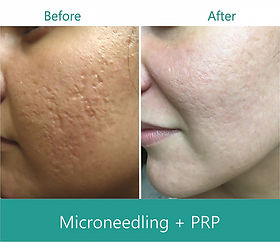
Microneedling creates channels in the skin. PRP is applied right after microneedling. The plasma penetrates deeper through these channels. This boosts collagen production and speeds healing. Combining both treatments gives better results than microneedling alone. It enhances skin texture and reduces acne scars more effectively.
Credit: www.socodermatology.com
How Acne Scars Form
Acne scars form when the skin undergoes damage from inflamed acne lesions. The healing process can leave behind marks or indentations. These marks vary in size, shape, and depth. Understanding how scars develop helps in choosing the right treatment.
Types Of Acne Scars
- Atrophic Scars:These are sunken scars caused by loss of skin tissue.
- Hypertrophic Scars:Raised scars that form due to excess collagen during healing.
- Keloid Scars:Thick, raised scars that extend beyond the original wound.
- Ice Pick Scars:Deep, narrow scars that look like small holes.
- Rolling Scars:Wide, shallow scars with a wave-like appearance.
- Boxcar Scars:Broad, box-shaped depressions with sharp edges.
Skin Damage From Acne
Acne causes inflammation and breaks the skin’s surface. This damages collagen and elastin fibers. The skin tries to repair itself but may produce uneven tissue. Scar tissue forms to close the wound, leading to visible marks. The severity of scarring depends on acne type and skin healing ability.
Benefits Of Microneedling Prp For Acne Scars
Microneedling PRP offers clear benefits for treating acne scars. This therapy combines tiny needles and platelet-rich plasma to boost skin healing. It helps skin look smoother and fresher over time. The process supports the skin’s natural repair and renewal.
Stimulating Collagen Production
Microneedling creates small wounds that trigger collagen growth. Collagen is a key protein that keeps skin firm and elastic. PRP enhances this effect by using growth factors from your blood. This combination speeds up the skin’s natural healing process.
Improving Skin Texture
The treatment smooths rough and uneven skin caused by scars. Tiny needle punctures encourage skin cells to regenerate. PRP nourishes new cells, helping skin become soft and healthy. Regular sessions can make skin look more even and fresh.
Reducing Scar Appearance
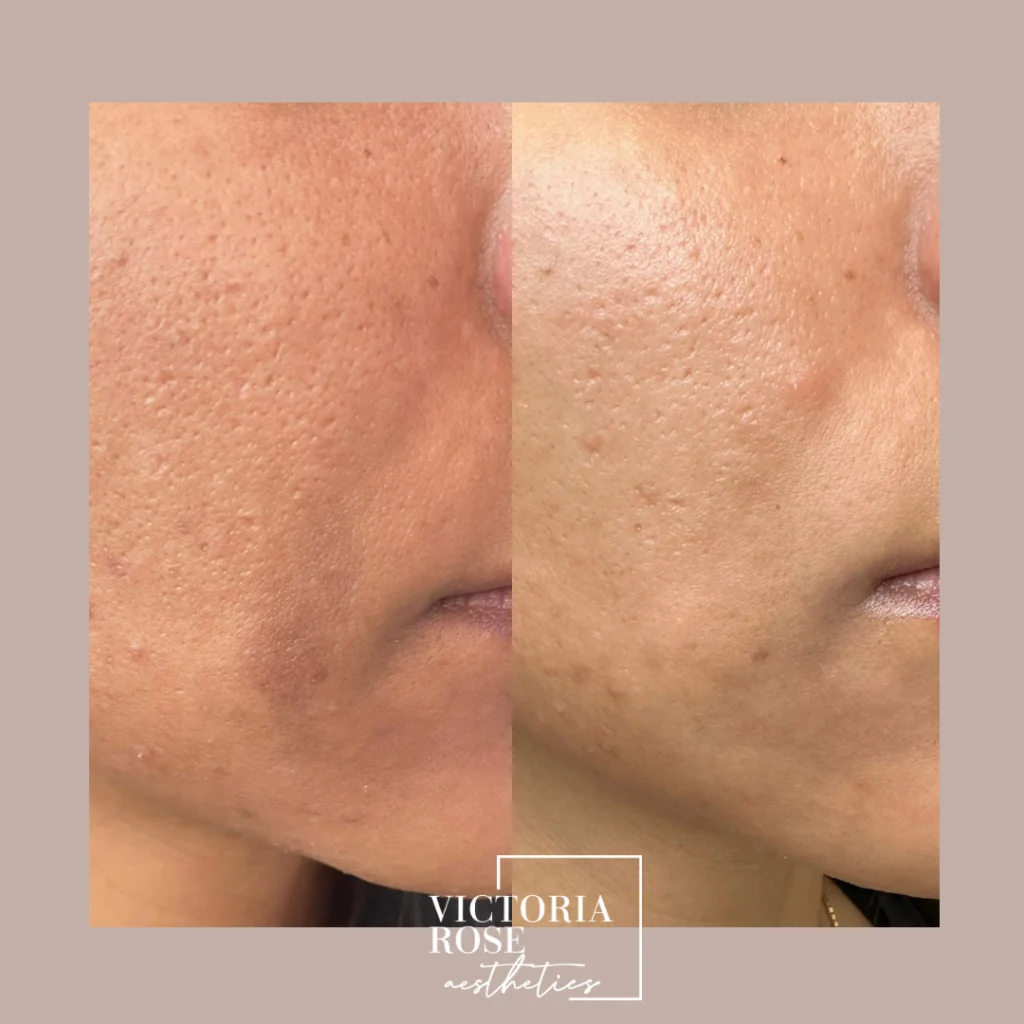
Microneedling PRP helps fade deep and raised acne scars. It breaks down old scar tissue and encourages new skin growth. Over time, scars become less visible and skin tone improves. This method works well for many scar types and skin colors.
Credit: victoriaroseaesthetics.ca
The Procedure Step-by-step
Understanding the step-by-step procedure of Microneedling PRP for acne scars helps you feel more confident and prepared. Each phase plays a crucial role in maximizing the treatment’s effectiveness and safety. Let’s break down what happens from start to finish so you know exactly what to expect.
Preparing The Skin
Your skin needs to be clean and ready to absorb the treatment. First, the specialist will thoroughly cleanse your face to remove dirt, oil, and makeup. This step reduces the risk of infection and ensures the microneedling works properly.
Next, a numbing cream is applied to minimize discomfort during the procedure. You might feel a slight tingling sensation, but the cream makes the process much more comfortable. This preparation usually takes about 20 to 30 minutes.
Microneedling Process
The microneedling device, equipped with tiny needles, creates controlled micro-injuries on your skin. These small punctures stimulate your body’s natural healing response. You may feel a light pricking sensation, but most people find it tolerable.
The provider carefully glides the device over the treatment areas, focusing on acne scars. This part typically lasts 15 to 20 minutes, depending on the size of the area. Have you ever wondered how tiny holes can trigger such powerful skin renewal? That’s the magic of your body’s healing mechanisms at work.
Applying Prp
After microneedling, Platelet-Rich Plasma (PRP) is applied to your skin. PRP is made by drawing a small amount of your blood and spinning it in a centrifuge to concentrate the platelets. These platelets are rich in growth factors that accelerate healing and collagen production.
The PRP seeps deep into the tiny channels created by the needles, enhancing absorption. This boosts the treatment’s impact on reducing acne scars and improving skin texture. You might notice a slight redness or warmth afterward, but this usually fades quickly.
Expected Results And Timeline
Microneedling with PRP (Platelet-Rich Plasma) offers a promising treatment for acne scars. Understanding the expected results and timeline helps set realistic goals. This section breaks down what to expect during healing, improvements over time, and the need for maintenance sessions.
Initial Healing Phase
The skin usually looks red and swollen after the procedure. This phase lasts about 3 to 7 days. Tiny scabs or flakes may form as the skin repairs itself. Avoid heavy makeup or harsh skincare products during this time. Most people notice mild discomfort but it eases quickly.
Long-term Improvements
Collagen production increases gradually over the next few weeks. Skin texture becomes smoother and scars start to fade. Improvement continues up to 3 to 6 months after treatment. Results vary based on scar depth and skin type. Regular follow-ups help track progress and adjust care.
Maintenance Sessions
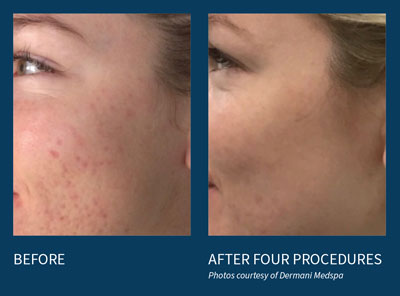
Multiple sessions often provide the best results. Many patients benefit from 3 to 4 treatments spaced 4 to 6 weeks apart. Annual maintenance sessions help keep skin healthy and scars less visible. Consistent care supports lasting improvements and boosts confidence.
Safety And Side Effects
Microneedling with PRP is a popular treatment for acne scars. Safety is a key concern before starting. Knowing possible side effects helps you prepare well. Most reactions are mild and short-lived. Serious problems are rare with proper care.
Common Reactions
- Redness and mild swelling at the treatment site
- Small pinpoint bleeding immediately after the procedure
- Slight bruising or tenderness for a few days
- Dryness or flaking skin during healing
- Temporary sensitivity to sunlight
These effects usually disappear within a week. Avoid scratching or picking the skin to prevent infection.
When To Avoid Treatment
- Active skin infections or open wounds
- Severe acne flare-ups or cystic acne
- Blood clotting disorders or use of blood thinners
- Pregnancy or breastfeeding
- History of keloid scars or poor wound healing
- Recent use of certain acne medications like isotretinoin
Consult a doctor before treatment if any of these apply. Proper screening reduces risks and ensures better results.
Choosing The Right Clinic And Specialist
Choosing the right clinic and specialist for microneedling PRP acne scars affects your results and safety. Quality care ensures better healing and visible improvements. Clinics vary in experience, equipment, and treatment techniques. Selecting a skilled specialist reduces risks and boosts confidence in your skin journey.
Qualifications To Look For
- Board certification in dermatology or plastic surgery
- Training in microneedling and PRP procedures
- Experience treating acne scars specifically
- Positive patient reviews and before-after photos
- Use of sterile, modern equipment
These qualifications indicate a specialist who understands skin structure and healing. Proper knowledge helps avoid complications and improves results. Check the clinic’s hygiene standards and technology used for PRP preparation and microneedling devices.
Questions To Ask Before Treatment
- How many microneedling PRP treatments have you performed?
- What results can I realistically expect?
- Are there any risks or side effects I should know?
- What is the treatment and recovery process like?
- Do you customize the treatment for my skin type?
- Can I see before and after photos of your patients?
Asking these questions helps set clear expectations. It also confirms the specialist’s expertise and approach. A trustworthy clinic will answer openly and provide detailed information.
Comparing Microneedling Prp To Other Treatments
Microneedling PRP is one of many options to treat acne scars. Each treatment offers unique benefits and suits different skin types and needs. Comparing these options helps in choosing the best one.
Laser Therapy
Laser therapy uses focused light to remove damaged skin layers. It stimulates new skin growth and collagen production. It can be strong and may cause redness or swelling. Recovery can take several days to weeks. Laser therapy suits deeper scars but might not be ideal for sensitive skin.
Chemical Peels
Chemical peels use acids to peel away the top skin layer. They reveal smoother skin underneath and reduce scar visibility. Peels vary in strength from mild to deep. Mild peels require little downtime, while deep peels need more recovery. Chemical peels work well on surface scars but may not affect deeper scars much.
Dermal Fillers
Dermal fillers are injected under the skin to raise depressed scars. They provide immediate volume and smooth the skin’s surface. Fillers are a quick fix but are temporary and need repeat treatments. They do not improve skin texture or stimulate collagen. Fillers suit patients wanting fast results without downtime.
Credit: www.birchpainandspinegroup.com
Frequently Asked Questions
What Is Microneedling Prp For Acne Scars?
Microneedling PRP uses tiny needles to create micro-injuries on the skin. PRP, rich in growth factors, is applied to boost healing and collagen. This combination helps reduce acne scars, smooth skin texture, and promote natural skin regeneration effectively.
How Effective Is Microneedling Prp On Acne Scars?
Microneedling PRP significantly improves acne scars by stimulating collagen production. Results vary but many see noticeable scar reduction after 3-6 sessions. It’s a safe, minimally invasive treatment with long-lasting effects when combined with proper skin care.
Is Microneedling Prp Safe For All Skin Types?
Yes, microneedling PRP is generally safe for all skin types. It uses your own plasma, reducing allergy risk. However, a skin evaluation is necessary to ensure suitability, especially for sensitive or acne-prone skin.
How Many Sessions Are Needed For Visible Results?
Typically, 3 to 6 sessions spaced 4 to 6 weeks apart show visible results. Improvement continues for months as collagen rebuilds. Follow-up treatments can maintain and enhance scar reduction over time.
Conclusion
Microneedling with PRP helps reduce acne scars effectively. It stimulates skin healing and boosts collagen production. Many people see smoother and clearer skin after treatments. The process is safe and minimally invasive. Consistent sessions bring the best results over time.
Always consult a skincare professional before starting treatment. Clearer skin is possible with patience and care. This method offers hope for those struggling with acne scars.
