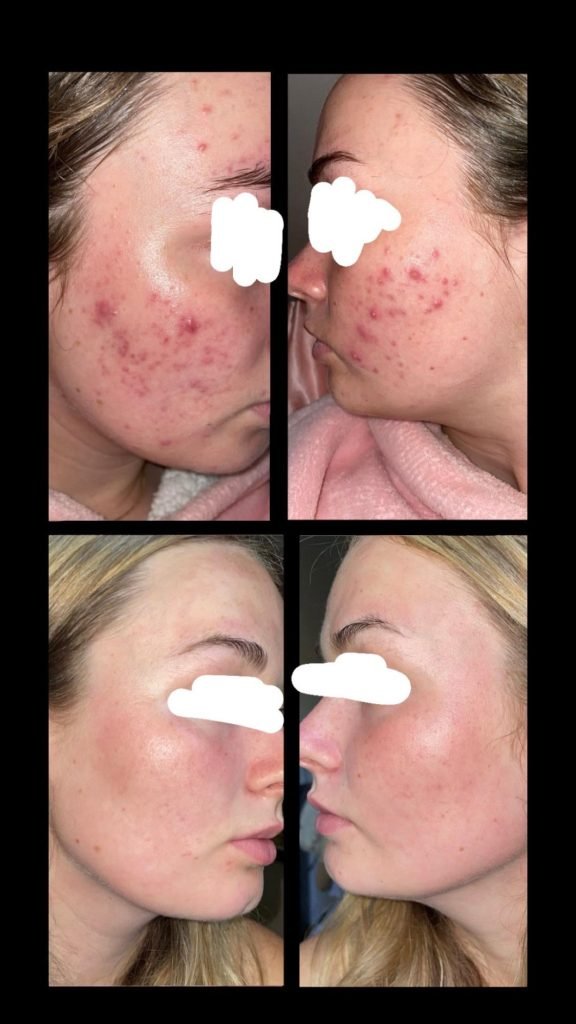
Are you tired of dealing with stubborn acne scars that just won’t fade away? You’re not alone.
Many people struggle with the lingering marks left behind by acne, and it can be frustrating trying product after product with little to no results. But what if there was a solution that could help transform your skin and restore your confidence?
Enter tretinoin cream, a powerful tool in the fight against acne scars. This remarkable cream has been making waves for its ability to clear up those pesky marks, leaving your skin looking smoother and more radiant. Imagine waking up to a complexion you love, free from the shadows of past breakouts. Intrigued? Stick around as we delve into how tretinoin cream works its magic and how it could be the game-changer your skincare routine desperately needs.
Credit: www.barchart.com
How Tretinoin Works
Tretinoin cream works deeply to clear acne scars by improving skin health. It acts on multiple levels to renew the skin and reduce scar visibility. Understanding how tretinoin functions helps explain its effectiveness against acne scars.
Boosting Skin Cell Turnover
Tretinoin speeds up the shedding of old skin cells. This process reveals fresh, new skin underneath. Faster cell turnover helps fade dark spots and smooth rough skin. It prevents pores from clogging, reducing new acne formation.
Reducing Inflammation
Inflammation makes scars red and swollen. Tretinoin calms this inflammation in the skin. Lower inflammation helps scars heal faster and look less noticeable. It also reduces redness and irritation associated with acne scars.
Stimulating Collagen Production
Collagen is a protein that gives skin strength and elasticity. Tretinoin encourages the skin to produce more collagen. New collagen fills in depressed scars and improves skin texture. This makes scars softer and less visible over time.
Types Of Acne Scars Treated
Understanding the types of acne scars that tretinoin cream can treat helps you set realistic expectations and choose the right approach for your skin. Not all scars respond the same way, so knowing the difference is key to seeing improvement. Let’s break down the common types of acne scars tretinoin can effectively address.
Atrophic Scars
Atrophic scars appear as small indentations or depressions on your skin. They form when the skin loses collagen during the healing process after acne. Tretinoin cream works by encouraging collagen production, which helps fill in these depressed scars over time.
If you’ve noticed shallow pits or rolling scars, tretinoin can smooth these areas gradually. Consistent use is essential, as results develop slowly but steadily. Have you tracked changes in your skin texture after starting tretinoin?
Hypertrophic Scars
Hypertrophic scars are raised, thickened areas caused by excess collagen buildup. These scars can be red or darker than your natural skin tone. While tretinoin is less effective on raised scars than on atrophic ones, it can still help by improving skin cell turnover and softening scar tissue.
Combining tretinoin with other treatments might be necessary for better results here. Are you open to pairing treatments if you have stubborn raised scars?
Post-inflammatory Hyperpigmentation
This type of acne scar isn’t a scar in the traditional sense but a dark spot left behind after acne heals. Tretinoin speeds up skin renewal, which can lighten these dark marks and even out your skin tone. It’s often the first step in fading discoloration caused by acne.
If dark spots bother you, tretinoin might be your best ally. Have you noticed your complexion becoming brighter with regular use?
Applying Tretinoin Cream Correctly
Applying tretinoin cream correctly boosts its power to clear acne scars. Proper use helps skin heal faster and reduces irritation. Knowing how to choose and use tretinoin improves results and keeps skin safe.
Choosing The Right Concentration
Tretinoin creams come in several strengths. Common concentrations are 0.025%, 0.05%, and 0.1%. Start with a lower strength if your skin is sensitive. A doctor can help select the best concentration for your skin type and scar severity. Using too strong a cream can cause redness and peeling.
Step-by-step Application Guide
- Clean your face gently with a mild cleanser and pat dry.
- Wait 20 to 30 minutes to ensure skin is dry before applying.
- Take a pea-sized amount of tretinoin cream.
- Apply a thin layer evenly over acne scars and affected areas.
- Avoid the eyes, lips, and nostrils to prevent irritation.
- Use tretinoin once daily, preferably at night.
- Follow with a moisturizer to reduce dryness.
Avoiding Common Mistakes
- Do not apply tretinoin on wet skin; it increases irritation.
- Avoid using other harsh skincare products with tretinoin.
- Skip using tretinoin more than once a day to prevent damage.
- Wear sunscreen daily; tretinoin makes skin sensitive to sun.
- Do not pick or scratch peeling skin to avoid scars.
Expected Timeline For Results
Understanding the expected timeline for results when using tretinoin cream can help you stay motivated and patient. Acne scars don’t vanish overnight, but with consistent use, you can see significant changes. Knowing what to expect at different stages will guide you on when to celebrate small wins and when to adjust your routine.
Initial Skin Reactions
During the first few weeks, your skin may react with redness, dryness, or mild peeling. These reactions can feel uncomfortable, but they are signs that tretinoin is working to renew your skin. Don’t be discouraged if your scars seem more noticeable at this stage—your skin is shedding old layers.
To manage these effects, try using a gentle moisturizer and avoid harsh cleansers. Have you noticed your skin feeling more sensitive or tight after applying tretinoin? This is normal and usually improves as your skin builds tolerance.
Visible Improvements
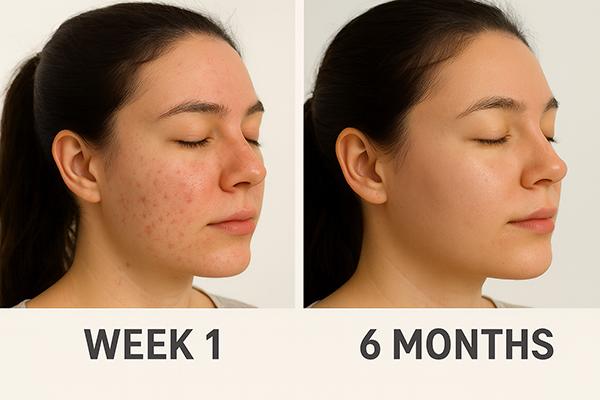
After about 6 to 8 weeks, subtle improvements in skin texture and tone begin to appear. Acne scars may start to look less deep, and your overall complexion becomes smoother. This period requires patience because changes are gradual but steady.
Keep track of your progress with photos every two weeks. Seeing even minor improvements can boost your commitment. Are you consistent with your application? Skipping days can delay the results you want.
Long-term Benefits
With continuous use beyond 3 months, tretinoin can dramatically fade acne scars and promote new collagen production. Your skin becomes more resilient, and scars often soften or become less visible. The long-term payoff is well worth the initial discomfort.
Remember, tretinoin isn’t a quick fix—it’s a tool for lasting skin health. How will you maintain your skin once you achieve your goals? Consider integrating sunscreen and hydration to protect your renewed skin.
Managing Side Effects
Using tretinoin cream can improve acne scars, but it may cause side effects. Managing these effects helps keep your skin healthy and comfortable. Understanding common reactions and how to handle them makes the treatment easier.
Dryness And Peeling
Tretinoin often causes dryness and peeling at the start. Your skin may feel tight and rough. Use a gentle moisturizer to reduce dryness. Avoid harsh soaps and hot water, which can worsen peeling.
Applying moisturizer after tretinoin helps soothe the skin. Choose fragrance-free, non-comedogenic products. This routine keeps your skin balanced and less irritated.
Redness And Sensitivity
Redness and sensitivity are common in the early weeks. Your skin becomes more delicate and may sting or burn. Limit sun exposure and always wear sunscreen. This protects sensitive skin from damage.
Reduce tretinoin use to every other night if redness is severe. Gradually increase frequency as your skin adjusts. This approach lessens irritation while maintaining benefits.
When To Consult A Dermatologist
Seek medical advice if side effects worsen or persist beyond a few weeks. Severe redness, swelling, or pain requires professional care. A dermatologist can adjust your treatment plan safely.
Consult your doctor if you develop signs of an allergic reaction. Early action prevents complications and ensures proper skin healing.

Credit: www.reddit.com
Complementary Skincare Tips
Using tretinoin cream to clear up acne scars is a powerful step, but pairing it with the right skincare habits can make a significant difference. How you care for your skin alongside tretinoin determines how well it heals and stays healthy. These complementary tips help protect your progress and keep your skin calm and nourished.
Sun Protection Strategies
Tretinoin makes your skin more sensitive to the sun, increasing the risk of sunburn and irritation. Wearing a broad-spectrum sunscreen with at least SPF 30 every day is essential, even on cloudy days or if you stay mostly indoors. Consider hats and sunglasses as additional shields against UV rays.
Have you noticed your skin reacts badly to sun exposure after starting tretinoin? That’s a sign you need to be extra diligent with protection. Reapply sunscreen every two hours if you’re outside, and seek shade when the sun is strongest, usually between 10 a.m. and 4 p.m.
Moisturizing For Sensitive Skin
Tretinoin can dry out your skin, making it flaky and uncomfortable. Using a gentle, fragrance-free moisturizer helps reduce dryness and supports your skin’s barrier. Apply moisturizer right after washing your face to lock in moisture and soothe any irritation.
Look for ingredients like ceramides, hyaluronic acid, or glycerin, which hydrate without clogging pores. If your skin feels too sensitive, try applying moisturizer before tretinoin to create a buffer. Have you tried adjusting your moisturizer timing? It can change your comfort level dramatically.
Avoiding Irritants
While your skin adjusts to tretinoin, avoid harsh scrubs, exfoliants, and alcohol-based toners. These can worsen irritation and delay healing. Stick to mild cleansers and skincare products designed for sensitive skin.
Think about your current routine—are there products that cause stinging or redness? Cutting out those irritants can speed up your recovery and improve your results. Your skin will thank you for choosing gentle care over aggressive treatments during this phase.
Comparing Tretinoin With Other Treatments
Tretinoin cream is a popular choice for treating acne scars. It helps by speeding up skin renewal and boosting collagen. Many treatments exist, each with unique benefits and drawbacks. Comparing tretinoin with other options helps find the best fit for your skin needs.
Chemical Peels
Chemical peels use acids to remove the top skin layer. This process reveals smoother skin underneath. They can reduce scars but may cause redness or peeling. Peels vary in strength, from mild to deep. Recovery time depends on the peel depth. Unlike tretinoin, peels work faster but may irritate sensitive skin.
Laser Therapy
Laser therapy targets deeper skin layers to boost collagen. It can improve texture and reduce scar visibility. Sessions usually need professional settings and a few repeats. Laser can cause swelling and redness after treatment. Costs are higher compared to tretinoin creams. It suits people wanting quicker, more dramatic results.
Microneedling
Microneedling uses tiny needles to create skin micro-injuries. This triggers natural healing and collagen growth. It helps smooth scars and improve skin tone. Treatments require multiple sessions for best effects. Side effects are mild, like temporary redness. Microneedling is less harsh than lasers but more involved than daily creams.

Credit: www.reddit.com
Real User Experiences
Real user experiences provide valuable insight into the effectiveness of tretinoin cream for acne scars. Many people share their journeys, showing both the benefits and challenges of this treatment. These stories help others understand what to expect and how to use the cream safely.
Success Stories
- Users report visible lightening of acne scars after consistent use.
- Many notice smoother skin texture and reduced redness.
- Some share photos showing clear progress within a few months.
- Regular application helped fade deep, stubborn scars over time.
- Positive changes boost confidence and encourage continued use.
Common Challenges
- Initial skin irritation such as redness and peeling is frequent.
- Some users experience dryness and sensitivity to sunlight.
- Results take weeks to months, requiring patience.
- Incorrect usage can cause worsened irritation or breakouts.
- Stopping treatment early often leads to faded improvements.
Expert Recommendations
- Start with a lower concentration to reduce irritation risk.
- Apply moisturizer to soothe dry skin after tretinoin use.
- Use sunscreen daily to protect sensitive skin.
- Consult a dermatologist before starting tretinoin cream.
- Follow instructions carefully and avoid overuse for best results.
Frequently Asked Questions
How Does Tretinoin Cream Clear Acne Scars?
Tretinoin cream promotes skin cell turnover and collagen production. This helps fade acne scars by repairing damaged skin layers. Regular use smooths texture and reduces discoloration effectively.
How Long Does Tretinoin Take To Improve Scars?
Tretinoin typically shows visible scar improvement within 8 to 12 weeks. Consistent application is key for best results. Patience and proper skincare enhance effectiveness.
Can Tretinoin Cream Cause Side Effects?
Yes, tretinoin may cause dryness, redness, and peeling initially. These effects usually subside with continued use. Applying moisturizer and sunscreen helps minimize irritation.
Is Tretinoin Safe For All Skin Types?
Tretinoin is generally safe but may irritate sensitive skin. Consulting a dermatologist before use is recommended. They can tailor treatment to your skin type and condition.
Conclusion
Tretinoin cream can help reduce acne scars effectively. Many users see smoother, clearer skin after consistent use. It works by speeding up skin renewal and fading marks. Patience matters; results take weeks to appear. Always follow the instructions and protect your skin from the sun.
Clearer skin is possible with care and time. Give tretinoin a chance to improve your skin’s look. Small steps can lead to big changes in your skin health.
