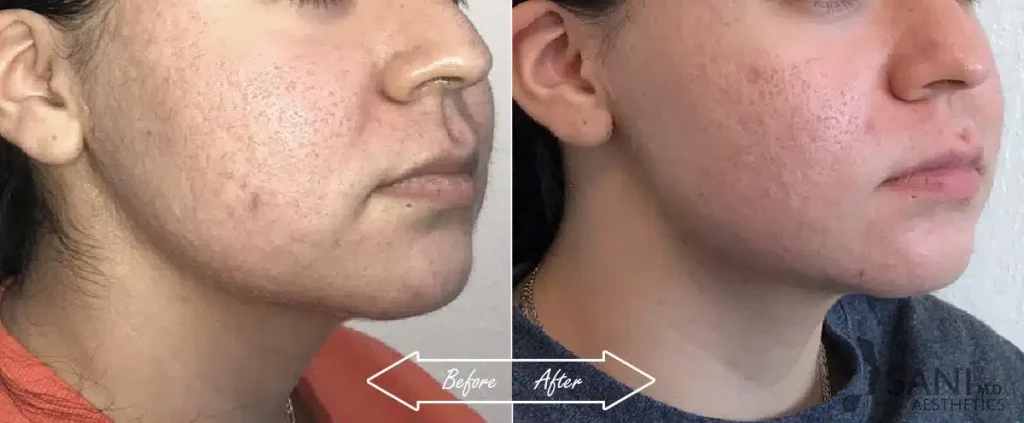
Are you tired of seeing those stubborn acne scars every time you look in the mirror? Do they make you feel less confident, even when you try to hide them under layers of makeup?
You’re not alone. Acne scars can be a frustrating reminder of past skin battles, lingering long after the acne itself has disappeared. But what if there was a way to smooth out those scars and regain your confidence? Facials designed specifically for acne scars might just be the answer you’ve been searching for.
We’ll explore how these targeted facials can help transform your skin, giving you a clearer, more radiant complexion. Keep reading to discover the secrets to achieving the skin you’ve always dreamed of.
Causes Of Acne Scars
Acne scars form when the skin repairs itself after acne lesions heal. The healing process can sometimes cause changes in skin texture and color. These changes leave marks that vary in size, depth, and shape. Understanding the causes of acne scars helps in choosing the right facial treatments to reduce their appearance.
Types Of Acne Scars
- Atrophic Scars:These are sunken or depressed scars caused by loss of skin tissue.
- Hypertrophic Scars:Raised scars formed from excess collagen during healing.
- Keloid Scars:Thick, raised scars that grow beyond the original wound area.
- Ice Pick Scars:Deep, narrow scars that look like small holes.
- Boxcar Scars:Broad, rectangular scars with sharp edges.
- Rolling Scars:Wide, shallow scars with a wave-like appearance.
Factors Affecting Scar Formation
- Severity of Acne:Deeper or inflamed acne causes more damage to skin layers.
- Skin Type:Some skin types heal differently and may scar easily.
- Delay in Treatment:Not treating acne early can lead to worse scars.
- Picking or Squeezing:Touching acne wounds can increase scar risk.
- Genetics:Family history plays a role in scar formation.
- Infection:Infected acne lesions can worsen skin damage.

Credit: www.classycosmeticclinic.com
How Facials Help Acne Scars
Facials can play a significant role in improving the appearance of acne scars. They target the skin’s texture and tone, helping you achieve a smoother and clearer complexion. Understanding how facials work on acne scars can help you choose the right treatment and set realistic expectations for your skin’s healing process.
Stimulating Collagen Production
Collagen is the protein that gives your skin strength and elasticity. Facials often include techniques like gentle massage, microdermabrasion, or light therapy that encourage your skin to produce more collagen.
Increased collagen helps fill in depressed acne scars, making them less noticeable over time. Have you noticed how your skin looks plumper and more youthful after a facial? That’s collagen at work, repairing and renewing your skin.
Exfoliating Dead Skin Cells
Removing dead skin cells is crucial for scar healing. Facials use exfoliating agents—like chemical peels or scrubs—that clear away the top damaged layers of skin.
This process reveals fresher skin underneath and allows treatments to penetrate deeper. Think about it: if your skin is clogged with dead cells, how can any product or facial truly reach and repair the scars?
Reducing Inflammation
Inflammation can worsen acne scars by causing redness and swelling. Facials often include soothing ingredients such as aloe vera, chamomile, or green tea extracts that calm irritated skin.
By reducing inflammation, facials help your skin heal faster and prevent scars from becoming more pronounced. What if calming your skin could actually prevent new scars from forming?
Popular Facial Treatments
Acne scars can affect your skin’s texture and confidence. Popular facial treatments help reduce these scars effectively. They work by removing dead skin cells and encouraging new skin growth. Many people choose these treatments for smoother, clearer skin. Each facial type targets scars in a unique way.
Chemical Peels
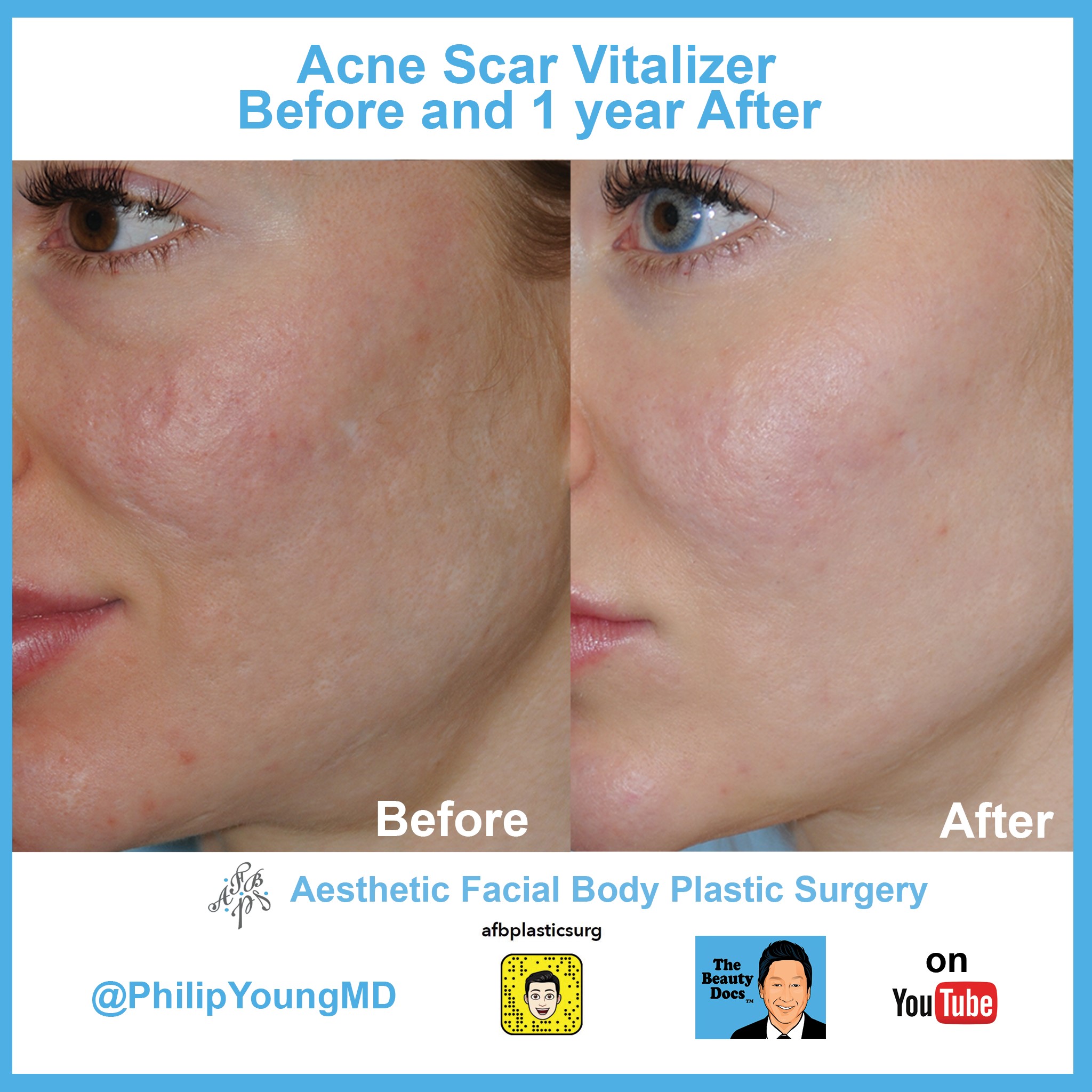
Chemical peels use acids to remove the top skin layer. This process helps fade scars and dark spots. It also boosts collagen production for firmer skin. Different peel strengths suit various skin types and scar severity. Regular sessions improve skin tone and texture noticeably.
Microdermabrasion
Microdermabrasion uses tiny crystals to exfoliate dead skin. It gently resurfaces the skin and reduces scar depth. The treatment increases blood flow, helping skin heal faster. It is painless and requires little downtime. Many find it effective for mild to moderate scars.
Microneedling
Microneedling creates tiny punctures in the skin with fine needles. This triggers natural healing and collagen growth. It improves skin texture and reduces scar appearance. The procedure suits all skin types and needs multiple sessions. Results appear gradually but last longer.
Laser Facials
Laser facials use focused light beams to target scarred skin. The laser removes damaged layers and stimulates new skin. It can treat deep scars and uneven pigmentation. Different laser types offer options for sensitive or tough skin. Recovery time varies but results can be dramatic.
Credit: www.drphilipyoung.com
Choosing The Right Facial
Choosing the right facial for acne scars requires careful thought. Each facial targets skin differently. Picking the best one improves healing and skin texture. Knowing your skin needs helps you avoid irritation and get better results.
Skin Type Considerations
Every skin type reacts differently to treatments. Oily skin may benefit from deep cleansing facials. Dry skin needs hydrating and gentle facials. Sensitive skin requires mild and soothing products. Matching your facial with your skin type prevents damage and supports healing.
Severity Of Scarring
Light scars respond well to exfoliating facials. Moderate scars may need chemical peels or microdermabrasion. Deep scars often require advanced treatments like laser facials. Understanding scar depth guides the choice of facial for best results.
Consulting A Professional
Experts assess your skin condition carefully. They recommend facials based on your skin type and scar severity. Professionals use safe and effective products. Their advice helps avoid mistakes and speeds up skin recovery.
At-home Facial Tips
Taking care of acne scars at home requires gentle and consistent facial routines. At-home facials help improve skin texture and reduce scar visibility. Simple steps can support skin healing without irritation. Focus on cleansing, moisturizing, and protecting your skin daily. Here are some easy tips to follow.
Gentle Exfoliation Methods
Exfoliation removes dead skin cells and smooths the surface. Use mild exfoliants with ingredients like lactic acid or fruit enzymes. Avoid harsh scrubs that can cause redness and damage. Limit exfoliation to once or twice a week. Always follow with a soothing moisturizer to calm the skin.
Hydrating Masks
Hydrating masks help restore moisture and soften the skin. Choose masks with ingredients like aloe vera, honey, or hyaluronic acid. Apply masks 1-2 times per week for best results. Keep the skin hydrated to support healing and reduce scar appearance. Use cool water to rinse and avoid scrubbing.
Sun Protection
Sun exposure can worsen acne scars and cause dark spots. Use a broad-spectrum sunscreen with at least SPF 30 daily. Reapply sunscreen every two hours if outdoors. Wear hats and seek shade to protect your skin further. Sun protection helps prevent scars from becoming more visible.
Expected Results And Timeline
Facials for acne scars offer gradual and visible improvements. The timeline varies based on skin type, scar depth, and facial treatment used. Patience is key as skin renews and heals slowly. Knowing what to expect helps stay motivated through the process.
Number Of Sessions Needed
Most people need multiple facial sessions for noticeable results. Typically, 4 to 8 sessions work best. Sessions usually occur every 2 to 4 weeks. Deeper scars may require extra visits. Consistency enhances the skin’s healing and collagen growth.
Signs Of Improvement
- Smoother skin texture
- Reduced redness and inflammation
- Less visible scar indentations
- Brighter, more even skin tone
Improvements often appear after a few sessions. Early changes include softer skin and less irritation. Scars fade gradually as new skin cells form.
Maintaining Smooth Skin
Follow a gentle skincare routine to protect results. Use sunscreen daily to avoid darkening scars. Hydrate skin with moisturizers suited for acne-prone skin. Avoid picking or squeezing blemishes to prevent new scars. Regular facial maintenance can keep skin healthy and smooth.
Potential Risks And Precautions
Facials designed to reduce acne scars can be very effective, but they come with certain risks you need to know about. Understanding these potential issues helps you make smarter choices and protect your skin. Paying attention to precautions before and after your facial can improve your results and prevent complications.
Possible Side Effects
Even professional facials may cause some side effects, especially if your skin is sensitive. Common reactions include redness, swelling, and mild irritation that usually fade within a few days. However, some people might experience more serious effects like allergic reactions or increased sensitivity to sunlight.
Have you noticed your skin becoming more sensitive after treatments before? This might indicate a reaction that requires a gentler approach next time. It’s important to tell your esthetician about any allergies or skin conditions you have to avoid unexpected problems.
Aftercare Guidelines
How you care for your skin after a facial can make a big difference in how your acne scars heal. Avoid sun exposure and always use a broad-spectrum sunscreen with at least SPF 30 to protect your skin from damage. Skipping this step can cause scars to darken and slow down the healing process.
Keep your skin hydrated with gentle, fragrance-free moisturizers and steer clear of harsh products like retinoids or exfoliants for at least a week. If you follow these simple rules, your skin can recover faster and the results from your facial will last longer.
Credit: drcarniol.com
Frequently Asked Questions
What Are The Best Facials For Acne Scars?
Chemical peels, microdermabrasion, and laser facials are effective for acne scars. They promote skin renewal and reduce scar visibility. Consult a dermatologist to choose the best option based on your skin type and scar severity.
How Often Should I Get Facials For Acne Scars?
For optimal results, facials for acne scars are recommended every 4 to 6 weeks. This frequency allows skin to heal and regenerate between sessions. Always follow your skincare professional’s advice tailored to your skin condition.
Can Facials Completely Remove Acne Scars?
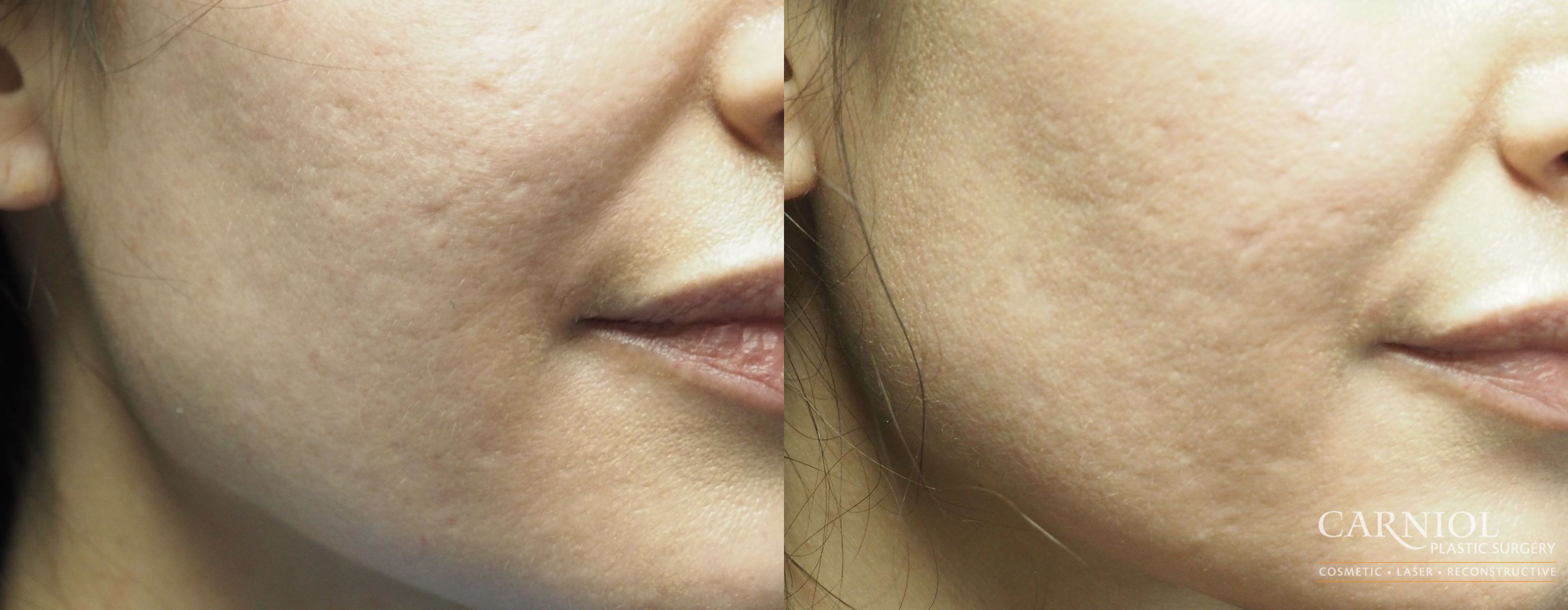
Facials can significantly reduce acne scars but may not completely remove them. They improve skin texture and tone by stimulating collagen. Deep scars might require additional treatments like microneedling or laser therapy for better results.
Are Facial Treatments Safe For Sensitive Skin With Scars?
Yes, many facial treatments are safe for sensitive skin if customized properly. Gentle facials and soothing ingredients help avoid irritation. Always inform your esthetician about your skin sensitivity to ensure a safe and effective treatment.
Conclusion
Facials can help reduce acne scars over time. Regular treatments improve skin texture and tone. Choose gentle facials suited for sensitive skin. Healthy skin care habits support facial results. Patience is key; scars fade slowly but surely. Consult a professional for the best facial plan.
Clearer, smoother skin is possible with care. Keep your skin clean and moisturized daily. Small steps add up to noticeable change. Your skin can look better, one facial at a time.
