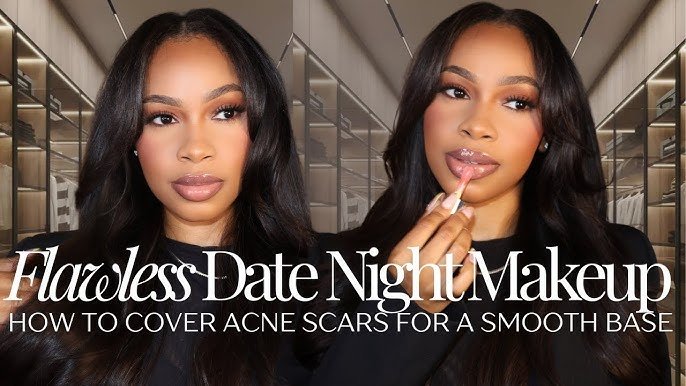
Are you tired of feeling self-conscious about acne scars? You’re not alone.
These stubborn marks can often feel like they overshadow your natural beauty. But here’s the good news: with the right makeup techniques, you can confidently cover those scars and let your true self shine through. Imagine looking in the mirror and loving what you see, no longer worrying about those pesky imperfections.
In this guide, we’ll reveal simple yet effective steps to skillfully conceal acne scars, boosting not just your appearance but also your self-esteem. You’ll discover expert tips and tricks that make covering acne scars easy and even enjoyable. Ready to learn how to transform your look and enhance your confidence? Let’s dive in.
Choosing The Right Products
Choosing the right makeup products is essential when you want to cover acne scars effectively. The right formula can hide imperfections without feeling heavy or looking cakey. Knowing which foundation, concealer, and primer suit your skin type and scar texture can make a huge difference in your final look.
Best Foundations For Acne Scars
Look for foundations that offer medium to full coverage with a natural finish. Matte foundations often help minimize the appearance of texture, but if your skin is dry, a satin finish might feel more comfortable. Products like Estée Lauder Double Wear or Fenty Beauty Pro Filt’r are favorites because they provide long-lasting coverage without emphasizing scars.
Think about your skin type too. If you have oily skin, opt for oil-free foundations to avoid excess shine. Dry skin benefits from hydrating formulas that won’t cling to rough patches. Have you noticed how some foundations settle into scars? That’s why testing shades and textures before buying is crucial.
Concealers That Work Wonders
A good concealer is your secret weapon against acne scars. Choose one that is creamy but thick enough to cover redness and discoloration. Tarte Shape Tape and NARS Radiant Creamy Concealer are great examples—they blend well and don’t crease easily.
Try applying concealer with a small brush or your fingertip for precision. Pat it gently rather than rubbing, so you don’t remove the product. Have you ever found a concealer that just disappears into your skin? That’s the kind you want—something that brightens and hides without looking obvious.
Primers To Smooth Skin Texture
Primers can create a smoother canvas by filling in scars and pores. Silicone-based primers like Benefit POREfessional or Smashbox Photo Finish blur imperfections and help makeup last longer. If you prefer a more natural option, hydrating primers with light-reflecting particles can soften the look of uneven skin.
Applying primer only where you need it can avoid a heavy feel. Do you notice some primers make your makeup slide off? Picking one that matches your skin type is key. Testing different primers can help you find the one that best reduces the texture and keeps your makeup fresh all day.

Credit: www.amazon.com
Preparing Your Skin
Preparing your skin before applying makeup is crucial, especially when you want to cover acne scars effectively. The right preparation creates a smooth canvas that helps makeup stay in place longer and look more natural. Skipping this step can make scars more noticeable and cause makeup to cake or wear off quickly.
Cleansing And Moisturizing
Start by thoroughly cleansing your face to remove dirt, oil, and leftover makeup. This prevents clogged pores and ensures your skin can absorb moisturizer well. Use a gentle cleanser that won’t irritate sensitive skin or worsen scars.
After cleansing, apply a lightweight moisturizer suited to your skin type. Moisturizing softens the skin’s surface, making it easier to blend makeup and preventing dry patches from showing through. Have you noticed how dry skin makes concealer look flaky? Proper hydration stops that.
Using A Primer Effectively
Primer is your secret weapon for smoothing out the texture of acne scars. Choose a silicone-based primer to fill in uneven areas and create a barrier between your skin and makeup. This helps foundation glide on smoothly and prevents it from settling into scars or fine lines.
Apply primer with gentle tapping motions rather than rubbing it in. This technique avoids disturbing your skin’s surface and gives the product time to set. Have you tried skipping primer and then wondering why your makeup fades fast? Primer helps makeup stick and look flawless for hours.
Makeup Techniques For Coverage
Covering acne scars with makeup requires more than just slapping on products. It calls for smart techniques that enhance your natural skin while minimizing the scars’ visibility. Getting these techniques right can boost your confidence and leave you feeling great about your appearance.
Applying Concealer Precisely
Start with a high-coverage, creamy concealer that matches your skin tone perfectly. Use a small brush or your fingertip to dab the concealer directly onto each scar. Avoid rubbing or dragging, as this can irritate the skin and reduce coverage.
Press the concealer gently into the skin to fill in the scar’s texture. If needed, build up coverage by applying thin layers rather than one thick coat. Have you noticed how precise placement saves product and looks more natural?
Layering Foundation Correctly
Choose a foundation with medium to full coverage that suits your skin type. Apply foundation with a damp sponge to avoid disturbing the concealer underneath. Patting motions work better than swiping to maintain coverage over scars.
Apply foundation evenly and focus on blending around the edges of the concealed areas. This layering technique prevents cakey buildup while enhancing the overall finish. Have you tried layering foundation this way to keep your makeup seamless?
Blending Tips For Natural Finish
Blending is key to making makeup look natural, especially when covering texture. Use a clean, soft brush or a beauty sponge to gently blend foundation and concealer edges into your skin. Avoid harsh lines by softening the transition between product and bare skin.
Set your makeup with a light dusting of translucent powder to prevent shine without dulling your skin’s natural glow. Remember, the goal is coverage that feels like your skin, not a mask. How does your current blending technique affect your makeup’s final look?
Color Correction Tricks
Color correction is a key step in hiding acne scars with makeup. It helps balance skin tone before applying foundation or concealer. Using the right colors can reduce redness and dark spots. This makes the skin look smoother and more even. Simple color correcting tricks save time and improve makeup results.
Neutralizing Redness
Redness from acne scars can stand out on the skin. Green color correctors neutralize red tones because green and red are opposite on the color wheel. Apply a thin layer of green corrector to red areas. Blend gently with a brush or finger. This step creates a neutral base for foundation and concealer. Avoid using too much product to keep a natural look.
Using Green And Peach Correctors
Green correctors work well for red scars. Peach correctors are best for dark spots or hyperpigmentation. They brighten dull areas and cancel out blue or purple tones. Choose a peach shade that matches your skin tone for the best effect. Dab peach corrector on dark spots and blend softly. Use green corrector on red patches. Together, these correctors prepare the skin for flawless coverage.
Setting And Finishing
Setting and finishing your makeup is the final touch that ensures your hard work covering acne scars stays flawless throughout the day. It locks everything in place, reduces shine, and prevents makeup from settling into scars or fine lines. Knowing how to choose the right products and techniques can make a huge difference in the overall look and longevity of your makeup.
Choosing The Right Setting Powder
Not all setting powders are created equal, especially when covering acne scars. You want a powder that is finely milled and lightweight to avoid emphasizing texture. Powders with a matte finish help control shine without making your skin look cakey.
Look for powders labeled “translucent” or “sheer.” These work well for most skin tones and don’t add extra color. If you have dry skin, consider a setting powder with hydrating ingredients or use it sparingly. Have you noticed some powders make your scars look more obvious? That’s usually because they’re too heavy or chalky.
Long-lasting Makeup Tips
To make your makeup last, start with a clean, moisturized face. Using a primer before foundation creates a smooth base and helps your makeup stick better. Set your makeup with powder using a fluffy brush or a damp makeup sponge for a natural finish.
Carry blotting papers to manage shine during the day without adding more product. Avoid touching your face frequently—this can break down your makeup and highlight scars. If you want extra staying power, a setting spray can seal everything in and reduce powdery appearance.
Have you tried pressing powder into your skin instead of sweeping it on? This technique presses the product into your makeup, making it less likely to move or settle into scars. It’s a small change but can make a big impact on how long your coverage lasts.

Credit: peacocksalon.in
Additional Tips For Flawless Skin
Achieving flawless skin with makeup goes beyond just applying the right products. Small habits and careful choices play a big role in how your makeup looks and lasts. These additional tips help your skin stay healthy and your makeup appear smooth and natural.
Avoiding Makeup Mistakes
- Use a clean brush or sponge for each application to avoid bacteria.
- Apply primer before foundation to create a smooth base.
- Blend concealer gently over acne scars to prevent cakey texture.
- Choose a foundation with good coverage but a lightweight feel.
- Set makeup lightly with powder to avoid a heavy, unnatural finish.
- Remove makeup fully at the end of the day to prevent clogged pores.
Maintaining Skin Health
Healthy skin provides a better canvas for makeup. Keep your skin clean and moisturized daily. Drink plenty of water to hydrate from inside. Use sunscreen to protect your skin from sun damage, which can darken scars.
Exfoliate gently to remove dead skin cells but avoid harsh scrubs. Choose skincare products that suit your skin type and do not cause irritation. Rest well to help your skin heal and renew naturally.
:max_bytes(150000):strip_icc()/the-best-blurring-primers-tout-2-Recirc-24c58a61772e45609158a9974784b0b1.jpg)
Credit: www.byrdie.com
Frequently Asked Questions
How To Choose The Best Concealer For Acne Scars?
Select a concealer with full coverage and a creamy texture. Match it to your skin tone and use green-tinted concealers for redness. Apply gently to avoid irritation and blend well for a natural look.
What Is The Best Technique To Cover Acne Scars?
Use a damp makeup sponge or brush to dab concealer on scars. Avoid rubbing, which can remove coverage. Layer thinly for buildable coverage and set with translucent powder to prevent smudging.
Can Foundation Alone Cover Acne Scars Effectively?
Foundation can even skin tone but may not fully hide scars. Combining foundation with a targeted concealer provides better coverage and a smoother finish. Use products with good pigmentation for best results.
How To Prevent Makeup From Worsening Acne Scars?
Always cleanse and moisturize before makeup application. Use non-comedogenic, oil-free products to avoid clogging pores. Remove makeup thoroughly at the end of the day to keep skin healthy.
Conclusion
Covering acne scars with makeup takes practice and patience. Use the right products for your skin type. Blend carefully to create a smooth, natural look. Light layers work better than heavy ones. Remember to set your makeup to last all day.
Confidence grows with each try. Enjoy the process and feel good in your skin. Makeup can help, but loving yourself matters most. Keep experimenting and find what suits you best. You have the power to look and feel great every day.
