Are you tired of feeling self-conscious about acne scars? You’re not alone.
Many people struggle with the lingering marks that acne leaves behind, but what if there was a way to rejuvenate your skin and boost your confidence? Enter microneedling—a revolutionary treatment that’s gaining popularity for its impressive results. Imagine seeing your skin transform, smoother and more even, with scars fading away as if they were never there.
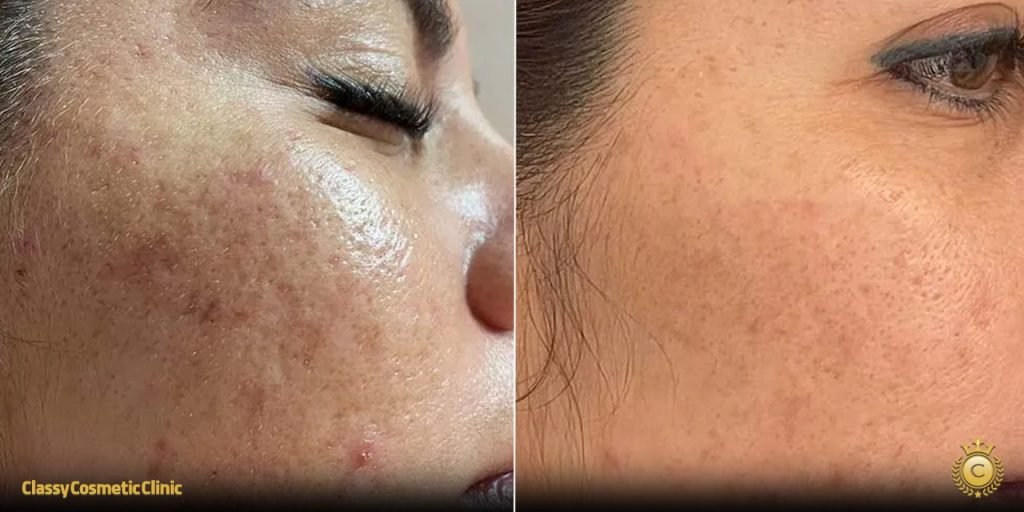
We’ll dive into the world of microneedling for acne scars, showcasing compelling before and after results that just might surprise you. Stay with us to discover how this treatment could be the game-changer you’ve been searching for.
How Microneedling Works
Microneedling works by creating tiny punctures in the skin. These small injuries trigger the body’s natural healing process. The skin responds by producing new cells and repairing damaged tissue. This process helps reduce the appearance of acne scars and improves skin health. The treatment is minimally invasive and stimulates skin renewal gently.
Stimulating Collagen Production
The tiny needles in microneedling reach the deeper skin layers. This causes controlled skin trauma, which signals the body to create collagen. Collagen is a protein that provides structure and firmness to the skin. More collagen means smoother and plumper skin. Over time, this reduces the depth and visibility of acne scars.
Improving Skin Texture
Microneedling also promotes the growth of new skin cells. This process leads to a more even skin surface. Rough patches and uneven texture become less noticeable. The treatment enhances skin tone by encouraging healthy skin regeneration. Regular sessions can result in noticeably softer and clearer skin.
Credit: www.birchpainandspinegroup.com
Types Of Acne Scars Treated
Understanding the types of acne scars that microneedling can treat helps you set realistic expectations for your skin’s transformation. Different scars respond differently to treatment, so identifying your scar type is crucial for effective results. Let’s look at the common types microneedling targets and how it works on each.
Atrophic Scars
Atrophic scars are the most common type caused by acne. They appear as depressions or indentations in the skin because of lost collagen. Microneedling stimulates collagen production, which helps fill these sunken areas, making your skin smoother and more even.
If you’ve struggled with shallow dents on your cheeks or forehead, microneedling can visibly improve their texture. Have you noticed how your skin feels tighter and looks brighter after sessions? That’s the collagen rebuilding at work.
Hypertrophic Scars
Hypertrophic scars are raised, thickened areas of skin that form due to excess collagen during healing. Unlike atrophic scars, these scars stick out rather than sink in. Microneedling helps by breaking down excess scar tissue and encouraging balanced collagen remodeling.
These scars can be stubborn, but microneedling’s controlled skin injury triggers your body to reorganize collagen properly. If you’re dealing with raised scars on your back or chest, microneedling might reduce their appearance without aggressive treatments.
Ice Pick Scars
Ice pick scars are deep, narrow, and look like small holes in the skin. They can be challenging to treat because they extend deep into the dermis. Microneedling improves their appearance by creating microchannels that promote collagen growth, gradually filling in these deep pits.
While microneedling may not erase ice pick scars completely, many notice a significant softening and reduction in depth. If you’ve felt frustrated by these tiny but noticeable scars, microneedling offers a less invasive option worth considering.
Before Microneedling: What To Expect
Preparing for microneedling can make a big difference in how your skin reacts and heals afterward. Knowing what to expect before your treatment helps reduce anxiety and sets clear goals. Let’s look at how to get your skin ready and what happens during your initial consultation.
Skin Preparation Tips
Before your microneedling session, it’s important to keep your skin clean and healthy. Avoid using harsh exfoliants or retinol products for at least 3 to 5 days prior. These can make your skin more sensitive and increase the risk of irritation.
Hydrate your skin well by drinking plenty of water and using a gentle moisturizer. Skip any sun exposure or tanning beds for a week before treatment to prevent redness and complications. Also, avoid alcohol and smoking as they can slow down the healing process.
- Use a gentle cleanser twice daily
- Apply a broad-spectrum sunscreen daily
- Stop using makeup on the day of your appointment
These small steps will help your skin respond better to microneedling and improve your overall results.
Consultation And Assessment
Your first meeting with the skincare professional is crucial. They will examine your acne scars carefully and ask about your skin history and any treatments you’ve tried. This helps determine if microneedling is the right option for you.
Expect to discuss your goals and any concerns you have. A good practitioner will explain the procedure, possible side effects, and how many sessions you might need. This conversation is your chance to ask questions—don’t hesitate to speak up.
They might also take “before” photos to track your progress. These images will help you see the real difference microneedling makes over time. What worries or hopes do you have about treating your acne scars? Being open during your consultation can lead to better results and less stress.
Microneedling Procedure Steps
Understanding the microneedling procedure can help ease any concerns you might have before treatment. Each step is designed to make the process as comfortable and effective as possible, focusing on your skin’s healing and renewal. Let’s break down what happens during a typical microneedling session for acne scars.
Numbing And Setup
Before the treatment begins, a topical numbing cream is applied to your face. This helps reduce any discomfort during the procedure, making it more tolerable even for sensitive skin. While the cream takes effect, the practitioner sets up the sterile microneedling device and prepares the treatment area.
Have you ever wondered why numbing is necessary, even though the needles are tiny? It’s because your skin has many nerve endings, and even small punctures can cause sensitivity. Ensuring you’re comfortable sets the tone for a smooth session.
Needling Process
The practitioner gently glides the microneedling device across your skin, creating controlled micro-injuries. These tiny punctures trigger your skin’s natural healing process, which boosts collagen and elastin production. The depth and speed of the needles are adjusted based on your scar type and skin sensitivity.
You might feel a slight prickling or tingling sensation, but it shouldn’t be painful thanks to the numbing. The entire needling process usually takes about 20 to 30 minutes depending on the treatment area size. It’s important to stay relaxed and breathe steadily during this phase.
Post-treatment Care
After microneedling, your skin may look red and feel warm, similar to a mild sunburn. Applying soothing serums rich in hyaluronic acid or vitamin C can help calm the skin and enhance healing. Avoiding direct sun exposure and heavy makeup for a few days is crucial to prevent irritation.
Do you know that your skin’s appearance immediately after treatment doesn’t reflect the full results? The best improvements appear gradually over weeks as new collagen forms. Taking good care of your skin right after the procedure can make a big difference in the outcome.
After Microneedling: Immediate Effects
Right after microneedling your acne scars, your skin begins a fascinating journey of repair and renewal. The immediate effects are a mix of visible changes and subtle sensations that tell you the treatment is working. Understanding what to expect can help you manage your skin better and stay confident during the healing process.
Redness And Swelling
One of the first things you’ll notice after microneedling is redness, similar to a mild sunburn. This happens because tiny punctures trigger your skin’s natural inflammatory response.
Swelling may also occur, especially around sensitive areas like the cheeks or forehead. This is a sign your skin is reacting and starting to heal.
Don’t be alarmed—this redness and swelling usually peak within 24 to 48 hours and then gradually fade. Think about how your skin feels right now: does it feel warmer or tighter? That’s a sign of increased blood flow and healing activity.
Healing Timeline
Right after treatment, your skin will be more sensitive and delicate. You might feel a mild tingling or tightness for a few days.
Within the first week, redness and swelling should reduce significantly. Your skin may start to peel or flake as dead cells shed and fresh skin emerges.
By day 7 to 10, most visible signs of irritation disappear, leaving your skin smoother and firmer. However, deeper collagen remodeling continues for weeks, meaning real improvements in acne scars show over time.
- Day 1-3: Redness and slight swelling peak
- Day 4-7: Peeling and dryness may occur
- Week 2 onwards: Skin looks refreshed and scars begin to soften
Have you noticed how quickly your skin bounces back after microneedling? Paying attention to these stages helps you support your skin with the right care at the right time.
Credit: drcarniol.com
Stunning Transformation Stories
Microneedling offers hope for many struggling with acne scars. The process creates tiny wounds in the skin to boost collagen production. This helps smooth the skin and reduce scar visibility. Stories of real people show how effective this treatment can be. Their journeys reveal impressive skin improvements after microneedling.
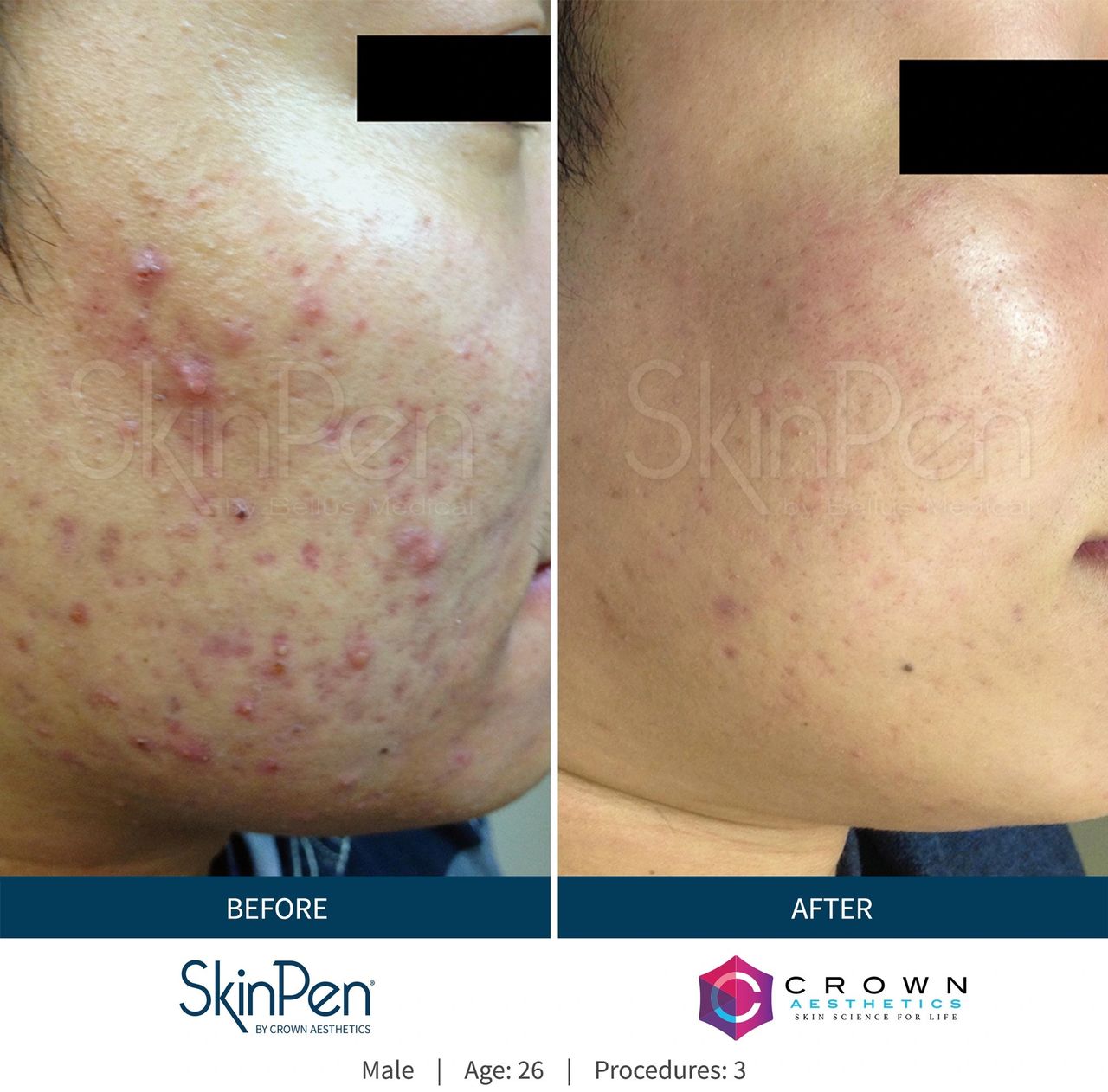
Real Patient Before And After
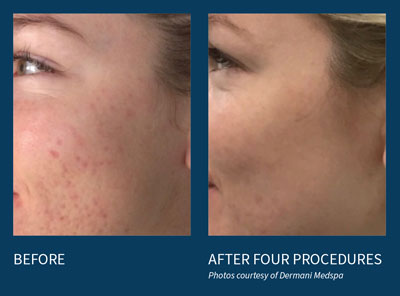
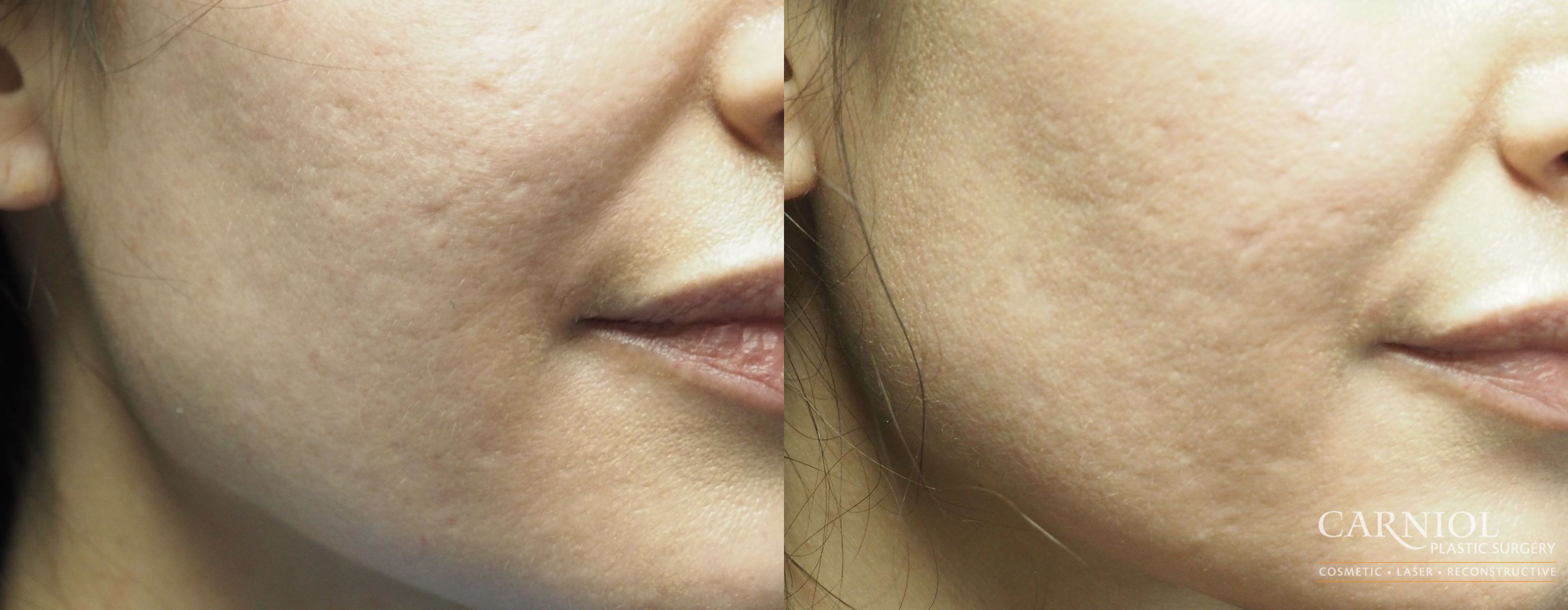
Many patients share their before and after photos. These pictures show clear changes in skin texture and tone.
- Scars appear softer and less deep.
- Skin looks fresher and more even.
- Redness from scars fades over time.
Seeing these images builds trust in microneedling’s results. Each story confirms that consistent sessions matter. Progress is steady and visible after several treatments.
Long-term Improvements
Results do not stop after the first few sessions. The skin continues to improve over months. Collagen growth helps rebuild damaged skin layers.
- Scars shrink and blend with surrounding skin.
- Skin becomes firmer and more elastic.
- Overall complexion looks healthier and smoother.
Patience is key for lasting effects. People report feeling more confident in their skin. Microneedling can be a powerful step toward clearer skin.
Combining Treatments For Better Results
Combining different skin treatments can boost the healing of acne scars. Using more than one method helps target scars from different angles. This approach improves texture, tone, and overall skin health.
Microneedling is effective on its own, but pairing it with other therapies can enhance results. Each treatment supports skin renewal in unique ways. Together, they create a stronger, smoother skin surface.
Microneedling With Prp
PRP stands for platelet-rich plasma, taken from your own blood. It contains growth factors that help skin repair faster. Applying PRP after microneedling speeds up healing and boosts collagen production.
This combo reduces redness and improves skin texture. Many see deeper scars fade and skin tone even out. The natural elements in PRP make this treatment safe and gentle.
Microneedling And Chemical Peels
Chemical peels remove dead skin layers and open pores. Microneedling then stimulates collagen below the surface. Peels prepare the skin, allowing microneedling to work more deeply.
The result is smoother skin with fewer visible scars. This pairing also helps reduce pigmentation caused by acne. Both treatments together improve skin brightness and clarity.
Risks And Precautions
Microneedling can work wonders on acne scars, but it’s essential to know the risks and take precautions before you start. Understanding these will help you achieve the best results without unwanted setbacks. Let’s break down what you need to watch out for and when it’s better to hold off.
Possible Side Effects
Microneedling causes tiny punctures in your skin, so some side effects are natural. You might experience redness, swelling, or mild irritation for a few days after treatment.
Sometimes, you could see bruising, dry skin, or a slight rash. These usually fade quickly, but if you notice persistent pain or infection signs like pus or excessive warmth, contact your doctor immediately.
People with sensitive skin might also experience hyperpigmentation, especially if they don’t protect their skin from the sun after treatment. Are you prepared to follow strict aftercare to avoid these risks?
When To Avoid Microneedling
You should skip microneedling if you have active acne, eczema, psoriasis, or other skin infections. Treating inflamed or broken skin can worsen your condition and increase infection risk.
Also, avoid microneedling if you’re pregnant or have certain medical conditions like blood clotting disorders or take medications that affect healing.
If you’re unsure about your skin’s suitability, a consultation with a dermatologist can save you from complications. Have you checked your health history before deciding on microneedling?
Choosing A Provider
Choosing the right provider for microneedling acne scars can make a huge difference in your results and overall experience. You want someone skilled, trustworthy, and transparent about what to expect. Taking the time to find the right professional helps you feel confident and safe throughout your treatment journey.
Qualifications To Look For
Start by checking the provider’s credentials. Look for licensed dermatologists, certified aestheticians, or medical professionals trained specifically in microneedling. Credentials ensure they understand skin anatomy and safety protocols.
Experience matters. Ask how many microneedling treatments they have performed, especially for acne scars. The more cases they’ve handled, the better they can tailor the treatment to your skin’s needs.
Also, consider their training on the device they use. Different microneedling tools require specific techniques. A provider familiar with the latest technology will likely give you more consistent results.
Questions To Ask Before Treatment
- What results can I realistically expect?Understanding the timeline and potential improvements helps set your expectations straight.
- How many sessions will I need?Some acne scars need multiple treatments, so clarify this upfront.
- Are there any risks or side effects I should know about?Knowing possible complications helps you prepare and decide if the treatment suits you.
- What post-treatment care do you recommend?Proper aftercare is key to healing and maximizing results.
- Can you show me before and after photos of your past patients?Real examples give insight into their skill and what you might achieve.
Have you ever left a consultation feeling unsure or rushed? If so, trust your instincts—good providers take time to answer your questions clearly. Don’t hesitate to meet with several professionals before deciding. Your skin deserves nothing less than expert care tailored to you.
Credit: mywellnessden.com
Frequently Asked Questions
What Results Can I Expect From Microneedling Acne Scars?
Microneedling stimulates collagen, improving acne scars’ texture and appearance. Results vary but often show smoother, firmer skin after several sessions.
How Long Does Microneedling Take To Show Results?
Typically, visible improvements appear within 4 to 6 weeks, with continued enhancement over 3 to 6 months as collagen rebuilds.
Is Microneedling Safe For All Skin Types?
Yes, microneedling is generally safe for all skin types when performed by a professional, minimizing risks of irritation or pigmentation.
How Many Microneedling Sessions Are Needed For Acne Scars?
Usually, 3 to 6 sessions spaced 4 to 6 weeks apart are required for noticeable scar reduction and skin texture improvement.
Conclusion
Microneedling shows clear improvement in acne scars over time. Many people see smoother skin after several sessions. Results depend on skin type and treatment consistency. Healing takes a few days, with mild redness normal. Always follow care instructions for best results.
Consult a dermatologist to create a safe plan. This treatment can boost confidence and skin texture. Patience and proper care bring the best outcomes. Consider microneedling as a helpful option for acne scars.