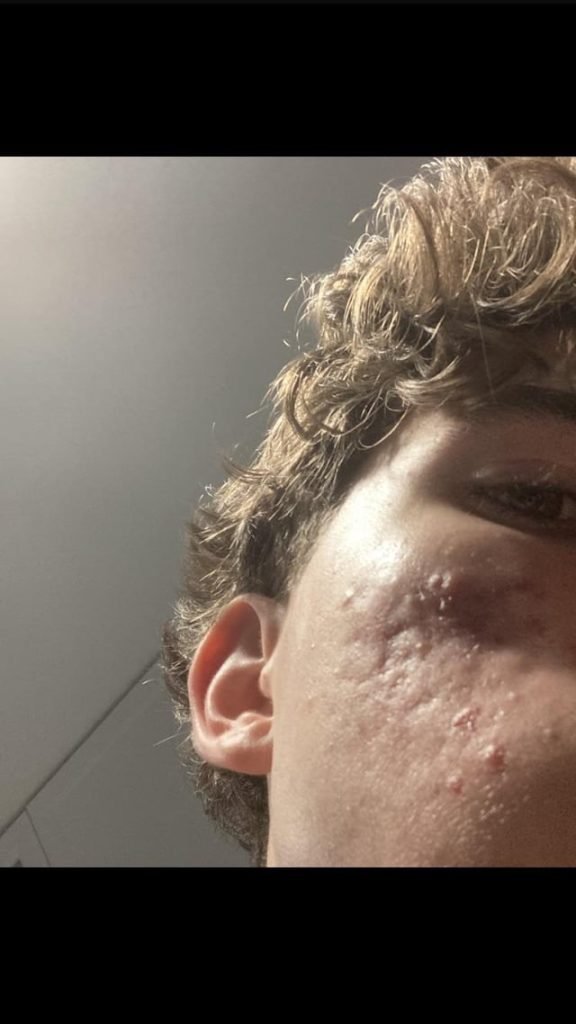
Are you tired of dealing with acne scars that just won’t fade away? You’ve tried countless creams, treatments, and home remedies, but those stubborn marks remain.
If you’re searching for a solution that truly works, you’re not alone. Many people are curious about whether Accutane, known for its powerful acne-fighting abilities, can also help with acne scars. Could this medication be the answer you’ve been looking for to finally achieve clear, smooth skin?
We’ll dive into how Accutane works, its potential impact on acne scars, and what you need to know before considering it as a treatment option. Keep reading to discover if Accutane could be the key to unlocking your skin’s true potential.

Credit: www.reddit.com
How Accutane Works
Understanding how Accutane works helps clarify its role in treating acne and scars. This medication targets the root causes of severe acne. It affects the skin at a cellular level to reduce breakouts and improve skin texture. The process is complex but effective for many users.
Targeting Severe Acne
Accutane focuses on severe acne that does not respond to other treatments. It reduces oil production in the skin. Less oil means fewer clogged pores and less acne. The drug also limits the growth of acne-causing bacteria. This combination helps clear existing acne and prevent new spots.
Impact On Skin Cells
Accutane changes how skin cells grow and shed. It slows down the production of dead skin cells. This prevents them from blocking pores. The medication also reduces inflammation, which helps calm red, swollen skin. Over time, these effects can improve skin texture and tone.
Acne Scars Types
Understanding the different types of acne scars is key to knowing how treatments like Accutane might affect them. Acne scars vary widely, and each type responds differently to treatments. Knowing what kind of scars you have helps you set realistic expectations and choose the right approach for your skin.
Atrophic Scars
Atrophic scars are the most common type of acne scars. They appear as small indentations or depressions in the skin because of lost tissue. If you’ve noticed shallow or deep pits after a breakout, those are likely atrophic scars.
These scars can be tricky to treat because they involve a loss of skin volume. Accutane primarily works on active acne rather than repairing existing tissue, so it may not directly improve these scars. You might need additional treatments like microneedling or laser therapy to see a difference.
Hypertrophic Scars
Hypertrophic scars are raised, thickened areas of skin that form after acne heals. Unlike atrophic scars, these scars result from excess collagen production. They often feel firm and can be red or darker than your natural skin tone.
Accutane is unlikely to reduce hypertrophic scars since its main role is to clear acne and reduce oil production. If you struggle with raised scars, treatments like steroid injections or silicone sheets might be more effective. Have you noticed any raised bumps left after acne? They could be hypertrophic scars.
Post-inflammatory Hyperpigmentation
Post-inflammatory hyperpigmentation (PIH) looks like dark spots or patches left behind after acne heals. It’s not a true scar because it doesn’t involve skin texture changes, just pigment changes. If your skin darkens where pimples once were, that’s PIH.
Accutane can help by preventing new acne and inflammation, reducing the chance of more dark spots forming. However, it doesn’t directly fade existing pigmentation quickly. Using sunscreen and products with ingredients like vitamin C or niacinamide can speed up the fading process.
Accutane And Scar Reduction
Accutane is widely known for its effectiveness in treating severe acne, but many wonder about its role in reducing acne scars. Understanding how Accutane interacts with scar formation can help you set realistic expectations and make informed decisions about your skincare journey.
Effect On Scar Formation
Accutane works by shrinking oil glands and reducing inflammation, which lowers the chances of new acne lesions that cause scars. By preventing severe breakouts, it indirectly minimizes the risk of fresh scars forming.
Some users notice their skin texture improves during treatment because fewer new scars develop. However, Accutane mainly targets active acne rather than existing scars.
Limitations In Scar Removal
Accutane does not erase old acne scars. It cannot fill in deep indentations or smooth out raised scars that have already formed.
If you have significant scarring, you might need additional treatments like laser therapy, microneedling, or chemical peels to improve your skin’s appearance. Think about whether your goal is to stop new scars or actually remove old ones.
Have you noticed fewer breakouts but still see scars? That’s a sign Accutane is doing its job on acne, but scar treatment requires a different approach.
Alternative Scar Treatments
Acne scars often need more than just medication to improve their appearance. Alternative scar treatments offer options that target skin texture and color. These treatments help renew the skin and reduce the visibility of scars. Each method works differently and suits different skin types and scar types.
Laser Therapy
Laser therapy uses focused light beams to remove damaged skin layers. It stimulates collagen production, which helps skin heal smoother. This treatment can reduce redness and flatten raised scars. Multiple sessions may be necessary for better results. It is important to protect skin from sun after laser treatment.
Microneedling
Microneedling creates tiny holes in the skin using fine needles. This process triggers the skin to produce more collagen and elastin. It improves skin texture and reduces scar depth. The treatment is minimally invasive and has little downtime. Regular sessions can gradually improve scar appearance.
Chemical Peels
Chemical peels use special acids to remove the top skin layer. This encourages new skin to grow, which looks smoother and fresher. Peels vary in strength and type depending on scar severity. They help with discoloration and shallow scars. Follow-up care is needed to avoid irritation and protect skin.
Dermal Fillers
Dermal fillers add volume beneath the skin to lift depressed scars. They provide immediate improvement and a smoother skin surface. Fillers are usually made from hyaluronic acid, which is safe and natural. Results last several months before repeat treatment is needed. This option works best for certain types of scars.
Combining Treatments With Accutane
Combining treatments with Accutane can improve acne scar healing. Accutane reduces acne but does not fully erase scars. Adding other treatments supports skin repair and texture improvement. Careful planning ensures safety and better results.
Timing And Safety Considerations
Accutane makes skin sensitive. Avoid harsh treatments during the course. Wait at least six months after finishing Accutane for aggressive procedures. Consult a dermatologist before starting any new treatment. Some treatments may cause irritation or damage if done too soon.
Maximizing Skin Healing
Use gentle skincare products to support healing. Moisturizers and sunscreens protect sensitive skin. Chemical peels and microneedling can be effective after recovery. Laser therapy can improve skin texture and scar appearance. Follow professional advice to choose the right combination for your skin.

Credit: www.reddit.com
Real User Experiences
Hearing from real users gives you a clearer picture of what Accutane can do for acne scars. People’s stories reveal both the wins and the hurdles, helping you set realistic expectations. Let’s look at what users have shared about their journeys with Accutane and acne scars.
Positive Outcomes
Many users report a noticeable improvement in their skin texture after finishing Accutane treatment. Some say their scars became less deep and visible, especially with consistent skincare routines alongside the medication.
One user mentioned that their icepick scars softened, making makeup application easier and boosting their confidence. Another shared that while Accutane didn’t erase all scars, it prevented new ones from forming by stopping severe breakouts.
These experiences suggest that Accutane can help improve skin appearance, but results vary depending on scar type and severity. Have you considered how your current skin care might work with Accutane to maximize these benefits?
Challenges Faced
Not everyone sees dramatic scar fading with Accutane. Some users find that while breakouts reduce, existing scars remain stubborn. This can be frustrating if you expect a complete transformation.
Side effects like dry skin and sensitivity sometimes make it harder to use exfoliating or moisturizing products that help scars heal. One person noted that their skin became so sensitive they had to pause other treatments aimed at scar reduction.
Also, Accutane’s impact on scars usually takes time. It might be months before you notice changes, requiring patience and consistent care. How will you manage your expectations during this slow process?
Credit: www.usdermatologypartners.com
Frequently Asked Questions
Does Accutane Effectively Reduce Acne Scars?
Accutane primarily treats active acne but does not directly remove acne scars. It helps prevent new scars by reducing breakouts. For existing scars, additional treatments like laser therapy or microneedling are often needed alongside Accutane.
How Long Does Accutane Take To Improve Acne Scars?
Accutane usually takes 4 to 6 months to clear acne but does not significantly improve scars during this time. Scar healing is gradual and may require extra procedures after Accutane treatment ends.
Can Accutane Worsen Acne Scars Temporarily?
Accutane can cause skin dryness and peeling, which may make scars appear more noticeable initially. This effect is temporary and usually improves as the skin adjusts to the medication.
Is Accutane Safe For Treating Acne Scars?
Accutane is safe for treating severe acne but is not specifically approved for scars. Always consult a dermatologist before using Accutane for any skin condition.
Conclusion
Accutane helps reduce active acne effectively. It may also improve some acne scars. But it does not erase deep scars completely. Patience is key during and after treatment. Combining other treatments might be needed for better results. Always talk to a dermatologist before starting Accutane.
They guide you on safe use and expectations. Clear skin takes time and care. Keep a healthy skincare routine for best effects.
