Are you struggling to understand the difference between hyperpigmentation and acne scars? You’re not alone.
These skin concerns can be confusing, leaving you wondering how best to treat them. Imagine looking in the mirror and finally seeing clear, even-toned skin. That’s the goal, right? But first, it’s crucial to identify what you’re dealing with: Is it hyperpigmentation or are they acne scars?
Each requires a different approach for effective treatment. By the end of this article, you’ll have a clear understanding of both conditions and the confidence to take the right steps for your skin. Let’s dive into the details and discover the secrets to a brighter, more even complexion.
Causes Of Hyperpigmentation
Hyperpigmentation happens when the skin produces too much melanin. This causes dark patches or spots. Many factors lead to this condition. Understanding these causes helps in managing and preventing hyperpigmentation effectively.
Sun Exposure Effects
Ultraviolet (UV) rays from the sun boost melanin production. This leads to dark spots and uneven skin tone. Sun exposure also worsens existing hyperpigmentation. Wearing sunscreen reduces these harmful effects.
Hormonal Changes
Hormones can trigger melanin increase. Pregnancy, birth control pills, and hormone therapy are common causes. This type of hyperpigmentation is called melasma. It appears as brown or gray patches on the face.
Post-inflammatory Hyperpigmentation
This occurs after skin injury or inflammation. Acne, cuts, or burns can cause it. The skin darkens as it heals, leaving marks. It is common in people with darker skin tones.

Credit: clearstem.com
Causes Of Acne Scars
Understanding the causes of acne scars is key to managing and preventing them. Acne scars form when your skin suffers damage during the healing process of acne lesions. The severity and type of scarring depend on several factors, including the depth of the acne and your skin’s response to injury.
Types Of Acne Scars
Acne scars come in various forms, each with distinct characteristics. Common types include:
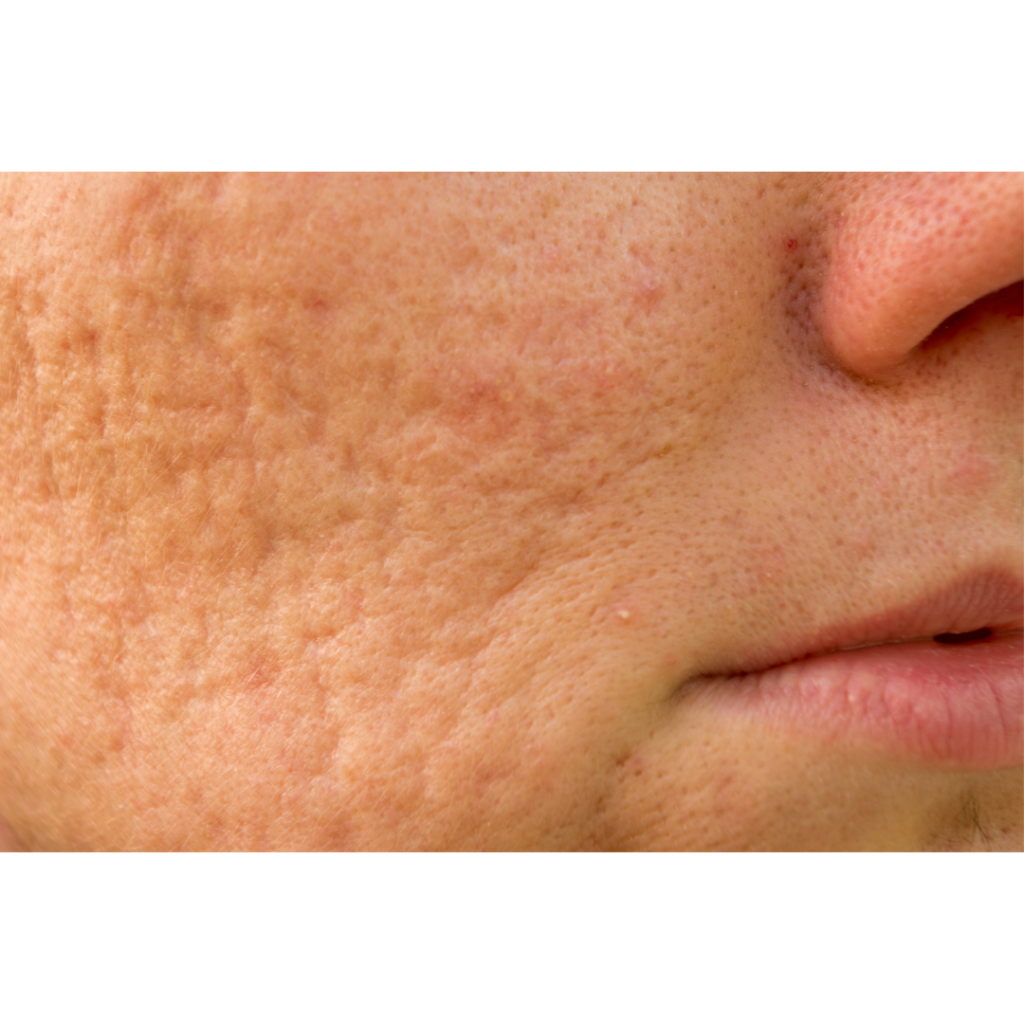
- Atrophic scars:These are sunken or depressed scars caused by tissue loss. Examples are icepick, boxcar, and rolling scars.
- Hypertrophic scars:Raised scars that form due to excess collagen production during healing.
- Keloid scars:Similar to hypertrophic scars but grow beyond the original wound site and can be larger and more noticeable.
Knowing your scar type helps you choose the right treatment and avoid worsening the condition.
Skin Damage Mechanism
When acne inflames the skin, it can destroy collagen and elastin fibers, which give your skin strength and elasticity. This damage impairs the skin’s ability to regenerate smoothly, leading to uneven texture.
Think about a small cut that heals without issue—acne is more like a deep wound beneath the surface. The deeper the injury, the higher the chance of permanent scarring.
Role Of Inflammation
Inflammation plays a crucial role in scar formation. The more intense and prolonged the inflammation, the greater the tissue destruction and scarring risk.
Ever noticed how a stubborn pimple that stays red and swollen longer tends to leave marks? That’s inflammation causing more damage than usual.
Controlling inflammation early can reduce scar formation, so treating acne promptly and gently is essential for your skin’s future appearance.
Appearance Differences
Understanding the appearance differences between hyperpigmentation and acne scars can help you identify what’s affecting your skin and choose the right treatment. Both can leave marks, but their look and feel are quite distinct. Let’s break down these differences to help you spot which one you’re dealing with.
Color And Texture
Hyperpigmentation shows up as flat, dark patches on your skin. These spots range from light brown to deep black, depending on your skin tone and sun exposure. The texture stays smooth, so you won’t feel any bumps or indentations.
Acne scars, on the other hand, often change the surface of your skin. You might notice raised bumps or deep indentations where the acne once was. Their color can vary too, sometimes looking red or purple initially, then fading to white or brown over time.
Common Locations
Hyperpigmentation frequently appears on areas exposed to the sun such as the cheeks, forehead, and upper lip. It can also develop where acne was healed but is mainly influenced by UV exposure.
Acne scars usually show up exactly where you had breakouts—commonly on the cheeks, chin, and forehead. Unlike hyperpigmentation, these marks are tied closely to the skin’s healing process after inflammation or injury.
Duration And Fading
Hyperpigmentation tends to linger but can fade gradually with proper sun protection and skin care. Sometimes it takes months or even years to disappear completely, especially without treatment.
Acne scars, especially deep ones, might never fully go away without professional help like laser therapy or microneedling. Have you noticed any marks on your skin that just won’t fade despite your efforts? That’s a key sign you might be dealing with scarring rather than pigmentation.

Credit: neolayrpro.com
Treatment Options For Hyperpigmentation
Hyperpigmentation treatment involves various approaches to reduce dark spots and even out skin tone. Choosing the right option depends on the severity and type of pigmentation. Consistent care and patience are key for visible improvements.
Topical Agents
Topical treatments help lighten dark patches and prevent new spots. Common ingredients include:
- Hydroquinone: A strong skin-lightening agent that reduces melanin production.
- Vitamin C: Brightens skin and protects against damage from free radicals.
- Retinoids: Promote skin cell turnover and fade pigmentation over time.
- Azelaic Acid: Reduces inflammation and helps clear discoloration.
- Kojic Acid: Inhibits melanin synthesis and brightens the skin.
These agents work best with regular use and sun protection.
Professional Procedures
Clinical treatments offer faster and deeper results. Options include:
- Chemical Peels: Remove the top layer of skin to reveal fresher skin beneath.
- Laser Therapy: Targets pigment to break it down safely.
- Microdermabrasion: Gently exfoliates to improve skin texture and tone.
- Microneedling: Stimulates collagen and reduces pigmentation spots.
Professional guidance is important to choose safe and effective procedures.
Preventive Measures
Prevention helps avoid worsening or new pigmentation. Key tips:
- Use broad-spectrum sunscreen daily to block UV rays.
- Avoid excessive sun exposure, especially during peak hours.
- Wear protective clothing and hats outdoors.
- Use gentle skincare products to prevent irritation.
- Maintain a healthy skin routine to support healing.
Treatment Options For Acne Scars
Treating acne scars requires patience and the right approach. Various options target different scar types and skin needs. Understanding treatment choices helps achieve smoother, clearer skin.
Laser Therapy
Laser therapy uses focused light to remove damaged skin layers. It stimulates collagen, promoting skin healing and texture improvement. This method suits deep scars and uneven skin tones. Sessions vary, and some redness may occur after treatment.
Microneedling
Microneedling creates tiny punctures in the skin to boost collagen. This helps fill in scars and improve skin texture naturally. It works well for mild to moderate scars and has minimal downtime. Regular sessions enhance results over time.
Chemical Peels
Chemical peels apply acids to remove the top skin layer gently. This reveals fresh skin beneath and reduces scar visibility. Peels vary in strength and suit different skin types and scar depths. Mild peeling and redness are common after treatment.

Credit: kmslaser.shop
Prevention Tips
Preventing hyperpigmentation and acne scars is much easier than treating them later. You can save yourself from long-term skin concerns by taking simple, daily actions. These prevention tips focus on protecting your skin and managing acne early to keep your complexion even and healthy.
Sun Protection
Sun exposure can make both hyperpigmentation and acne scars worse by darkening the affected areas. You should apply a broad-spectrum sunscreen with at least SPF 30 every day, even when it’s cloudy. Wearing hats and seeking shade during peak sun hours adds extra defense for your skin.
Have you noticed dark spots fading faster when you avoid the sun? That’s because UV rays trigger melanin production, deepening pigment marks. Protecting your skin early prevents those marks from becoming permanent.
Proper Skincare Routine
Keeping your skin clean and moisturized helps prevent inflammation that leads to scars and spots. Use gentle cleansers that don’t strip your skin’s natural oils, and add products with ingredients like niacinamide or vitamin C to brighten your skin tone. Avoid harsh scrubs that can irritate and worsen pigmentation issues.
Try to spot-test new products before regular use to avoid unexpected breakouts or reactions. A consistent routine tailored to your skin type is key to maintaining balance and preventing damage.
Early Acne Management
Don’t wait for acne to heal on its own; active treatment reduces the chance of scars and hyperpigmentation. Use over-the-counter treatments with benzoyl peroxide or salicylic acid as soon as you see a pimple forming. If acne is persistent or severe, consult a dermatologist early to prevent long-term marks.
Have you ever picked at a pimple only to regret the red or dark spot left behind? Avoid touching or squeezing blemishes, as this can increase inflammation and the risk of scarring. Managing acne promptly and gently makes a noticeable difference in your skin’s appearance.
Frequently Asked Questions
What Is The Difference Between Hyperpigmentation And Acne Scars?
Hyperpigmentation causes dark spots from excess melanin, while acne scars are skin texture changes. Hyperpigmentation affects color; scars affect skin surface and depth.
How Can I Treat Hyperpigmentation And Acne Scars Effectively?
Treat hyperpigmentation with topical lightening agents like vitamin C or hydroquinone. Use chemical peels, microneedling, or laser therapy for acne scars. Consult a dermatologist for best results.
Can Hyperpigmentation And Acne Scars Heal Naturally?
Hyperpigmentation may fade over time with sun protection and skincare. Acne scars often require treatments as they alter skin structure. Natural healing is slow and incomplete for scars.
Are Hyperpigmentation And Acne Scars Preventable?
Yes, prevent hyperpigmentation by using sunscreen daily and avoiding picking skin. Prevent acne scars by treating acne early and not squeezing pimples. Proper skincare reduces both risks.
Conclusion
Hyperpigmentation and acne scars look similar but need different care. Treating them right helps skin heal faster and look better. Know your skin’s needs before choosing treatments or products. Patience is key—results take time and steady effort. Healthy skin routines support healing and prevent new marks.
Consult a skin expert to find the best plan for you. Clear skin is possible with the right steps and care. Keep learning about your skin and stay consistent every day.
