Dealing with acne scars can feel like an endless battle, can’t it? You’re not alone in this struggle.
These marks often linger long after acne has cleared, acting as unwelcome reminders of past skin troubles. You’re likely searching for solutions that truly work, ones that not only clear your skin but also boost your confidence. Imagine waking up each day to a reflection that’s smooth and scar-free.
It’s possible, and we’re here to guide you every step of the way. You’ll discover effective skincare strategies tailored specifically for acne-scarred skin. Let’s transform your skincare routine and help you achieve the clear, radiant complexion you deserve. Stay with us, because your journey to flawless skin starts here.

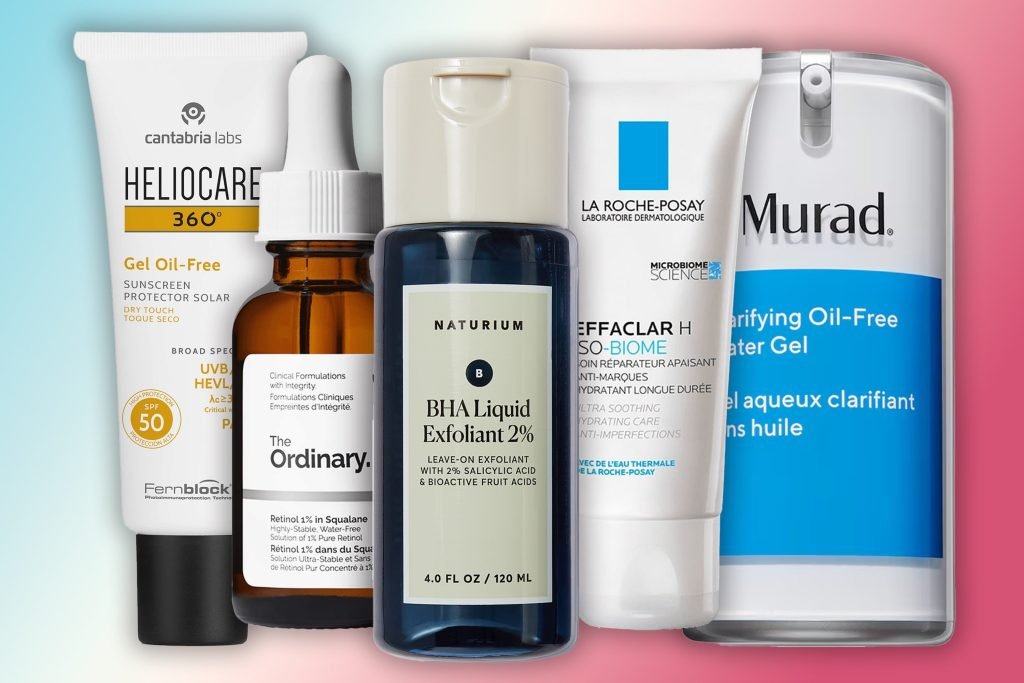
Credit: www.sephora.com
Causes Of Acne Scars
Acne scars can feel like a permanent reminder of past breakouts, but understanding what causes these scars is the first step toward healing your skin. Not all acne scars are created equal, and the way your skin reacts to acne plays a big role in how scars form. Knowing the root causes helps you choose the right skincare and avoid making scars worse.
Types Of Acne Scars
Acne scars come in different shapes and depths, and identifying your scar type can guide your treatment choices. The main types include:
- Ice pick scars:Deep, narrow, and pitted scars that look like small holes in the skin.
- Boxcar scars:Broad, rectangular depressions with sharp edges, often found on the cheeks.
- Rolling scars:Wide, shallow, and wavy scars that give the skin an uneven texture.
- Hypertrophic scars:Raised scars caused by excess collagen during healing, usually found on the chest or back.
- Keloid scars:Thick, raised scars that grow beyond the original acne site.
Have you noticed different types of scars on your skin? Understanding this can help you ask your dermatologist the right questions.
Factors Worsening Scarring
Several factors can make acne scars worse or more noticeable. Picking or squeezing your pimples is a common cause that pushes bacteria deeper and damages skin tissue.
Delaying treatment for severe acne allows inflammation to damage skin cells, increasing scar risk. Genetics also play a role; some people’s skin scars more easily than others.
Sun exposure can darken scars and slow healing, so protecting your skin with sunscreen is crucial. Stress and poor diet may also affect your skin’s ability to repair itself.
What habits might you change today to protect your skin from lasting damage? Small adjustments can make a big difference in preventing scars.
Daily Skincare Routine
Creating a daily skincare routine for acne scarred skin helps improve skin texture and tone. Consistency matters the most. Gentle care supports healing and reduces irritation. Focus on cleansing, moisturizing, and protecting your skin every day.
Gentle Cleansing Techniques
Use a mild cleanser with no harsh chemicals. Avoid scrubbing your skin hard. Pat your face dry with a soft towel. Cleanse twice daily to remove dirt and oil. This prevents clogged pores and reduces scar inflammation.
Choosing The Right Moisturizer
Select a moisturizer that is light and non-comedogenic. It should hydrate without blocking pores. Look for ingredients like hyaluronic acid or ceramides. Apply moisturizer after cleansing to lock in moisture. Proper hydration helps skin repair and soften scars.
Sun Protection Strategies
Apply sunscreen every morning, even on cloudy days. Use broad-spectrum sunscreen with at least SPF 30. Reapply every two hours if you stay outside. Sun protection prevents scars from darkening and worsening. Wear hats or seek shade for extra care.
Effective Ingredients To Look For
Choosing the right ingredients can make a huge difference in how your acne scars heal and fade. Some ingredients focus on smoothing the skin, while others target discoloration or boost hydration. Knowing what to look for helps you build a routine that supports your skin’s unique needs.
Exfoliants That Improve Texture
Exfoliation is key to softening scarred skin and revealing fresh layers. Look for gentle chemical exfoliants like alpha hydroxy acids (AHAs)such as glycolic acid or lactic acid. These acids dissolve dead skin cells without harsh scrubbing, which can irritate scars.
Beta hydroxy acid (BHA), especially salicylic acid, also helps by penetrating pores to clear out buildup. These exfoliants encourage cell turnover, making your skin feel smoother and scars less noticeable over time.
Brightening Agents For Discoloration
Discoloration often sticks around after acne heals, making scars more visible. Ingredients like vitamin Care excellent for fading dark spots and evening out skin tone. Vitamin C also protects your skin from further damage by neutralizing free radicals.
Niacinamideis another powerful ingredient that reduces redness and pigmentation. It’s gentle, which makes it ideal if your skin is sensitive or irritated from acne treatments.
Hydrating Components For Healing
Hydration supports your skin’s natural repair process. Look for ingredients like hyaluronic acid, which holds moisture and plumps the skin. Well-hydrated skin can better rebuild damaged areas and reduce the depth of scars.
Additionally, ceramidesrestore your skin’s barrier, preventing dryness and irritation. These ingredients work behind the scenes to keep your skin calm and resilient.
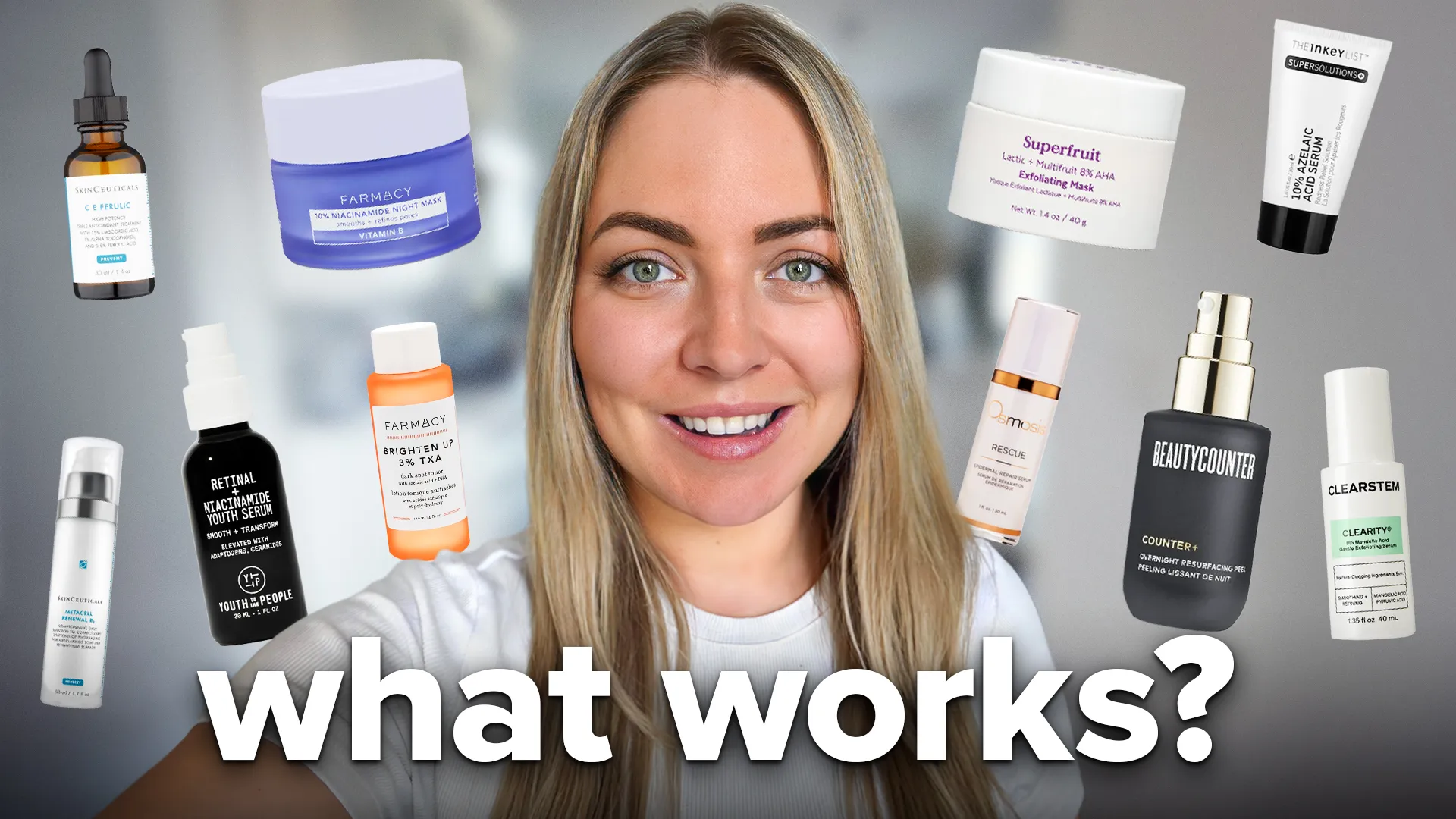
Credit: katiestewartwellness.com
Professional Treatments
Professional treatments offer targeted solutions for acne-scarred skin that you might not achieve with over-the-counter products alone. These treatments focus on stimulating skin renewal, evening out texture, and reducing the appearance of scars effectively. If you’ve ever felt frustrated by slow progress or uneven results, these options could be a game changer.
Chemical Peels And Their Benefits
Chemical peels use acids to remove the outer layer of dead skin cells, revealing fresher, smoother skin underneath. They help fade dark spots and soften raised scars by encouraging new skin growth.
Different types of peels suit different skin types and scar severity. For example, a mild glycolic acid peel might brighten your skin gently, while a stronger TCA peel offers deeper correction.
Ask yourself: Are you ready for some downtime? Some peels require recovery time, but the payoff can be significant.
Microneedling For Skin Renewal
Microneedling involves tiny needles creating micro-injuries that trigger your skin’s natural healing process. This boosts collagen and elastin production, helping scars become less noticeable over time.
You might notice improvements after just a few sessions, with skin texture becoming smoother and firmness increasing. This treatment works well for many skin tones and types.
Think about how your skin reacts to healing—are you patient enough for gradual transformation? Microneedling demands consistency but rewards with natural-looking results.
Laser Therapy Options
Laser treatments target scar tissue precisely, breaking it down while encouraging new skin formation. Different lasers work differently; some focus on resurfacing, while others target deeper skin layers.
Fractional lasers, for example, create tiny zones of injury surrounded by healthy skin, speeding up recovery. Pulsed dye lasers reduce redness and improve skin tone.
Consider your skin’s sensitivity and lifestyle—some laser therapies require sun avoidance and careful aftercare. Are you prepared to commit to the process for clearer skin?
Lifestyle Tips For Better Skin
Taking care of acne-scarred skin involves more than just topical treatments. Your daily habits play a crucial role in how your skin heals and looks over time. Small changes in your lifestyle can lead to noticeable improvements and boost your skin’s natural ability to regenerate.
Diet And Hydration
What you eat directly affects your skin’s health. Foods rich in antioxidants, vitamins A, C, and E can support skin repair and reduce inflammation.
- Include plenty of fresh fruits and vegetables like berries, spinach, and carrots.
- Healthy fats from sources such as avocados, nuts, and olive oil help keep skin supple.
- Drink enough water—aim for at least 8 glasses a day to flush out toxins and keep skin hydrated.
Cutting back on sugar and processed foods can also reduce redness and prevent further breakouts. Have you noticed how your skin reacts after certain meals?
Stress Management
Stress triggers hormone imbalances that can worsen acne scars and slow healing. Managing stress is as important as any skincare product you use.
- Try simple breathing exercises or meditation for a few minutes each day.
- Regular physical activity not only relieves stress but improves blood flow to your skin.
- Ensure you get enough sleep; your skin repairs itself while you rest.
When was the last time you felt truly relaxed? Making time for calm moments can transform your skin’s recovery process.
Avoiding Skin Picking
Picking or squeezing acne scars and blemishes can worsen scars and lead to infections. This habit often feels uncontrollable but recognizing it is the first step to stopping.
- Keep your hands busy with stress balls or fidget tools to reduce the urge.
- Use gentle reminders like sticky notes or phone alarms to stay aware.
- Apply soothing creams or cold compresses to reduce irritation and temptation.
Have you noticed how picking can make scars more noticeable? Breaking this habit helps your skin heal faster and look smoother.
Home Remedies To Support Healing
Healing acne scars takes patience and gentle care. Home remedies can support skin regeneration and improve texture. These natural options often reduce redness and soothe damaged skin. Consistent use helps skin look healthier over time.
Natural Oils And Masks
Natural oils nourish and moisturize scarred skin deeply. Rosehip oil contains vitamins that boost skin repair. Coconut oil soothes irritation and keeps skin soft. Aloe vera gel calms inflammation and hydrates skin layers.
Homemade masks add extra benefits using simple ingredients:
- Honey and turmeric mask reduces redness and fights bacteria.
- Oatmeal and yogurt mask gently soothes and hydrates skin.
- Avocado and olive oil mask provides deep nourishment and shine.
Diy Exfoliation Methods
Exfoliation removes dead skin cells and improves skin texture. Gentle scrubs made from natural ingredients work best.
Try these simple DIY exfoliators:
- Sugar mixed with honey creates a mild scrub to brighten skin.
- Ground coffee gently buffs away dull skin and stimulates circulation.
- Baking soda and water paste helps smooth rough patches carefully.
Always exfoliate with light pressure to avoid irritation. Limit exfoliation to twice a week for best results.
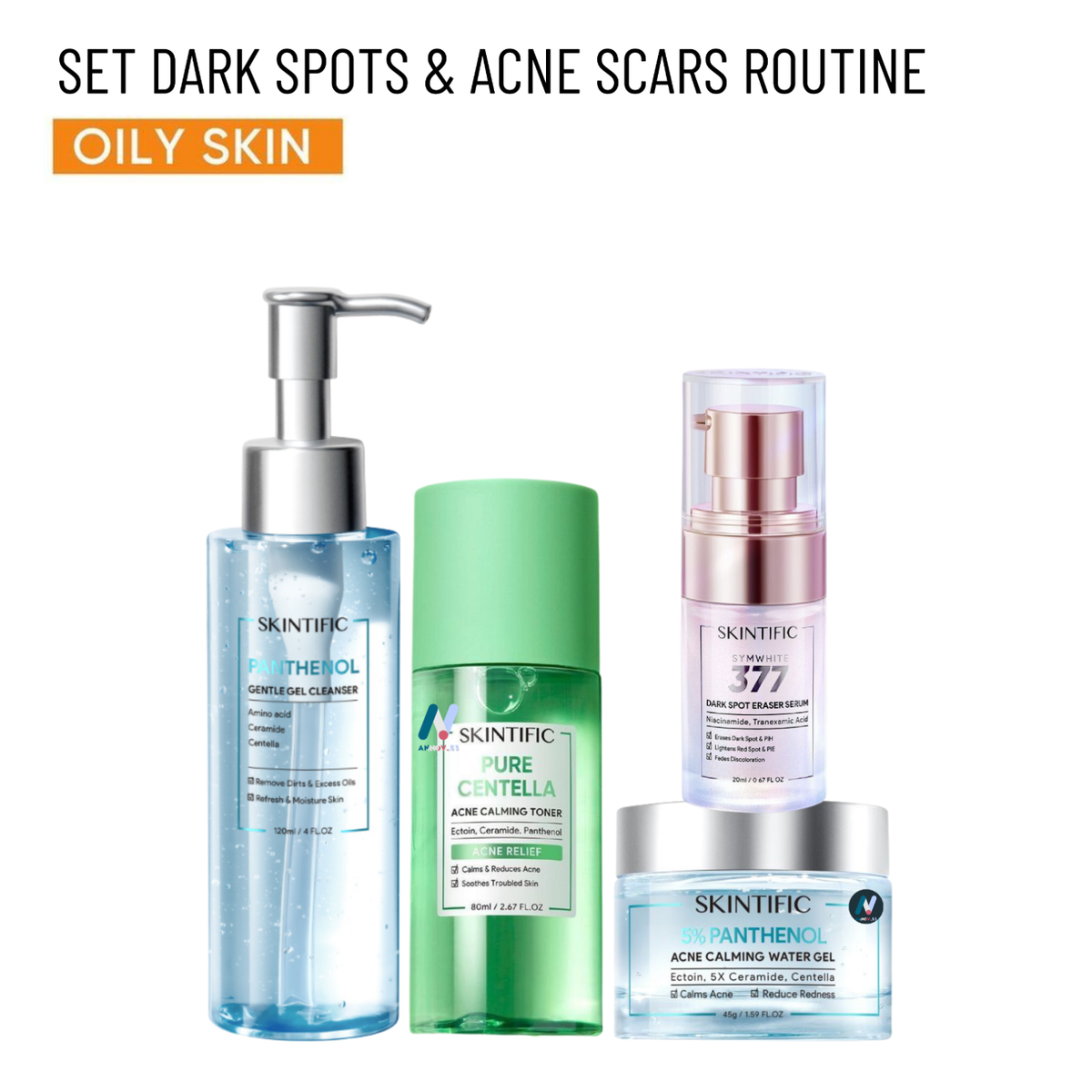
Credit: www.ebay.ca
Frequently Asked Questions
How To Treat Acne Scars Effectively At Home?
Use gentle exfoliants and moisturizers daily. Apply products with ingredients like retinoids and vitamin C. Always use sunscreen to prevent scars from darkening. Consistency is key for visible improvement. Consult a dermatologist for personalized treatments.
What Ingredients Help Fade Acne Scars Fastest?
Vitamin C, retinoids, niacinamide, and alpha hydroxy acids (AHAs) are effective. These ingredients promote skin cell turnover and collagen production. They also improve skin texture and tone. Use products containing these for best results.
Can Sunscreen Prevent Acne Scars From Worsening?
Yes, sunscreen protects scars from UV rays that darken and worsen them. Use broad-spectrum SPF 30 or higher daily. Reapply every two hours when outdoors. Sunscreen also helps maintain overall skin health and healing.
Are Chemical Peels Good For Acne Scarred Skin?
Chemical peels can improve acne scars by removing dead skin layers. They promote new skin growth and collagen production. Mild peels are safer for sensitive skin. Consult a dermatologist before starting chemical peel treatments.
Conclusion
Caring for acne-scarred skin needs patience and gentle steps. Choose products that soothe and repair your skin daily. Consistency helps improve skin texture and tone over time. Avoid harsh treatments that might cause more damage. Healthy habits, like drinking water and eating well, support skin healing.
Remember, small changes bring steady progress. Stay kind to your skin and give it time to heal. Clearer, smoother skin is possible with care and patience.
