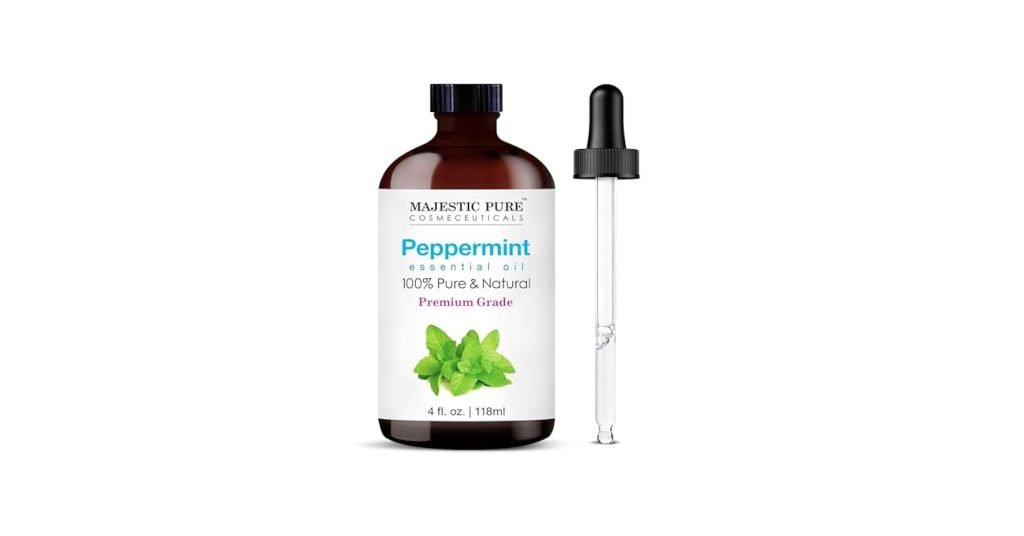
Imagine having a natural solution right at your fingertips that could transform your skin. Yes, we’re talking about Margosa Oil, often known as Neem Oil, a hidden gem in the world of skincare.
You might be wondering why you should care about this unassuming oil. Well, it’s time to discover how Margosa Oil can become your skin’s new best friend. With its powerful properties, this oil has the potential to address multiple skin concerns, leaving you with a radiant, glowing complexion.
Whether you’re dealing with acne, dryness, or signs of aging, Margosa Oil might just be the game-changer you’ve been searching for. Curious to know more? Let’s dive in and explore how this remarkable oil can revolutionize your skincare routine.

Credit: www.amazon.com
Benefits Of Margosa Oil
Margosa oil offers a range of benefits that can greatly improve your skin’s health and appearance. This natural oil is packed with compounds that target common skin issues without harsh chemicals. Whether you struggle with dryness, inflammation, or early signs of aging, margosa oil can be a valuable addition to your skincare routine.
Natural Antibacterial Properties
Margosa oil contains strong antibacterial agents that help fight harmful bacteria on your skin. This makes it ideal for managing acne and preventing infections in minor cuts or wounds. If you’ve experienced stubborn breakouts, applying margosa oil might reduce redness and stop bacteria from spreading.
Moisturizing Effects
Dry skin can feel tight and uncomfortable, but margosa oil offers deep hydration without clogging pores. It penetrates quickly, locking in moisture and leaving your skin feeling soft and smooth. Have you noticed how some oils leave a greasy residue? Margosa oil absorbs well, making it a practical choice for daily use.
Anti-inflammatory Benefits
Inflammation can cause redness, swelling, and irritation. Margosa oil contains compounds that soothe inflamed skin, providing relief from conditions like eczema and psoriasis. If you often battle skin irritation, adding margosa oil to your routine could calm flare-ups effectively.
Anti-aging Potential
Signs of aging like wrinkles and fine lines appear when your skin loses elasticity and moisture. Margosa oil supports skin regeneration and boosts collagen production, which helps maintain a youthful look. Have you ever tried natural oils to slow aging? Margosa oil’s antioxidants protect your skin from damage caused by free radicals.

Credit: www.amazon.ca
How Margosa Oil Improves Skin
Margosa oil, derived from the neem tree, has been cherished for centuries due to its powerful skin benefits. Its natural compounds work gently yet effectively to improve your skin’s health. Let’s look at how this oil can make a real difference in your skincare routine.
Clearing Acne And Blemishes
Margosa oil contains antibacterial properties that help fight the bacteria causing acne. Applying it regularly can reduce the appearance of blemishes and prevent new breakouts. Many people notice clearer, smoother skin after a few weeks of consistent use.
Have you ever struggled with stubborn pimples that just won’t go away? Margosa oil offers a natural way to calm those flare-ups without harsh chemicals.
Reducing Skin Irritations
If your skin often feels itchy or irritated, margosa oil can provide soothing relief. It works to reduce redness and inflammation, making it ideal for sensitive skin. I’ve found that using it after shaving or sun exposure helps calm my skin quickly.
Think about the last time your skin felt uncomfortable—what if a simple oil could ease that sensation naturally?
Enhancing Skin Tone
Margosa oil can improve uneven skin tone by gently lightening dark spots and promoting a more balanced complexion. Its regular use supports skin renewal and helps maintain a healthy glow. You don’t need to rely on harsh treatments to achieve a radiant look.
Have you noticed dullness or patchy areas on your skin? Adding margosa oil might be the step you’re missing for a brighter appearance.
Promoting Skin Healing
This oil is rich in antioxidants that support faster healing of minor cuts, wounds, and scars. It helps your skin recover while reducing the chance of infection. Many users report softer, less noticeable scars after applying margosa oil over time.
What if your skin could heal faster and more effectively with just a natural oil? Margosa oil makes that possible with regular care.
Ways To Use Margosa Oil
Margosa oil is a versatile natural oil that benefits the skin in many ways. It can be used in several forms to improve skin health and appearance. Understanding different ways to use margosa oil helps you get the best results.
Direct Application Tips
Apply margosa oil directly to clean skin. Use a few drops and gently massage it in circular motions. Leave it on for 20 to 30 minutes before washing off. For sensitive skin, do a patch test first. Avoid using too much oil to prevent clogged pores.
Mixing With Other Oils
Mix margosa oil with carrier oils like coconut or almond oil. This softens the strong smell and reduces skin irritation. Combine a few drops of margosa oil with one tablespoon of carrier oil. Use the blend for daily moisturizing or spot treatment. This mix helps balance oily and dry skin types.
Incorporating Into Skincare Routine
Add margosa oil to your daily skincare steps. Use it after cleansing and toning your face. Apply a small amount before your moisturizer to lock in hydration. It works well as a night treatment for skin repair. Regular use can reduce acne and soothe inflammation.
Using Margosa Oil Masks
Create homemade masks using margosa oil for deep skin care. Mix margosa oil with natural ingredients like honey, yogurt, or turmeric. Apply the mask evenly and leave it on for 15 to 20 minutes. Rinse with warm water and pat dry. These masks calm irritation and brighten the skin.
Precautions And Side Effects
Margosa oil is known for its many benefits, but like any natural product, it’s important to use it carefully. Understanding the precautions and potential side effects helps you enjoy its advantages without unwanted reactions. Let’s look at how you can safely introduce margosa oil into your skincare routine.
Patch Testing Before Use
Before applying margosa oil to your face or body, do a patch test on a small skin area. This simple step can prevent adverse reactions by showing how your skin responds. Apply a drop on your inner arm and wait 24 hours to check for any redness or irritation.
Possible Allergic Reactions
Some people may experience allergic reactions to margosa oil, such as itching, redness, or swelling. If you notice any of these symptoms after using the oil, stop immediately. Keep in mind, even natural oils can trigger allergies, so stay alert to your skin’s signals.
Avoiding Overuse
Using too much margosa oil can lead to dryness or irritation, especially if your skin is sensitive. Start with a small amount and increase gradually, paying attention to how your skin feels. Overuse doesn’t speed up benefits; instead, it might cause setbacks.
Consulting A Dermatologist
If you have existing skin conditions or are unsure about using margosa oil, talk to a dermatologist first. Professionals can guide you on the right way to include it in your skincare. Have you ever tried a new product without checking with a skin expert? What was your experience?
Choosing Quality Margosa Oil
Choosing quality margosa oil is key for safe and effective skin care. Pure and well-stored oil ensures better results. Low-quality oil can cause skin irritation or reduced benefits. Understanding how to identify pure margosa oil helps you make the right choice. Consider the source, processing, and packaging to get the best product.
Identifying Pure Oil
Pure margosa oil has a fresh, natural aroma. It should not smell too strong or chemical-like. Look for clear, golden to dark green color. Avoid oil that looks cloudy or has particles. Check the label for cold-pressed or first-pressed oil. These terms mean less processing and higher purity.
Organic Vs. Commercial Products
Organic margosa oil comes from neem trees grown without pesticides. It is safer for sensitive skin. Commercial products often mix margosa oil with other oils or chemicals. These blends may reduce the oil’s benefits. Organic oil usually costs more but offers better quality and skin safety.
Storage Recommendations
Store margosa oil in a cool, dark place away from sunlight. Use a tightly sealed container to keep air out. Avoid plastic bottles, which can affect the oil’s quality. Glass bottles are the best choice. Proper storage keeps the oil fresh and prevents it from turning rancid.
Price Vs. Quality Considerations
Very cheap margosa oil may lack purity. High-quality oil costs more due to better sourcing and processing. Compare prices but focus on labels and reviews. Sometimes mid-range oil offers good quality at a fair price. Avoid buying from unknown sellers to reduce risk.

Credit: www.amazon.ca
Comparing Margosa Oil With Other Oils
Choosing the right oil for your skin can be tricky, especially with so many options available. Margosa oil stands out, but how does it compare to other popular oils? Understanding these differences can help you decide what fits your skin’s unique needs.
Margosa Vs. Tea Tree Oil
Both margosa and tea tree oil have strong antibacterial and antifungal properties, making them effective against acne and skin infections. However, margosa oil tends to be gentler and less irritating, which is ideal if your skin reacts badly to harsh oils.
Tea tree oil is often used in diluted form because it can cause dryness or redness. Margosa oil, on the other hand, can be applied more directly and also nourishes the skin deeply due to its rich vitamin content. If you want an oil that soothes while fighting bacteria, margosa could be your better pick.
Margosa Vs. Coconut Oil
Coconut oil is famous for its moisturizing powers and is excellent for dry skin. Margosa oil doesn’t offer as much moisture but excels in treating inflammation and reducing acne. If your skin is oily or acne-prone, margosa oil might help balance oil production without clogging pores.
Many people find coconut oil too heavy and greasy, especially in hot climates. Margosa oil absorbs faster and leaves less residue, which makes it a practical choice for daily use when you want clear, calm skin without a greasy feel.
Best Oils For Sensitive Skin
Choosing oils for sensitive skin requires caution. Margosa oil is often well-tolerated because it calms redness and irritation, unlike some oils that can trigger flare-ups.
- Look for oils that reduce inflammation, like margosa and jojoba.
- Avoid heavily fragranced or synthetic oils that might irritate your skin.
- Test a small patch before applying any new oil broadly.
Have you tried switching oils to see which one your skin prefers? Margosa oil could be the gentle but powerful option you need to keep your sensitive skin happy and healthy.
Frequently Asked Questions
What Are The Benefits Of Margosa Oil For Skin?
Margosa oil deeply nourishes and moisturizes skin. It helps reduce acne, inflammation, and signs of aging. Its antibacterial properties promote clear, healthy skin naturally.
How To Use Margosa Oil Safely On Skin?
Apply a small amount of Margosa oil to clean skin. Perform a patch test to check for allergies. Use it 2-3 times weekly for best results.
Can Margosa Oil Help With Acne And Scars?
Yes, Margosa oil reduces acne-causing bacteria and inflammation. It also aids in fading scars and promotes faster skin healing.
Is Margosa Oil Suitable For Sensitive Skin?
Margosa oil is generally gentle but may irritate sensitive skin. Always do a patch test before regular use to avoid reactions.
Conclusion
Margosa oil offers many benefits for healthy skin care. It helps soothe irritation and reduces acne naturally. Regular use can keep skin soft and clear. This oil works well for most skin types. Try adding margosa oil to your daily routine.
See how it improves your skin’s look and feel. Simple, natural care often makes the best difference. Give your skin a gentle, natural boost today.
