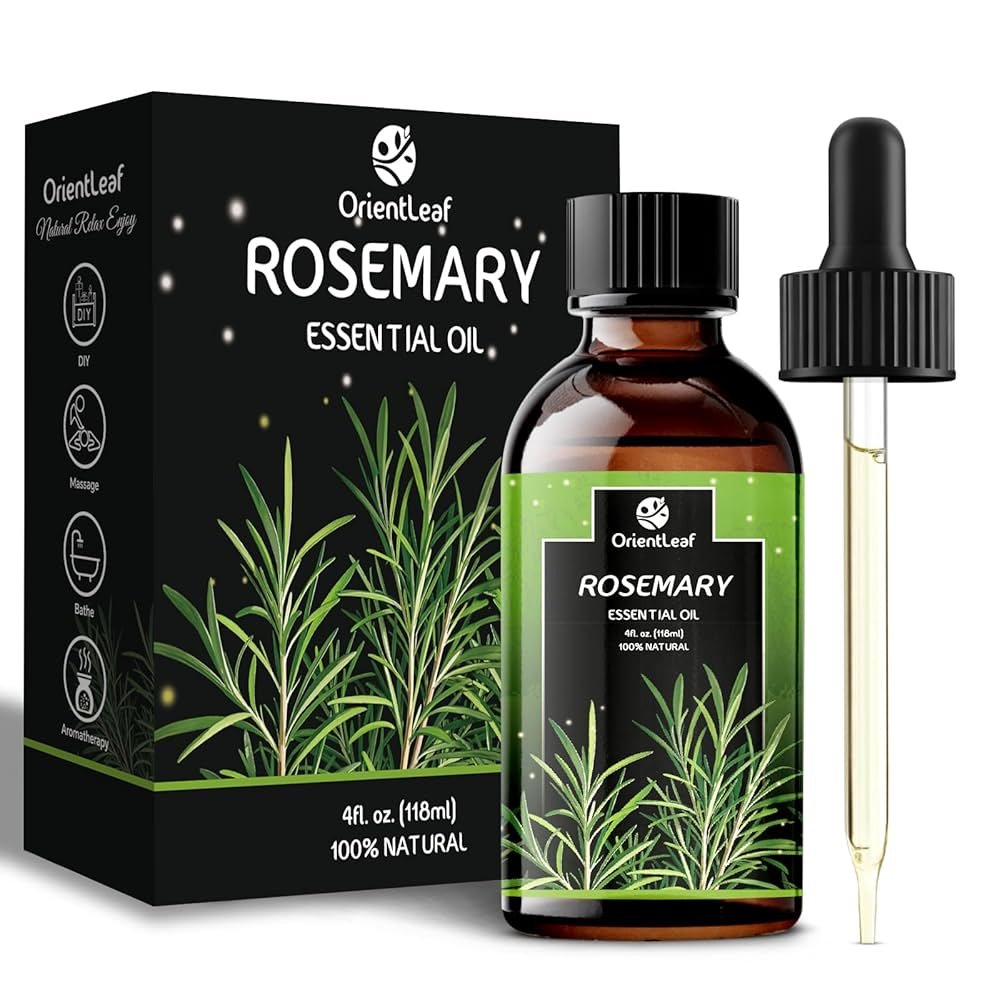
Have you ever wondered if there’s a natural way to achieve radiant, glowing skin? Imagine tapping into the power of a single ingredient that has been cherished for centuries.
Enter rosemary oil, a potent elixir that could transform your skincare routine. With its refreshing scent and impressive benefits, rosemary oil is not just a kitchen staple. It could be the secret weapon your skin has been craving. Curious about how this aromatic oil can work wonders for your complexion?
Keep reading to uncover the magic of rosemary oil for your skin and discover how to incorporate it into your daily regimen for a natural, healthy glow.

Credit: www.amazon.com
Benefits Of Rosemary Oil For Skin
Rosemary oil offers many benefits for the skin. It is rich in natural compounds that protect and nourish the skin. This essential oil can help maintain a healthy complexion and reduce common skin issues. Its properties support skin repair and keep the skin looking fresh.
Antioxidant Properties
Rosemary oil contains antioxidants that fight free radicals. Free radicals cause skin damage and early aging. Antioxidants protect skin cells and prevent wrinkles. Using rosemary oil helps keep skin firm and youthful.
Anti-inflammatory Effects
Inflamed skin can feel irritated and look red. Rosemary oil has anti-inflammatory qualities that soothe the skin. It reduces swelling and calms sensitive areas. This makes it useful for acne-prone and irritated skin types.
Antimicrobial Action
Rosemary oil fights bacteria and fungi on the skin. This antimicrobial action helps prevent infections and breakouts. It supports clear skin by reducing acne-causing microbes. Regular use can keep skin clean and healthy.
Improving Skin Tone
Uneven skin tone can make the face appear dull. Rosemary oil promotes blood circulation, which brightens the skin. It helps fade dark spots and evens out complexion. Skin looks more radiant and refreshed with use.

Credit: www.amazon.com
How Rosemary Oil Enhances Skin Health
Rosemary oil offers many benefits for healthy skin. Its natural compounds improve skin condition in gentle ways. Using this oil can support a clear, youthful, and calm complexion. Here is how rosemary oil enhances skin health.
Boosting Circulation
Rosemary oil helps increase blood flow to the skin. Better circulation brings more oxygen and nutrients to skin cells. This process helps skin look fresh and radiant. Improved blood flow can also speed up skin repair and healing.
Reducing Acne And Blemishes
The oil contains antibacterial properties that fight acne-causing bacteria. It helps reduce excess oil, which clogs pores. Rosemary oil soothes inflammation and redness from breakouts. Regular use can lead to fewer blemishes and clearer skin.
Fighting Signs Of Aging
Rosemary oil is rich in antioxidants that protect skin from damage. These antioxidants fight free radicals that cause wrinkles and fine lines. Applying rosemary oil can improve skin elasticity and firmness. It helps skin stay smooth and youthful longer.
Soothing Irritated Skin
Rosemary oil calms redness and irritation. It reduces swelling caused by sensitive skin. The anti-inflammatory effects ease discomfort and dryness. This oil is helpful for skin conditions like eczema and psoriasis.
Ways To Use Rosemary Oil Safely
Using rosemary oil on your skin can offer amazing benefits, but it’s important to handle it safely. Pure essential oils are very strong and can cause irritation if not used properly. Knowing how to prepare and apply rosemary oil correctly helps you enjoy its effects without any risks.
Dilution Tips
Rosemary oil should never be applied directly to your skin without dilution. Always mix it with a carrier oil to reduce its strength. A good rule is to add about 3-5 drops of rosemary oil per tablespoon of carrier oil for safe use on your face or body.
If you have sensitive skin, start with fewer drops and increase gradually. This simple step can prevent redness or burning sensations. Have you tried adjusting the dilution ratio to suit your skin’s reaction?
Patch Testing
Before using rosemary oil widely, perform a patch test to check for allergic reactions. Apply a small amount of the diluted oil on your inner wrist or behind your ear. Wait 24 hours and watch for any redness, itching, or swelling.
This quick test saves you from bigger skin problems later. If you notice irritation, avoid using the oil or try a lower concentration. Have you ever experienced an unexpected skin reaction from a new product?
Combining With Carrier Oils
Choose a carrier oil that suits your skin type to mix with rosemary oil. Jojoba oil works well for oily skin, while coconut or almond oil is great for dry skin. This combination not only dilutes the rosemary oil but also adds extra nourishment.
Mix the oils in a clean container and shake well before use. You can prepare a small batch at home to keep the oil fresh. What carrier oil do you find works best for your skin?
Best Application Methods
Apply the diluted rosemary oil gently with your fingertips or a cotton pad. Avoid rubbing harshly; instead, use light, upward strokes to help absorption. Focus on areas with dullness or uneven tone.
Incorporate rosemary oil into your evening skincare routine to let it work overnight. You can also add a few drops to your moisturizer or face mask for an extra boost. How do you prefer to include essential oils in your skincare routine?
Diy Rosemary Oil Skin Care Recipes
Rosemary oil is a natural treasure for skin care. It offers cleansing, soothing, and healing benefits. Making your own rosemary oil recipes at home is simple and rewarding. These recipes use easy ingredients found in most kitchens. They help improve skin tone, reduce acne, and refresh your face. Try these DIY rosemary oil skin care recipes for a natural glow.
Facial Toner
This facial toner refreshes and tightens your skin. It reduces oil and soothes irritation.
- Mix 1 cup of distilled water with 10 drops of rosemary oil.
- Add 1 tablespoon of witch hazel for extra cleansing.
- Pour the mix into a spray bottle and shake well.
- Spray lightly on your face after cleansing.
Moisturizing Serum
This serum hydrates and nourishes dry skin deeply.
- Combine 2 tablespoons of jojoba oil with 5 drops of rosemary oil.
- Add 3 drops of lavender oil for calming effects.
- Mix well and store in a small dropper bottle.
- Apply a few drops on your face before bedtime.
Acne Spot Treatment
Rosemary oil fights bacteria and reduces redness on pimples.
- Mix 1 teaspoon of aloe vera gel with 2 drops of rosemary oil.
- Use a cotton swab to dab directly on acne spots.
- Let it dry; do not rinse off immediately.
- Repeat twice daily for best results.
Refreshing Face Mist
This mist cools your skin and lifts your spirits anytime.
- Combine 1 cup of rose water with 8 drops of rosemary oil.
- Add 1 teaspoon of glycerin for moisture.
- Pour into a spray bottle and shake before use.
- Spritz your face throughout the day for a fresh feel.
Precautions And Potential Side Effects
Rosemary oil offers many benefits for your skin, but it’s important to use it carefully. Some people might face side effects or reactions that can affect skin health. Understanding the precautions helps you enjoy the advantages without unexpected problems.
Allergic Reactions
Some individuals may develop allergic reactions to rosemary oil. Symptoms like redness, itching, or a rash can appear shortly after applying the oil. Have you tried a patch test on a small skin area before using it widely? This simple step can prevent uncomfortable surprises.
If irritation occurs, stop using the oil immediately. Consult a healthcare professional if symptoms persist or worsen. Remember, natural doesn’t always mean safe for everyone.
Photosensitivity Concerns
Rosemary oil can increase your skin’s sensitivity to sunlight. This means you might get sunburned more easily after applying it. Do you plan to spend time outdoors? Avoid applying rosemary oil before sun exposure or use strong sunscreen to protect your skin.
Using rosemary oil at night can be a safer choice if you want to avoid photosensitivity. Being cautious about timing helps you enjoy the oil without risking sun damage.
Avoiding Overuse
More isn’t always better with rosemary oil. Using too much can dry out or irritate your skin, especially if you have sensitive skin. Stick to recommended amounts, usually just a few drops diluted in a carrier oil.
Have you noticed any changes when you used too much? Scaling back can often restore your skin’s natural balance quickly. Consistency with moderate use often leads to the best results.

Credit: www.ebay.ca
Choosing Quality Rosemary Oil
Choosing quality rosemary oil is key for healthy skin benefits. Not all oils offer the same effects. Some oils are pure, while others are synthetic or diluted. Understanding what to buy ensures safety and results. Storage also affects oil quality over time.
Pure Vs Synthetic Oils
Pure rosemary oil comes directly from the rosemary plant. It contains natural compounds that help skin heal and glow. Synthetic oils are made in labs and often lack these benefits. They may cause skin irritation or allergic reactions. Always check the label for “100% pure” to find genuine oil.
Organic Options
Organic rosemary oil is grown without pesticides or chemicals. It is safer for sensitive skin and the environment. Organic oils usually have stronger scents and better quality. Look for certifications like USDA Organic or ECOCERT to confirm authenticity. These oils support healthier skin naturally.
Storage Tips
Rosemary oil needs proper storage to stay fresh. Keep the bottle in a cool, dark place away from sunlight. Use dark glass bottles to protect the oil from light damage. Avoid heat and moisture which can spoil the oil. Tighten the cap after every use to keep it sealed.
Frequently Asked Questions
What Are The Benefits Of Rosemary Oil For Skin?
Rosemary oil helps reduce acne, soothes irritation, and improves skin tone. It has antioxidant properties that protect against aging. It also boosts circulation, promoting a healthy glow and faster healing.
How To Use Rosemary Oil Safely On Skin?
Dilute rosemary oil with a carrier oil before applying. Perform a patch test to check for allergies. Use it in small amounts and avoid direct sunlight after application to prevent irritation.
Can Rosemary Oil Help With Acne And Scars?
Yes, rosemary oil has antibacterial and anti-inflammatory effects. It reduces acne-causing bacteria and calms redness. It also promotes skin regeneration, helping fade scars over time with consistent use.
Is Rosemary Oil Suitable For Sensitive Skin?
Rosemary oil can be used on sensitive skin if diluted properly. Always do a patch test first. If irritation occurs, discontinue use and consult a dermatologist for advice.
Conclusion
Rosemary oil offers many benefits for healthy skin care. It helps soothe irritation and reduce redness. Its natural antioxidants protect skin from damage. Using rosemary oil can improve skin tone and texture. Always test a small area first to avoid reactions.
Simple and natural, it fits well in daily routines. Try adding rosemary oil for a fresh, glowing look. Small steps can lead to better skin health. Give your skin gentle care with rosemary oil.
