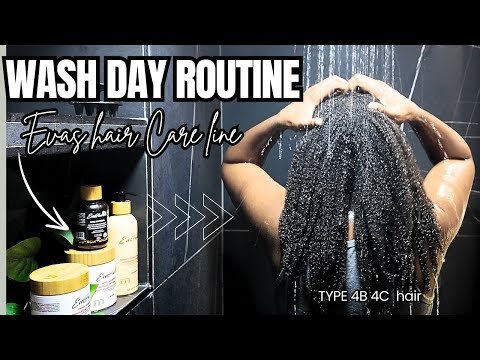
If you have 4C hair, you know it needs special care to stay healthy and beautiful. But figuring out the right routine can feel confusing and overwhelming.
What products should you use? How often should you wash or moisturize? This guide will break down a simple, effective 4C hair care routine that fits your lifestyle and brings out the best in your natural texture. By the end, you’ll have clear steps to keep your hair soft, strong, and thriving every day.
Ready to unlock your hair’s full potential? Let’s dive in.

Credit: www.youtube.com
What Is 4c Hair
Understanding 4C hair is key to caring for it properly. This hair type is known for its tight curls and coils. It’s unique in texture, requiring specific care to keep it healthy and hydrated.
What Defines 4c Hair Texture?
4C hair has very tight curls that often appear densely packed. Unlike other curl types, 4C strands can shrink up to 70% of their actual length. This shrinkage makes it look shorter than it really is.
The curls don’t have a defined pattern like 3C or 4A hair. Instead, they form zigzag or S-shaped patterns that can be fragile and prone to breakage.
Common Challenges With 4c Hair
Dryness is one of the biggest issues you might notice. The tight curls make it harder for natural oils to travel down the hair shaft, leading to dryness and brittleness.
Detangling can be tricky and time-consuming. You’ll need patience and the right tools to avoid unnecessary breakage or damage.
Do you find your hair feels fragile or breaks easily? That’s a common sign 4C hair needs gentle handling and moisture-rich products.
Why 4c Hair Needs A Special Care Routine
Because of its delicate structure, 4C hair thrives on moisture and protection. Regular deep conditioning and low-manipulation styles can prevent damage.
Using heavy products that weigh the hair down can cause buildup and scalp issues. Light oils and butters are often better choices for sealing in moisture.
Have you ever wondered why some products feel too heavy or greasy on your hair? It might be time to switch to lighter options that suit 4C strands better.
Challenges Of 4c Hair
4C hair has unique qualities that make it beautiful and distinct. It forms tight coils that shrink a lot. This hair type often feels dry and fragile. Caring for it needs patience and the right steps to keep it healthy.
Many people with 4C hair face common challenges. These challenges can cause frustration and hair damage if not handled properly. Understanding these struggles helps in creating a better hair care routine.
Moisture Retention Difficulties
4C hair struggles to keep moisture. Its tight curls make it hard for natural oils to move down the hair shaft. This leads to dryness and brittleness. Regular moisturizing is essential to avoid breakage and split ends.
Shrinkage And Length Perception
Shrinkage is when 4C hair appears shorter than it really is. This can be confusing for those tracking hair growth. The coils shrink up to 70% of their actual length. Stretching techniques help show the true hair length.
Fragility And Breakage
4C hair is delicate and breaks easily. Rough handling, harsh combs, and heat damage worsen this problem. Gentle detangling and protective styles reduce breakage and keep hair strong.
Product Build-up And Scalp Issues
Heavy products can build up on 4C hair and scalp. This clogs pores and causes itchiness or dandruff. Choosing lightweight, natural products and washing regularly keeps the scalp clean and healthy.
Key Principles Of 4c Hair Care
4C hair needs special care to stay healthy and strong. Its unique texture requires attention to moisture, gentle touch, and styles that protect strands. Following key principles helps maintain its beauty and reduce breakage.
Moisture Retention
4C hair tends to be dry because natural oils struggle to travel down the tight curls. Keeping hair moisturized is essential. Use water-based leave-in conditioners and seal moisture with oils or butters. Regular deep conditioning treatments help restore hydration and softness.
Gentle Handling
4C hair is fragile and breaks easily. Avoid rough combing or brushing. Use your fingers or a wide-tooth comb to detangle. Always handle hair gently, especially when wet. Pat hair dry with a soft towel instead of rubbing it vigorously.
Protective Styling
Protective styles reduce damage by minimizing hair manipulation. Styles like twists, braids, or buns shield ends and prevent tangling. Keep styles loose to avoid scalp tension. Change protective styles regularly to keep hair healthy and scalp clean.
Step 1: Cleansing 4c Hair
Cleansing 4C hair is the foundation of a healthy hair care routine. It removes dirt, oils, and product buildup without stripping natural moisture. Proper cleansing keeps the scalp fresh and prepares hair for conditioning and styling. Choosing the right cleansing method is key to maintaining strong, hydrated curls.
Choosing The Right Shampoo
4C hair needs gentle shampoos that clean without drying. Look for sulfate-free shampoos with moisturizing ingredients. Ingredients like shea butter, aloe vera, and coconut oil soothe and protect hair. Avoid shampoos with harsh chemicals that cause breakage or frizz. A mild shampoo keeps the scalp balanced and hair soft.
Co-washing Benefits
Co-washing means washing hair with conditioner instead of shampoo. This method cleans hair gently and keeps it hydrated. Co-washing reduces dryness and helps retain natural oils. It is ideal for those with very dry or fragile 4C hair. Use a lightweight conditioner that rinses out easily to avoid buildup.
Step 2: Deep Conditioning
Deep conditioning is a vital part of a 4C hair care routine. It helps restore moisture and strength to tightly coiled strands. This step improves softness and reduces breakage. Deep conditioning replenishes natural oils and repairs damage from styling or weather. It also makes hair easier to detangle and manage.
Best Ingredients For Moisture
Choosing the right ingredients is key for effective deep conditioning. Look for natural moisturizers that penetrate the hair shaft. These ingredients nourish dry, brittle hair and lock in hydration.
- Aloe vera: Soothes scalp and hydrates hair deeply.
- Shea butter: Rich in vitamins, seals moisture well.
- Coconut oil: Penetrates hair to reduce protein loss.
- Avocado oil: Contains fatty acids that nourish and soften.
- Honey: Natural humectant that attracts moisture.
- Jojoba oil: Mimics scalp’s natural oils, prevents dryness.
How Often To Deep Condition
Frequency depends on hair condition and lifestyle. For dry or damaged 4C hair, deep condition once a week. This keeps strands hydrated and resilient.
Healthier hair can deep condition every two weeks. Adjust based on how hair feels and looks. Over-conditioning can cause buildup and heaviness.

Credit: www.youtube.com
Step 3: Moisturizing Techniques
Moisturizing is the heart of a 4C hair care routine. Without proper moisture, your hair can feel dry, brittle, and prone to breakage. The goal is to keep your curls hydrated and soft, making your hair easier to manage and style.
Leave-in Conditioners
Leave-in conditioners are a game changer for keeping 4C hair moisturized throughout the day. Unlike rinse-out conditioners, they stay in your hair, providing continuous hydration.
Choose a leave-in with lightweight ingredients like aloe vera or glycerin to avoid buildup. Apply it to damp hair for better absorption. I noticed that using a leave-in consistently helped reduce my hair’s dryness and enhanced curl definition.
Try applying a small amount section by section. This ensures every strand gets the moisture it needs without weighing your hair down. What kind of leave-in conditioner works best with your hair texture?
Sealants For Locking Moisture
After applying your leave-in, sealing in moisture is crucial to prevent it from evaporating. Oils and butters act as sealants by creating a barrier on the hair shaft.
- Light oils like jojoba or grapeseed are perfect for daytime use.
- Heavier butters like shea or mango butter work well overnight or in dry climates.
I found that sealing my hair with a natural oil right after moisturizing kept my curls soft and shiny for days. Have you noticed how some oils leave your hair feeling greasy while others absorb quickly? Finding the right sealant can make all the difference in maintaining moisture.
Step 4: Styling For Growth
Styling your 4C hair for growth requires careful choices that protect your strands and encourage length retention. The way you style can either cause breakage or help your hair thrive. Focusing on gentle, low-manipulation styles and protective methods can make a big difference in your hair’s health and growth rate.
Protective Styles To Minimize Breakage
Protective styles shield your hair from daily wear and tear. Opt for styles like twists, braids, bantu knots, or updos that tuck away your ends and reduce friction.
Keep these tips in mind when choosing a protective style:
- Avoid styles that pull too tightly, as tension can cause breakage and damage your edges.
- Make sure your hair is moisturized and detangled before styling to prevent knots and snapping.
- Switch up your styles regularly to avoid putting stress on the same areas repeatedly.
Do you find your hair breaking more with certain styles? Experiment with looser versions and softer accessories like satin-lined clips.
Nighttime Care Tips
Your hair continues to grow and repair while you sleep, so nighttime care is crucial. Use a satin or silk bonnet or pillowcase to reduce friction and keep moisture locked in.
Here are some simple actions to protect your hair overnight:
- Lightly moisturize your hair with a water-based leave-in or oil before bed.
- Try pineapple-ing your hair (gathering it loosely at the top of your head) to preserve curls and reduce tangling.
- Wrap your hair with a satin scarf to keep strands flat and prevent breakage.
Have you noticed less breakage after changing your nighttime routine? Small adjustments like these can dramatically improve your hair’s strength and growth.
Common Mistakes To Avoid
Taking care of 4C hair can be a journey filled with trial and error. Avoiding common mistakes can save you time, frustration, and damage. Let’s look at some pitfalls that might be holding your hair back from its full potential.
Over-washing Your Hair
Washing 4C hair too often strips away natural oils that keep it moisturized. This can lead to dryness and breakage. Aim to wash your hair no more than once a week, and use gentle, sulfate-free shampoos to protect your hair’s natural moisture.
Skipping The Detangling Process
Detangling is essential but often rushed or skipped entirely. Skipping this step causes knots and breakage. Always detangle your hair when it’s damp and coated with conditioner, using a wide-tooth comb or your fingers to gently work through tangles.
Using Heavy Products That Weigh Hair Down
Choosing the wrong products can leave your hair feeling greasy or weighed down. Avoid heavy oils and butters if they cause buildup. Instead, try lighter moisturizers or water-based leave-in conditioners that hydrate without suffocating your curls.
Ignoring Scalp Health
Your scalp is the foundation of healthy hair, yet it’s often overlooked. Neglecting scalp care can lead to dryness, itchiness, and even hair loss. Regularly massage your scalp with oils like jojoba or tea tree to improve circulation and maintain a clean, healthy scalp environment.
Not Protecting Hair At Night
Sleeping without protection can cause unnecessary friction and breakage. Cotton pillowcases absorb moisture and roughen the hair cuticle. Switch to a satin or silk bonnet or pillowcase to keep your hair hydrated and reduce breakage while you sleep.
Recommended Products For 4c Hair
Choosing the right products is key for healthy 4C hair. This hair type needs moisture, gentle cleansing, and strong nourishment. Products that hydrate and protect curls work best. Avoid harsh ingredients that dry out the hair.
Here are some recommended products that suit 4C hair well. They help keep curls soft, defined, and strong.
Moisturizing Shampoo
Select shampoos that clean without stripping natural oils. Look for sulfate-free formulas rich in natural oils and butters. These keep the scalp clean and hair hydrated.
- Creamy texture for gentle cleansing
- Ingredients like shea butter, coconut oil, or aloe vera
- Free from sulfates and parabens
Deep Conditioner
Deep conditioners repair and soften coarse strands. Use one with proteins and humectants to lock in moisture. This helps reduce breakage and improves elasticity.
- Contains ingredients like honey, avocado, or argan oil
- Thick cream consistency for intense hydration
- Apply weekly for best results
Leave-in Conditioner
Leave-in conditioners provide ongoing moisture throughout the day. Choose lightweight but rich creams that do not weigh hair down. They also help with detangling and frizz control.
- Non-greasy formulas with jojoba or castor oil
- Enhances curl definition and softness
- Safe for daily use
Styling Cream Or Butter
Styling products seal moisture and add hold. Creams or butters with natural oils create shine and reduce dryness. They help maintain shape without stiffness.
- Ingredients such as mango butter, shea butter, or olive oil
- Provides flexible hold without flaking
- Suitable for twist-outs, braids, and wash-and-go styles
Tips For Long-term Hair Health
Maintaining long-term health for 4C hair requires more than just occasional care. It’s about building habits that support moisture, strength, and growth over time. If you want your hair to thrive for years, these tips will help you create a routine that works with your natural texture instead of against it.
Hydration Is Your Best Friend
4C hair tends to be drier than other textures, so keeping it hydrated is essential. Water-based leave-in conditioners and moisturizing sprays can make a huge difference in how your hair feels and behaves daily.
Ask yourself: How often do you refresh your hair’s moisture? Daily misting can prevent dryness and breakage before it starts.
Protective Styles Reduce Damage
Wearing styles like twists, braids, or bantu knots protects your ends and reduces manipulation. This gives your hair a chance to grow without constant stress.
Remember, though, to avoid styles that pull too tightly. Your scalp health matters just as much as your hair strands.
Regular Scalp Care Promotes Growth
Healthy hair starts with a healthy scalp. Use gentle oils like jojoba or castor oil to massage your scalp regularly. This boosts circulation and keeps your scalp clean and nourished.
Think about your scalp as the soil for your hair garden. Are you giving it the right care to grow strong roots?
Trim To Prevent Split Ends
Trimming your hair every 8-12 weeks removes split ends and prevents damage from traveling up the hair shaft. It might seem counterintuitive when you want length, but trimming actually supports healthier growth.
Try trimming just a little if you’re hesitant—sometimes small cuts can make a big difference in overall hair health.

Credit: www.youtube.com
Frequently Asked Questions
What Is The Best Shampoo For 4c Hair?
The best shampoo for 4C hair is sulfate-free and moisturizing. It gently cleanses without stripping natural oils. Look for shampoos with natural ingredients like shea butter or coconut oil to maintain moisture and reduce dryness.
How Often Should I Wash My 4c Hair?
Washing 4C hair once every 1-2 weeks is ideal. This frequency prevents dryness and maintains scalp health. Over-washing can strip natural oils, causing breakage and frizz, so gentle care is essential.
What Products Help Define 4c Hair Curls?
Use leave-in conditioners, curl creams, and natural oils for defining 4C curls. These products hydrate and enhance curl pattern, reduce frizz, and add shine. Consistent moisturizing is key to maintaining curl definition.
How Do I Prevent Breakage In 4c Hair?
Prevent breakage by moisturizing regularly and avoiding harsh treatments. Use wide-tooth combs and gentle detangling methods. Protective styles and minimal heat also help maintain hair strength and reduce damage.
Conclusion
Caring for 4C hair can be simple and rewarding. Keep your routine consistent. Use gentle products that hydrate and nourish. Protect your hair from damage with regular trims and protective styles. Listen to your hair’s needs; adjust your routine as necessary.
Remember, patience is key. Healthy, beautiful hair takes time. Celebrate each small victory in your hair journey. Share your experiences with others. Learn from them too. Your natural hair is unique and beautiful. Embrace every curl and coil. Enjoy the process and love your hair every day.
