If you have 4C hair, you know it’s unique, beautiful, and deserves special care. But sometimes, finding the right routine can feel confusing or overwhelming.
What if you could unlock simple, effective ways to keep your curls healthy, soft, and thriving? This guide is made just for you. By understanding the needs of your 4C hair, you’ll discover easy steps to boost moisture, reduce breakage, and celebrate your natural texture like never before.
Ready to give your hair the love it craves? Let’s dive in.
Characteristics Of 4c Hair
4C hair has unique traits that set it apart from other hair types. It is known for its tight curls and dense texture. Understanding these traits helps in caring for 4C hair properly. This hair type needs gentle care and specific products to stay healthy and strong.
Texture And Curl Pattern
4C hair has a very tight curl pattern. The curls form small, zigzag shapes. These curls are often very dense and packed closely together. The hair strands tend to be fine but fragile. The texture can feel soft but also dry without proper moisture. This curl pattern shrinks the hair a lot, sometimes more than 70% of its actual length.
Common Challenges
- Dryness is a major issue because natural oils have trouble traveling down the curls.
- Breakage happens often due to the fragile and delicate strands.
- Shrinkage can make the hair look shorter than it really is.
- Tangles and knots form easily, making detangling a careful process.
- Maintaining moisture is difficult without regular hydration and sealing techniques.
Essential Moisture Strategies
Maintaining moisture is key for healthy 4C hair. This hair type is prone to dryness because of its tight curls. Without enough moisture, hair can become brittle and break easily. Using the right strategies helps keep hair soft, shiny, and strong. Simple daily habits and the right products make a big difference.
Daily Hydration Tips
- Spray water on your hair every day to add moisture.
- Use a leave-in conditioner to lock in hydration.
- Cover hair with a satin scarf or bonnet at night.
- Avoid harsh shampoos that strip natural oils.
- Seal moisture with natural oils like coconut or jojoba oil.
- Deep condition once a week to restore moisture deeply.
Best Moisturizing Products
| Product Type | Benefits | Examples |
|---|---|---|
| Leave-In Conditioner | Keeps hair soft and hydrated all day. | Shea Moisture, Kinky-Curly Knot Today |
| Hydrating Cream | Provides extra moisture and curl definition. | Cantu Shea Butter, Camille Rose |
| Natural Oils | Seals in moisture and adds shine. | Coconut Oil, Olive Oil, Jojoba Oil |
| Deep Conditioner | Repairs and hydrates hair deeply. | Aussie 3 Minute Miracle, TGIN Honey Miracle |
Cleansing Techniques
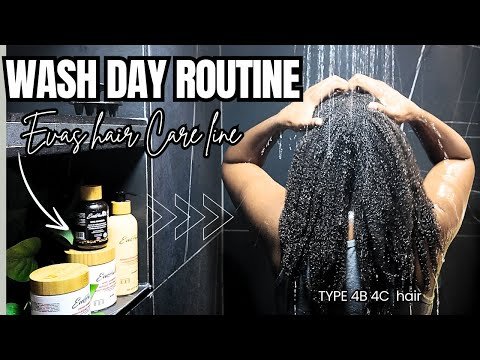
Cleansing is essential for healthy 4C hair. It removes dirt, buildup, and excess oils. Proper cleansing keeps curls defined and scalp fresh. Using the right technique prevents dryness and breakage. Choose gentle products that nourish hair strands. Balance is key to avoid stripping natural oils. Understanding cleansing methods helps maintain moisture and softness.
Choosing The Right Shampoo
Select shampoos that are sulfate-free and hydrating. Sulfates can dry out 4C hair quickly. Look for shampoos with natural oils and humectants. Ingredients like shea butter, aloe vera, and coconut oil work well. Use shampoos that clarify without harsh chemicals. Avoid products with alcohol or heavy fragrances. Always test a small amount first to check for reactions.
Co-washing Benefits
Co-washing means washing hair with conditioner only. It cleans hair gently without stripping moisture. This method suits 4C hair’s delicate texture. Co-washing helps keep curls soft and manageable. It reduces frizz and prevents scalp dryness. Use a lightweight, silicone-free conditioner for best results. Co-washing can be done between shampoo days to refresh curls.

Credit: www.youtube.com
Detangling And Styling
Detangling and styling 4C hair requires patience and the right techniques. This hair type is delicate and prone to breakage. Gentle care helps maintain healthy curls and prevents damage. Styling also plays a key role in protecting hair and enhancing its natural beauty.
Gentle Detangling Methods
Start detangling with damp hair and a good leave-in conditioner. This softens the hair and reduces friction. Use your fingers or a wide-tooth comb to work through knots slowly. Always begin at the ends and move up to the roots.
- Section hair into small parts for easier handling
- Apply a moisturizing product to each section
- Use gentle, downward strokes to avoid pulling
- Take breaks if the hair feels sensitive or tight
These steps prevent breakage and keep the hair strands intact. Avoid harsh brushes or combs that cause snapping.
Protective Styling Ideas
Protective styles help reduce daily manipulation and protect ends. They also keep hair moisturized and less prone to damage. Choose styles that do not pull tightly on the scalp.
- Box braids or twists for a low-maintenance look
- Buns or updos to shield ends from the environment
- Flat twists or cornrows for neatness and protection
- Wigs or extensions to give natural hair a break
Switch styles regularly to avoid stress on the same areas. Use satin scarves or bonnets at night to maintain moisture and reduce friction.
Nighttime Hair Care
Nighttime hair care is a crucial part of maintaining healthy 4C hair. Your hair undergoes natural repair and moisture retention while you sleep, making your nighttime routine vital. Skipping this step can lead to dryness, breakage, and tangles by morning.
Protective Night Routines
Protecting your hair at night helps lock in moisture and prevents damage. Start by lightly moisturizing your hair with a leave-in conditioner or natural oils like jojoba or castor oil. This keeps your strands hydrated and soft.
Next, gently detangle your hair to avoid knots and breakage. Use a wide-tooth comb or your fingers to carefully work through any tangles. Avoid brushing, as it can cause unnecessary stress on your delicate curls.
Finally, wrap your hair or use a protective style like braids or twists. This reduces friction and keeps your hair in place while you move during sleep. Think about how often you wake up with frizz—wouldn’t a simple wrap make mornings easier?
Recommended Accessories
- Satin or Silk Scarves:These materials reduce friction and help retain moisture better than cotton. They are gentle on your hair and prevent breakage.
- Satin or Silk Pillowcases:If scarves aren’t your thing, pillowcases made from satin or silk offer the same benefits. Plus, they’re easy to maintain and keep your hair protected all night.
- Hair Bonnets:A bonnet can cover your entire head, securing your hairstyle and preventing moisture loss. Look for adjustable options for a comfortable fit.
Have you noticed how your hair feels different after a night with or without these accessories? Experimenting with them can make a noticeable difference in your hair’s health over time.

Credit: www.youtube.com
Nutrition And Hair Health
Nutrition plays a key role in maintaining healthy 4C hair. Hair needs the right nutrients to stay strong and grow well. Poor diet can lead to weak, dry hair and slow growth. Eating a balanced diet helps supply essential vitamins and minerals. These nutrients support the hair follicles and scalp health, which boosts hair growth and shine.
Foods That Promote Growth
Certain foods provide the nutrients that 4C hair needs to thrive. Including these in your diet supports hair strength and growth.
- Leafy greens:Spinach and kale are rich in iron and vitamins A and C.
- Eggs:High in protein and biotin, key for hair health.
- Nuts and seeds:Almonds, walnuts, and flaxseeds offer healthy fats and vitamin E.
- Fish:Salmon and mackerel supply omega-3 fatty acids, which nourish hair.
- Sweet potatoes:Packed with beta-carotene, which the body converts to vitamin A.
Supplements To Consider
Sometimes diet alone is not enough. Supplements can fill nutrient gaps and support hair health.
- Biotin:Supports keratin production and strengthens hair strands.
- Vitamin D:Helps stimulate hair follicles and prevent hair loss.
- Zinc:Aids in tissue growth and repair, including hair tissue.
- Iron:Prevents hair thinning caused by deficiency.
- Omega-3 supplements:Reduce scalp inflammation and improve hair shine.
Common Mistakes To Avoid
Taking care of 4C hair requires attention to detail and patience. Many people make mistakes that can harm their hair’s health and appearance. Avoiding these common errors helps maintain strong, beautiful curls. Understanding what not to do is as important as knowing the right steps.
Over-manipulation Risks
4C hair is delicate and breaks easily. Touching or styling hair too often causes stress. Constant combing or brushing can lead to hair loss. Tight hairstyles pull on the roots and cause damage. Give your hair time to rest between styles. Handle your hair gently to keep it healthy.
Product Build-up Issues
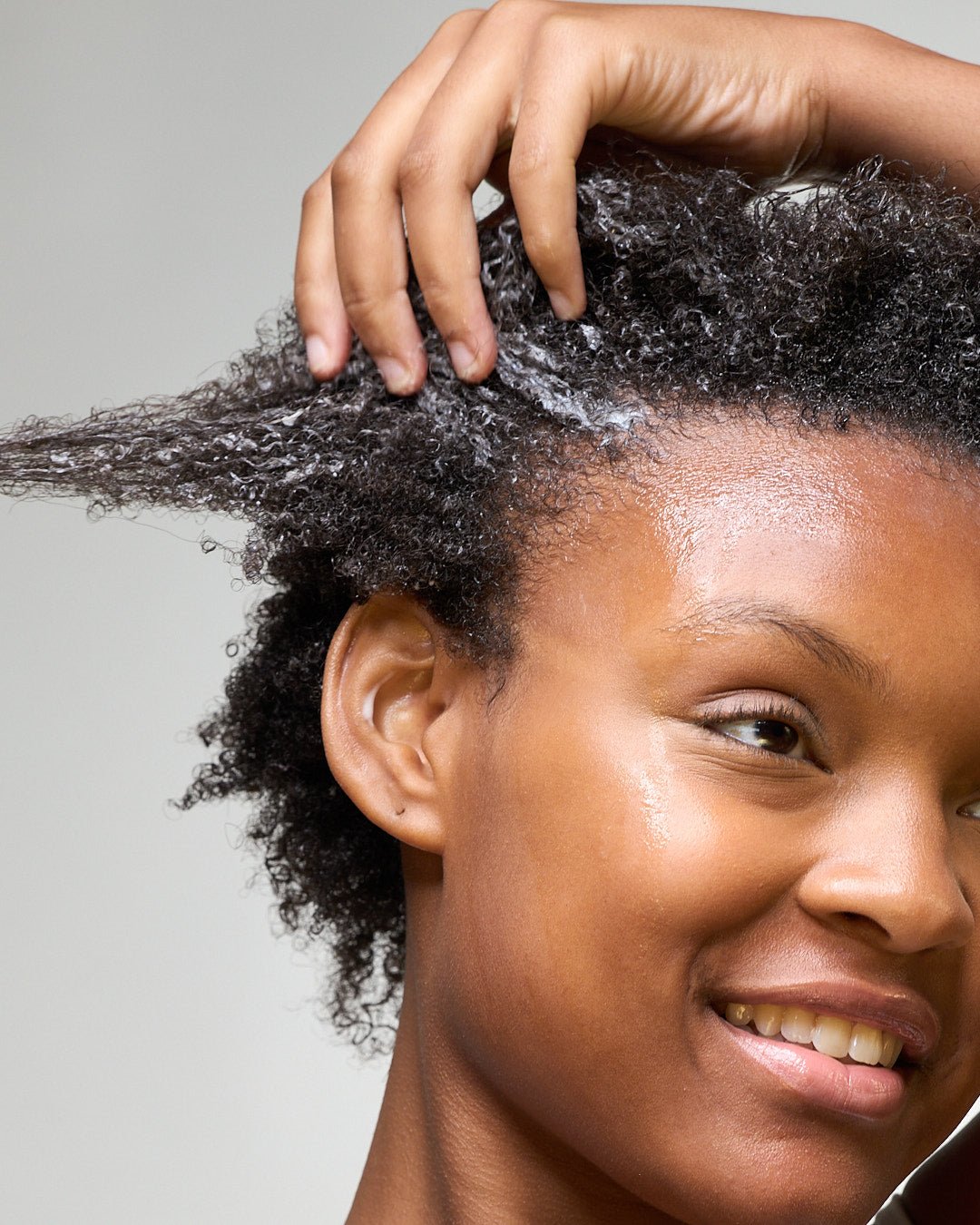
Using too many products can clog hair strands. Build-up makes hair look dull and heavy. It also blocks moisture from reaching the scalp. Wash your hair regularly with a gentle cleanser. Avoid heavy products that leave residue behind. Clear hair allows better growth and shine.
Credit: cheribe.com
Frequently Asked Questions
What Is 4c Hair Type And Its Characteristics?
4C hair is tightly coiled with a zigzag pattern. It is very dense, fragile, and prone to shrinkage. Moisture retention is challenging, so hydration and gentle handling are vital for 4C hair care.
How Do I Moisturize 4c Hair Effectively?
Use water-based leave-in conditioners and natural oils like shea butter. Seal moisture with oils to prevent dryness. Regular deep conditioning helps maintain hydration and softness for 4C hair.
What Are The Best Protective Styles For 4c Hair?
Protective styles like twists, braids, and bantu knots reduce manipulation. They help retain length and protect ends from breakage. Avoid tight styles to prevent scalp tension and hair loss.
How Often Should I Wash 4c Hair?
Wash 4C hair every 1 to 2 weeks to avoid dryness. Use sulfate-free shampoos and co-wash to maintain natural oils. Always follow with a deep conditioning treatment for softness.
Conclusion
Caring for 4C hair can seem challenging, but it’s worth it. Embrace moisture-rich products. They help maintain softness and prevent breakage. Gentle styling is essential for reducing damage. Patience and consistency are key to healthy hair growth. Listen to your hair’s needs.
Adjust your routine when necessary. Celebrate the beauty of your unique curls. With the right care, 4C hair can thrive. Remember, healthy hair shines from within. Keep it simple, and enjoy the journey!
