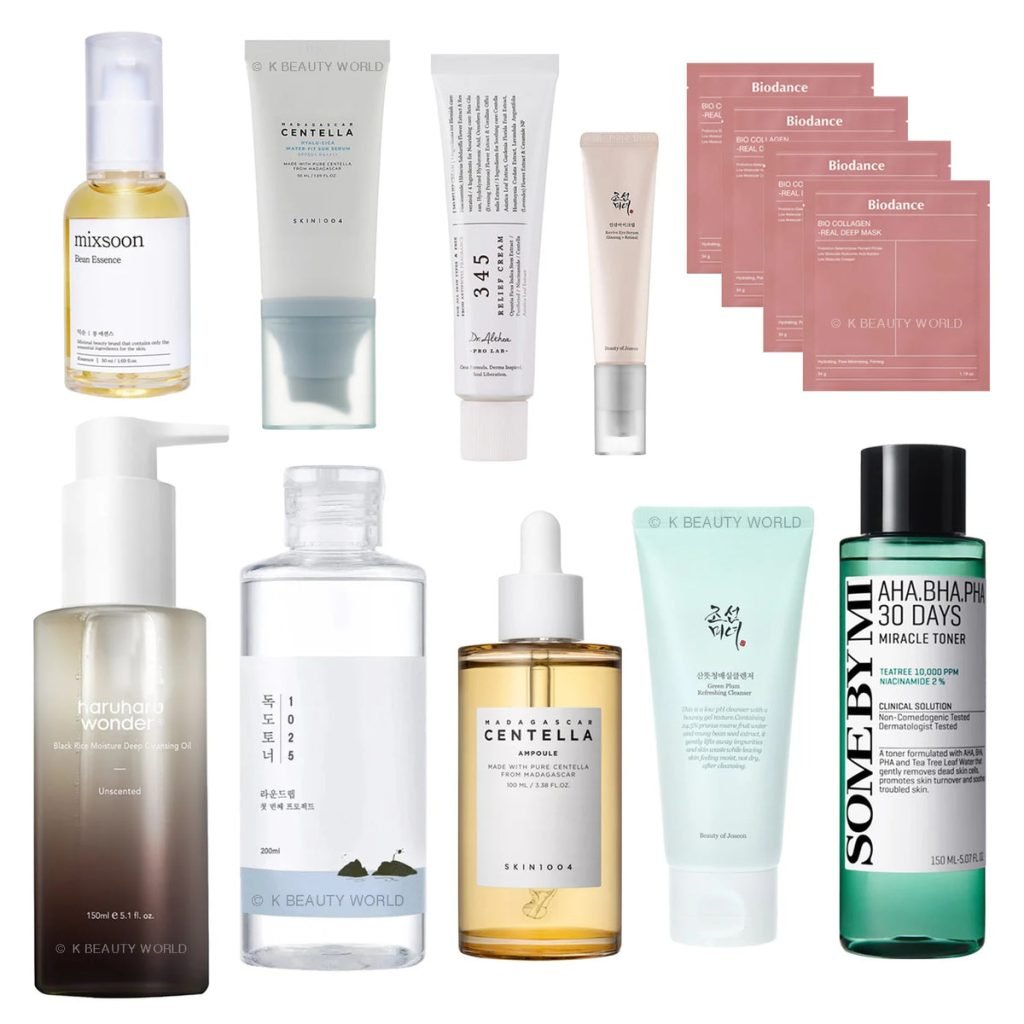
Are you ready to transform your skin and reveal a glowing, healthy complexion? The 10 Step Korean Skin Care Routine might be exactly what you need.
This method isn’t just about applying products—it’s a carefully crafted process that can make your skin feel softer, look clearer, and stay hydrated all day. Imagine waking up every morning to skin that feels fresh and radiant. Want to know how to make that happen?
Keep reading, and you’ll discover simple, effective steps that anyone can follow. Your skin deserves this kind of care, and the results will speak for themselves.
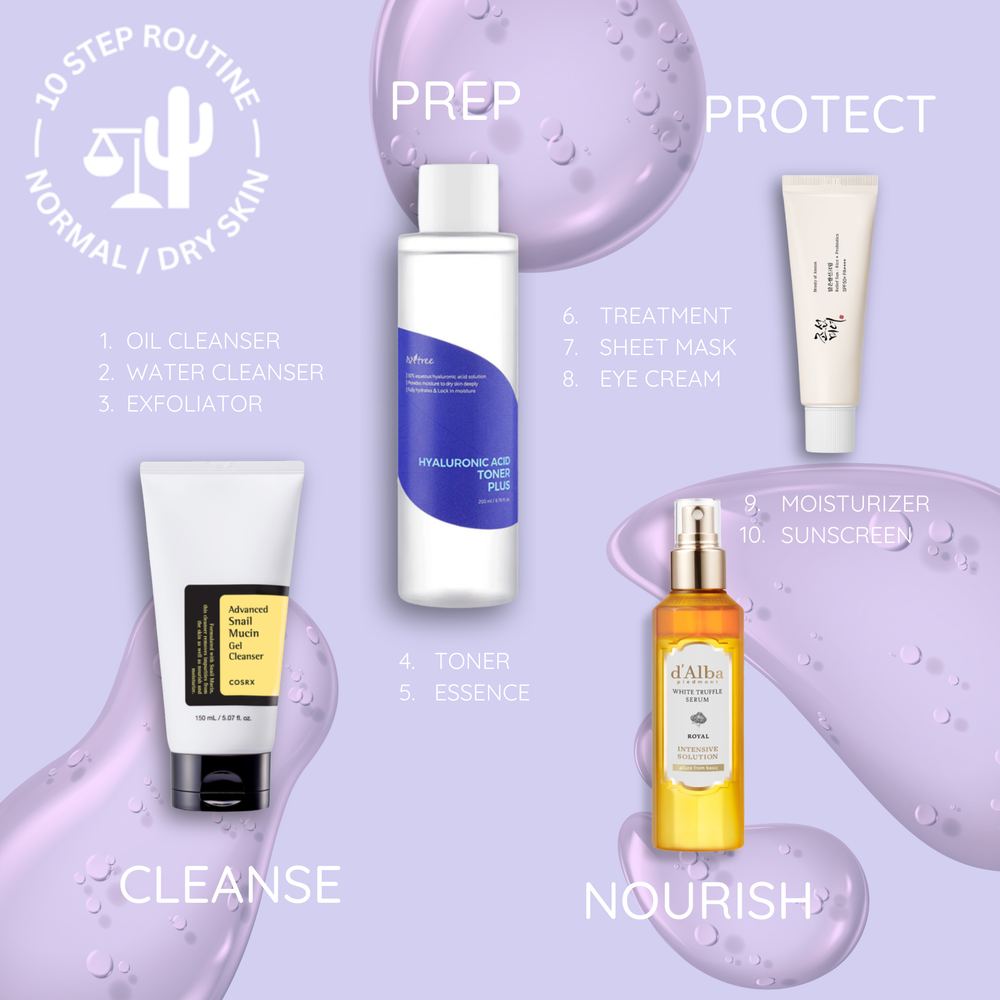
Credit: www.ooshtush.com
Cleansing Basics
Cleansing is the first and most important step in the Korean skin care routine. It removes dirt, oil, and makeup that build up on the skin. Proper cleansing helps the skin breathe and absorb other products better. This step uses two types of cleansers to clean the skin deeply without drying it out.
Oil-based Cleanser
The oil-based cleanser removes makeup and excess oil gently. It breaks down stubborn makeup, sunscreen, and impurities. Use it on dry skin and massage in circular motions. Then, rinse with warm water or follow with a water-based cleanser. This step keeps the skin soft and hydrated.
Water-based Cleanser
The water-based cleanser cleans sweat, dirt, and leftover oil. It refreshes the skin and removes any residue from the oil cleanser. Use it on damp skin and massage lightly. Rinse thoroughly with lukewarm water. This step leaves the skin feeling fresh and ready for the next skincare steps.
Exfoliation Tips
Exfoliation is a key step in the 10 Step Korean Skin Care Routine that helps reveal fresh, glowing skin by removing dead cells. But how you exfoliate can make a big difference in your skin’s texture and health. Understanding the types of exfoliants and how often to use them will help you avoid irritation while keeping your skin radiant.
Physical Vs Chemical Exfoliants
Physical exfoliants use small grains or beads to manually scrub away dead skin. They provide immediate smoothness but can be harsh if you apply too much pressure or choose abrasive particles.
Chemical exfoliants, on the other hand, use acids like AHAs or BHAs to gently dissolve dead skin cells. These tend to be better for sensitive skin and can improve texture over time without scrubbing.
- Physical exfoliants:sugar scrubs, jojoba beads, cleansing brushes
- Chemical exfoliants:glycolic acid, salicylic acid, lactic acid
Have you noticed how your skin reacts after using a scrub versus a chemical peel? That reaction can guide your choice between these two types.
How Often To Exfoliate
Exfoliating too often can strip your skin’s natural oils and cause redness or sensitivity. Most people find 1-3 times a week to be ideal, depending on their skin type and the exfoliant’s strength.
If your skin is dry or sensitive, start with once a week and watch for any irritation. Oily or acne-prone skin might benefit from more frequent chemical exfoliation, but even then, it’s important to listen to your skin’s response.
- Dry/Sensitive skin: 1 time per week
- Normal/Combination skin: 2 times per week
- Oily/Acne-prone skin: 2-3 times per week with chemical exfoliants
Remember, gentle and consistent exfoliation beats aggressive scrubbing. What’s your current exfoliation routine, and how does your skin feel afterward?
Toner Benefits
Toner is a vital part of the 10 step Korean skin care routine. It prepares the skin for better absorption of serums and moisturizers. Toner also helps remove leftover dirt and oil after cleansing. Using toner regularly improves skin texture and clarity. It balances and refreshes the skin, making it look healthy and glowing.
Hydrating Toners
Hydrating toners add moisture to dry and dull skin. They contain ingredients like hyaluronic acid and glycerin. These ingredients attract water to the skin and keep it soft. Hydrating toners calm irritation and reduce redness. They create a smooth base for the next skin care steps.
Balancing Ph Levels
Skin has a natural pH that keeps it healthy. Cleansers can disrupt this balance and cause dryness or oiliness. Toners restore the skin’s natural pH quickly. Balanced pH helps protect the skin from bacteria and pollution. It also supports better healing and reduces breakouts.
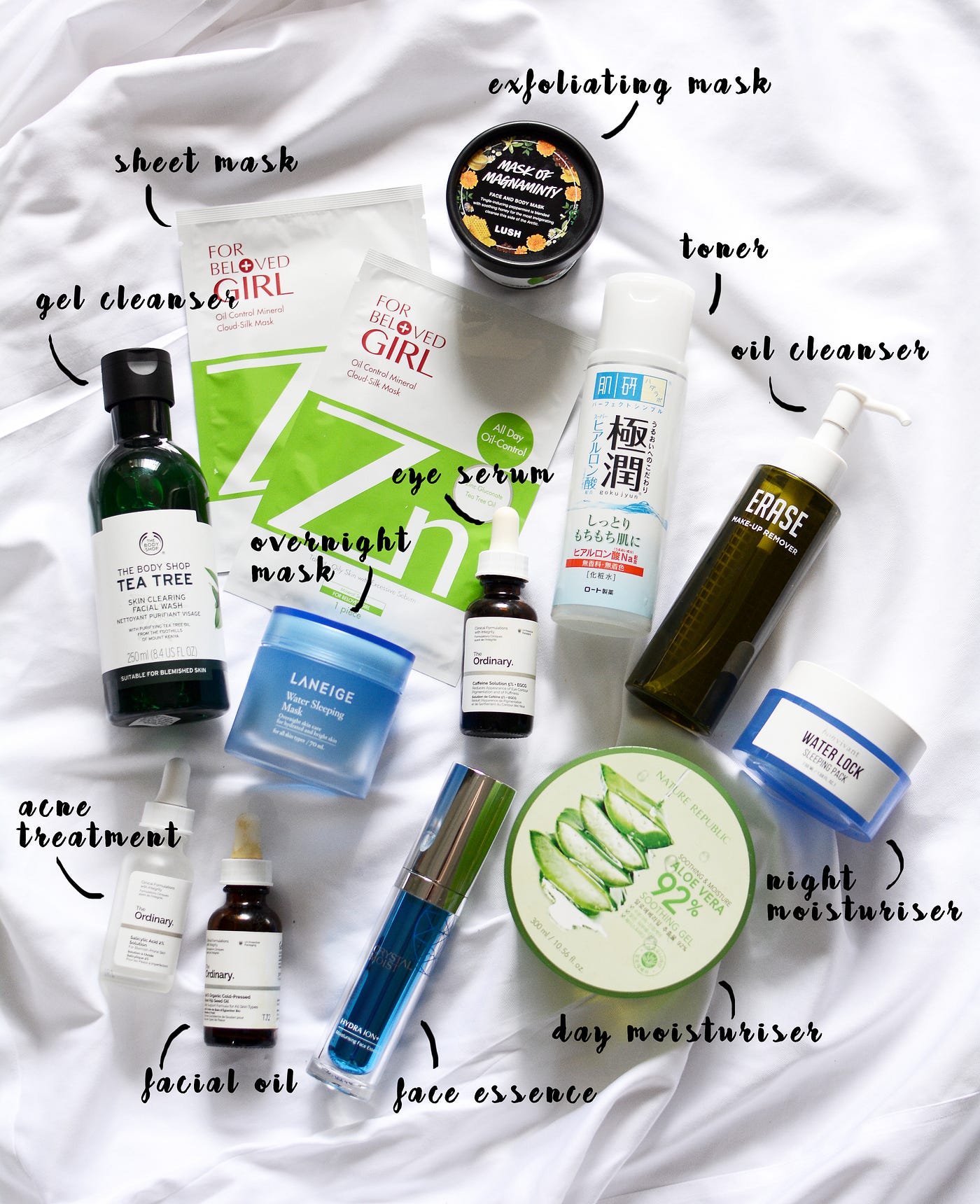
Credit: medium.com
Essence Application
Essence application is a crucial step in the 10 Step Korean Skin Care Routine. It acts like a powerful booster for your skin, delivering hydration and active ingredients deep into your skin layers. This step sets the foundation for better absorption of serums and moisturizers that follow.
Boosting Skin Hydration
Essences are packed with hydrating ingredients like hyaluronic acid and glycerin that help your skin retain moisture. Applying essence right after toner locks in hydration and prevents dryness throughout the day. You might notice your skin feels plumper and more refreshed after just a few days of regular essence use.
Have you ever wondered why your moisturizer sometimes feels heavy or ineffective? It could be because your skin lacks proper hydration at the base level. Essence fills that gap, prepping your skin to absorb moisture better.
Layering Techniques
Applying essence properly can make a big difference. Instead of rubbing it harshly, try patting the essence gently into your skin with your fingertips. This method encourages better absorption without irritating your skin.
Some people layer essence in thin coats for extra hydration. After the first layer dries, add a second layer for a noticeable boost in skin texture and glow. Experiment with this technique and see how your skin responds.
Serum Choices
Serums play a key role in the 10 step Korean skin care routine. They deliver powerful ingredients deep into the skin. Choosing the right serum depends on your skin needs and goals. Serums are lightweight but packed with active ingredients. They help improve skin texture, tone, and hydration.
Targeting Skin Concerns
Serums focus on specific skin problems. For dry skin, use hydrating serums with moisture-boosting ingredients. For dull skin, brightening serums help restore glow and radiance. If acne is an issue, choose serums with soothing and anti-inflammatory properties. Anti-aging serums reduce fine lines and improve skin elasticity. Sensitive skin benefits from gentle, calming serums. Match your serum to your main skin concern for best results.
Ingredients To Look For
- Hyaluronic Acid:Deeply hydrates and plumps the skin.
- Vitamin C:Brightens skin and evens out tone.
- Niacinamide:Reduces redness and controls oil production.
- Peptides:Support collagen and improve firmness.
- Centella Asiatica:Soothes irritation and heals skin.
- Snail Mucin:Repairs skin and adds moisture.
- Green Tea Extract:Provides antioxidants and calms skin.
Choose serums with these ingredients based on your skin needs. Always patch test new serums to avoid irritation.
Sheet Mask Use
Sheet masks are a key part of the 10-step Korean skincare routine. They deliver concentrated ingredients deep into your skin, boosting hydration and giving your face a quick glow. Using sheet masks correctly can make a noticeable difference in how your skin looks and feels.
Choosing The Right Mask
Not every sheet mask suits every skin type. You need to pick one based on what your skin needs most right now. If your skin feels dry, look for masks with hyaluronic acid or aloe vera for intense hydration.
For dull or tired skin, masks with vitamin C or niacinamide can brighten your complexion. Sensitive skin benefits from calming ingredients like green tea or centella asiatica. Always check the ingredients list to avoid anything that might irritate you.
Frequency Of Use
How often should you use a sheet mask? It depends on your skin and the mask’s purpose. Using a hydrating mask two to three times a week can keep your skin plump and moisturized without overwhelming it.
For more targeted treatments, like brightening or soothing, once or twice a week is enough. Overusing masks can sometimes cause irritation or make your skin too dependent on external moisture. Pay attention to how your skin reacts and adjust the frequency accordingly.
Eye Cream Tips
The delicate skin around your eyes needs extra care, and using the right eye cream can make a big difference. Eye creams are specially designed to address common concerns like puffiness and dark circles. Knowing how to apply and what to look for in an eye cream can help you see better results faster.
Reducing Puffiness
Puffiness around the eyes can make you look tired, even if you feel rested. To reduce swelling, gently tap the eye cream around your eyes instead of rubbing it in. This helps avoid irritation and encourages circulation.
Look for eye creams with ingredients like caffeine or green tea extract. These naturally reduce inflammation and tighten the skin. If you wake up with puffy eyes, keep your eye cream in the fridge for a cooling effect that instantly soothes.
Fighting Dark Circles
Dark circles can be stubborn and often come from lack of sleep or genetics. Choose eye creams that contain vitamin C or niacinamide—they brighten the under-eye area and improve skin tone.
Apply the cream with your ring finger, which applies the least pressure, to avoid damaging delicate skin. Are you getting enough sleep and hydration? Sometimes lifestyle changes combined with a good eye cream work best.
Moisturizing Methods
Moisturizing is a key part of the 10 step Korean skin care routine. It keeps the skin soft, smooth, and healthy. Choosing the right moisturizer depends on skin type and climate. Applying it correctly helps keep moisture locked in. This section explains different moisturizing methods and how to keep skin hydrated.
Light Vs Rich Moisturizers
Light moisturizers have a thin texture. They absorb quickly and feel fresh. Good for oily or combination skin. Also great for hot, humid weather. Rich moisturizers are thicker and creamier. They provide deep hydration and protect the skin barrier. Best for dry or sensitive skin. Ideal during cold or dry seasons.
Choosing between light and rich depends on your skin needs. Use light moisturizers daily for a non-greasy feel. Switch to rich ones for extra nourishment or at night.
Locking In Hydration
Locking in moisture is vital for healthy skin. Apply moisturizer on slightly damp skin. This helps trap water and boost hydration. Gently press the product into your skin. Avoid rubbing hard, which can irritate.
Use oils or sleeping masks to seal moisture overnight. These create a barrier that stops water loss. Layering products from thin to thick works best. This routine keeps skin plump and prevents dryness.
Sun Protection
Sun protection is a vital part of the 10-step Korean skin care routine. It shields your skin from harmful UV rays. These rays can cause wrinkles, dark spots, and skin damage. Regular sun protection keeps skin healthy and youthful. It also helps maintain the results of your other skin care steps.
Choosing Sunscreens
Select sunscreens with broad-spectrum protection against UVA and UVB rays. Look for SPF 30 or higher for daily use. Choose formulas suited for your skin type—gel or water-based for oily skin, cream-based for dry skin. Check for ingredients like zinc oxide or titanium dioxide for gentle protection. Avoid sunscreens with heavy fragrances or alcohol to prevent irritation.
Daily Application Tips
Apply sunscreen as the last step of your morning routine. Use enough product—about one teaspoon for your face and neck. Reapply every two hours if outdoors or sweating. Don’t forget areas like ears, neck, and hands. Apply sunscreen even on cloudy days and indoors near windows. Wait a few minutes after applying sunscreen before makeup.
Routine Customization
Customizing your 10 Step Korean Skin Care Routine is key to seeing real results. Not all products work the same for everyone, and your skin changes over time. Adjusting your routine lets you target your unique needs and maintain healthy skin year-round.
Adjusting For Skin Types
Oily, dry, combination, or sensitive—your skin type guides the products you choose. If you have oily skin, lightweight, oil-free moisturizers and gel-based essences work better for you. Dry skin benefits more from creamy, hydrating products that lock in moisture.
Try swapping heavy creams for serums if your skin feels congested. If redness or irritation appears, reduce the number of exfoliating steps and focus on calming ingredients like aloe or centella asiatica. Have you noticed certain products causing breakouts or dryness? That’s a sign to tweak your routine.
Seasonal Changes
Skin reacts differently to the weather. In winter, you might need richer creams and more nourishing oils to combat dryness. In summer, lighter layers and stronger sun protection become essential to avoid clogged pores and sun damage.
Switching your cleanser to a gentler formula during cold months can prevent stripping your skin’s natural oils. Adding a hydrating mist or sheet mask during dry seasons can refresh your skin instantly. How does your skin feel as the seasons shift? Adjust your routine to match those changes for consistent comfort and glow.
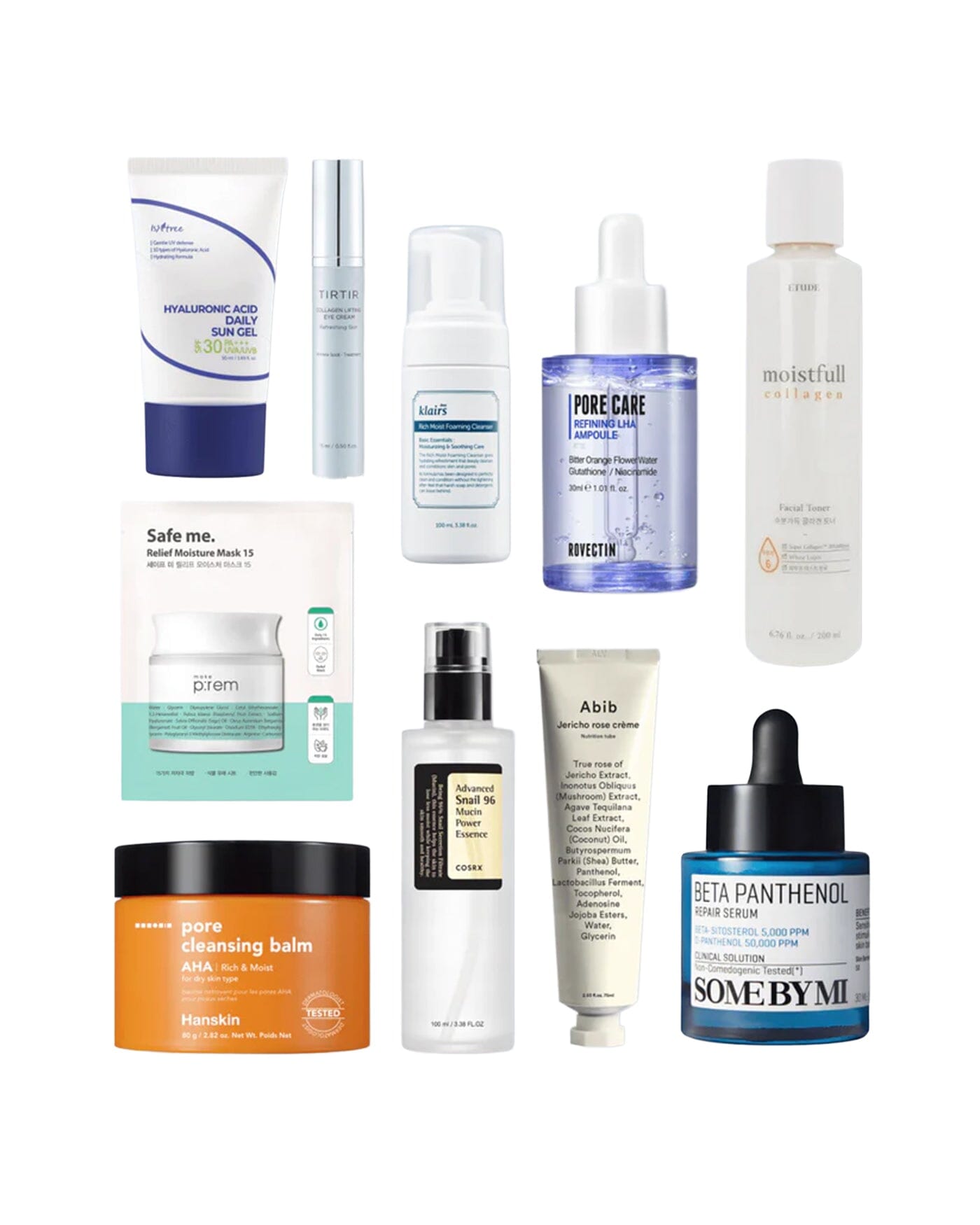
Credit: sokoglam.com
Frequently Asked Questions
What Is The Korean Skincare Routine Order?
The Korean skincare routine usually follows this order: cleansing, exfoliating, toning, essence, serum, sheet mask, eye cream, moisturizer, and sunscreen. Each step is designed to target specific skin concerns, ensuring a comprehensive skincare regimen that promotes healthy, glowing skin.
How Often Should I Exfoliate In This Routine?
In the Korean skincare routine, exfoliating should be done 1-2 times a week. Over-exfoliating can harm your skin’s barrier. Stick to gentle exfoliants to avoid irritation and achieve a smooth, radiant complexion without causing damage.
Do I Need All 10 Steps Daily?
No, not all steps are needed daily. Daily essentials include cleansing, toning, moisturizing, and sunscreen. Steps like exfoliating and masks can be done weekly. Customize the routine based on your skin type and concerns for optimal results.
Can I Use Western Products For This Routine?
Yes, you can use Western products in the Korean skincare routine. The key is choosing products that suit your skin type and address your specific concerns. Ensure they follow the routine’s steps for maximum effectiveness, regardless of the brand origin.
Conclusion
Following the 10 step Korean skin care routine can improve your skin health. Each step helps clean, hydrate, and protect your face. Consistency is key to see real results over time. Take your time with each product and enjoy the process.
Healthy skin feels soft, smooth, and looks bright. Everyone’s skin is different, so find what works best for you. Start simple, then add steps as you feel comfortable. This routine can become a relaxing part of your day. Clear skin is possible with patience and care.
Give your skin the attention it deserves.